
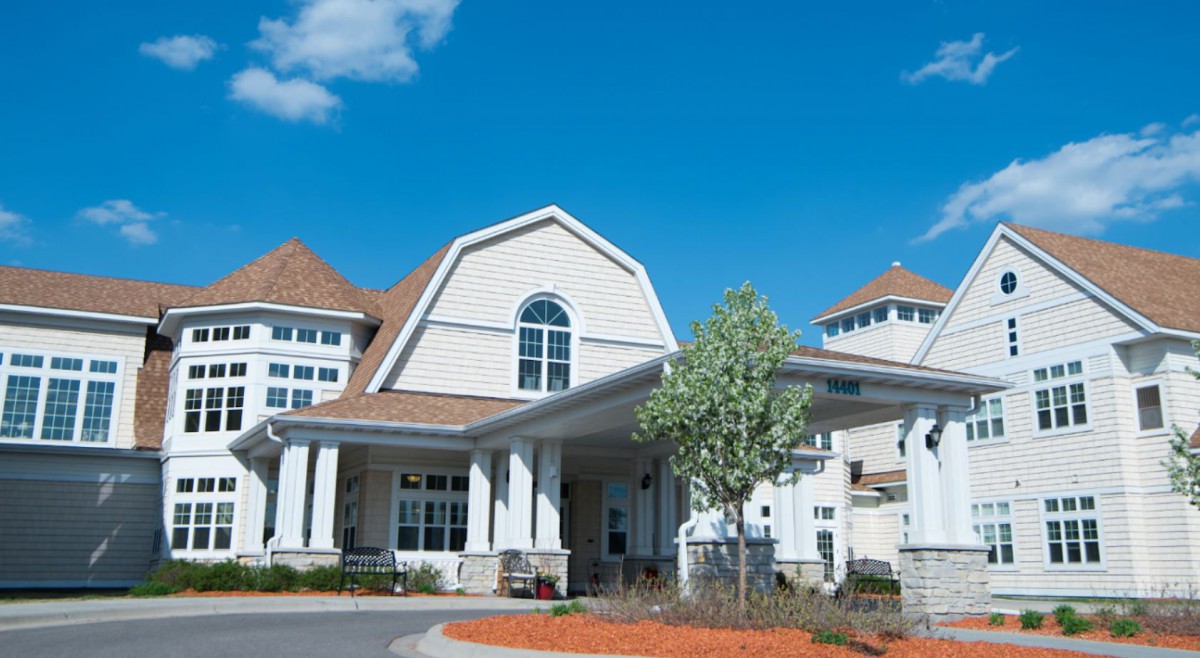
14401 Nowthen Boulevard NW, Ramsey, MN 55303
For more information about senior living options: (866) 208-4318
Overall Review of Stoney River Ramsey
Pros
 Reviewers were extremely impressed by the facility and the staff, noting professionalism, positivity, and a caring demeanor that set Stoney River apart.
- The atmosphere is welcoming and friendly.
- The service is second to none.
- The staff are professional, helpful, and genuinely caring.
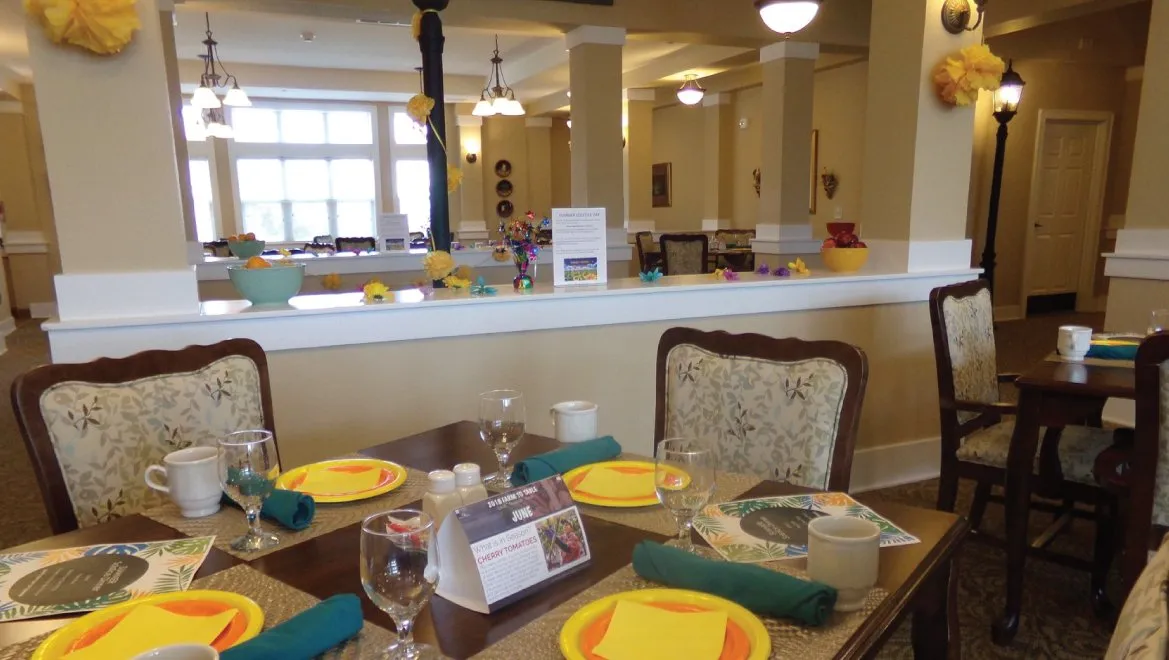
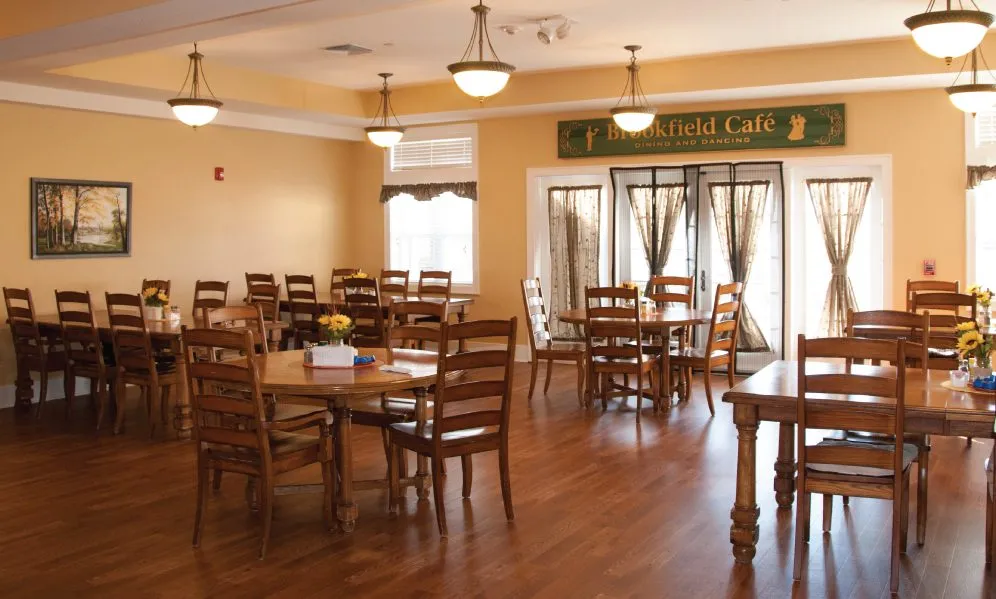
- Meals are amazing with great daily options.
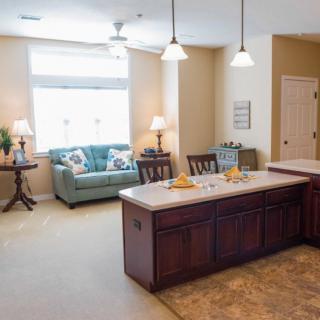
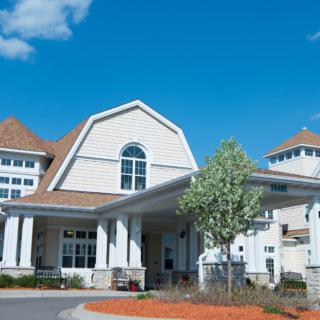
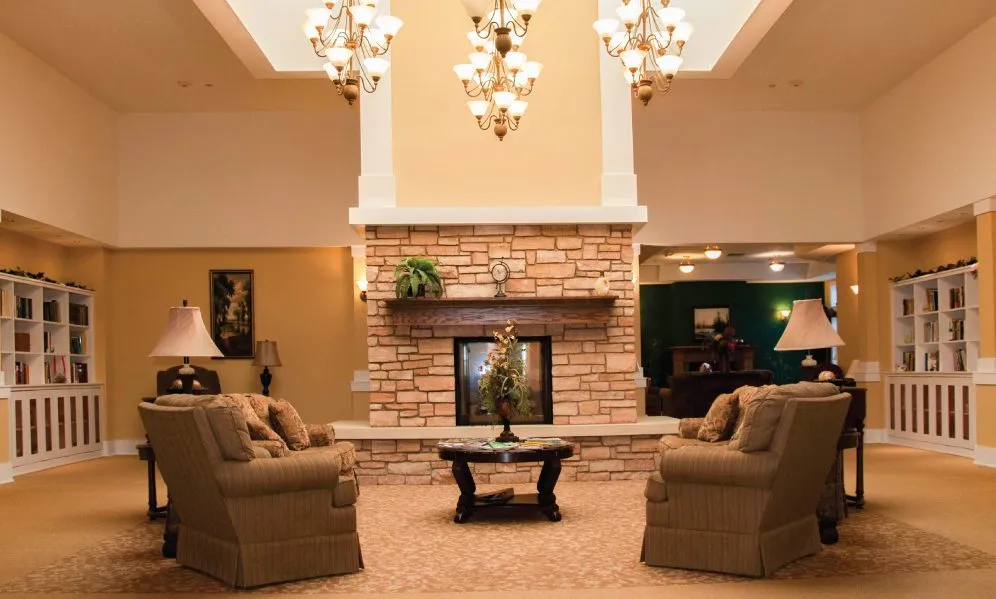
- The building is beautiful and the layout is amazing.
- The move-in process is easy and the transition is smooth.
- Memory care teams are attentive, kind, and supportive.
- The inner courtyard provides a blessing by enabling outdoor time for residents.
- Activity programs and family events are outstanding.
- Executive leadership is fantastic and the staff are eager to please.
- Families feel grateful and confident that their loved ones are safe and well cared for.
Cons
 The care was poor: call lights weren’t answered, the food was unappealing and constipating for elderly residents, and the staff were rude.
- An aggressive nurse was rude and unprofessional in communication, contributing to a toxic environment.
- The facility is described as grandiose in appearance but has awful service and poor communication, with high staff turnover and some staff who are confrontational or neglectful toward loved ones.
- The concierge was reported to have made racist remarks about workers, casting doubt on how residents would be treated.
- There were hiccups and inconsistencies in care.
- At least one reviewer would not recommend sending a family there.
Review
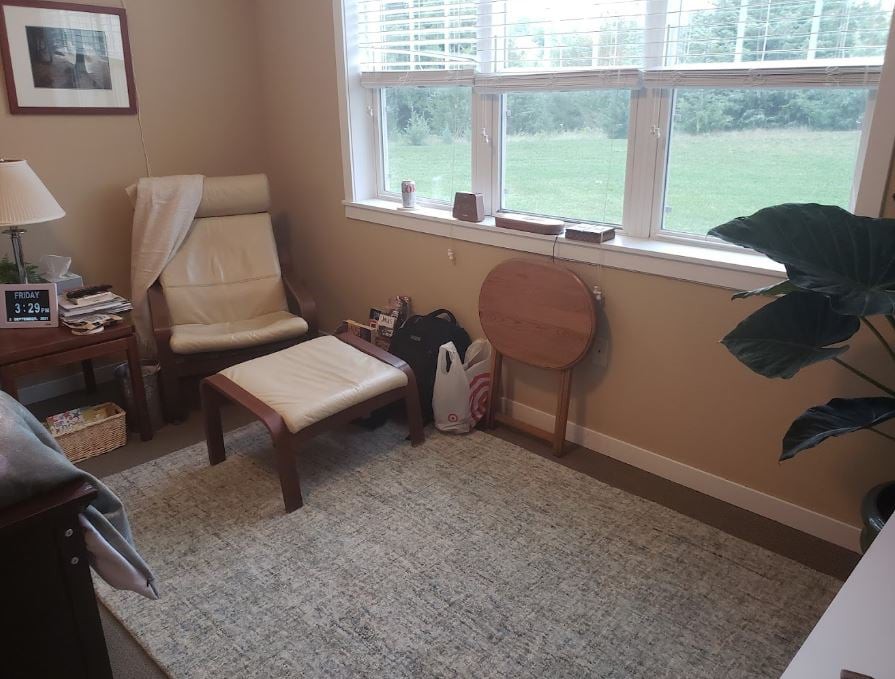
Stoney River Ramsey is best suited for families seeking a warm, socially active assisted-living that leans strongly into memory-care readiness, with a beautiful, well-kept campus and a culture of friendly engagement. The community consistently appeals to residents and families who value a welcoming atmosphere, professional-appearing staff, and a calendar of activities that keeps seniors mentally and socially engaged. For many, the move-in experience and the leadership team’s responsiveness set a tone of reliability, and the inner courtyard and well-appointed common spaces give life to daily routines that feel substantial rather than clinical. In short, it works best for seniors who want a vibrant, home-like setting where care is reinforced by strong programming and a visible investment in the resident experience.
Those weighing alternatives should be mindful of a few red flags that appear in a portion of the feedback. If the priority is flawless, consistently prompt call-light response, this is an area where some families report frustration. Several reviews flag rude or aggressive interactions with at least one staff member, and a few accounts describe a toxic or uneasy environment around staff communication. Other concerns point to turnover and uneven experiences within the memory-care sphere, including questions about how care is tiered and how quickly concerns are escalated. For families anxious about perceived bias or disrespect, the reports of racist remarks in front-of-house areas raise legitimate alarms. In short, anyone who requires near-perfect consistency in staff conduct or a strictly standardized memory-care protocol may want to explore alternatives as part of the decision process.
On the positive side, the standout pros consistently cited are the facility’s beauty, the level of staff professionalism, and the depth of resident-centered programming. The campus atmosphere feels inviting from the first impression, and families repeatedly describe staff as warm, caring, and accessible. Memory-care residents benefit from engaging activities, meaningful outings, and a culture that emphasizes safety and relationships. The food program earns enthusiastic endorsements; several reviews highlight meals that are not only nutritious but genuinely enjoyable, with comments about variety and quality that matter to families watching for appetites and digestion. Leadership, particularly executives who engage with families, receives praise for responsiveness, transparency, and a visible commitment to improving care.
However, the stronger pros must be weighed against a set of substantive cons that do surface with enough regularity to influence a decision. The most concerning issues center on frontline interactions: delayed call-light responses can compromise safety and peace of mind, and a few episodes describe aggressive or unprofessional conduct by individual staff members. Additional drawbacks include inconsistent communication and gaps that stem from staffing turnover, which can translate into mixed experiences for residents and families during transitions or busy periods. The memory-care unit, in particular, is described by some as not clearly tiered or uniformly aligned with expectations, leaving questions about how levels of care adapt to changing needs. Taken together, these factors create a jagged picture: strong moments of care and community life, tempered by pockets of friction and perceived instability.
For families serious about moving a loved one into Stoney River Ramsey, practical due diligence can turn a good fit into a confident one. Start with a focused visit: request to meet the care teams across assisted living and memory care, and observe how staff respond to questions in real time. Ask for recent call-light response data, and request a tour that includes a dining room, activity spaces, and outside areas so as to gauge everyday rhythms. Inspect the dining program with a tasting or menu review, confirm how activities are scheduled across weeks, and talk to current residents or families about communication patterns with leadership. Clarify staffing stability, turnover, and the exact plans if concerns arise, and demand specifics on memory-care structure and progress-tracking.
The bottom line is straightforward. Stoney River Ramsey can be an exceptional home for seniors who prize a vivid, engaging environment, high-quality meals, and a proactive leadership team that will work with families to meet needs, especially for those navigating memory care. Yet for households where consistent call-response, uniformly courteous behavior, and stable, tiered memory-care programs are non-negotiables, careful comparison with alternatives is essential. The community’s strengths are real: a welcoming culture, robust programming, and a beautiful setting. The caveats are real too: experiences with staff interactions and operational consistency can vary. A thorough tour, candid conversations, and pointed follow-up on those risk factors will determine whether this community is the right home or whether another option better aligns with the resident’s needs and the family’s expectations.
 21 resident community capacity
 Assisted Living
 Memory Care
 Beauty salon
 Cable or satellite TV
 Dining room
 Fully furnished
 Garden
 Housekeeping services
 Kitchenette
 Move-in coordination
 Outdoor space
 Telephone
 Wi-Fi/high-speed internet available
 24-hour call system
 Activities of daily living assistance
 Assistance with bathing
 Assistance with dressing
 Assistance with transfers
 Diabetes diet
 Hospice waiver
 Meal preparation and service
 Medication management
 Mental wellness program
 Special dietary restrictions
 Transportation arrangement (medical)
 Transportation to doctors appointments


 Why Do Dementia Patients Sleep So Much? Understanding Oversleeping, Stages, and Care Approaches
 8 Key Indicators That Suggest It May Be Time to Transition from Assisted Living to Skilled Nursing Care
 Nourishing the Mind: Essential Dietary Approaches for Dementia