

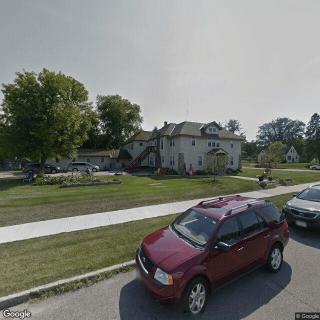
1415 Lake St, Alexandria, MN 56308
To contact a resident: (320) 763-5000
For more information about senior living options: (866) 208-4318
Overall Review of Senator
Pros
 The family is grateful there is such a place in Alexandria.
- Residents enjoy coffee and donuts with friends each morning.
- Residents have opportunities to play card games 2-3 days a week.
- The facility feels safe and reasonably priced.
Review
Senator in Alexandria, MN is best suited for active older adults who want a straightforward, affordable living option anchored by daily social connection. The most compelling evidence from the available account is that neighbors are available for morning coffee and donuts, and that card games occur several days a week, making each day feel social and purposeful. The mom-in-residence story underscores a sense of safety and approachability, two elements that families often equate with peace of mind. When social routine and predictable pricing are the primary criteria, Senator stands out as a practical, no-nonsense choice that prioritizes community ties over flashier amenities.
Those evaluating alternatives should keep in mind who may not be the right fit. If a loved one will require robust medical oversight, memory care, or a broad spectrum of therapies, other communities with dedicated care teams and specialized programs may be more appropriate. For families seeking a campus with extensive transportation to appointments, diverse on-site services, or luxury dining environments, Senator’s modest footprint could feel limiting. In short, this option excels as a neighborhood-style, budget-conscious setting but is not a universal solution for every stage of aging in place.
The core advantages, social vitality, perceived safety, and affordability, form a compelling triple that often drives decisions. Daily social interaction reduces isolation and creates natural support networks, making it easier for families to maintain involvement without constant supervision. A sense of safety, visible in staff presence and a calm environment, helps caregivers relax, knowing their loved ones are in a familiar, low-stress setting. And the price point being described as reasonable matters a great deal to long-term planning, particularly when care needs are evolving and budgets can strain under higher-cost options. Taken together, these benefits can outweigh the absence of higher-end services for seniors who prize companionship and stability.
Yet the trade-offs are real, and the review’s brevity leaves several critical questions unanswered. There is no explicit information about care levels, staffing ratios, medical oversight, meal quality, transportation options, or on-site therapeutic services. Without those specifics, it is difficult to gauge how well the community scales if a senior’s needs progress from companionship-focused living to requiring more hands-on supervision or health monitoring. The potential mismatch between affordability and care depth means families must verify the capabilities and limits of the current model before committing, particularly if future acuity could rise.
A practical path forward centers on direct exploration and clear definitions. Prospective residents should request a comprehensive tour and candid conversations about daily schedules, meals, and incident or emergency response. Inquire about staffing across different shifts, whether nursing or clinical support is readily available, and how quickly medical concerns are addressed. Review sample menus and talk through dietary accommodations and flavor variety, since nutrition matters but may be secondary to social life in the initial assessment. Ask what is included in the base rate and what triggers additional charges, and, crucially, confirm the availability of transportation to appointments or social events. If memory care or higher-acuity needs are a future possibility, compare Senator with nearby facilities that offer explicit memory care programs and stronger clinical capabilities.
Bottom line: Senator represents a disciplined, pragmatic option for families prioritizing daily social interaction, a safe environment, and predictable costs in a modest-sized, community-focused setting. It shines for seniors who want companionship and routine without demanding medical complexity, and it delivers genuine value where those factors matter most. For anyone facing memory care needs, high-level medical oversight, or a broader spectrum of services, alternatives are likely to deliver greater confidence and continuity. With thorough inquiries and a clear picture of current offerings, the decision should tilt toward Senator when social life and affordability define success, and toward other communities when clinical resilience and program breadth must come first.
 Assisted Living
 Activities on-site
 Devotional services off-site
 Indoor common areas
 Ambulatory care
 Diabetic care
 Meals provided


 Understanding the True Cost of Assisted Living in 2025: A Comprehensive Guide
 Understanding Medicaid Coverage for Assisted Living: A Comprehensive Guide
 How and When Medicaid May Cover Assisted Living Costs