
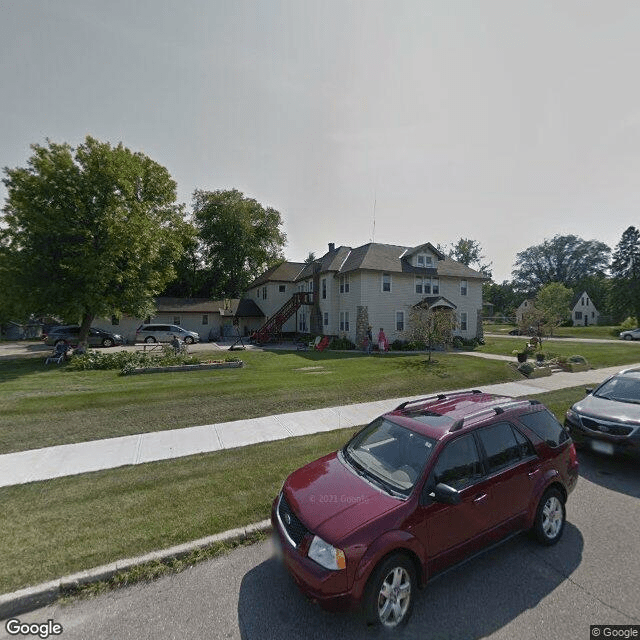
222 9th Ave W, Alexandria, MN 56308
To contact a resident: (320) 763-3912
For more information about senior living options: (866) 208-4318
Overall Review of St Lukes Home
Pros
 The staff were caring and knowledgeable, a pleasure to be at Nelson Care Center.
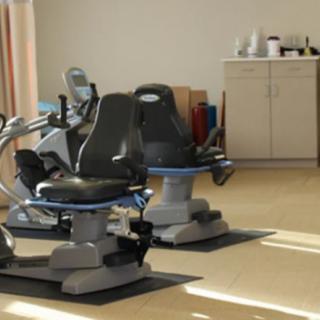
- The occupational and physical therapy were awesome.
- The staff have been wonderful, and the meals are wonderful.
- The staff consistently take great care of residents, and the rooms and dining hall are spacious.
- There is a hair salon and a chapel on site.
- The caregivers truly care about the residents; it’s evident that caregiving is heartfelt work.
- Knute Nelson provides excellent care that helps residents thrive and feel comfortable.
Cons
 He was found in complete disarray two mornings in a row, lying in his own feces after falling or getting out of bed, and he stayed there for 1.5 to 2 hours.
- Ma's first facility stay put her in the hospital for three and a half horrible months.
- The overall experience was described as tough.
- Ma moved in with a large sore on her back.
Review
St Lukes Home in Alexandria, MN is best suited for families that prize a rehab-forward pathway and a caregiver-driven environment where skilled therapy teams, attentive staff, and practical daily life amenities drive real, tangible progress. The reviews consistently underscore strong occupational and physical therapy, with residents returning from falls or hospital stays showing meaningful gains and improved independence. The campus supports everyday living with spacious rooms and a bright dining hall, plus convenient touches like a hair salon and a chapel that help maintain dignity and a sense of normalcy during recovery. For families weighing respite, short-term rehab, or longer-term skilled nursing within a caregiver-oriented setting, St Lukes Home offers a grounded, experience-backed option that keeps loved ones engaged, informed, and emotionally connected to the care team. It is, however, less ideal for those who require near-constant, perfect safety surveillance at every moment.
A clear caveat emerges for families evaluating safety and incident response. One review recounts a resident found in disarray, in distress and unattended for hours, a stark reminder that occasional lapses in monitoring can occur even in otherwise commendable facilities. This is not the prevailing pattern across all the feedback, but it is a real signal that staffing dynamics, rounding frequency, and rapid response protocols matter deeply to families, especially when the resident’s needs are high or when the care plan emphasizes vigilant supervision. Prospective residents should insist on candid conversations about nurse coverage after hours, exact rounding schedules, and how the team tracks and closes safety gaps. In other words, transparency about staffing consistency and escalation pathways becomes a deciding factor for those with heightened safety concerns.
When weighing the pros against the cons, the balance tilts decisively toward the care experience that families report. The most powerful offset is the staff’s demonstrated warmth and competence: caregivers described as caring and knowledgeable, and therapy teams that stay focused on real-world goals rather than theoretical progress. This translates into more reliable rehab momentum, better tolerance for the emotional strain of recovery, and a stronger sense of partnership with families. Meals receive praise as well, contributing to overall recovery and mood, while the housing environment, spacious rooms, an inviting dining area, and accessible amenities like a salon, reduces friction in daily routines and supports sustained participation in therapy and social life. In short, the combination of hands-on rehab, dependable daily care, and a comfortable environment creates a strong framework for recovery and ongoing wellness.
The practical advantages extend into long-term care and respite scenarios as well. Reviewers note that staff focus on keeping residents comfortable, with care teams that know individual preferences and respond promptly to needs. The ability to rotate between rehab, respite, and long-term care without losing continuity of attention matters greatly for families trying to preserve a familiar, predictable routine during transitions. The presence of on-site conveniences, such as a chapel for spiritual or personal reflection and a salon for self-care, can meaningfully improve quality of life and reduce the emotional burden on families who cannot be present for every moment of care. When combined with observed responsiveness in specific situations, like timely adjustments to seating or swift attention to wounds, these elements collectively reinforce confidence in the center’s overall approach.
Nevertheless, the review set signals that families should probe beyond surface strengths to understand operational realities. Ask for concrete data on staffing ratios by shift, caregiver-to-resident counts during peak hours, and the degree of nursing oversight at night. Request recent incident logs and the facility’s corrective-action procedures to gauge whether safety concerns are treated with the urgency and thoroughness expected. Consider arranging a short-term trial stay to observe day-to-day routines, communication with families, and the cadence of rehab progression. These steps transform abstract assurances into live experience, enabling a more grounded forecast of whether St Lukes Home will reliably meet the resident’s safety, medical, and personal-care expectations.
In decision terms, St Lukes Home presents a well-founded option for families prioritizing robust rehabilitation within a warm, engaging environment. The care team’s warmth, the rehab-focused approach, and the quality dining and living spaces provide a credible path to recovery and ongoing well-being. Those whose non-negotiables include flawless safety oversight, uninterrupted minute-to-minute monitoring, or specialized care demands beyond general skilled nursing should view alternatives within the Knute Nelson network or nearby facilities with demonstrably tighter safety protocols. A thorough in-person tour, layered with candid questions about staffing, safety metrics, and transitional care processes, will determine fit. For many families, this center offers a practical, experienced pathway to regain function, reclaim independence, and restore daily life with dignity, a compelling option when matched with a vigilant, clearly understood safety plan.
 Assisted Living
 Activities on-site
 Devotional services off-site
 Indoor common areas
 Ambulatory care
 Diabetic care
 Meals provided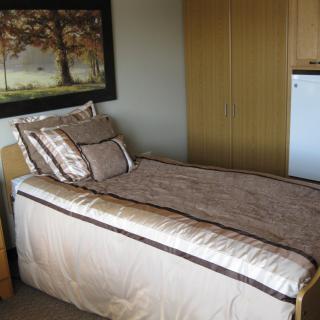




 Assisted Living and Memory Care: Understanding Their Core Differences
 Beyond the Bingo Hall: 50+ Enriching Activities for Seniors in Assisted Living
 Understanding the Distinctions: Assisted Living and Memory Care Explained