



2715 Highway 29 South Ste 103, Alexandria, MN 56308
For more information about senior living options: (866) 208-4318

Overall Review of Knute Nelson Home Care IV
Pros
 The nurse is pleasant, polite, and professional.
- The lady in charge of hospice at the home seems to have a good heart and a level head.
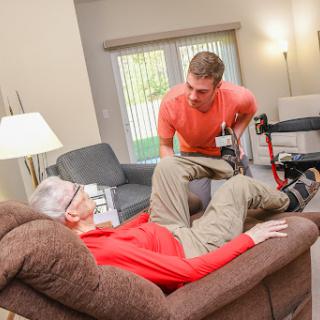
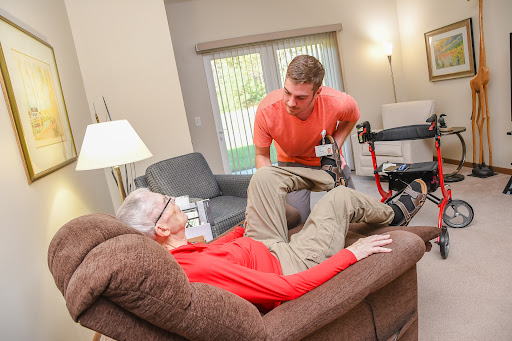
- The patient was very pleased with the care received during rehab after back surgery.
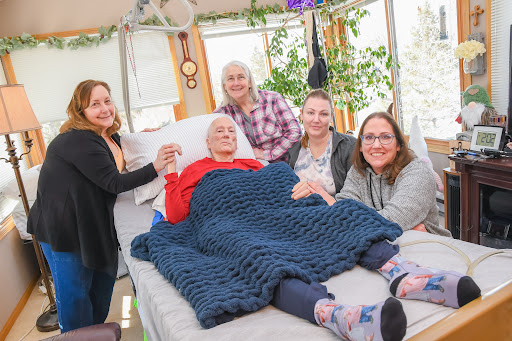
- The staff were caring, supportive, and friendly.
- The people there are amazing, thoughtful, and competent.
- Everyone is wonderful.
Review
Knute Nelson Home Care IV is best suited for seniors and adults in the Alexandria area who want high-quality, compassionate care delivered in their own home as they recover from surgery, manage chronic conditions, or navigate hospice support. This team excels when the priority is excellent clinical touch combined with emotional warmth, with services centered on rehab, daily assistance, and coordinated care that keeps family members in the loop. Families that value a calm, familiar environment over hospital routines will find the home setting here a strong match for maintaining independence while receiving attentive, professional support.
Those who may want to consider alternatives include anyone who requires around-the-clock, highly intensive medical supervision or a more structured, 24/7 facility atmosphere. If the plan calls for constant constant monitoring in a setting with comprehensive on-site resources at every hour, an inpatient option or a different agency with guaranteed full-time coverage could be a better fit. Likewise, for families seeking a broader social program or more expansive day-to-day activity calendar beyond in-home visits, a traditional senior residence or dedicated adult day services may be preferable. Budget considerations and insurance coverage also deserve careful comparison before committing to in-home care.
The strongest advantages here are the staff, who come across as pleasant, polite, and consummately professional. In rehab cases, such as recovery after back surgery, patients report caring, supportive, and consistently friendly teams that make a tangible difference in motivation and progress. The care culture is relentlessly patient-centered, with caregivers who are described as thoughtful, loving, and competent. That blend of technical skill and genuine empathy translates into stronger adherence to rehabilitation plans, less anxiety for patients, and clearer, more reassuring communication for families.
Leadership and relational trust emerge as another standout strength. The hospice leadership is perceived as capable and compassionate, described as having both a good heart and sound judgment. Across reviews, staff feel like trusted partners who become more than caregivers, almost like dependable members of a close-knit support network. This level of relational continuity matters deeply for families navigating tough treatment decisions, because it reduces the sense of disruption and builds confidence that care will stay aligned with goals.
From a practical standpoint, the main potential gaps inherent to at-home care, such as variable staffing patterns or the absence of a dense on-site resource hub, are substantially offset by the proven quality of the caregiving team. The repetition of positive sentiments about staff familiarity with clients, reliability, and generosity suggests a stable workforce and predictable schedules, which are critical for sustained rehab momentum and comfort during hospice. For families, these factors translate into fewer surprises, smoother shift handoffs, and a clearer roadmap for care milestones, all delivered with a reassuring personal touch.
In the end, this option represents a practical, well-qualified pathway for those prioritizing dignified, home-centered care with exceptional people at its core. It is especially compelling for individuals coming out of hospital rehab or needing ongoing hospice or home health support where the emphasis is on compassionate contact, steady clinical oversight, and a respectful, intimate care environment. To move forward, prospective families should request a face-to-face meeting with the care team, review the individualized plan of care, and confirm visit frequencies, on-call coverage, and the integration of therapy goals. This approach will reveal a clear, confident alignment between needs and the strengths this team consistently delivers.
 21 resident community capacity
 Assisted Living
 Beauty salon
 Cable or satellite TV
 Dining room
 Fully furnished
 Garden
 Housekeeping services
 Kitchenette
 Move-in coordination
 Outdoor space
 Telephone
 Wi-Fi/high-speed internet available
 24-hour call system
 Activities of daily living assistance
 Assistance with bathing
 Assistance with dressing
 Assistance with transfers
 Diabetes diet
 Meal preparation and service
 Medication management
 Mental wellness program
 Special dietary restrictions
 Transportation arrangement (medical)
 Transportation to doctors appointments


 Exploring the Path to Senior Living: A Comprehensive Look at Independent Living and Assisted Living
 Is Assisted Living Deductible on Your Taxes? Understanding the Complexities of Assisted Living Expenses and Deductions
 Assisted Living Support for Veterans: A Complete and Detailed Overview