
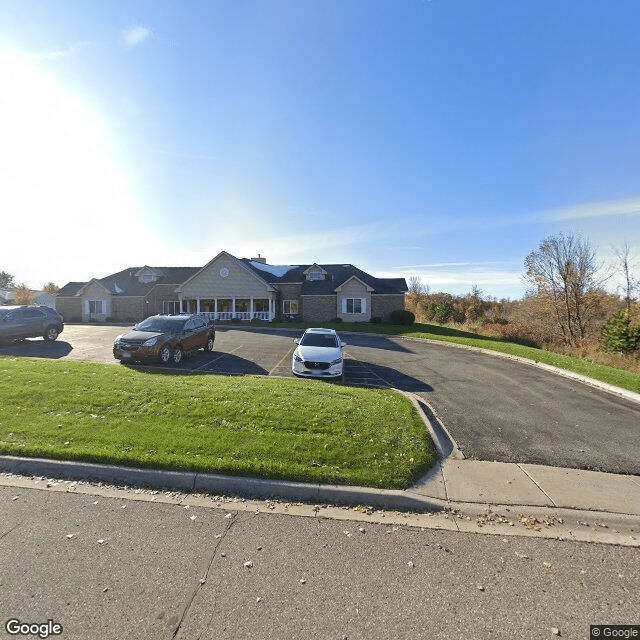
1902 7th Ave E, Alexandria, MN 56308
To contact a resident: (320) 759-2121
For more information about senior living options: (866) 208-4318
Edgewood Vista-Alexandria Costs & Pricing
Edgewood Vista-Alexandria offers competitive pricing for its residents, with monthly costs that reflect both the quality of care and the local market. For a studio apartment, the cost is set at $3,075, which aligns perfectly with the average price in Pope County but is notably lower than the Minnesota state average of $3,617. The one-bedroom option is priced at $3,675, slightly higher than the county's average of $3,406 but significantly above the state's average of $2,893. For those considering semi-private accommodations, Edgewood Vista stands at $3,950 per month, which is more affordable compared to Pope County's average of $4,285 and closely aligns with Minnesota's statewide cost of $4,051. This pricing structure positions Edgewood Vista-Alexandria as an appealing choice for seniors seeking care within a balanced budget while still enjoying a premium living experience.
| Floor plans | Edgewood Vista-Alexandria | Pope County | Minnesota |
|---|---|---|---|
| Studio | $3,075 | $3,075 | $3,617 |
| 1 Bedroom | $3,675 | $3,406 | $2,893 |
| Semi-Private | $3,950 | $4,285 | $4,051 |
Memory care communities with a similar price nearby
-
from -$605 / mo

Fairway Pines Senior Living
$2,470 to $3,420 / month21.3 miles away
Overall Review of Edgewood Vista-Alexandria
Pros
 Edgewood Vista is described as clean and well kept, with a friendly and family-like atmosphere.
- The director and staff are wonderful and easy to work with.
- The nursing staff is very good and attentive.
- Residents enjoy a variety of daily activities and events, including singalongs, light exercise, bingo, and field trips.
- The accommodations are comfortable, with nice rooms and a pleasant courtyard.
- Open houses reveal nice people, appealing spaces, and tasty food that contribute to a welcoming community.
- Alternative Senior Care notes compassion and responsiveness from Edgewood Vista.
Cons
 Edgewood was cruel, unprofessional, and dishonest.
- The experience with Edgewood was traumatizing.
- Edgewood offered no explanation, no apology, and left families scrambling at the worst possible time.
- The director avoided the family and told them the parents would not be moving in.
- Edgewood did not do a very good job cleaning the room.
- There were feces on the shower chair, candy wrappers on the floor, used towels lying around, and no garbage cans.
- The food was bland.
- It was hard to contact the facility; communication was inconsistent.
- Furniture deliveries were turned away because Edgewood was not accepting furniture.
- The trash is not taken out as much as it should be.
- The reviewer would not recommend this community to others.
Review
Edgewood Vista-Alexandria is best suited for families seeking a memory-care oriented environment with a lively, program-rich culture, solid nursing oversight, and a secure, well-maintained campus. The community tends to attract residents who benefit from a structured day with regular activities, transportation to outings, and social opportunities that create a sense of family and belonging. It is a place where daily programming, bingo, light fitness, sing-alongs, and community events, often translates into meaningful engagement for residents who thrive on routine and interaction. For families prioritizing a calm, low-stimulation setting or absolute consistency in every administrative detail, alternatives may be a better fit.
The strongest pros center on caregiving competence and engagement. Nursing staff are frequently praised for reliability, and the overall care team is described as responsive and supportive for residents with memory challenges. The calendar is robust: daily activities, church services or mass, and regular field trips help residents stay connected and engaged, while the campus infrastructure provides security and oversight that eases family concerns about wandering or safety. The facility’s cleanliness and landscaping contribute to a welcoming, home-like atmosphere, and the courtyard and common areas support comfortable family visits. Home-care partners repeatedly affirm compassion and responsiveness, reinforcing confidence that care will be coordinated effectively with external providers.
Nonetheless, notable cons cannot be dismissed. The most serious red flag is inconsistency in administrative communication and move-in logistics, including deposits and furniture coordination, which in some cases left families scrambling and dismayed. Several reviews describe abrupt or unclear interactions with management, particularly during the critical transition period, which can undermine trust just when support is most needed. On the care floor, housekeeping lapses, such as occasional messes in rooms or delays in basic cleanups, emerge as drawbacks that matter to families paying a premium for comfort and hygiene. In addition, some residents report mixed experiences with food quality and routine personal-care tasks, and a few calls or messages don’t get returned promptly, contributing to a sense of uneven reliability.
Despite these drawbacks, the pros tend to offset the cons for families who prioritize care quality, safety, and daily vitality. The nursing staff’s steadiness and the secure environment directly address essential dementia-care needs, while the active program calendar helps residents stay engaged and connected to peers. The accessible amenities, transportation, and community activities reduce caregiver planning burden and create opportunities for meaningful family involvement. For many, the combination of compassionate care, a pleasant physical setting, and a strong network with external care providers creates a compelling package, even as administrative friction and housekeeping gaps require ongoing attention.
Families who should consider alternatives are those for whom administrative consistency and impeccable move-in logistics are non-negotiable. If the certainty of communication, clarity on deposits, and a flawlessly coordinated transition top the list, exploring other communities with clearer leadership structures and documented processes is prudent. Similarly, if housekeeping standards and prompt, reliable service calls are paramount, it may be worth examining options with a more uniform housekeeping protocol or higher service levels tied to billing. In contrast, families prioritizing engaged programming, a secure environment, and a warm, neighborly atmosphere may find Edgewood Vista-Alexandria a strong match, provided there is a plan to monitor and address administrative and housekeeping concerns proactively.
Practical next steps should focus on due diligence and clear expectations. Arrange a focused tour that asks to meet the memory-care director and frontline supervisors, and request a written, step-by-step move-in plan with assigned contacts and escalation points. Review a sample housekeeping schedule and ask how often rooms are cleaned, trash is removed, and linens changed, as well as how quality issues are tracked and resolved. Compare the weekly activity calendar, staffing ratios across shifts, and the availability of transportation for medical appointments and outings. Speak with current families about their experiences with move-in timing, billing clarity, and ongoing communication. Edgewood Vista-Alexandria delivers solid caregiving, attentive nursing, and a secure, social setting; the decision rests on whether administrative reliability and housekeeping consistency can be secured to match the care quality residents will receive.
 Assisted Living
 Memory Care
 Activities on-site
 Devotional services off-site
 Indoor common areas
 Respite or short term stays offered
 Ambulatory care
 Diabetic care
 Incontinence care
 Medication management
 Meals provided
 BBQs or picnics
 Bible study group
 Book club
 Bridge club
 Cooking club
 Current events club
 Happy hour
 Live dance or theater performances
 Live musical performances
 Walking club


 Estimating the Expenses of At-Home Dementia Care: A Detailed Exploration
 Comprehensive Insights on the Late Stages of Dementia: What to Expect and How to Provide Care
 Medications Associated with Dementia Risk: A Comprehensive Overview