
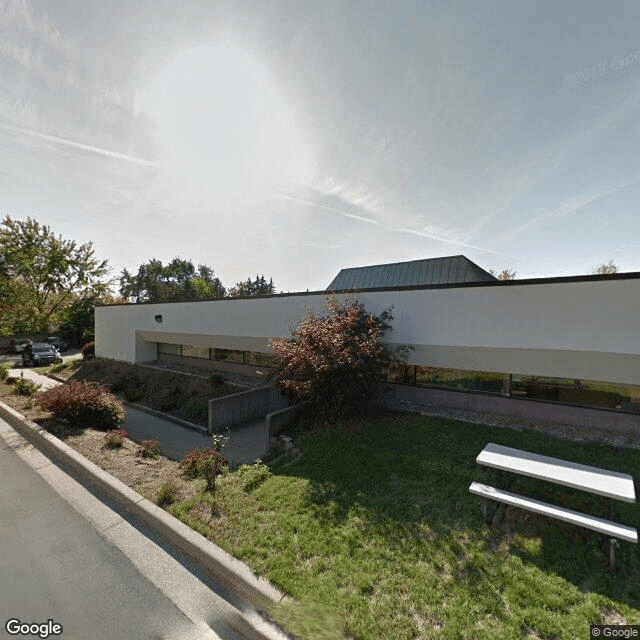
2660 44 St SW Ste 300, Wyoming, MI 49519
To contact a resident: (616) 538-2553
For more information about senior living options: (866) 208-4318
Overall Review of Care One Home Care
Pros
 The family loves the care their mom is receiving from Care One.
- Care One’s consistent and positive approach toward their mother is appreciated.
- Lettie the PT is amazing and highly regarded by the patients.
- Nurse Laurie is kind, caring, and attentive to the patients.
- Kathy the nurse provides quick and thorough treatment for developing bed sores.
- Beverly P.T. provides weekly ambulatory interventions that have greatly helped in the mother’s care.
- Carol, the occupational therapist, delivers skilled and detailed patient advocacy with the assisted living staff regarding regular toileting.
- Care One is described as the voice for families that assisted living staff listen to.
Review
Care One Home Care in Wyoming, MI is best suited for families that want a tightly coordinated, clinician-led care partnership for a loved one who needs memory-care support or post-acute assistance. The community shines when a resident benefits from regular nurse oversight and hands-on therapy input, with a team that actively tracks wounds, mobility, and toileting routines. This is not a distant, hands-off arrangement; it operates with field-facing involvement where therapists and nurses frequently visit, assess, and adjust plans. For families prioritizing proactive, clinician-driven care and clear lines of accountability, this setting offers measurable reassurance.
Those who may want to consider alternatives include families seeking a larger campus with broad social programming, a higher resident-to-staff ratio across multiple shifts, or a more standardized, multi-site system. If the preference is for less owner-driven involvement or a more centralized administrative structure, a different operator might better align with expectations. Likewise, families prioritizing a wider array of day-to-day activities, events, and a broader community dynamic may want to compare options beyond the therapy-focused model demonstrated here.
The strongest selling points center on a proactive care team and rapid problem resolution. The reviews repeatedly cite prompt nurse visits and specialized therapy input, Kathy the nurse responding quickly to bed sores, Beverly from physical therapy delivering weekly ambulatory work, and Carol the occupational therapist advocating for regular toileting routines. The owner-identified OT presence in the field signals a hands-on approach to care planning and staff coaching. When families need decisive advocacy and a clear line of communication, these elements translate into reduced caregiver burden and greater confidence that care plans stay aligned with the loved one’s needs.
In addition, there is high praise for the therapy and nursing staff, with Lettie the physical therapist described as amazing and Nurse Laurie characterized as kind and attentive. Such feedback points to a culture of teamwork where therapists and nurses actively collaborate with the assisted living staff to implement the care plan. A memory-unit environment appears to be a focal point, with attention to scheduled routines and individualized attention that supports cognitive and functional goals. The practical benefit is a predictable, coordinated schedule that minimizes gaps in care and supports ongoing progress.
Yet the model carries potential trade-offs that families should weigh. The favorable reports center on a relatively small, high-engagement team, which raises questions about continuity if key staff turnover occurs or if demand scales beyond what a tight-knit group can sustain. The visible reliance on specific individuals, especially the OT with ownership ties, suggests a risk that care continuity could hinge on a few entrenched leaders. Prospective families should probe how care decisions are documented, shared with families, and maintained during staffing transitions, ensuring a consistent approach regardless of personnel changes.
For families navigating the decision, the practical takeaway is clear. If the priority is a highly responsive partner with hands-on clinicians, fierce advocacy, and a proven track record of addressing wounds, toileting schedules, and mobility through regular therapy, Care One Home Care is a strong match. Plan a visit to meet the nurse team, the PTs, and the OT, particularly the ones already highlighted in reviews, and observe how they coordinate with the memory-care unit staff. Confirm the cadence of interventions, escalation channels, and how care plans are updated and communicated. If a larger, more diversified community with broader social programming or multi-site scalability is essential, that may justify exploring Alternatives; otherwise, lean into the clear strengths of a care-forward model that prioritizes active engagement, accountability, and a direct line to zippy, family-centered problem solving.
 Kent County International (11 miles away)



 Understanding Home Health Care: A Comprehensive Guide
 Home Health Care Demystified: A Comprehensive Guide for Families and Caregivers
 Seniors and Modern Transportation: Exploring Uber, Lyft, and Other Ride-Hailing Options