
22293 Sibley Road, Brownstown Township, MI 48192
For more information about senior living options: (866) 208-4318
Mary Rose Residence Costs & Pricing
Mary Rose Residence offers competitive pricing for its accommodations compared to both Wayne County and the broader Michigan state averages. For instance, a studio at Mary Rose is priced at $2,245, significantly lower than the county's average of $3,495 and the state's average of $3,824. Similarly, the one-bedroom units at Mary Rose are available for $2,540, whereas Wayne County residents can expect to pay around $3,210 on average and Michigan's rate stands at $3,384. Even for two-bedroom options, Mary Rose's cost of $3,175 remains more affordable than the county's average of $3,452 and the state's price of $3,523. This pricing structure highlights Mary Rose Residence as a cost-effective choice without compromising on quality or care.
| Floor plans | Mary Rose Residence | Wayne County | Michigan |
|---|---|---|---|
| Studio | $2,245 | $3,495 | $3,824 |
| 1 Bedroom | $2,540 | $3,210 | $3,384 |
| 2 Bedrooms | $3,175 | $3,452 | $3,523 |
Assisted Living communities with a similar price nearby
-
About the same

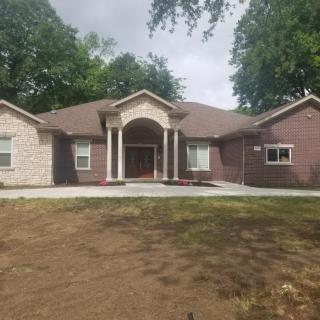
Simply Beautiful Adult Foster Care Homes
$2,195 to $4,100 / month20.5 miles away -
About the same
Pleasant Valley Family Care
$2,275 to $7,000 / month23.0 miles away -
from -$350 / mo
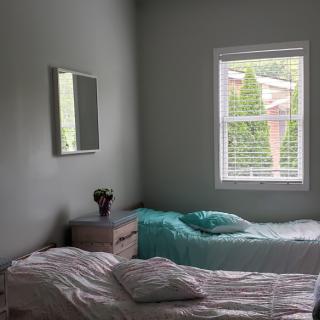
D & P Special Needs Center
$1,895 to $4,195 / month20.2 miles away -
from +$215 / mo
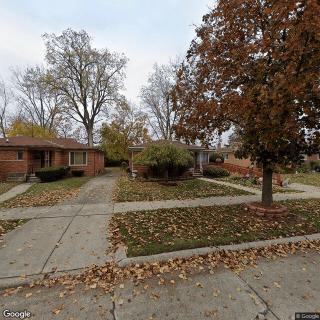
Unlimited Care
$2,460 to $2,500 / month19.8 miles away -
from +$230 / mo
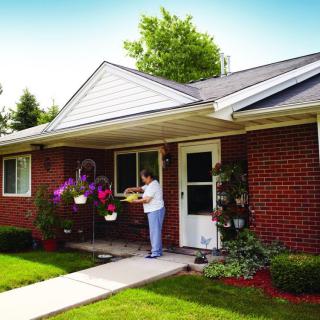
Dearborn Heights
$2,475 to $2,675 / month13.2 miles away
Overall Review of Mary Rose Residence
Pros
 The care she receives is highly praised.
- She seems very content, and the staff are great.
- Chantel and the staff are the best the reviewer has ever met.
- The staff are very kind and very helpful.
- She seems clean and well cared for.
Cons
 The place is terrible.
- The two caregivers spent the whole 3 hours on their cell phones and never checked on any of the nine residents.
- Wires were running across the floor in the rooms.
- They weren’t making sure residents had ample amounts of water or any fluids.
- The place is a dump with deplorable conditions.
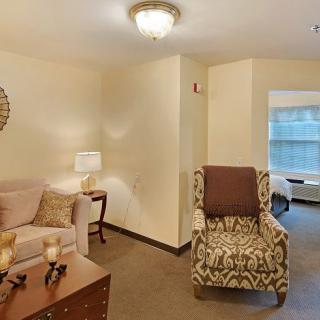
- The rooms aren’t particularly beautiful.
Review
Mary Rose Residence in Brownstown Township is best suited for families that prize steady, hands-on caregiving and a homey, no-frills atmosphere over polish and upscale amenities. This community works well for seniors who need regular supervision, help with daily tasks, and consistent warmth from staff, with meals that feel like home. It is a sensible fit for households prioritizing reliable daily presence and clean, well-cared-for residents more than immersive activity schedules or luxurious surroundings. Those seeking a campus atmosphere with abundant programming, frequent outings, or a facility built around high-end aesthetics should look elsewhere.
On the positive side, the strongest selling point is the care team. Families consistently describe staff as kind, patient, and highly attentive, with residents being “looked after constantly.” One parent specifically highlights Chantel and the team as among the best she has encountered, which signals genuine dedication and relational care. Meals are noted as home-cooked, and residents are described as well cared for, clean, and dry during visits. Even when the decor and rooms are described as modest, the assurance that a loved one is receiving dependable daily support carries significant weight for families weighing safety, supervision, and emotional well-being.
However, the reviews do present a sharp counterpoint. A single, strongly negative account describes caregivers absorbed by their phones, with little monitored interaction among nine residents, plus hazards like wires across the floor, insufficient hydration, and a total lack of activities. That perspective underscores a real risk: inconsistency in shift coverage and engagement can create risky gaps in care. It also highlights a potential discrepancy between days or shifts in how residents are treated. For a prospective family, this signals the need for due diligence, namely, witnessing care in real time, meeting multiple caregivers, and verifying ongoing hydration practices and activity availability.
The key pros, dedicated staffing, reliable daily oversight, and home-style meals, can offset many concerns if the facility sustains its strengths across shifts. When caregivers are consistently responsive and residents appear clean and well-supervised, the environment feels safer and emotionally reassuring for families. The room condition being “OK” rather than fancy becomes a secondary consideration when the core promise of daily safety and companionship is being met. The challenge is ensuring that the positive experiences aren’t isolated to certain staff or particular days. Families should look for stable staffing patterns, clear communication about care plans, and observable engagement with residents during daytime hours.
Given the mixed picture, some families will want alternatives. If a senior requires more structured social programming, frequent organized activities, or a higher level of medical oversight than what is typically available here, other communities with stronger activity calendars and on-site clinical support should be considered. For those who prioritize a modern, polished appearance and advanced safety features, a different facility may deliver greater peace of mind. Individuals or families anxious about staff attentiveness across all shifts, or about possible hazards in common spaces, should compare options with tours that include time on different floors and times of day.
Practical next steps are clear. Schedule an in-person tour with a focus on shift changes and staffing levels, request to observe care delivery during a routine period, and review the activity calendar and meal menus. Inspect for safety issues, wires, clutter, accessibility, while asking how hydration and weight/health monitoring are managed day to day. Inquire about staffing ratios, training, and the process for updating care plans; request references from current families and ask to speak with a few frontline caregivers. Finally, clarify the financial terms, what is included, and any variability in monthly costs. Mary Rose Residence offers strong caregiving potential for the right family, but only with confirmation that the level of staff engagement and daily safety match the hoped-for standard every day, not just on favorable days.
 12 resident community capacity
 1-bedroom apartments
 Assisted Living
 Cable or satellite TV
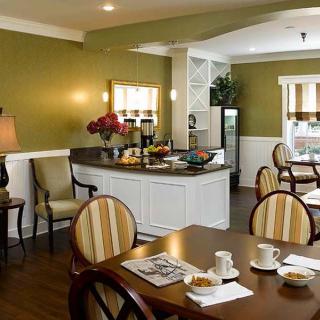
 Dining room
 Fully furnished
 Garden
 Housekeeping services
 Move-in coordination
 Outdoor space
 Telephone
 Wi-Fi/high-speed internet available
 Detroit Metropolitan-Wayne County (6 miles away)
 24-hour supervision
 Activities of daily living assistance
 Assistance with bathing
 Assistance with dressing
 Assistance with transfers
 Diabetes diet
 Meal preparation and service
 Medication management
 Special dietary restrictions
 Transportation arrangement (medical)
 Transportation to doctors appointments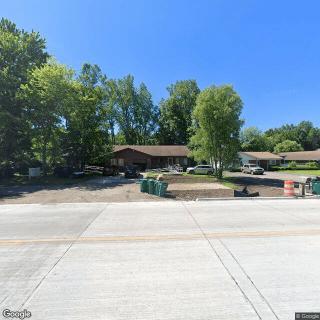

 When to Transition from Assisted Living to Memory Care: Key Indicators, Steps, and Finding the Right Community
 Assisted Living and Memory Care: Understanding Their Core Differences
 Beyond the Bingo Hall: 50+ Enriching Activities for Seniors in Assisted Living