
23206 Sibley, Brownstown, MI 48183
For more information about senior living options: (866) 208-4318
Overall Review of American Heritage Adult Foster Care
Pros
 The home is the absolute best place anywhere.
- The loved one is showered daily.
- Three homemade meals are provided daily.
- Residents are loved 24/7.
- He loves them and they love him.
- They are kind and informative.
- They have the most loving team.
- The home treats residents with dignity and the ultimate care.
- It is the best place for someone you love.
- Meals are prepared fresh every day.
- Staff are available 24/7.
- Linda takes amazing care of the residents and treats them as if they are her own family.
- Linda is a Registered Nurse and knows her stuff.
- She goes above and beyond for the families under her care.
- The facility is small, giving families a lot of one-on-one attention.
- Linda and her team provide the best care to all residents.
- Residents receive the best care at this home.
- They are highly recommended.
Cons
 There are reports of bed bug infestation at the facility.
- Staffing has been hard to come by since Covid, indicating ongoing shortages.
- The facility cannot retain staff due to the bed bug issues.
Review
American Heritage Adult Foster Care in Brownstown, Michigan is best suited for families seeking an intimate, home-like setting where a loved one can receive high-touch, continuous care in a small group. Capacity is limited to six residents, which guarantees a level of attention that larger campuses simply cannot match. Residents enjoy around-the-clock staffing, fresh daily meals, and consistent daily routines, including regular personal care such as showers. The program places a strong emphasis on dementia care delivered with dignity and patience, a priority reflected in the way staff interact with residents. Leadership is hands-on, with Linda, the on-site Registered Nurse, guiding a cohesive, clearly devoted team. The operation’s longevity, more than two decades, adds a layer of stability that families value when planning long-term care.
Who may want to consider alternatives becomes clear quickly. If a family prioritizes a larger campus with broader clinical programs, more formalized therapy options, or more extensive social programming, this setting may feel too small and tightly scoped. The inherent tightness of six beds means less redundancy should a caregiver be unavailable, which can translate into occasional delays or adjustments in routine. A troubling report about bed bugs merits serious due diligence; while one review cites this issue, it should be verified directly through current pest-control records and inspections. In addition, broader staffing pressures described in recent years can surface as gaps in coverage; for families seeking a highly resourced, systems-driven environment, a bigger facility may be preferable.
The core strengths, however, do a strong job of offsetting the principal drawbacks. The small size translates into meaningful one-on-one attention, with families noting the perception of residents being truly watched and engaged. Around-the-clock staffing ensures supervision and timely assistance with meals and daily tasks, reducing the risk of isolation or neglect. The meals, three homemade offerings each day, contribute to daily satisfaction and overall well-being, a practical benefit when nutrition and routine are pivotal. Having a nurse on site who leads the team and tailors care plans adds clinical confidence, particularly for memory-care needs where consistency and a familiar care approach carry real value. The historical stability of the home further supports dependable routines and predictable expectations for families.
Where the cons land, the realistic response is to verify and plan. The bed bug claim, even if coming from a single report, cannot be dismissed; it signals the need to review current pest-control practices and maintenance logs before move-in. Staffing stability, while mitigated by Linda’s leadership and the tight-knit team, remains a vulnerability inherent in very small operations; prospective families should inquire about current staff-to-resident ratios, how shifts are covered during absences, and the method for communicating scheduling changes. Direct conversations with current residents’ families can illuminate how frequently care plans are updated, how quickly concerns are addressed, and whether any gaps are promptly filled. This due diligence turns uncertainty into measurable assurance.
Decision criteria crystallize around fit. For memory-related care, this home’s approach, home-like surroundings, routine fidelity, and direct nursing leadership, offers a compelling value proposition. It’s an ideal match for a resident who thrives on predictable days, close interpersonal connections, and a sense of family, rather than a campus with sprawling programming. Conversely, residents requiring extensive medical interventions, high-intensity therapies, or a robust, activity-rich schedule across multiple departments may find alternatives more suitable. Costs may be competitive given the intimate setting, but the value hinges on whether the resident responds positively to warmth, familiarity, and highly personalized attention rather than breadth of programs.
Bottom line: American Heritage Adult Foster Care delivers a practical, high-touch option for families prioritizing intimate, dementia-aware care in a home-like environment. It provides reliable daily meals, consistent personal care, and around-the-clock supervision led by an experienced RN, all within a six-resident home that feels like family more than a facility. The principal caveat is the inherent risk that accompanies small operations: potential staffing gaps and the need to confirm pest-control history and ongoing maintenance practices. For residents who flourish on steady routines, close personal connections, and readily scaled attention from a dedicated team, this community stands up well as a trusted choice. For those whose needs exceed the scope of a tiny home setting, or who demand broader clinical resources and program diversity, exploring alternatives remains a prudent step.
 6 resident community capacity
 Assisted Living
 Cable or satellite TV
 Dining room
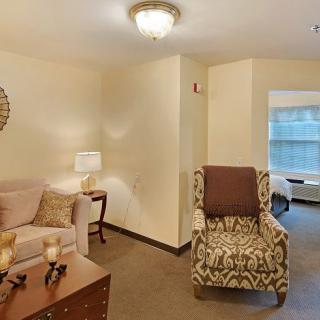
 Fully furnished
 Garden
 Housekeeping services
 Move-in coordination
 Outdoor space
 Telephone
 Wi-Fi/high-speed internet available
 Detroit Metropolitan-Wayne County (6 miles away)
 24-hour supervision
 Activities of daily living assistance
 Assistance with bathing
 Assistance with dressing
 Assistance with transfers
 Diabetes diet
 Meal preparation and service
 Medication management
 Special dietary restrictions
 Transportation arrangement (medical)
 Transportation to doctors appointments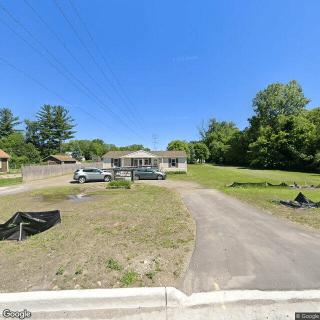



 Exploring the Path to Senior Living: A Comprehensive Look at Independent Living and Assisted Living
 Is Assisted Living Deductible on Your Taxes? Understanding the Complexities of Assisted Living Expenses and Deductions
 Assisted Living Support for Veterans: A Complete and Detailed Overview