
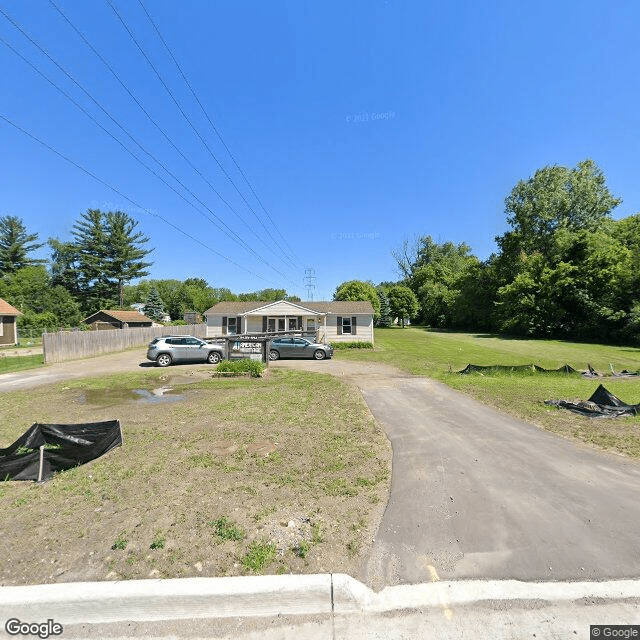
23206 Sibley Rd, Wyandotte, MI 48183
To contact a resident: (734) 284-4965
For more information about senior living options: (866) 208-4318
Overall Review of American Heritage Adult Foster
Pros
 The home is described as the absolute best place anywhere.
- Loved ones are showered daily and fed three homemade meals a day.
- The staff are kind, informative, and part of the most loving team.
- The home treats residents with dignity and delivers ultimate care.
- Linda provides amazing care and treats residents as if they are her own family.
- Linda is a Registered Nurse who knows her stuff and goes above and beyond for the families under her care.
- The group home has been around for over 20 years and offers substantial one-on-one attention due to its small size.
Cons
 The place is infested with bed bugs.
- The facility can't retain staff due to bed bugs.
- Staffing is hard to come by since Covid.
Review
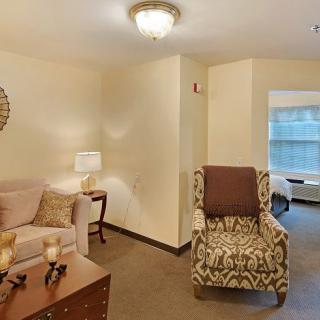
American Heritage Adult Foster in Wyandotte, MI is best suited for families seeking an intimate, home-like setting where a small caregiving team can deliver steady, personalized attention. It works best for residents who thrive on frequent, warm interaction with caregivers, daily homemade meals, and a steady, affectionate approach, especially someone facing Alzheimer’s or memory challenges who benefits from familiar routines and a family-like atmosphere. The model centers on a small footprint, typically capped at six residents, allowing hands-on care and a supervisor with deep local ties. In short, this community is a strong fit for those who value dignity, personal connection, and a warm, responsive caregiver presence over clinical scale.
The strongest draws are unmistakable: care that feels ongoing and personal, with caregivers present around the clock and meals prepared fresh every day. Families repeatedly highlight a caring environment where residents are treated as beloved family members, not numbers, and where the care team goes above and beyond to accommodate individual needs. The owner, Linda, is described as a Registered Nurse who genuinely knows the residents and can respond to medical concerns with competence and immediacy. For families seeking a small, emotionally supportive home where a resident can be known by name and watched over closely, these factors carry substantial weight and can offset the sense of being in a larger, impersonal facility.
Yet there are clear cautions that families must weigh. One review explicitly raises a severe safety concern, a bed bug infestation, cast alongside notes about staffing challenges and turnover. Another comment points to difficulties in recruiting and retaining staff in the wake of broader industry tensions. While other accounts praise the personal touch and continuity of care, these dissenting signals cannot be dismissed, especially for residents with higher medical complexity or those requiring consistently robust nursing coverage. The “group home” format, while intimate, inherently carries a different resource footprint than larger assisted living campuses, and that can matter if medical needs escalate or if urgent clinical oversight is required.
The key pros offset some of these risks when the decision centers on the right resident profile. The small size allows truly individualized attention; frequent, direct interaction with caregivers translates into rapid response times and a sense of security for families. The fresh meals and the 24/7 presence of staff create a rhythm that supports nutrition, mood, and overall well-being, which is especially valuable for memory care or early-stage dementia. Linda’s nursing background adds credibility to daily care decisions and medication oversight, a comfort for families who want consistent, informed hands on the ground. For residents who prioritize warmth, continuity, and a home environment where staff know their preferences, these upsides can far outweigh the downsides.
However, the cons remain material. The reported bed bug issue, if accurate in current operation, cannot be treated lightly and should prompt thorough verification during any site visit, including current inspection records and immediate remediation history. Staffing instability or limited staffing channels can affect consistency of care, particularly if a medical complication arises after hours. The six-resident cap, while offering intimacy, also limits availability of specialized programs or the flexibility to absorb sudden changes in a resident’s care plan. For families seeking robust clinical programming, aggressive rehabilitation services, or expansive activity calendars, alternatives with larger staff and more comprehensive medical ecosystems will likely deliver better alignment.
For families seriously considering American Heritage, a practical due diligence checklist is essential. Arrange an in-person tour and observe the daily flow, cleanliness, and how staff interact with residents. Request current staffing ratios, schedules, and how emergencies are handled after hours. Ask for recent state inspection reports and any corrective actions related to the bed bug concern, if applicable, and obtain a reference lot of current families to gauge ongoing satisfaction. Probe how the home would respond if a resident’s care needs escalate beyond the “six residents” model. If the answers align with a warm, closely monitored, home-like environment and the concerns can be satisfactorily mitigated, this community can be a compelling, well-suited match. If not, alternatives with broader clinical resources and more formal infection-control histories may be a wiser path.
 Board and Care Home
 Detroit Metropolitan-Wayne County (6 miles away)


 Effective Strategies for Keeping Seniors' Minds Active: A Deep Dive into Brain Games and Apps
 In-Depth Look at the VA Aid and Attendance Program
 Nurturing Our Loved Ones: A Daughter's Journey in Caring for Her Mother