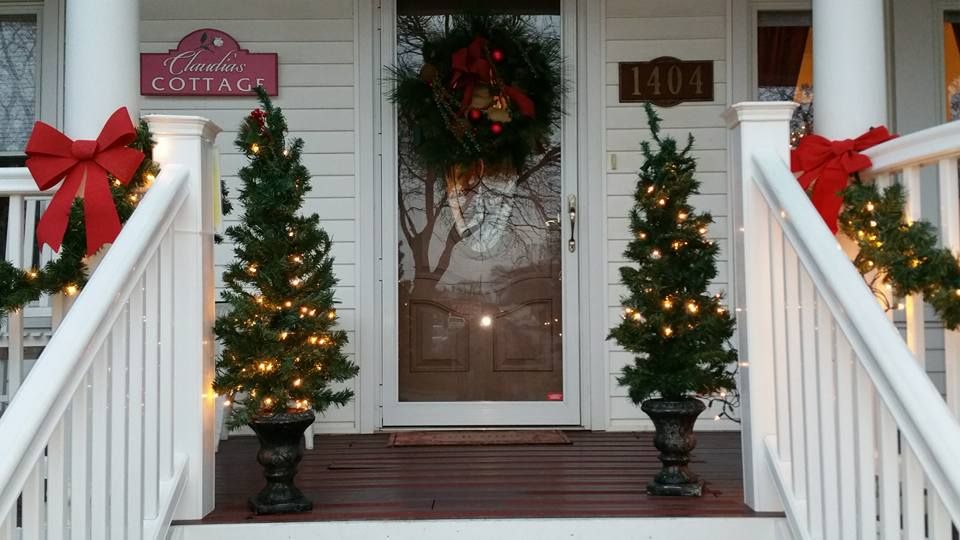
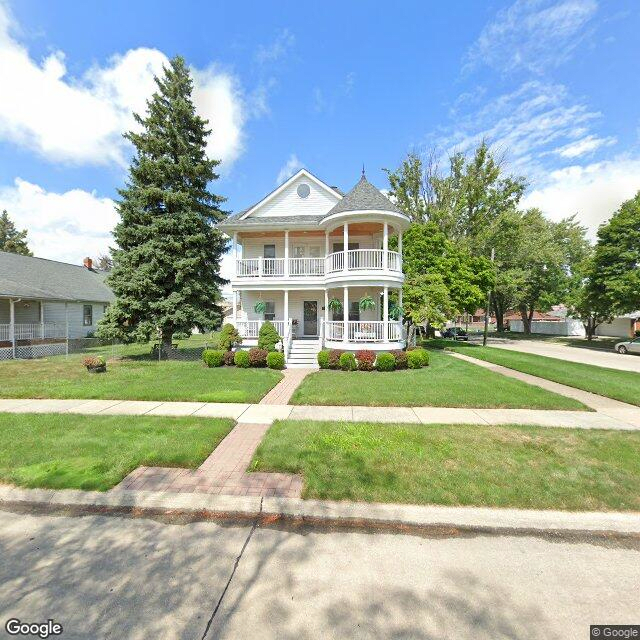
1404 Chestnut Street, Wyandotte, MI 48192
For more information about senior living options: (866) 208-4318
Overall Review of Claudia's Cottage
Pros
 The facility is very clean.
- The location is good.
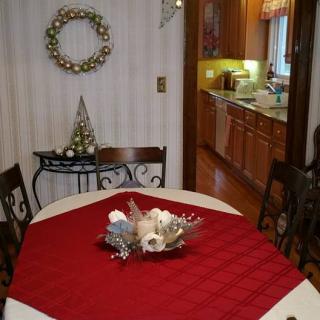
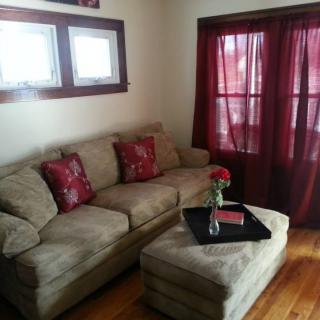
- Claudia's Cottage is absolutely lovely.
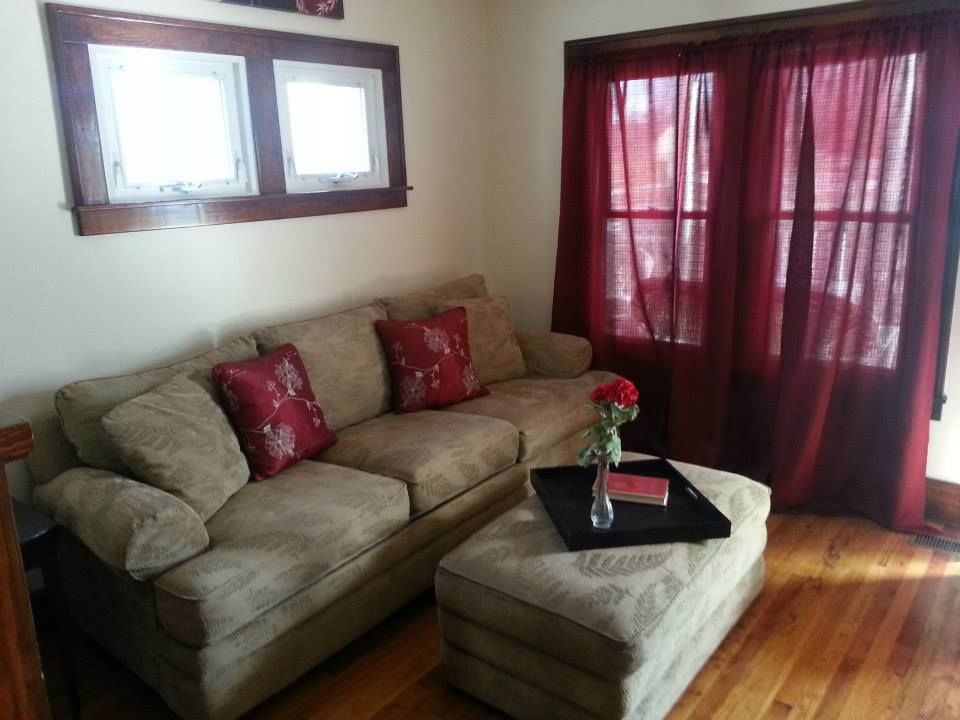
- Dad's room is perfect.
- They provide different activities for the residents.
- The food is nutritious and healthy.
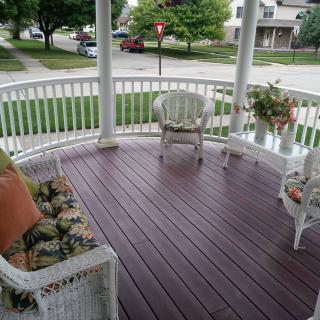
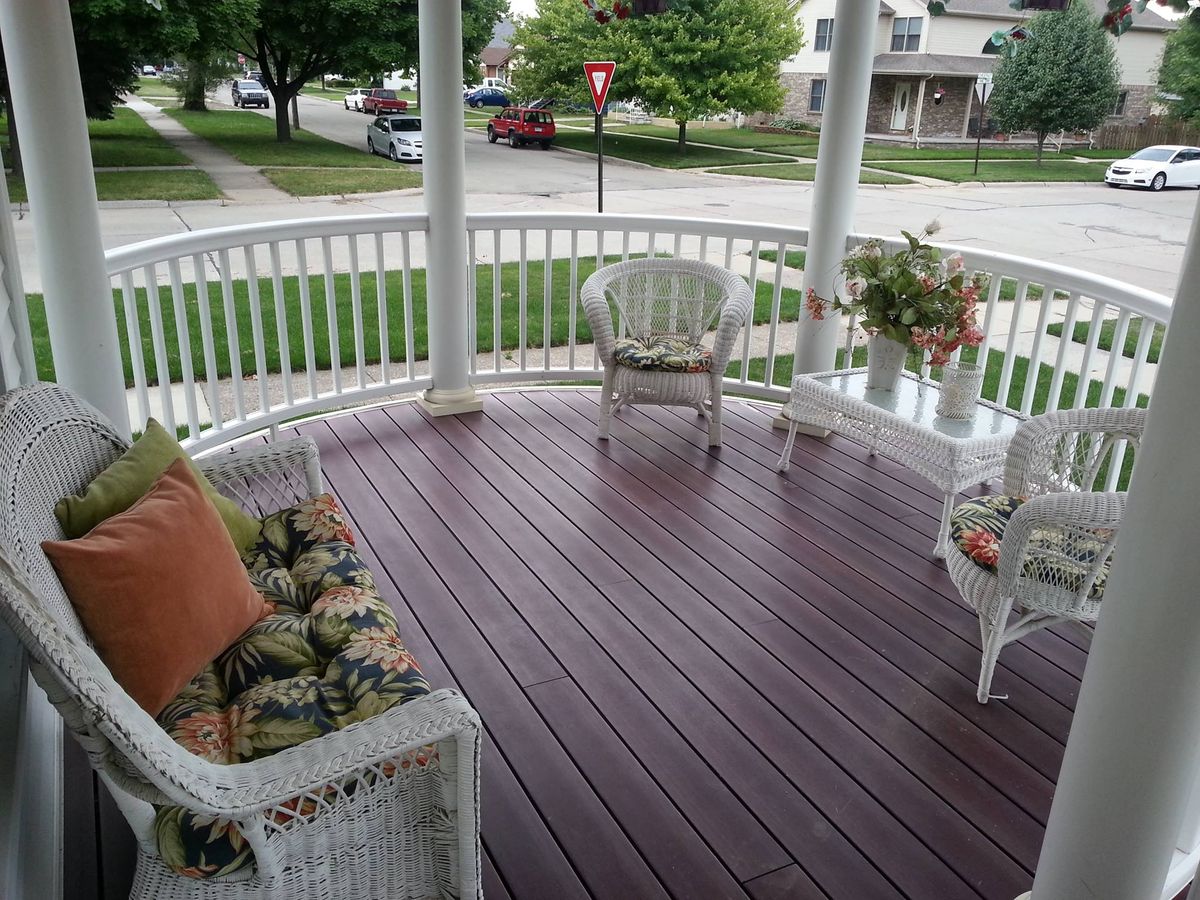
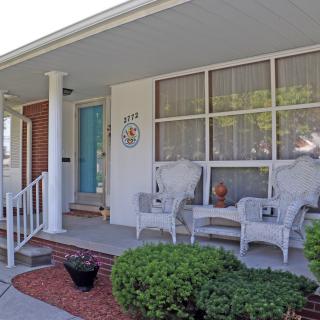
- They have a beautiful outdoor porch.
- They have exceptional caregivers.
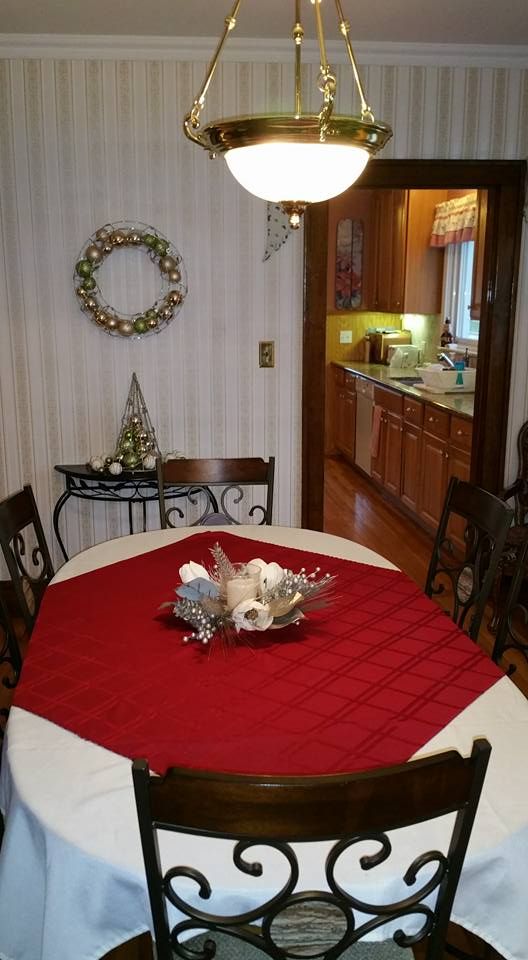
- The place has a home-like atmosphere.
- The staff is wonderful.
Cons
 The second-floor bedrooms are reached via a very steep stairway, which raises safety concerns.
- The reviewers worry that the sister might wake in the middle of the night and attempt to descend the stairs, risking injury.
- The extremely steep stairway makes the facility a poor fit for their needs, given the sister’s ambulatory status.
- Even with an electric lift, safety concerns about the stairway persist.
- The residents were observed merely watching TV, suggesting limited activity.
Review
Claudia’s Cottage is best suited for families seeking a intimate, home-like setting where caregivers are attentive, meals are nutritious, and daily life centers on routine, social activity, and personal warmth. The property’s Victorian charm, clean interiors, and a welcoming outdoor porch help residents feel at ease and connected to a friendly community. It works well for relatively mobile residents who don’t require heavy medical oversight and who can be supervised in a setting that emphasizes companionship and purposeful engagement. In short, this is the right fit for someone who prioritizes a warm atmosphere, strong staff presence, and structured activities over a clinical, high-volume care environment.
That said, certain residents should seriously consider alternatives. Most notably, anyone who needs easy, single-level access or who presents a high risk for nocturnal wandering or falls may find Claudia’s Cottage challenging. The bedrooms are all on the second floor in a very old house with steep stairways, and even with an electric lift, the layout raises safety concerns if a resident becomes restless at night or attempts stairs unsupervised. Families evaluating memory care, behavior management, or around-the-clock medical supervision will likely find more suitable options elsewhere. This community is a better match for those who can stay within a predictable routine and who do not require intensive mobility assistance.
The positives align convincingly with day-to-day quality of life. Cleanliness is evident, and the location is convenient, which supports easy visits and access to local amenities. The kitchen program stands out for crafting nutritious, healthy meals rather than “junk” fare, a detail that can meaningfully enhance daytime satisfaction and overall wellness. The social environment receives praise: varied activities for residents, a home-like atmosphere, and staff described as exceptional caregivers all contribute to a sense of belonging and purpose. The outdoor porch adds a tangible avenue for fresh air, light activity, and neighborly interaction, reinforcing the feeling of independence within a supportive frame.
However, the main structural and safety concerns cannot be dismissed. The second-floor bedroom arrangement, paired with steep stairs, creates a potential hazard for any resident who wanders, becomes disoriented, or experiences a fall risk, limits that the electric lift cannot fully negate if supervision is inconsistent or if access is needed during nocturnal hours. The old-house layout can also translate into maintenance quirks or discomfort for residents who prefer modernized accessibility features. These realities temper the otherwise strong social and caregiving attributes, and they should be weighed carefully against the person’s mobility, behavior patterns, and risk tolerance.
For families weighing the decision, practical steps matter. Ask for a candid assessment of how stairs are managed day and night, and what safeguards exist to prevent unsupervised stair use after hours. Inquire about caregiver-to-resident ratios during evenings and weekends, and request a tour of common areas during peak activity times to gauge how well social programs function in real life. Clarify what level of medical oversight is available on-site and how emergencies are handled, especially for residents who may require more than light assistance. If memory care or cognitive challenges are anticipated, probe how wandering risks are monitored and whether secure alternatives exist within a single-story or more accessible floor plan.
In the end, Claudia’s Cottage offers a remarkably warm, well-supported living option for seniors who prize companionship, culinary quality, and a caring staff, and who can safely navigate a second-floor residential setup. It stands out for its authentic, home-like ambiance and the emphasis on making life engaging for residents. Yet for anyone whose loved one cannot tolerate stairs, who has pronounced wandering or safety needs at night, or who requires higher levels of medical or memory care, alternative communities with single-level access, more robust security, or dedicated memory-care programs will likely serve better. The decision hinges on balancing the value of a nurturing, community-focused environment against the unavoidable realities of a steep staircase and the potential for nocturnal wandering.
 6 resident community capacity
 Assisted Living
 Board and Care Home
 Memory Care
 Activities on-site
 Cable or satellite TV
 Devotional services off-site
 Dining room
 Fully furnished
 Garden
 Housekeeping services
 Indoor common areas
 Move-in coordination
 Outdoor space
 Telephone
 Wi-Fi/high-speed internet available
 Detroit Metropolitan-Wayne County (9 miles away)
 24-hour supervision
 Ambulatory care
 Assistance with bathing
 Assistance with dressing
 Assistance with transfers
 Diabetes diet
 Diabetic care
 Hospice waiver
 Meal preparation and service
 Medication management
 Mental wellness program
 Special dietary restrictions
 Transportation arrangement (medical)
 Transportation to doctors appointments

 Medications Associated with Dementia Risk: A Comprehensive Overview
 Guiding Your Journey: Understanding Power of Attorney for Elderly Parents
 22 Remarkable Caregiver Support Groups Available Online and In-Person