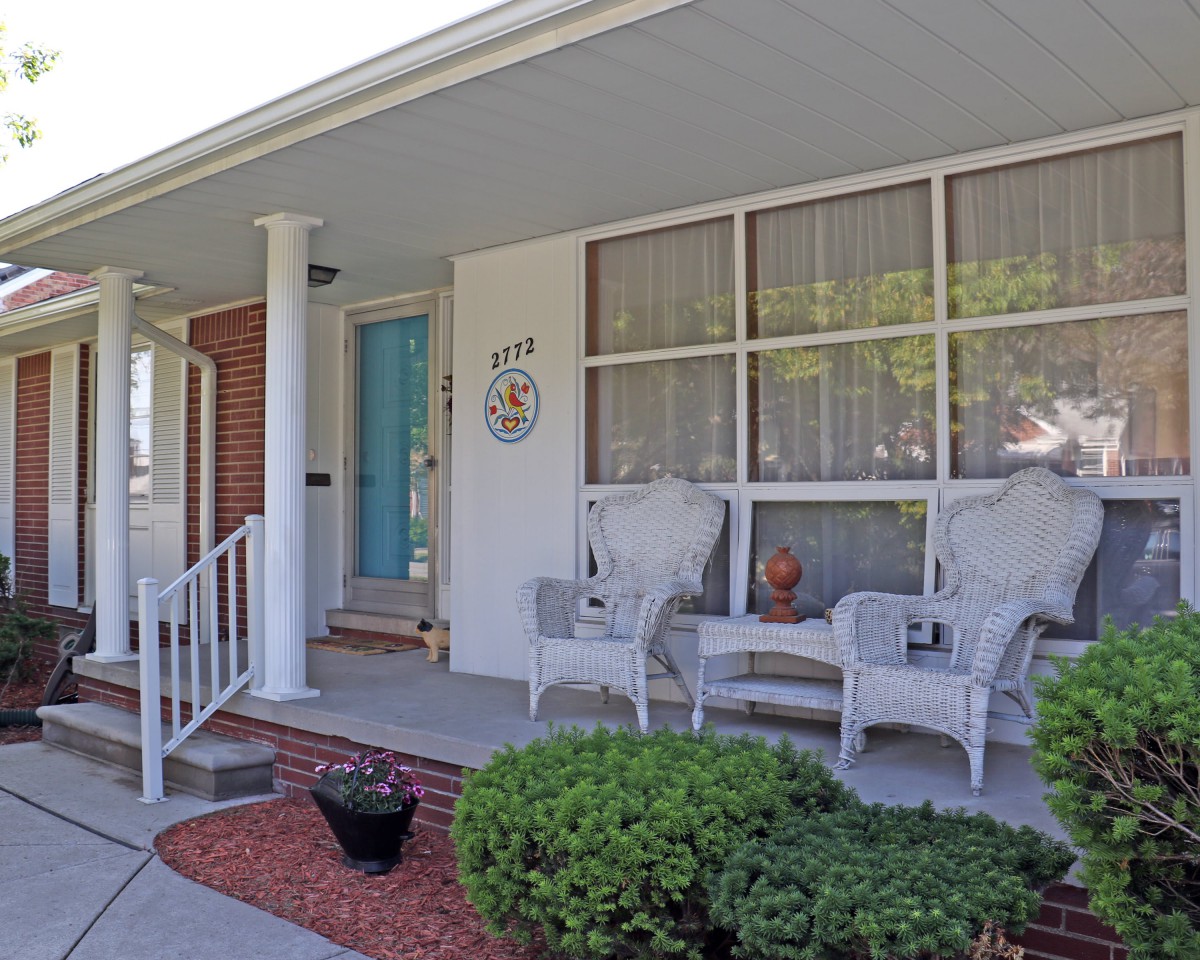
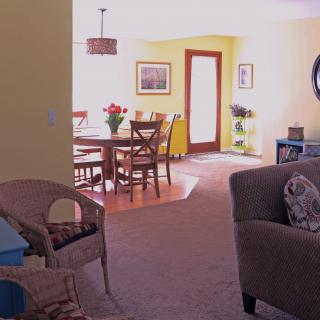
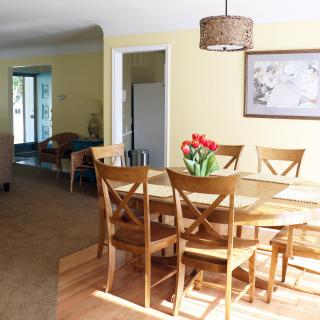
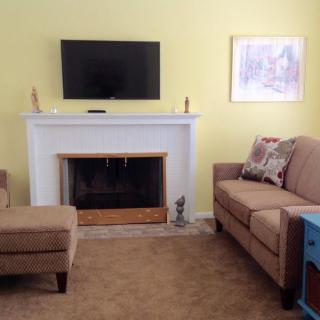
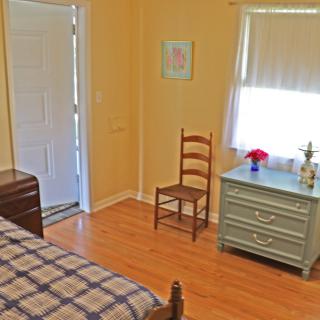
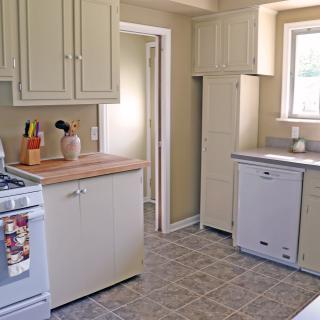
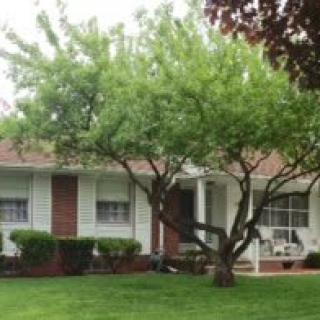
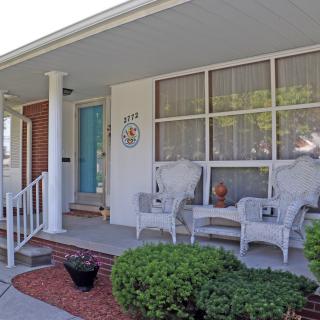
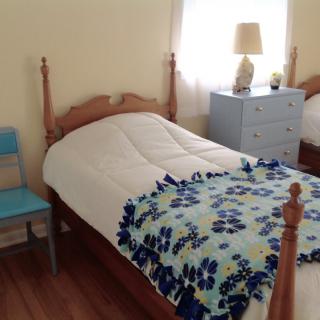
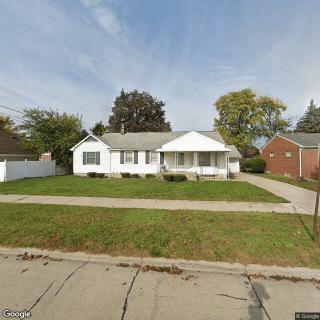
2772 22Nd Street, Wyandotte, MI 48192
For more information about senior living options: (866) 208-4318
22nd Street Senior Care Costs & Pricing
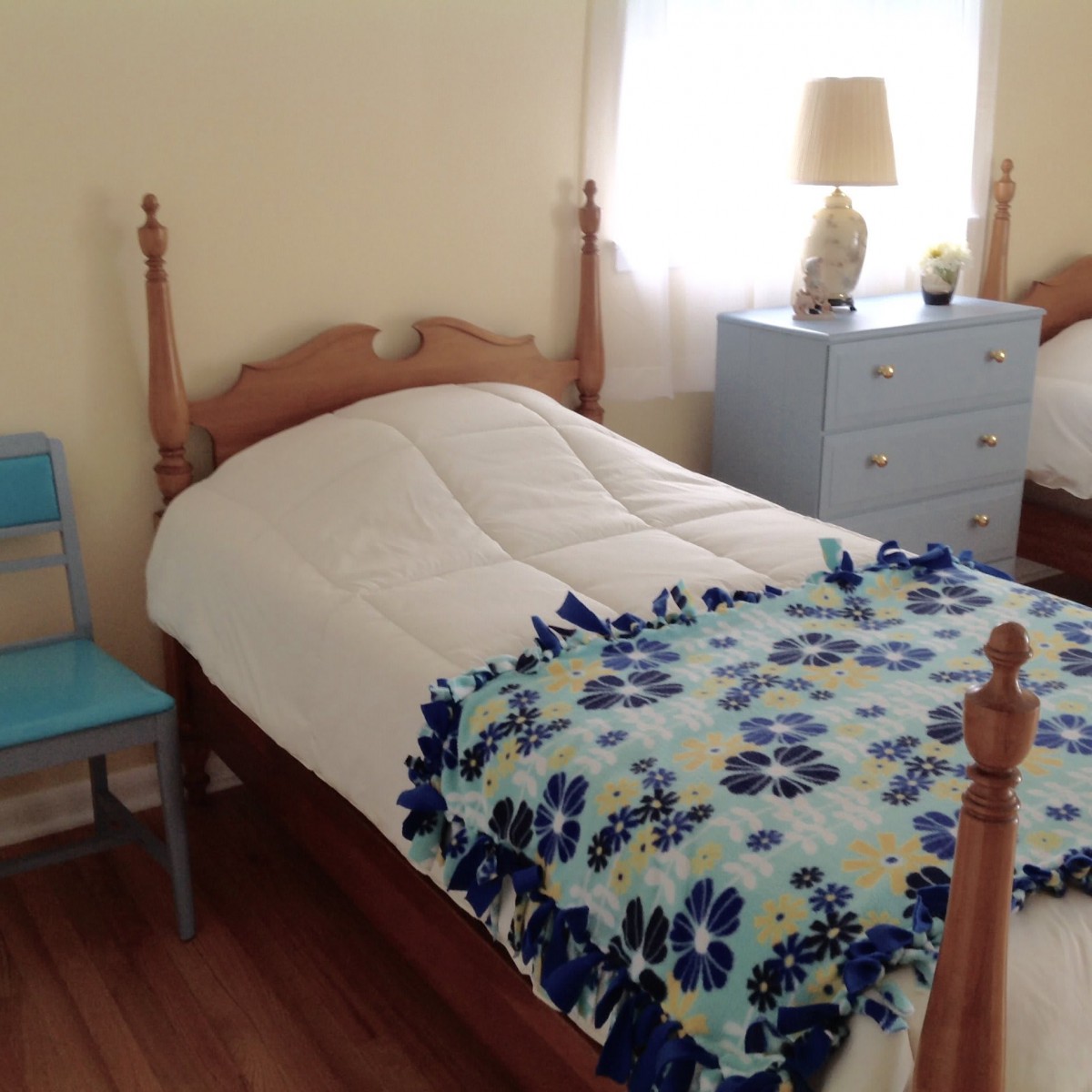
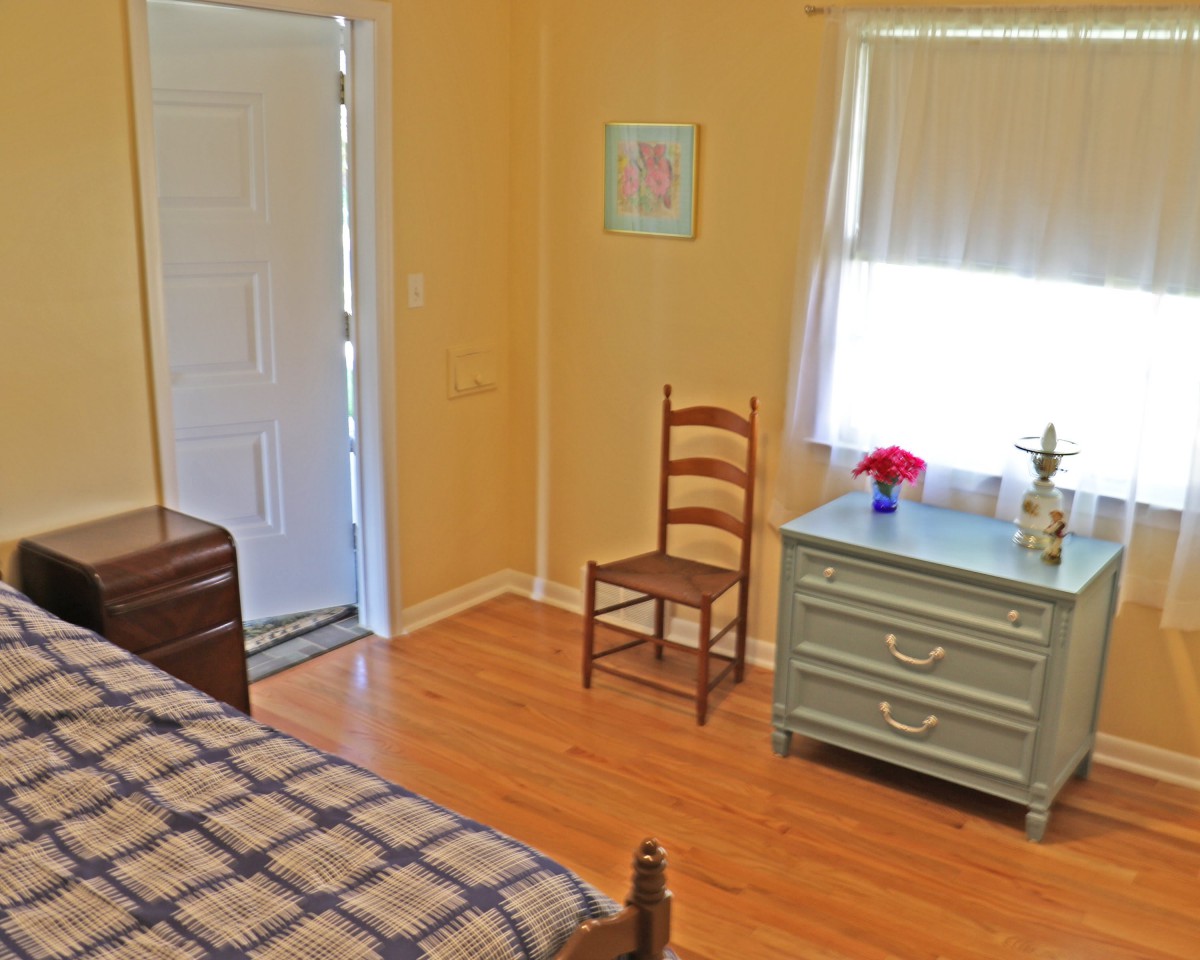
At 22nd Street Senior Care, the monthly costs for accommodations reflect the quality and services provided to residents. For a semi-private room, the fee is set at $3,800, which is notably higher than both the average cost in Wayne County ($2,860) and the statewide average for Michigan ($3,191). Similarly, those opting for a private room at 22nd Street Senior Care would pay $4,300 - again exceeding local and state averages of $3,335 and $3,675 respectively. These prices may indicate a premium option that offers enhanced care or amenities compared to other facilities in the region.
| Floor plans | 22nd Street Senior Care | Wayne County | Michigan |
|---|---|---|---|
| Semi-Private | $3,800 | $2,860 | $3,189 |
| Private | $4,300 | $3,335 | $3,674 |
Assisted Living communities with a similar price nearby
-
from -$600 / mo
Vicky's Place
$3,200 to $6,000 / month23.0 miles away -
from -$305 / mo
Christman Adult Foster Care Home
$3,495 to $6,395 / month20.7 miles away -
from -$300 / mo
Briar Hill Assisted Living
$3,500 to $4,500 / month20.0 miles away -
from +$200 / mo
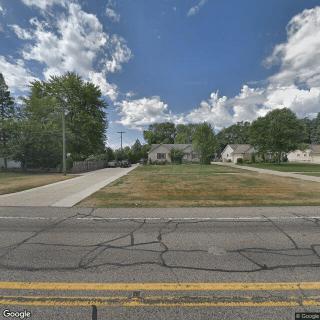
Grace Homecare
$4,000 to $4,500 / month15.7 miles away -
from +$450 / mo
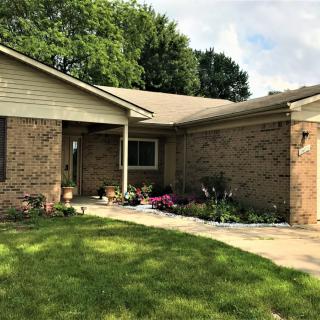
Aiello Adult Foster Care
$4,250 to $4,500 / month12.8 miles away
Overall Review of 22nd Street Senior Care
Pros
 They provide top-notch, compassionate eldercare in a cozy, home-like setting.
 - They treat residents with dignity and respect every single day.
- They foster a family-like atmosphere where patients, guests, and caregivers feel like part of the family.
- They respond quickly to requests with personalized care that notes changes in residents’ conditions.
- They help residents feel more at home and often see improvements in their well-being.
- They demonstrate genuine care and compassion, going above and beyond for residents and families.
- They give families peace of mind and deep gratitude for the care provided.
- They create joyful moments and meaningful connections, such as singing favorite songs together.
Cons
 The father’s condition deteriorated in every other place he had been.
 - At a larger nursing facility, there were so many staff that he never saw the same caregiver twice.
- In that facility, the call button delays were long; he would wait up to an hour for someone to respond.
- Drastic changes in his condition went unnoticed because, after one caregiver’s shift ended, a week could pass before the same person saw him.
Review
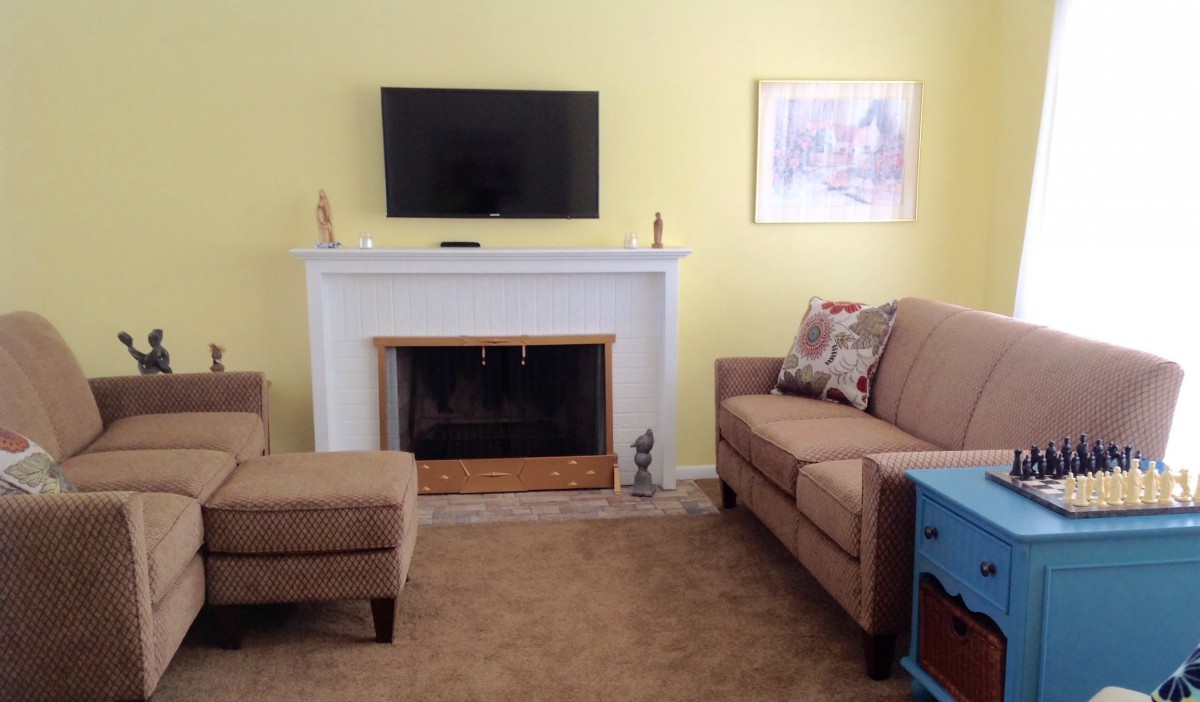
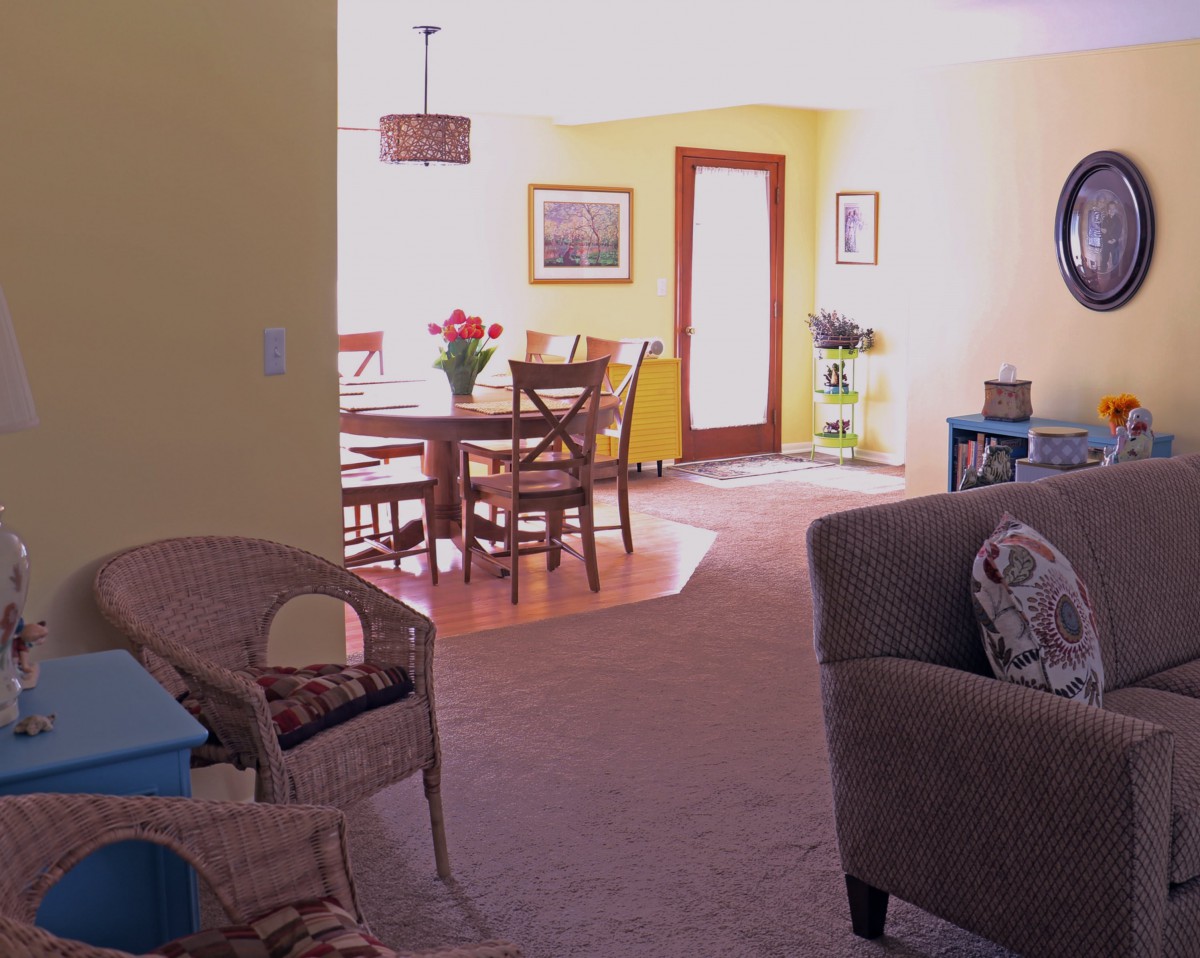
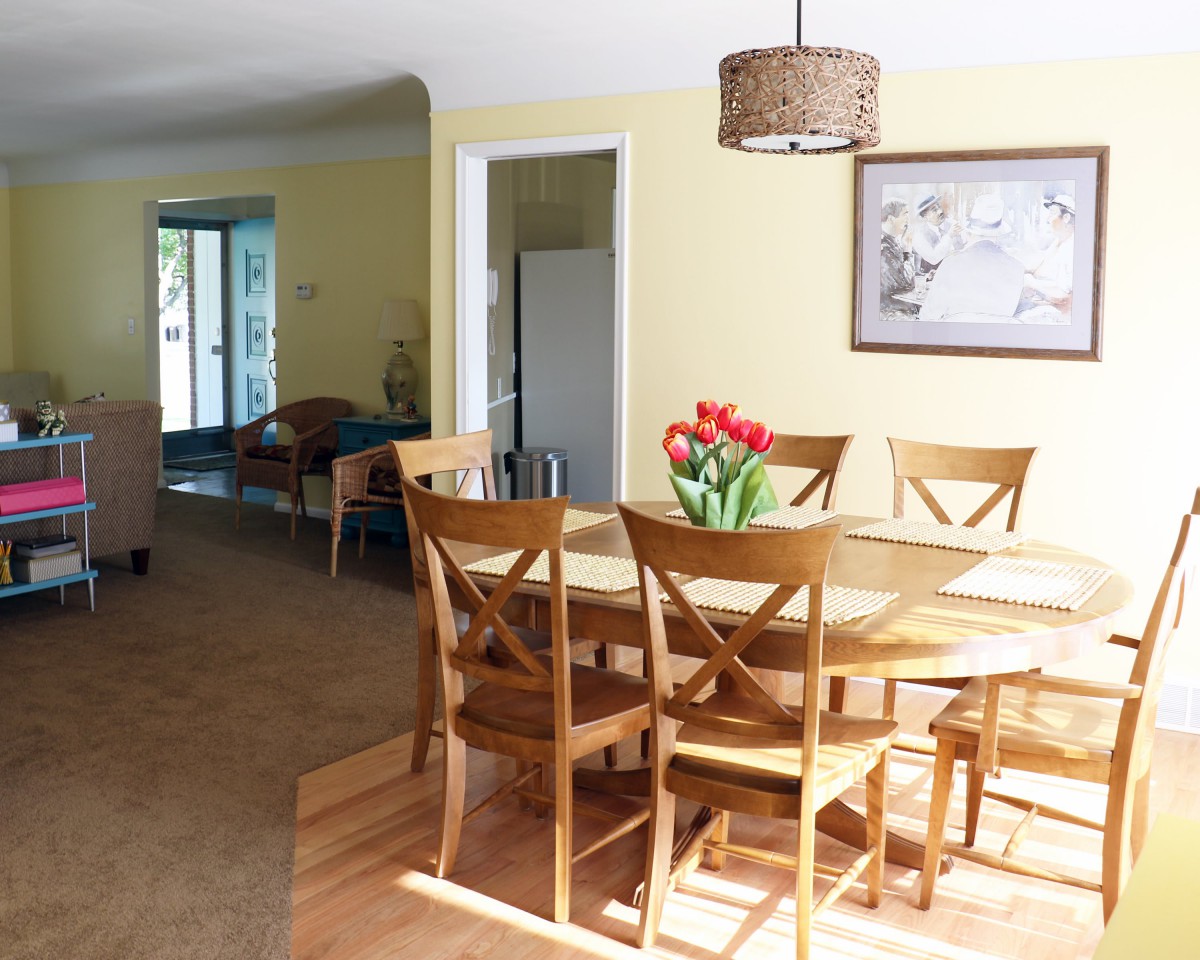
This community is best suited for seniors who thrive in a small, home-like setting where care is intensely personal, staff are consistently present, and daily routines feel like living with family. It is ideal for residents who value meaningful engagement and activities tailored to individual interests, think music, singing, and shared moments that foster dignity and joy. Families seeking a highly personalized, warm environment where the same caregivers learn a resident’s rhythms and preferences will find this setting especially compelling.
Those who may want to consider alternatives include families whose loved one requires a more clinical, hospital-like atmosphere, or who need robust memory-care programming and a wider spectrum of on-site medical services. If the priority is a large, bustling campus with extensive amenities, or if complex, around-the-clock medical management and highly specialized dementia care are essential, a larger facility with broader staffing and formal programs might be a better fit. For residents needing intensive rehab or highly structured, facility-wide medical oversight, different options could offer a more comprehensive framework.
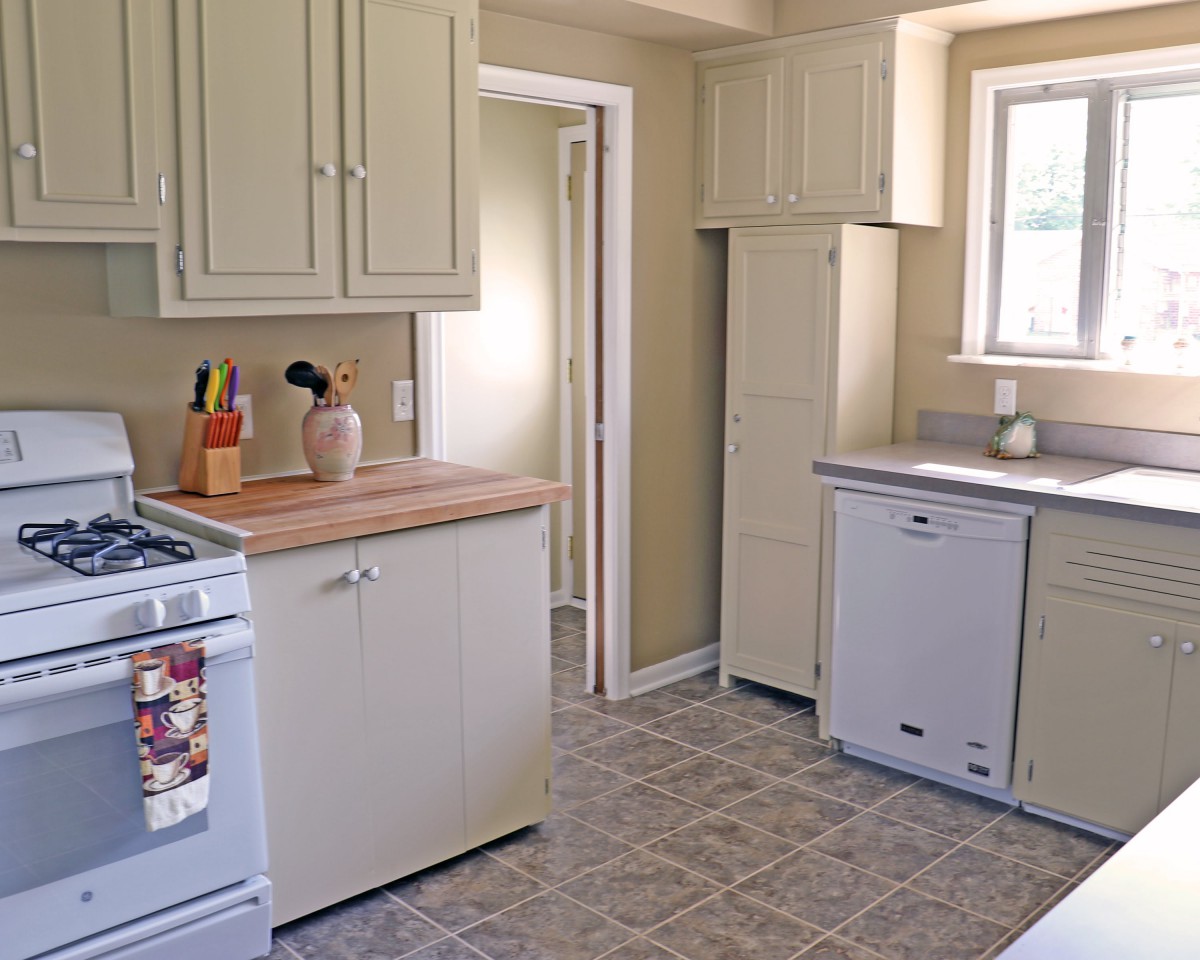
The strongest positives here are the care philosophy and the human touch. The data from the community consistently highlights personalized care, with caregivers who know residents by name and respond quickly to needs. Call buttons are answered in minutes rather than hours, a tangible demonstration of attentiveness that directly affects comfort and safety. The setting feels intimate and private, with a homey, cozy, and clean environment, where staff are described as friendly, professional, and genuinely compassionate. This is not a place where a resident vanishes into a large staff matrix; it is a place where familiar aides become an extension of family, and where changes in health status are noticed promptly and addressed without delay.
Engagement and dignity are recurring themes that offset potential drawbacks in any small-home model. Families repeatedly note the emotional nourishment residents receive: music, song, and shared activities that celebrate individuality, alongside caregivers who “put their hearts” into care. The testimonials emphasize time taken with each resident, therapies, singing sessions, and personal interactions, that continually reinforce a sense of belonging. The home-like setting, combined with quick, responsive care, translates into a palpable peace of mind for families, who describe seeing improvements in loved ones and feeling they are truly part of a supportive community rather than anonymous patients.
From a pragmatic standpoint, the environment trades some of the scale and formal programming found in larger facilities for intimate continuity and genuine connection. The reviews consistently point to the benefit of seeing the same caregivers, a feature that enhances trust and monitoring of health changes. A small team model fosters rapid communication with families, easier access for drop-ins, and a consistent care style that makes daily routines predictable and comforting. For many families, these factors significantly outweigh the absence of a grander campus or a broader menu of clinical services.
In making a decision, the key question is aligned with resident personality and medical needs. If a loved one values a warm, home-like atmosphere, rapid caregiver responsiveness, and deeply personalized attention, even at the cost of not having a large staff or institution-style programming, 22nd Street Senior Care stands out as a principled, dependable choice. If the priority is extensive on-site medical management, advanced memory-care protocols, or a broader social calendar on a sprawling campus, alternatives should be explored. Visits should focus on meeting Melinda and the caregiving team, observing response times, and assessing whether the rhythms of daily life reflect the resident’s preferences and level of independence.
In sum, 22nd Street Senior Care offers a compelling fit for families seeking dignity, continuity, and a genuinely family-like caregiving experience. The combination of personalized attention, rapid-response care, and a cozy, well-maintained home environment creates a powerful counterweight to most concerns about smaller-scale settings. It is a purpose-built match for seniors who want to feel seen, valued, and actively engaged, with a caregiving team that treats every resident as a cherished member of the household.
 6 resident community capacity
 Assisted Living
 Board and Care Home
 Activities on-site
 Bath tubs
 Cable or satellite TV
 Dining room
 Fully furnished
 Garden
 Ground floor units
 Housekeeping services
 Indoor common areas
 Move-in coordination
 Outdoor common areas
 Private
 Telephone
 Wi-Fi/high-speed internet available
 Detroit Metropolitan-Wayne County (9 miles away)
 24-hour supervision
 Ambulatory care
 Assistance with bathing
 Assistance with dressing
 Assistance with transfers
 Diabetes diet
 Diabetic care
 Incontinence care
 Meal preparation and service
 Medication management
 Special dietary restrictions
 Transportation arrangement (medical)
 Transportation to doctors appointments
 Other religious services

 Exploring the Contrasts Between Assisted Living and Skilled Nursing
 8 Key Indicators That Suggest It May Be Time to Transition from Assisted Living to Skilled Nursing Care
 Vibrant Senior Living: A Comprehensive Guide for Active Older Adults