
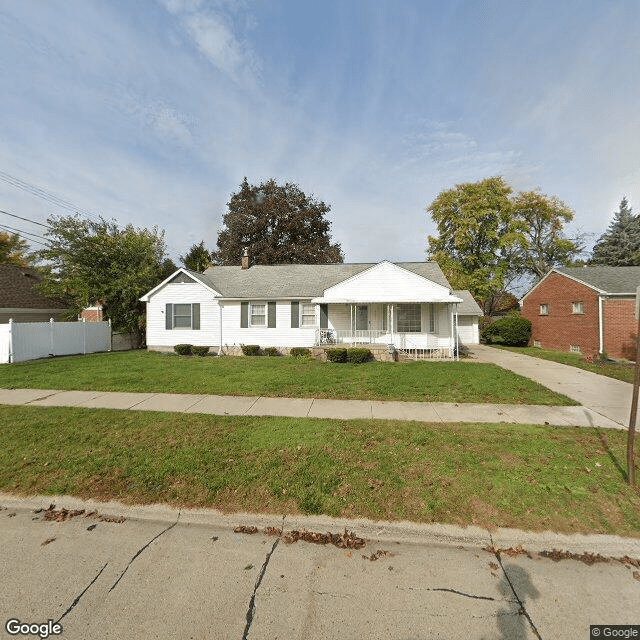
13550 Catalpa St, Southgate, MI 48146
To contact a resident: (734) 973-7764
For more information about senior living options: (866) 208-4318
Mother Cabrini Home #3 Costs & Pricing
At Mother Cabrini Home #3, the cost for a semi-private room is set at $1,500 per month, positioning it as a more affordable option compared to the regional averages. In Wayne County, similar accommodations typically average around $2,860, while across the state of Michigan, the costs rise further to approximately $3,191. This pricing structure not only highlights Mother Cabrini Home #3's competitive rates within both county and state contexts but also underscores its commitment to providing accessible care without compromising on quality.
| Floor plans | Mother Cabrini Home #3 | Wayne County | Michigan |
|---|---|---|---|
| Semi-Private | $1,500 | $2,860 | $3,189 |
Senior living communities with a similar price nearby
-
About the same
Tendercare Residential Services
$1,500 to $3,095 / month18.9 miles away -
from -$225 / mo
Kenyata's Adult Foster Care
$1,275 to $1,950 / month18.6 miles away -
from -$200 / mo
Assure Residential Care
$1,300 to $2,000 / month14.5 miles away -
About the same
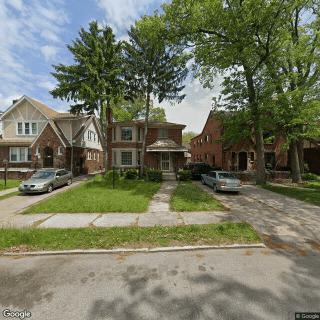
Mother Cabrini Home #1
$1,500 to $4,200 / month15.5 miles away -
from -$100 / mo
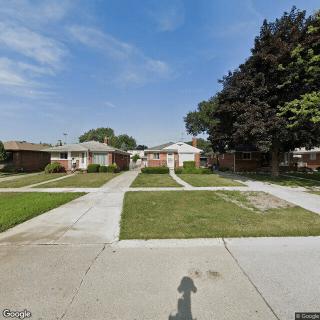
Better Life AFC
$1,400 / month6.3 miles away
Overall Review of Mother Cabrini Home #3
Pros
 The home was clean and in good condition.
- They took good care of her.
- The reviewer liked the home.
Cons
 Her daughter had some issues there.
- She just didn't want to stay.
- She didn't want to stay.
Review
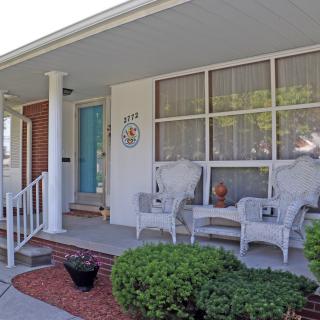
Mother Cabrini Home #3 in Southgate, MI is best suited for an older adult who values a quiet, home-like setting, reliable caregiving, and a clean, well-maintained environment. The available feedback paints a picture of a small, orderly residence where safety and daily upkeep are clearly prioritized. For a family that wants a straightforward, low-stimulus option with steady attention from staff rather than a loud, activity-packed campus, this community checks the essential boxes. It is not pitched as a bustling retirement campus, but as a calm, dependable home for those who prefer predictability and good housekeeping as core comforts.
By design, the residents in these reviews skew toward an older demographic, and the experience described hinges on a social dynamic that may not suit everyone. An important caveat is the age mismatch noted by a family member: the daughter was younger than the other residents and ultimately did not want to stay. This is not framed as a failure of care, but as a social fit issue. Families with seniors who crave a broad, active social scene or who expect a wide mix of ages and backgrounds may want to consider alternatives with more diversified resident communities and richer activity calendars. Those seeking a high-energy environment or intensive programming should look elsewhere.
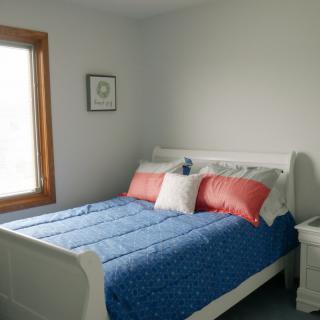
The documented positives, cleanliness, good overall condition, and attentive care, are meaningful. A well-kept home reduces fall risk, simplifies daily routines, and supports ongoing hygiene and comfort, all of which directly affect quality of life and peace of mind for families. When staff are perceived as taking good care, it provides reassurance on day-to-day caregiving tasks, from meals to medication management and general supervision. In a small, intimate setting, that reliability can translate into a consistently calm atmosphere, fewer logistical hassles, and simpler communication with caregivers and management.
However, the same strengths underscore the central limitation for this specific case: social fit. The qualitative data suggest that even a well-run, pristine environment may fall short for residents who want companionship across a wider age range or who hope to participate in a more varied social life. In practice, cleanliness and attentive care do offset risk and maintenance concerns, but they do not fully compensate for a resident’s unmet social needs. For a family weighing options, this means acknowledging that a favorable care standard is not of equal value to everyone if social engagement and peer connection are primary goals.
Weighing the pros and cons, the verdict hinges on resident priorities. If the priority is a quiet, clean, personally attended home where staff consistency translates into reliable daily support, Mother Cabrini Home #3 delivers. If, instead, the main goal is a highly social environment with residents spanning a wide age range and a vigorous activity schedule, alternatives are likely to serve better. Pros offset cons when safety, routine, and steady caregiving matter most; cons become more significant when social fulfillment, variety, and peer compatibility rank higher.
For families seriously considering this option, a practical path is recommended: schedule a visit to observe the resident mix, ask about the age range of current residents, review the activity calendar, and discuss opportunities for social engagement beyond the core routines. Request specifics on meals, transportation for outings, and whether short-term or trial stays are possible to test fit without long-term commitment. Budget clarity is essential as well, confirm what is included in monthly fees and what incurs extra costs. Weigh these details against the resident’s social expectations and behavioral preferences to determine whether the quiet, well-kept setting will feel like a true home or merely a well-run shelter.
In conclusion, Mother Cabrini Home #3 stands out as a solid, dependable option for seniors who prize a clean, well-cared-for environment and consistent staff attention in a small, intimate community. It is less compelling for households prioritizing dynamic social life and age-diverse peer groups. For families with a resident who is content with a serene routine and does not require extensive social programming, the pros align well with the cons, delivering a trustworthy caregiving foundation. For others, exploring alternatives with broader resident demographics and richer activity options will likely yield a more satisfying long-term fit.
 Board and Care Home
 Activities off-site
 Indoor common areas
 Detroit Metropolitan-Wayne County (8 miles away)
 Meals provided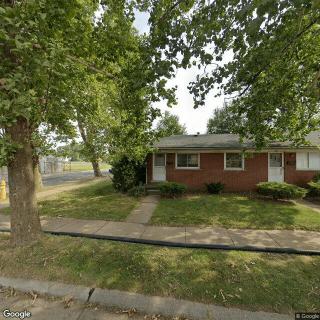


 Exploring Nonmedical Home Care: Understanding Services, Costs, and Financial Approaches
 Engaging Brain Games and Innovative Apps to Keep Senior Minds Active
 Effective Strategies for Keeping Seniors' Minds Active: A Deep Dive into Brain Games and Apps