
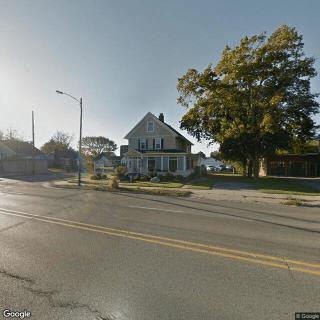
5055 South M-30, West Branch, MI 48661
For more information about senior living options: (866) 208-4318
Overall Review of Edwards Adult Foster Care
Pros
 The facility offers excellent conditions and care.
- They really care for their residents.
- The staff are very good and kind.
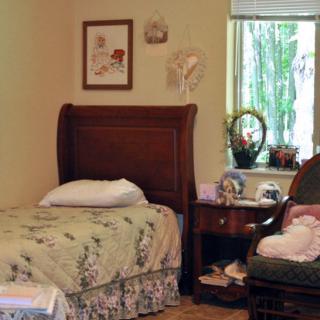
- It provides wonderful care in a relaxed, homelike setting, with owners and staff treating residents like family.
- They keep a small group so everyone gets much attention.
- There are daily activities to keep residents busy and their minds active, and a visiting doctor is available every month.
- They are very caring and attentive to residents, prioritizing their well-being.
Cons
 It was not a good place.
- Her health just went down hill immediately.
- It had a bad odor and was not very clean.
- The food was gross and not well prepared.
- It should be shut down.
- This place is definitely a foster care home NOT a rehabilitation home.
- There was no love and no care from the staff or owners.
- The only thing going there was that it was affordable.
- There have been concerns about how many people have died in their care.
Review
Edwards Adult Foster Care in West Branch, MI is best suited for families seeking a small, home-like setting where residents receive hands-on attention in a lower-cost arrangement. It works well for seniors who do not require intensive, daily medical interventions and who value personal connection with caregivers and a routine that feels like a family environment. For families prioritizing warmth, accessibility, and frequent interaction with staff, this community can feel comfortably reassuring. It is a practical choice for those who want a modest, personable setting where residents are not lost in a large facility and where care can feel individualized within a tight-knit group.
That said, several families may want to consider alternatives, especially if higher cleanliness standards, consistent meal quality, robust medical oversight, or a more professional, regimented atmosphere are non-negotiable. The most cautionary signals in the feedback point to concerns about odor and cleanliness, variable food quality, and mixed impressions of staff responsiveness. If a loved one needs a consistently pristine environment, reliably prepared meals, and steady, proactive clinical attention, other options with stronger reputations for professional standards will likely serve better.
The strongest positives center on intimate, attentive care in a small, homelike setting. The small resident groups enable staff to provide individualized attention and frequent engagement, with activities scheduled daily to keep minds active and foster a sense of participation. Several accounts highlight owners and staff who treat residents like family and who place the well-being of residents first. The presence of a visiting doctor each month adds a predictable medical touchpoint, and the setting often feels more like a home than a traditional institution. For families who value warmth, daily human connection, and a more relaxed pace, these factors can meaningfully offset concerns about cost.
On the downside, cleanliness and odor emerge consistently as sticking points, alongside critiques of meal quality and preparation. A number of reviewers describe environments that feel unclean or poorly maintained, with food described as unappealing. Allegations range from neglect during mealtime to a perception that staff do not consistently respond to a residentā€™s needs, and some voices warn that the setting operates more as a foster home than a rehabilitative or medically intensive facility. Descriptions of rude or unsympathetic staff, or of care that seems insufficient to prevent health decline, reinforce the caution that the care quality can be uneven and highly dependent on individual staff members and day-to-day conditions.
The way these pros and cons balance out hinges on what the family prioritizes. If the priority is a true home-like atmosphere, ongoing social engagement, and a lower price point, Edwards AFC can deliver meaningful value, provided a family can tolerate occasional lapses in cleanliness and nutrition, and can supplement care with careful oversight and regular visits. If, instead, the resident requires consistently pristine environments, superior meal service, and tightly managed clinical care, the potential drawbacks point decisively toward alternatives. A clear decision criterion emerges: test the setting in person, inspect common areas and resident rooms for odor and cleanliness, review the menu and meal preparation routines, meet staff and observe care during a typical day, and verify the frequency and quality of medical oversight.
In practical terms, families weighing Edwards AFC should prioritize a thorough, in-depth tour that includes conversations with current residents and their families, not just the owners. Ask for a recent inspection or licensing record, request a detailed breakdown of staff-to-resident ratios, and review how care plans are developed and updated. If choosing this community, insist on seeing a sample day, meal service, social activities, and care routines, to judge whether the daily experience aligns with expectations. For those who value a homelike, attentive environment and can manage the trade-offs, Edwards AFC offers a viable, cost-conscious option. For others, especially those with higher medical or environmental standards, it is prudent to explore additional choices before making a final commitment.
 12 resident community capacity
 Assisted Living
 Cable or satellite TV
 Dining room
 Fully furnished
 Garden
 Housekeeping services
 Move-in coordination
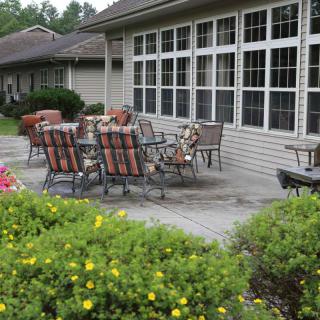
 Outdoor space
 Telephone
 Wi-Fi/high-speed internet available
 24-hour supervision
 Activities of daily living assistance
 Assistance with bathing
 Assistance with dressing
 Assistance with transfers
 Diabetes diet
 Meal preparation and service
 Medication management
 Special dietary restrictions
 Transportation arrangement (medical)
 Transportation to doctors appointments




 Comprehensive Insights into Activities of Daily Living (ADLs) and Their Assessment
 Guiding Elderly Parents Who Refuse Assisted Living: 6 Practical Steps
 Your Comprehensive Guide to Luxury Assisted Living: Elevated Facilities, Amenities, and Costs