
6690 W Maple Rd, West Bloomfield, MI 48322
To contact a resident: (248) 661-5220
For more information about senior living options: (866) 208-4318
Overall Review of Jewish Federation Apartments
Pros
 The stay in independent living was excellent for her.
- The family was very happy with the arrangement.
- She eventually enjoyed independent living once she was there.
- She played cards with people.
- She participated in religious services.
- She stayed fairly active during her time there.
Cons
 She had been very reluctant to go into independent living.
- Her health issues had failed her, preventing her from staying longer.
Review
Jewish Federation Apartments in West Bloomfield is best suited for seniors who want a true independent-living experience with a built-in social scene and a faith-centered rhythm. The two positive resident stories point to an environment where daily life centers on connection, cards with neighbors, communal activities, and regular religious services that participants actively attend. In essence, this community serves relatively autonomous older adults who value companionship, routine, and a straightforward transition into retirement living without a mandate for ongoing care. It isn’t framed as a hub for intensive medical supervision or a full-service care continuum, so expectations should be aligned with independence rather than a broad spectrum of caregiving.
Those who may want alternatives are seniors who anticipate needing ongoing health monitoring or daily hands-on assistance soon. If memory support, skilled nursing, or a comprehensive on-site caregiving option is essential, other communities that offer a wider care continuum will likely be a better fit. Families seeking a seamless trajectory from independent living into assisted living or memory care on the same campus should compare options that provide that integrated path. For residents with uncertain health trajectories, it’s prudent to explore communities that can accommodate rising needs without relocating.
The strongest positives flow from social vitality and spiritual life. The reviews describe meaningful peer interaction through games and a thriving sense of community via shared activities. Regular religious services and opportunities to participate in faith-based life appear to anchor residents emotionally and socially, reinforcing a sense of belonging and identity. The experience of initial reluctance giving way to genuine enjoyment suggests a welcoming atmosphere where newcomers can integrate quickly and find a sustaining daily rhythm. For families prioritizing a warm, engaged environment, these social and spiritual dimensions translate into measurable quality-of-life benefits.
The principal drawback centers on the independence-first design. The main caveat is that the setting does not foreground on-site caregiving or medical support, so declines in health or daily functioning may require relocation to a higher level of care. The provided accounts imply that staying on this campus hinges on health remaining manageable without proactive, built-in caregiving services. For families already facing the reality of potential health shifts, this is a critical factor to weigh, as it could mean disruption to routines and social networks if care needs outpace what the community can accommodate.
Balancing the pros against the cons yields a clear verdict: this community delivers tangible value for seniors who prize social connection, structured routines, and spiritual community within an independent-living framework. The social calendar and religious life become meaningful anchors, contributing to mood, engagement, and overall satisfaction. Yet this strength becomes a liability for those who foresee or fear a trajectory toward greater care needs without easy on-site options. Prospective residents should verify what support alternatives exist, how mobility and transportation are managed, and what transfer pathways are available if health changes occur. The prudent path is to visit, observe the social climate, and compare with other communities that offer a fuller continuum of care to determine which setting best matches current needs and anticipated health evolution.
 Active Adult Communities (55+)
 Detroit Metropolitan-Wayne County (23 miles away)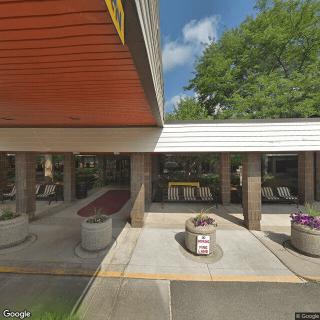

 Recognizing the Journey: Understanding and Navigating Anticipatory Grief
 Encouraging Participation in Adult Day Care: A Guide to Supporting a Hesitant Parent
 Comprehensive Exploration of Living Wills and Other Advance Directives