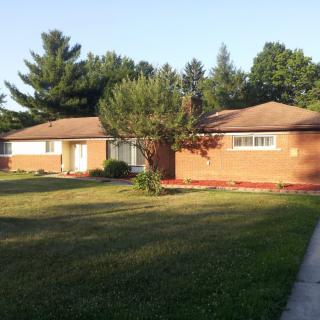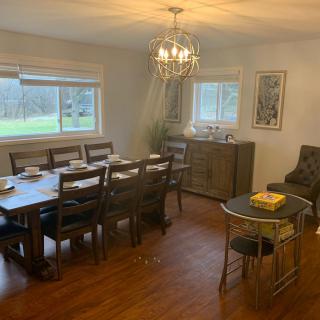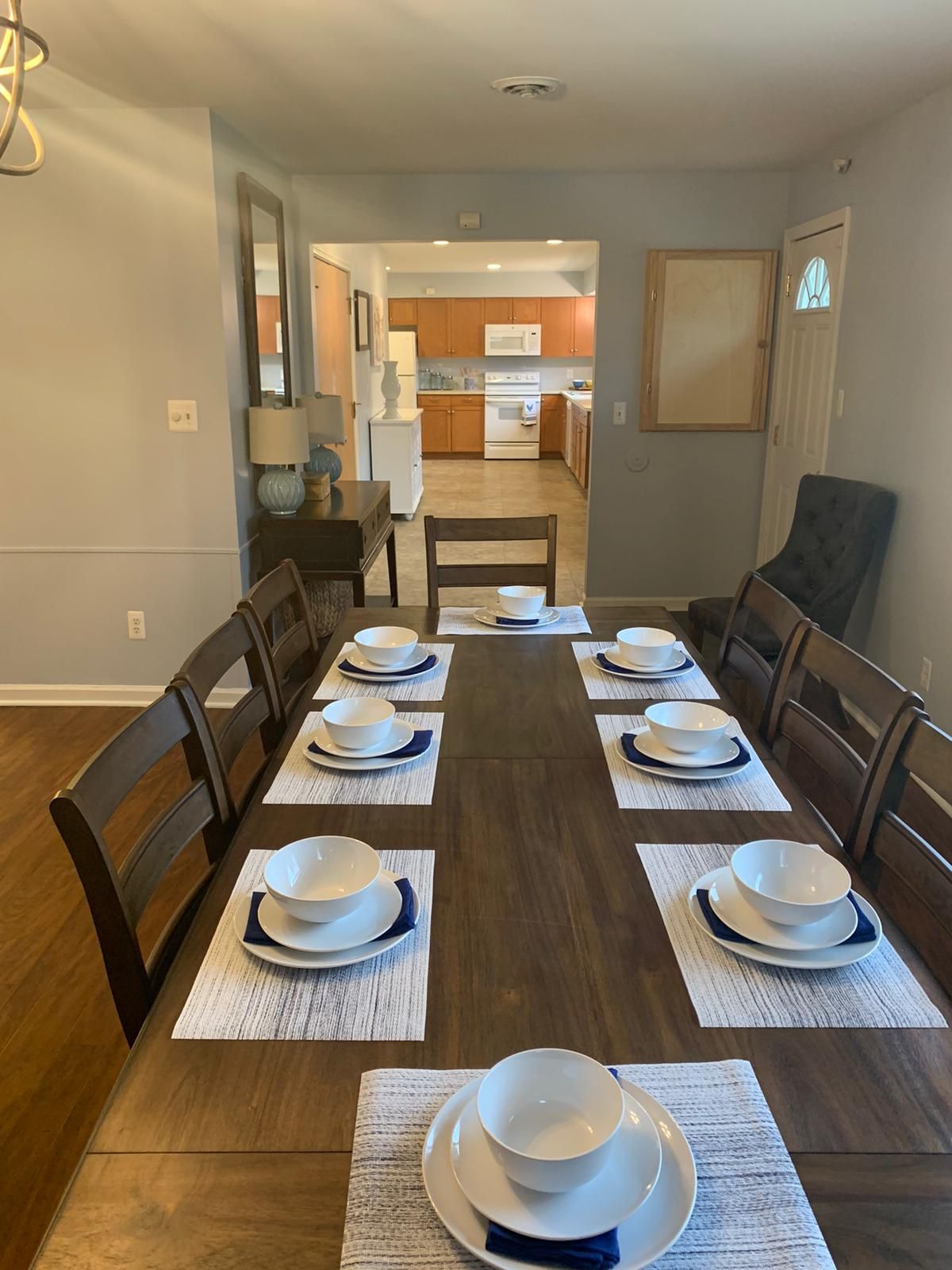
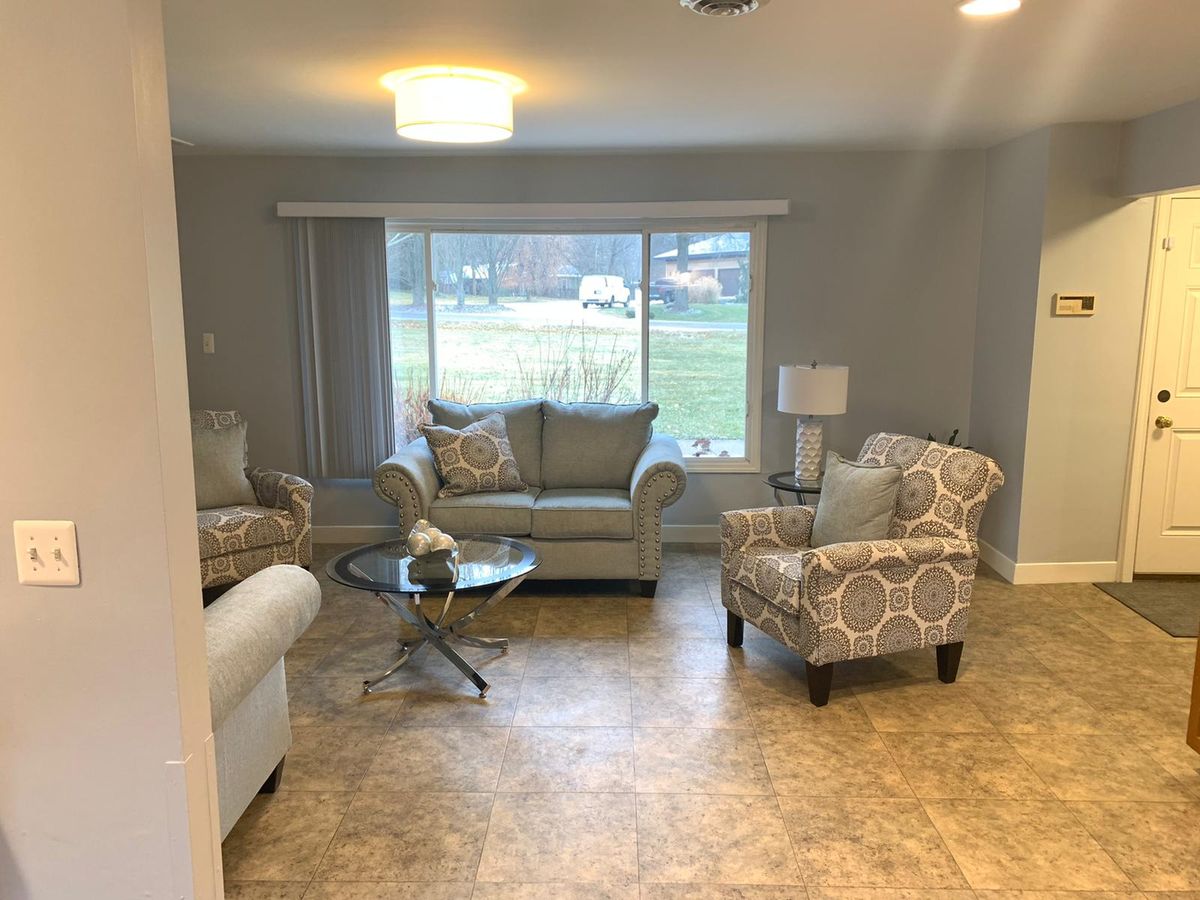
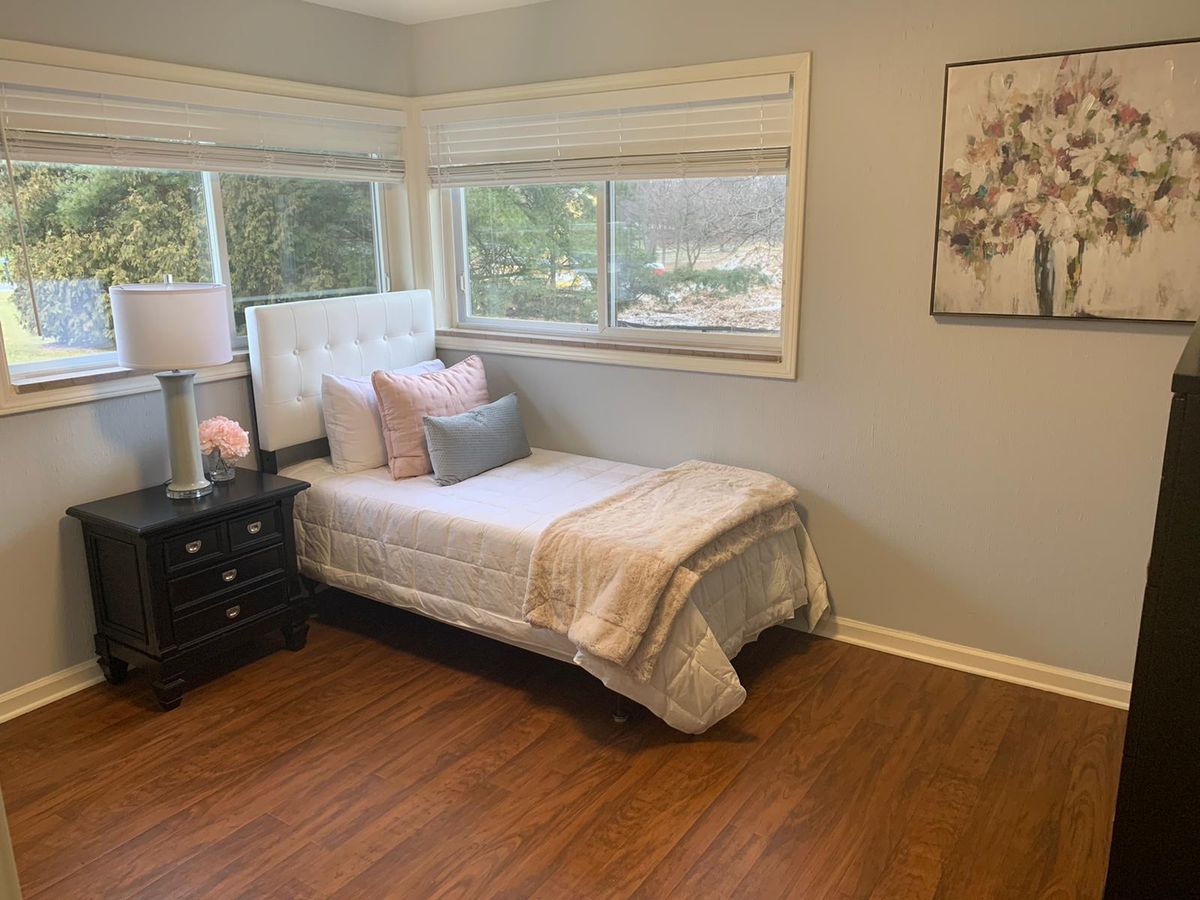
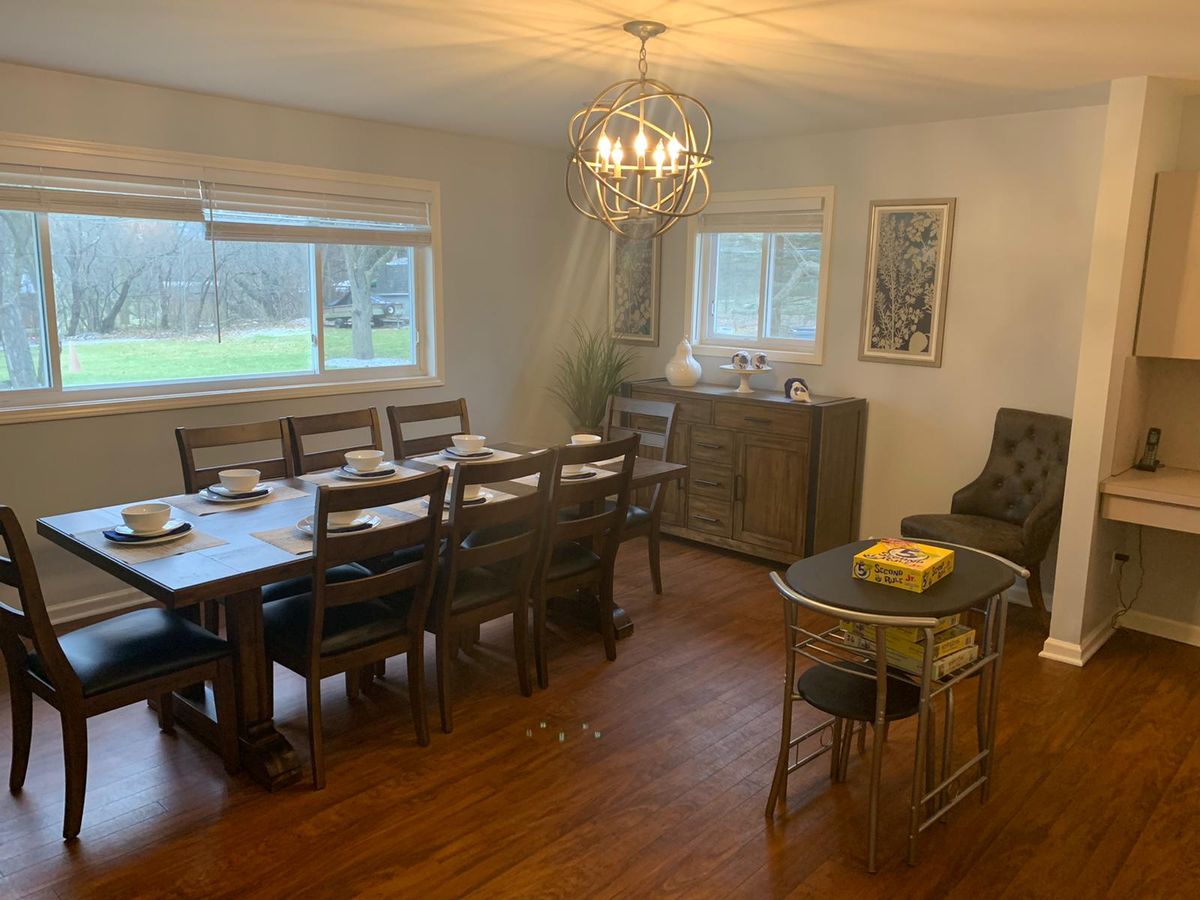
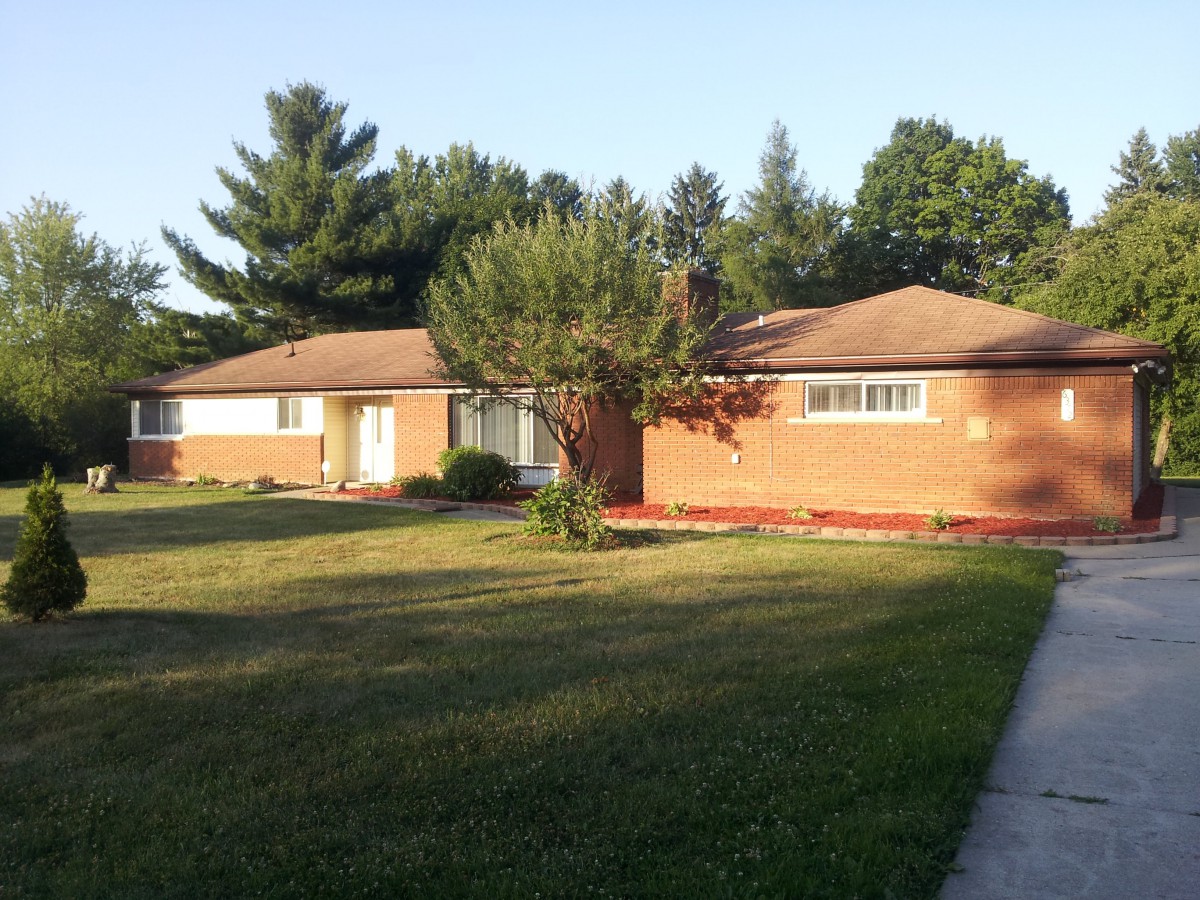
6372 Tutbury Lane, Troy, MI 48098
For more information about senior living options: (866) 208-4318
Comfort Home of Bloomfield Costs & Pricing
Comfort Home of Bloomfield offers a range of living arrangements with pricing that reflects both its premium services and the local market dynamics. For the semi-private rooms, residents can expect to pay $3,500 per month, which is slightly above the average costs in Oakland County ($3,204) and across Michigan ($3,191). Private rooms are available for $4,000 monthly, again positioning Comfort Home above county ($3,708) and state averages ($3,675). For those opting for a studio apartment, the cost is $5,000 per month - substantially higher than both the county's average of $4,577 and Michigan's average of $3,824. These rates suggest that while Comfort Home of Bloomfield may be pricier than many alternatives in the region, they likely reflect enhanced amenities or care options that cater to residents seeking quality over cost.
| Floor plans | Comfort Home of Bloomfield | Oakland County | Michigan |
|---|---|---|---|
| Semi-Private | $3,500 | $3,204 | $3,189 |
| Private | $4,000 | $3,708 | $3,674 |
| Studio | $5,000 | $4,577 | $3,824 |
Memory care communities with a similar price nearby
-
from -$500 / mo
Hutcheson Manor
$3,000 to $4,500 / month13.0 miles away -
from +$300 / mo
Silverbell Manor
$3,800 / month7.8 miles away -
from -$300 / mo
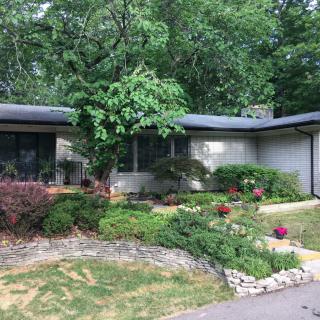
Vicky's Place
$3,200 to $6,000 / month9.2 miles away -
from +$500 / mo
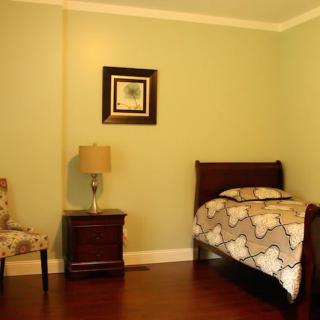
Oakland View Senior Living
$4,000 to $5,000 / month12.5 miles away -
About the same

Pineview Manor
$3,600 / month10.2 miles away
Overall Review of Comfort Home of Bloomfield
Pros
 The owner is exceptional, and the staff have become like family.
- They provide excellent care for residents and support families when other agencies fall short.
- They adapt to changing care needs with grace and skill.
- They offer a small-group home with personalized care where safety, love, and dignity are priorities.
- They are gentle and caring with residents, even during difficult dementia moments.
- They accommodate long-term residents and provide stability for families.
- They deliver the best care with a personal touch, and they clearly know what they’re doing.
- The staff at Comfort Home of Bloomfield provide service and care that families are forever grateful for.
- They are kind, hardworking, and diligent, making end-of-life transitions smoother and less burdensome.
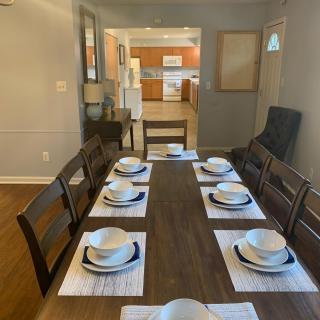
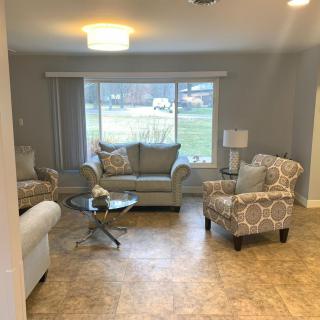
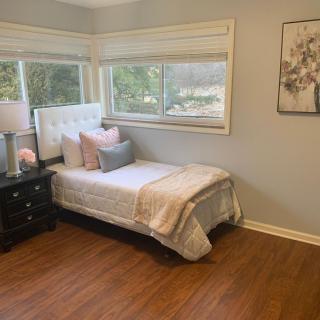
- The space is clean, organized, and comfortable, reflecting attention to detail.
Review
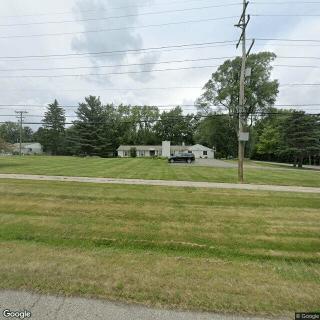
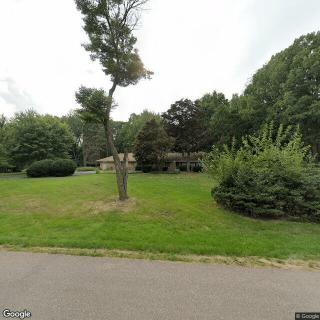
Comfort Home of Bloomfield in Troy is best suited for families seeking an intimate, highly personalized care environment where safety, dignity, and a family atmosphere are nonnegotiable. The community functions like a small, well-run home rather than a large institutional facility, with the owner and a dedicated team taking an active, hands-on role in daily care. It excels for seniors who need consistent, compassionate attention, particularly when memory challenges or end-of-life needs begin to dominate the caregiving landscape. For families prioritizing a warm, home-like setting over showroom amenities or formal programming, this is a compelling option.
At the same time, some families should consider alternatives. A lone one-star rating among seven reviews signals that not every experience will align perfectly, and potential residents should weigh expectations against what a small-group setting can deliver. Those who demand robust clinical oversight, a broad calendar of structured activities, or expansive on-site medical services may find the scale and resources of a larger facility more suitable. For individuals with complex medical regimens requiring frequent on-site nursing or therapy beyond basic support, exploring other options may be prudent.
The community’s strongest draws lie in its people and the personalized ethos. The owner and staff are described as exceptionally caring, gentle, and diligent, delivering care that feels more like family involvement than routine caregiving. Reviewers highlight safety anchored in a small, organized space, with the emphasis consistently on dignity and respect in every interaction. The capacity to adapt quickly to changing conditions, from shifting focus after a loved one’s passing to meeting evolving dementia needs, demonstrates a responsive culture that prioritizes the person over the process.
Equally notable are the tangible advantages of a compact, well-maintained setting. Cleanliness and careful attention to detail stand out, with a minimalist approach that reduces clutter and creates a calm, navigable environment. The ability to tailor routines and routines around individual preferences, whether addressing a vascular dementia trajectory or accommodating an elderly relative who simply needs steady, predictable support, appears to translate into smoother daily life for residents and less caregiver guesswork for families. This combination of warmth, orderliness, and a clear sense of purpose provides real emotional and practical relief to families navigating difficult caregiving decisions.
Proponents emphasize that the pros directly offset the potential limits of a smaller operation. The highly personal, family-like atmosphere mitigates concerns about less comprehensive programming or variable staffing by ensuring that caregivers know residents well and respond promptly to subtle needs. The emphasis on safety and dignity helps counter worries about institutional rigidity, while the home setting can be more forgiving for dementia care, where routines, familiarity, and gentle attention reduce agitation and confusion. The end-of-life and palliative-oriented care that appears ingrained in the practice also serves as a counterweight to the lack of hospital-like infrastructure; families experience continuity and empathy during profoundly challenging transitions.
For families weighing next steps, the takeaway is practical and direct. Comfort Home of Bloomfield delivers exceptional, individualized care in a small, home-like framework where the owner’s leadership and the staff’s steady dedication translate into meaningful, day-to-day advantages for residents with memory and end-of-life needs. If that alignment with a warm, attentive, and highly adaptable caregiving approach matches a family’s priorities, and if the desire is to avoid the impersonality that can accompany larger campuses, this community deserves serious consideration. If, however, the priority is expansive clinical services, a broad activity slate, or a facility with more extensive on-site medical resources, alternatives should be explored to avoid mediating a mismatch between needs and capabilities.
 6 resident community capacity
 Assisted Living
 Board and Care Home
 Memory Care
 Activities on-site
 Air-conditioning
 Cable or satellite TV
 Dining room
 Fully furnished
 Garden
 Ground floor units
 Housekeeping services
 Indoor common areas
 Move-in coordination
 Outdoor common areas
 Private
 Private bathrooms
 Small library
 Telephone
 Wi-Fi/high-speed internet available
 24-hour supervision
 Ambulatory care
 Assistance with bathing
 Assistance with dressing
 Assistance with transfers
 Diabetes diet
 Diabetic care
 High acuity care
 Incontinence care
 Meal preparation and service
 Medication management
 Special dietary restrictions
 Art classes
 BBQs or picnics
 Birthday parties
 Brain fitness
 Cooking classes
 Live dance or theater performances
 Live musical performances
 Pet-focused programs
 Stretching classes
 Trivia games
 Wii bowling



 Illuminating Insights About Alzheimer's Disease: Ten Crucial Realities
 A Thorough Discussion of Medications Potentially Linked to Dementia Risk
 Why Do Dementia Patients Sleep So Much? Understanding Oversleeping, Stages, and Care Approaches