
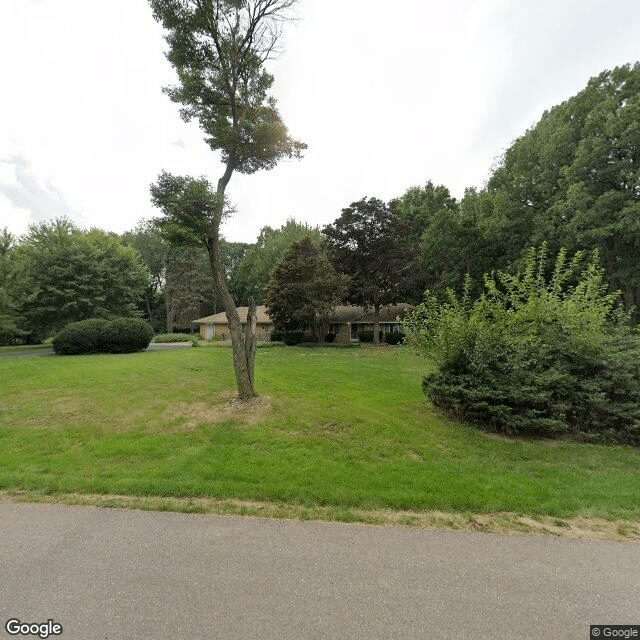
2660 Vhay Lane, Bloomfield, MI 48304
For more information about senior living options: (866) 208-4318
Chateau Of Bloomfield Costs & Pricing
Chateau of Bloomfield offers competitive monthly rates for its accommodations when compared to both Oakland County and the broader Michigan market. With private rooms, studios, and one-bedroom options each priced at $3,000 per month, residents find themselves enjoying significant savings. In contrast, the average costs in Oakland County range from $3,507 to $4,577 depending on room type, while the state averages are slightly lower but still exceed those at Chateau of Bloomfield. This makes Chateau a prudent choice for individuals seeking quality living arrangements without compromising their budget in a region where housing costs can be notably higher.
| Floor plans | Chateau Of Bloomfield | Oakland County | Michigan |
|---|---|---|---|
| Private | $3,000 | $3,708 | $3,674 |
| Studio | $3,000 | $4,577 | $3,824 |
| 1 Bedroom | $3,000 | $3,507 | $3,384 |
Memory care communities with a similar price nearby
-
About the same
Hutcheson Manor
$3,000 to $4,500 / month12.3 miles away -
from +$200 / mo
Vicky's Place
$3,200 to $6,000 / month8.5 miles away -
from +$500 / mo
Briar Hill Assisted Living
$3,500 to $4,500 / month10.7 miles away -
About the same
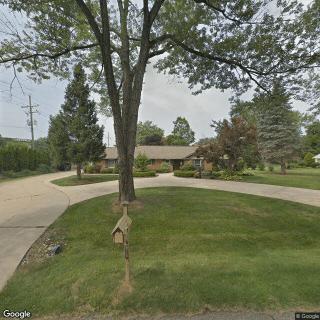
Butternut Hill Senior Living
$3,000 to $4,000 / month1.9 miles away -
from +$500 / mo
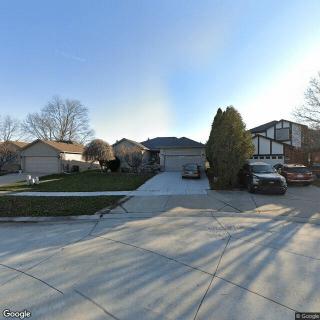
Crabtree Lane AFC Home
$3,500 to $5,500 / month6.5 miles away
Overall Review of Chateau Of Bloomfield
Pros
 Haven Lee Homes welcomes residents like family and treats them with warmth.
- The staff go the extra mile to care for everyone under their care.
- David and his team treat residents as if they were their own parents.
- The home feels warm and homelike, with home-cooked meals and a caring atmosphere.
- Families report that their loved ones are comfortable, happy, and thriving there.
- The facility is clean, spacious, and offers excellent food and attentive caregivers.
- There is no guilt in choosing Haven Lee Homes; families feel confident and grateful.
- The staff are described as absolutely superb and go above and beyond.
- Haven Lee Homes provides love, care, and support, and is described as a God-send by families.
Cons
 The reviewer notes that nobody answers the phone or returns calls, calls go to voicemail, and the website offers no solutions.
- The reviewer expresses hesitation about moving a loved one into the facility, describing it as too big and not giving an "at home" feeling.
Review
This community is best suited for families prioritizing a small, home-like setting where seniors receive highly personalized, attentive care from staff who treat residents like family. The environment appeals to those who want intimate daily interactions, easy access to caregivers, and a living arrangement that feels less clinical and more like a residence with familiar routines. Prospective residents who value home-cooked meals, clean, open living spaces, and consistent warmth from staff will find the culture here particularly compelling. The strongest fit is for individuals who thrive on meaningful connections with a close-knit caregiving team and who appreciate the chance to join in meals and activities with a sense of community.
Those who may want to consider alternatives include families seeking a larger campus with a broader amenities mix or those needing higher levels of medical oversight and formal memory-care programming. If a resident requires more robust, around-the-clock clinical attention, specialized memory-care pathways, or a highly structured activities calendar with frequent professional-led programming, a bigger operator with dedicated memory wings might be a better match. For families anxious about accessibility to administration or rapid communication, a facility with a more centralized, visible management presence could offer greater reassurance. In short, the more a residence resembles a small private home, the more this community shines; the more a resident’s needs resemble those seen in larger, medically oriented communities, the more compelling the alternatives become.
The principal advantages are unmistakable. A true home atmosphere comes through in the way meals, common areas, and daily routines feel familiar and welcoming. Caregivers are described as genuinely caring, treating residents as family, remembering preferences, and providing personalized attention that covers personal care, dietary needs, and social engagement. Cleanliness and a low resident-to-staff ratio enable frequent, meaningful interactions, with families reporting residents gain comfort quickly, participate confidently in activities, and maintain a sense of dignity and independence. The small size, often referenced as six residents in one setting, facilitates visible, consistent supervision, rapid response, and the ability for families to participate without feeling like they are navigating a large institution. These elements collectively offset the desire for a more formalized clinical environment.
The primary drawback echoed in the reviews is a communication-related concern: at least one note highlights difficulty reaching staff by phone or getting timely responses. In practice, this can translate to slower intake, scheduling transparency, or follow-through on administrative questions. Yet the warmth of on-site caregivers, the staff’s willingness to go the extra mile, and the palpable sense of belonging in daily life generally mitigate this risk. The contrast between a clearly engaged caregiving team and occasional administrative friction becomes a trade-off families must weigh: if immediate, always-on administrative accessibility matters, this is a point to probe during visits and ask for concrete escalation steps. If the resident’s circle of care is best served by deep, personal attention, the current culture more than compensates for occasional communications gaps.
For families evaluating options, practical steps matter: request unannounced visits to observe actual staff-resident interactions, meet the caregiving team assigned to the potential resident, and assess how meal times and activities are conducted. Inquire about dementia- or brain-injury-specific care plans, the availability of dietary accommodations, and how residents’ evolving needs are monitored and documented. Confirm visitation policies, transparency around pricing, what is included in monthly costs, and how family feedback is incorporated into care planning. The right choice hinges on whether the resident will flourish in a tightly knit, home-like setting with personalized attention or if a larger, more resource-rich environment is preferable for medical complexity.
In the end, this community stands out for families seeking a warm, intimate, person-centered living experience where staff genuinely become part of the resident’s extended family. It excels at delivering daily life with dignity, comfort, and consistent human connection, yielding meaningful improvements in mood, engagement, and overall well-being. The caveat about communication should be explored upfront, but it does not negate the profound advantages of a caregiving culture built on trust, accessibility, and personal warmth. For those prioritizing a true home away from home, this option warrants serious consideration, with a clear plan to confirm administrative responsiveness and ensure alignment of care goals with the resident’s needs.
 6 resident community capacity
 Assisted Living
 Board and Care Home
 Memory Care
 Activities on-site
 Cable or satellite TV
 Devotional services off-site
 Dining room
 Fully furnished
 Garden
 Housekeeping services
 Indoor common areas
 Move-in coordination
 Outdoor space
 Private
 Telephone
 Wi-Fi/high-speed internet available
 24-hour supervision
 Assistance with bathing
 Assistance with dressing
 Assistance with transfers
 Diabetes diet
 Diabetic care
 Incontinence care
 Meal preparation and service
 Medication management
 Special dietary restrictions
 Transportation arrangement (medical)
 Transportation to doctors appointments



 How to Communicate with a Loved One Living with Dementia: 10 Supportive Strategies
 Comprehensive Guide to VA Nursing Homes: A Crucial Long-Term Care Resource for Veterans
 Estimating the Expenses of At-Home Dementia Care: A Detailed Exploration