
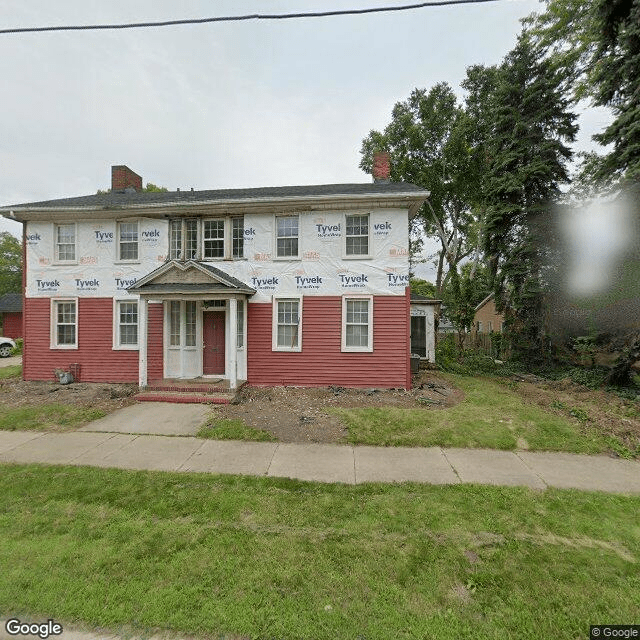
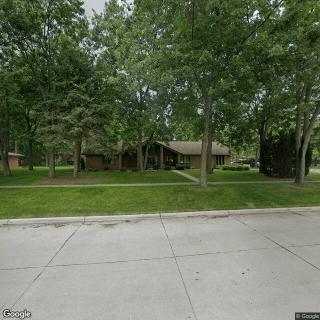
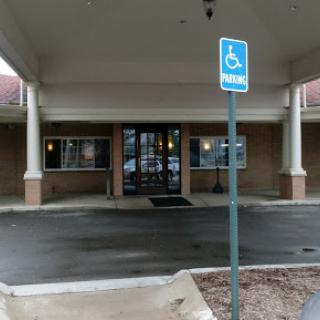
2003 West Jefferson, Trenton, MI 48183
For more information about senior living options: (866) 208-4318
Coach Stop Manor Costs & Pricing
At Coach Stop Manor, the monthly costs for accommodations reflect a competitive positioning within both Wayne County and the broader Michigan market. For private rooms, residents can expect to pay $3,650, which is slightly above the county average of $3,335 but closely aligns with the state average of $3,675. In terms of semi-private rooms, the rate is also set at $3,650. This price point notably exceeds the county's average of $2,860 while remaining lower than Michigan's statewide average of $3,191. Overall, Coach Stop Manor offers quality amenities and care that may justify its pricing strategy within this regional context.
| Floor plans | Coach Stop Manor | Wayne County | Michigan |
|---|---|---|---|
| Private | $3,650 | $3,335 | $3,674 |
| Semi-Private | $3,650 | $2,860 | $3,189 |
Assisted Living communities with a similar price nearby
-
from -$650 / mo
Hutcheson Manor
$3,000 to $4,500 / month22.3 miles away -
from -$155 / mo
Christman Adult Foster Care Home
$3,495 to $6,395 / month24.4 miles away -
from -$150 / mo
Briar Hill Assisted Living
$3,500 to $4,500 / month23.5 miles away -
from +$150 / mo
22nd Street Senior Care
$3,800 to $4,300 / month3.7 miles away -
from +$350 / mo
Grace Homecare
$4,000 to $4,500 / month18.5 miles away
Overall Review of Coach Stop Manor
Pros
 Mom loved living there.
- They provided exceptional care for her.
- Her family was always welcome to visit anytime.
Cons
 The reviewer toured the facility in the past and did not care for it.
Review
Coach Stop Manor in Trenton, Michigan, is best suited for families prioritizing hands-on, attentive caregiving and a warm, visitation-friendly environment. This community tends to reward residents whose care needs can be met through strong daily management and responsive staff, with an emphasis on making families feel welcome during visits. It works well for seniors who value reassurance that caregivers know who their loved one is and that family involvement is welcomed as a routine part of daily life. The arrangement may appeal to those seeking a home-like setting rather than a highly clinical atmosphere. At the same time, potential residents should note that first impressions and overall vibe may vary, depending on individual expectations.
On the upside, the strongest signal is caregiving quality. One family reports that their Mom loved living there and that exceptional care was provided, with staff attention that extended to the family’s ability to visit freely at any time. This isn’t just a nice sentiment; it signals real, practical support, help with daily activities, responsiveness when needs arise, and a culture where relatives are integrated into the care plan. A positive 5-star review reinforces that the core service delivery, care, safety, and responsiveness, can exceed expectations for those who enter with trust in the staff.
However, the other perspective introduces a caution. A prospective visitor who toured the facility came away with a negative impression, indicating that the experience did not align with their preferences. That single tour critique matters because it speaks to issues that families often weigh heavily: ambiance, layout, noise levels, and the overall feel of the community. With only two reviews, a single negative tour casts a spotlight on the possibility that the environment or day-to-day atmosphere may not match everyone’s taste, even when care itself is solid.
These elements don’t cancel each other out; they interact in practical ways. For families who prize genuine, attentive caregiving and open lines of communication with staff, the strong care signal can offset a less favorable tour impression. The ability to visit freely and know that staff will treat loved ones with warmth reduces anxiety about neglect or isolation. The trade-off is that those who require a uniformly polished first impression or who are sensitive to the feel of a facility during a first encounter may walk away with reservations. In these cases, detailed questions about staffing consistency, daily routines, and environment become essential.
Consider alternatives for families who want a more decisive positive first impression or who seek a broader range of amenities and programming. The mixed reviews suggest that while care quality is promising, the overall resident experience may be variable. Conduct thorough due diligence: request a current resident and family reference, tour at different times, review meal plans and activity calendars, and ask about staffing ratios and turnover. If possible, visit more than once and request a sample care plan tailored to a current need, such as memory care or mobility support, to see how well plans translate into daily practice.
In sum, Coach Stop Manor emerges as a viable option for those who value exceptional caregiving and welcoming family involvement above all else. It is less clear for families who place a premium on a consistently polished first impression or a uniformly curated resident experience. The practical path is to pursue a careful, multi-visit assessment, pair with candid references, and use concrete criteria, care quality, accessibility of staff, and fit with daily life, to guide the decision. If those criteria align, this community can deliver reliable peace of mind for families seeking dependable care and open, ongoing family engagement.
 6 resident community capacity
 Assisted Living
 Board and Care Home
 Cable or satellite TV
 Dining room
 Fully furnished
 Garden
 Housekeeping services
 Move-in coordination
 Outdoor space
 Private
 Respite or short term stays offered
 Telephone
 Wi-Fi/high-speed internet available
 Detroit Metropolitan-Wayne County (10 miles away)
 24-hour supervision
 Activities of daily living assistance
 Assistance with bathing
 Assistance with dressing
 Assistance with transfers
 Diabetes diet
 Diabetic care
 Meal preparation and service
 Medication management
 Special dietary restrictions
 Transportation arrangement (medical)
 Transportation to doctors appointments


 Comprehensive Insights into Activities of Daily Living (ADLs) and Their Assessment
 Medicare Coverage for Assisted Living: An In-Depth Exploration
 Choosing the Right Senior Care: A Detailed Exploration of Assisted Living and Nursing Homes