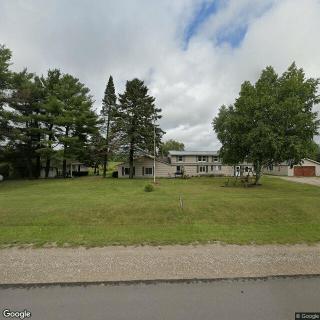
King Adult Living Center in Traverse City, MI

Save
King Adult Living Center

King Adult Living Center in Traverse City, MI

3935 E Long Lake, Traverse City, MI 49684

For more information about senior living options: (844) 490-3973

4.3 from 8 reviews
5 stars
4
4 stars
3
3 stars
0
2 stars
1
1 stars
0

Board and Care Home

King Adult Living Center Costs & Pricing

King Adult Living Center offers a competitive pricing structure for its residents, with monthly costs for both private and semi-private rooms set at $1,600. This is significantly lower than the average costs in Leelanau County, where similar private accommodations average around $3,526 and semi-private options around $2,853. Comparatively, the statewide averages in Michigan indicate that private rooms can reach about $3,675 and semi-private rooms approximately $3,191. By maintaining such affordable rates, King Adult Living Center positions itself as an attractive option for individuals seeking quality care and comfort without the financial burden often associated with senior living facilities.

Floor plansKing Adult Living CenterLeelanau CountyMichigan
Private$1,600$3,526$3,674
Semi-Private$1,600$2,853$3,189

Overall Review of King Adult Living Center

Pros

  • pro The facility is described as a top-notch assisted living complex.
  • pro It has a nice family atmosphere, with the owner/operator being very friendly and helpful.
  • pro The home is being remodeled and updated.
  • pro It is conveniently located near Traverse City shopping and medical facilities.
  • pro It is considered an awesome place.

Cons

  • pro The care in memory care/assisted living is just okay.
  • pro Residents were not being dressed daily, nor were they receiving showers.
  • pro Staff use patronizing language when talking to elderly residents.
  • pro The home is dated.
  • pro The bedrooms are small.
  • pro The owner was not aware that guests were coming.

Review

King Adult Living Center in Traverse City is best suited for seniors who want a small, familylike atmosphere with direct involvement from the owner and a location that makes errands, shopping, and medical appointments reasonably convenient. It works well for residents who are comfortable with a modest, homey setting and don't require advanced, high-intensity medical oversight. For someone edging from independent living into assisted living who values warmth, personal touch, and accessibility over polished luxury, this community can feel reassuring and familiar.

Those who should consider alternatives are families dealing with significant daily-activity needs or specialized memory-care requirements. If a loved one demands consistent, hands-on help with dressing, bathing, or other ADLs, the care quality described as "just okay" raises red flags that could affect safety and dignity over time. In addition, the occasional lack of proactive communication - such as visitors discovering that the owner wasn't aware of their coming - suggests potential gaps in staffing structure and scheduling. Prospective residents who prefer roomy living spaces, modern finishes, or a more clinical, highly monitored environment should look elsewhere to avoid disappointment.

On the positive side, the strongest lure is a genuine, family-oriented culture combined with an owner who is perceived as friendly and helpful. That personal sign-off from leadership can translate into attentiveness and faster problem resolution, especially when the home is navigating remodeling and updates. The location - central to Traverse City shopping and medical facilities - adds tangible practical value, reducing travel friction for families and residents alike. While the house is dated, the ongoing remodeling signals an active plan to improve, which can gradually translate into modestly enhanced comfort and function. The bedrooms, though small, are described as adequate for their intended purpose, reinforcing the sense that the setting prioritizes livability over luxury.

Yet the cons matter and cannot be dismissed. The care concerns highlighted in reviews cannot be glossed over and must be weighed heavily. When basic routines fall short - such as missed daily dressing or hygiene tasks - the risk to a resident's health and well-being grows substantially. The use of patronizing language by staff toward elderly residents also undermines dignity and trust, which are essential to a supportive caregiving environment. Taken together, these issues imply inconsistent care delivery and possible gaps in staff training or supervision that families would be wise to probe before committing. The combination of a warm family vibe with these care shortcomings creates a tightrope: the atmosphere is inviting, but the fundamental care performance is variable.

Overall, King Adult Living Center can be a reasonable choice for families who can actively participate in oversight, benefit from a tight-knit, home-like setting, and value location and ongoing improvements. For households prioritizing consistently rigorous daily care, transparent operations, and a higher level of professional training, the balance likely tilts toward alternatives with stronger staffing, clearer care protocols, and more predictable routines. The remodeling in progress is a meaningful signal, but it does not replace the need for reliable, respectful care in daily living tasks. Careful diligence is essential: request live demonstrations of routine care, discuss staffing ratios in depth, and speak with current residents or families about their ongoing experiences. Only with verified, steady care performance and transparent communication can this community move from a cautious "maybe" to a confident, sustained fit.

Features

Types of Care

  • Board and Care Home Board and Care HomeBoard and care homes provide a smaller, more intimate setting for seniors who require assistance with daily tasks but do not need the level of care offered by a nursing home. They offer personalized care, meals, and social activities in a homelike environment, ensuring that seniors receive individualized attention and support in their golden years.

Amenities

  • Activities off-site Activities off-siteEngaging in off-site activities is crucial for seniors to maintain social connections, stay active, and stimulate their minds. It promotes overall well-being and helps combat feelings of isolation and loneliness.
  • Activities on-site Activities on-siteActivities on-site are important for seniors because they provide opportunities for socialization, mental stimulation, physical activity, and overall well-being. Engaging in activities can help seniors stay active, maintain their independence, and improve their quality of life.
  • Devotional services off-site Devotional services off-siteDevotional services off-site are important for seniors as they provide spiritual nourishment, social engagement, and a sense of community outside of the senior living facility. This can enhance overall well-being and help combat feelings of isolation and loneliness often experienced by older adults.
  • Indoor common areas Indoor common areasIndoor common areas are crucial for seniors as they provide a space for socialization, recreation, and community engagement, promoting overall well-being and reducing feelings of isolation and loneliness.
  • Outdoor common areas Outdoor common areasOutdoor common areas are important for seniors as they provide a space for socialization, physical activity, and relaxation. Being outside in nature can improve mood and overall well-being, while also encouraging movement and engagement with others. These spaces can help combat feelings of isolation and promote a sense of community among residents.
  • Private PrivatePrivacy is important for seniors as it allows them to maintain their independence, dignity, and sense of control over their own lives. It also gives them the space and freedom to relax, reflect, and engage in activities that bring them joy and fulfillment. Creating private spaces within senior living facilities is crucial for promoting overall well-being and quality of life.
  • Private bathrooms Private bathroomsPrivate bathrooms are important for seniors in senior living communities because they provide independence, dignity, and comfort. Having a private bathroom allows seniors to maintain their personal hygiene routines without the need for assistance, promoting a sense of autonomy and privacy. Additionally, private bathrooms help prevent the spread of infections and provide a safe and clean environment for seniors to navigate safely.
  • Respite or short term stays offered Respite or short term stays offeredRespite or short term stays provide seniors with a temporary solution when their regular caregiver is unavailable, offering them the opportunity to receive additional care and support during times of need, while also giving caregivers a chance to rest and recharge.

Transportation

  • Cherry Capital (7 miles away) Cherry Capital (7 miles away)

Care Services

  • Ambulatory care Ambulatory care"Ambulatory care services provide essential medical support and treatment to seniors without requiring hospitalization, allowing them to maintain their independence and quality of life while managing chronic conditions or receiving routine medical care."
  • Diabetic care Diabetic careDiabetic care is crucial for seniors as they are more susceptible to developing diabetes due to aging and other health conditions. Proper management of diabetes can help prevent complications such as heart disease, vision loss, and nerve damage, improving the overall quality of life for seniors in senior living communities.
  • Incontinence care Incontinence careIncontinence care is essential for seniors to maintain their dignity, hygiene, and overall quality of life. By addressing incontinence issues promptly and effectively, seniors can enjoy a sense of independence and comfort in their daily activities.
  • Medication management Medication managementMedication management is crucial for seniors to ensure they are taking the right medications at the correct dosages and times. This helps prevent adverse drug interactions, reduces the risk of medication errors, and promotes overall health and well-being. Proactive management also allows for adjustments as needed based on changing health conditions or new prescriptions.

Dining

  • Kosher KosherKosher options are important for seniors because they adhere to dietary laws that are significant to many Jewish individuals, providing them with peace of mind and an opportunity to maintain their cultural traditions and beliefs while living in a senior living community.
  • Meals provided Meals provided"Meals provided" are crucial for seniors in assisted living communities as it ensures they have access to nutritious, balanced meals without the stress of meal planning and preparation. This can help promote overall health and well-being for seniors who may have limited mobility or cognitive abilities.
  • Vegetarian VegetarianA vegetarian diet is important for seniors because it can help lower the risk of chronic diseases, maintain a healthy weight, and provide essential nutrients needed for aging bodies. Additionally, plant-based diets are often easier on digestive systems and can contribute to overall well-being in older adults.

Activities

  • Activities off-site Activities off-siteEngaging in off-site activities is crucial for seniors to maintain social connections, stay active, and stimulate their minds. It promotes overall well-being and helps combat feelings of isolation and loneliness.
  • Activities on-site Activities on-siteActivities on-site are important for seniors because they provide opportunities for socialization, mental stimulation, physical activity, and overall well-being. Engaging in activities can help seniors stay active, maintain their independence, and improve their quality of life.
  • Devotional activities offsite Devotional activities offsiteDevotional activities offsite are important for seniors because they provide social engagement, spiritual growth, and a sense of community outside of their living environment. This can improve overall well-being, mental health, and combat feelings of isolation or loneliness.

Description

The King Adult Living Center in Traverse City, MI is a premier assisted living community that provides exceptional care and an array of amenities for its residents. Situated in a peaceful neighborhood, the center offers a comfortable and welcoming environment for older adults seeking a supportive community.

Residents at King Adult Living Center can enjoy a wide range of activities right on-site, designed to promote wellness and social engagement. From exercise classes to arts and crafts workshops, there is always something exciting happening within the community. Additionally, devotional services are available off-site for those who value spiritual well-being.

The indoor common areas provide comfortable spaces for residents to relax or socialize with their peers. The outdoor common areas offer beautifully landscaped gardens and seating areas, providing opportunities to enjoy fresh air and connect with nature. Each resident is provided with a private room with their own bathroom, ensuring privacy and comfort.

At King Adult Living Center, seniors receive specialized care tailored to their needs. The professional staff includes trained caregivers who can assist with diabetic care, incontinence care, and medication management. This ensures that residents have the support they need to maintain their health and independence.

Meals are provided for all residents, with options available for vegetarian diets. Nutritionally balanced and delicious meals are prepared by skilled chefs using fresh ingredients. These dining experiences provide not only nourishment but also opportunities for socialization among residents.

Beyond the center's amenities and care services, King Adult Living Center boasts an excellent location in close proximity to several local conveniences. With four nearby cafes, 10 pharmacies, and 33 restaurants, residents have easy access to dining options and everyday essentials. There are also two parks nearby where residents can enjoy outdoor activities or take peaceful walks. In case of any medical needs, there are 43 physicians and five hospitals conveniently located near the center.

Overall, King Adult Living Center is committed to offering high-quality assisted living services along with various amenities that foster a vibrant and fulfilling lifestyle for older adults. With its exceptional care, comfortable accommodations, and convenient location, this community is an ideal choice for those seeking a supportive and enriching living experience in Traverse City, MI.

Nearby Places of Interest

This part of Traverse City, Michigan offers a variety of amenities and services that cater to seniors looking for convenience and comfort. With a range of dining options such as Moomers Farm Creamery, Mulligan's Pub & Grill, and Taqueria TC Latino, there is plenty of opportunity to enjoy delicious meals out. Additionally, the presence of reputable physicians and medical centers like Northern Vision Eye Care and Munson Healthcare ensures access to quality healthcare services. The area also boasts a number of pharmacies for easy prescription refills and hospitals like Munson Medical Center for comprehensive medical care. For leisure activities, seniors can visit theaters like AMC CLASSIC Cherry Blossom 14 or relax at cafes such as Panera Bread or Starbucks. Parks like Grand Traverse Veterans Memorial Park provide opportunities for outdoor recreation and relaxation. Overall, this part of Traverse City offers a well-rounded community with amenities tailored to the needs of seniors seeking a comfortable and vibrant living environment.

Restaurants

  • Moomers Farm Creamery (0.1 miles)
  • Mulligan's Pub & Grill (2.2 miles)
  • Taqueria TC Latino (2.4 miles)
  • Earthen Ales (3.6 miles)
  • Spanglish (3.7 miles)
  • Red Lobster (3.7 miles)
  • Left Foot Charley (3.7 miles)

Places of Worship

  • Kensington Church (1.8 miles)
  • St Francis Catholic Church (4.7 miles)

Physicians

  • Northern Vision Eye Care (3 miles)
  • The Center for Plastic Surgery Northern Michigan (3.1 miles)
  • Amalfi Vein Center & Medical Spa (3.1 miles)
  • Northshore Rehab (3.1 miles)
  • Digestive Health Associates (3.2 miles)
  • Vascular Center of Northern Michigan (3.3 miles)
  • Bay Area Urology Associates PC (3.4 miles)

Pharmacies

  • The Prescription Shop (3.1 miles)
  • Hometown Pharmacy (3.1 miles)
  • Olesons West Pharmacy (3.3 miles)
  • Walgreens (3.8 miles)
  • Munson Ambulatory Pharmacy (3.9 miles)
  • Sixth Street Drugs (4 miles)
  • Good Neighbor Pharmacy (4 miles)

Hospitals

  • Copper Ridge Surgery Center (3.2 miles)
  • Munson Healthcare (3.5 miles)
  • Munson Medical Center - Outpatient Services (3.9 miles)
  • Munson Medical Center (3.9 miles)
  • Cowell Family Cancer Center (4 miles)

Theaters

  • AMC CLASSIC Cherry Blossom 14 (3.4 miles)

Cafes

  • Panera Bread (3.6 miles)
  • Starbucks (3.6 miles)
  • Aroma's Coffee & Tea (4.2 miles)
  • Brew (4.8 miles)

Parks

  • Grand Traverse Veterans Memorial Park (4 miles)
  • The Open Space (4.8 miles)

Frequently Asked Questions

How much does it cost to live at King Adult Living Center in Traverse City, MI?
Where is King Adult Living Center?

Nearby Communities

  • King Adult Living Center

    King Adult Living Center

    Traverse City, MI


    pro Small, homelike setting with 24/7 supervision and coordinated medical care.

  • Joy Givers Senior Homes

    Joy Givers Senior Homes

    Traverse City, MI

    5 from 3 reviews
     

    pro Compassionate staff, clean home-like atmosphere, and strong sense of community.

  • Joy Givers

    Joy Givers

    Traverse City, MI


    pro Comprehensive care: 24-hour supervision, medication management, meals, and a mental wellness program.

  • Cherry Hill Nest

    Cherry Hill Nest

    Traverse City, MI

     
    $2,900 to $3,700 / month

    pro Small 6-bed community offering personalized care with memory care programming.

  • Kennedy House West

    Kennedy House West

    Traverse City, MI


    pro Fully furnished apartments with comprehensive care and move-in coordination.

  • Cherry Hill Haven III

    Cherry Hill Haven III

    Traverse City, MI


    pro Specialized memory care programming with 24-hour supervision and tailored support.

  • Culver Meadows Senior Living

    Culver Meadows Senior Living

    Traverse City, MI


    pro Intimate 20-bed community with 24/7 supervision and memory care.

  • The Village at Bay Ridge

    The Village at Bay Ridge

    Traverse City, MI

    4.3 from 3 reviews
    $1,165 to $1,435 / month

    pro Quality of care and cleanliness with broad on-site amenities and a pet-friendly policy.

  • Cordia at Grand Traverse Commons

    Cordia at Grand Traverse Commons

    Traverse City, MI

    4.4 from 31 reviews
    $3,255 to $5,875 / month

    pro Beautiful facility with attentive staff, engaging activities, and gourmet dining.

Related Resources

  • fecal incontinenceFecal Incontinence in Older Adults: A Comprehensive Guide

    Fecal incontinence, prevalent among older adults, arises from factors like weakened pelvic muscles and nerve damage, significantly affecting well-being and social interactions. Diagnosis involves clinical evaluation and tests to inform tailored treatments, while caregivers and preventive measures can aid in managing the condition effectively.

  • anticipatory griefRecognizing the Journey: Understanding and Navigating Anticipatory Grief

    Anticipatory grief is an emotional response to the impending loss of a loved one, characterized by complex emotions such as sadness and anger, and involves navigating stages similar to those identified by Kübler-Ross. Coping strategies are vital for managing this process, emphasizing compassionate communication, self-care, and support groups while recognizing the cultural influences on grieving.

  • adult day careEncouraging Participation in Adult Day Care: A Guide to Supporting a Hesitant Parent

    Adult day care programs offer essential support and activities for older adults, yet many hesitate to participate due to concerns about independence and stigma. To alleviate these apprehensions, families should facilitate open discussions, explore financial resources, suggest trial visits, and collaborate with healthcare providers to highlight the benefits of such services for both the participants and their caregivers.