
7340 Jackman Road, Temperance, MI 48182
For more information about senior living options: (866) 208-4318
Overall Review of Garden Lodge
Pros
 They put on a good show when visitors are there.
- The interior has been remodeled and feels brand new.
- The staff has been alright.
- The facility has undergone a full interior rebuild, giving it a fresh look.
Cons
 Access to the facility is blocked by COVID, with ongoing problems making visits difficult.
 - Staff tell her she’s a nuisance for pushing the call button and for being too heavy.
- They place items far away, forcing her to call for help, and then complain that she’s a nuisance.
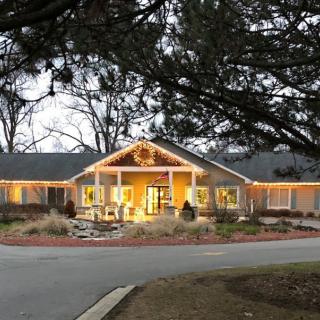
- The driveway and grounds are covered in pine needles, suggesting it hasn’t been cleaned.
- Even though the interior was remodeled, the reviewer can’t access it, leaving the improvements unused.
- The room is pricey, with advertised lower prices followed by price increases as more help is needed.
Review
Garden Lodge in Temperance, Michigan is best suited for families confronting high-need care needs who also value a modern, private-room setting within a multi-building campus. The facility offers a newer interior after a full remodel and a campus layout that includes several living options, which can accommodate varying levels of assistance under one roof. For a resident who requires consistent hands-on help but can maintain some independence in a calm, wooded environment, Garden Lodge can feel like a fit, provided there is agreement on cost and the pace of service.
Those considering alternatives should note that Garden Lodge may not be ideal for families prioritizing consistently reliable staffing and transparent, predictable pricing. If the priority is straightforward access to help, prompt responses, and a respectful, loan-free care dynamic, other communities, especially smaller, more intimate homes or operators with clearer price structures, should be explored. The appeal here lies more in a newer, quieter setting and the potential for tailored arrangements, rather than a guarantee of seamless daily support.
The upside of Garden Lodge centers on the campus’s physical and logistical setup. The interior is described as recently rebuilt, with a modern feel that can be materially nicer than older, pre-renovation facilities. Having multiple buildings on site offers flexibility in choosing a level of care and living arrangement that may better fit a resident’s routine or mood. The staff are described as “alright,” which suggests adequate day-to-day functioning, and the wooded, off-road location implies a peaceful environment that can reduce daytime stress for some residents. For families who prize updated surroundings and a structured setting, these elements can offset some care-related concerns.
However, the most consequential drawbacks are sizeable and hard to overlook. The care dynamic described paints a troubling picture: a resident who needs substantial assistance is sometimes treated as a nuisance for requiring more help, and tasks are placed out of reach so she must call for assistance, only to be reprimanded for doing so. This kind of interaction undermines trust and can erode the resident’s sense of dignity and autonomy. Coupled with that is a pricing model that appears inconsistent: a room that starts with a higher price tag seems to rise as care needs intensify, despite marketing that suggests lower base costs. Such volatility makes budgeting difficult and can leave families feeling blindsided.
Maintenance and access concerns compound the decision. The driveway and surrounding area are described as unkempt, with pine needles accumulating as if not regularly cleaned, which signals attentiveness gaps beyond daily care. Accessibility issues are reinforced by the impression that family members cannot easily reach or visit, which complicates oversight and makes real-time quality checks harder. Together, these physical and relational friction points erode confidence in a smooth, resident-centered experience, especially for families who rely on consistent updates and responsive care teams.
Given these realities, a practical path for families is to push for concrete, verifiable assurances before committing. Request a detailed care plan with explicit response times, staffing ratios by shift, and a day-in-the-life schedule that matches the resident’s needs. Obtain a transparent, line-item price breakdown that covers room, care, and any additional services, plus clear policies on rate increases tied to escalating assistance. Insist on a trial period or short-term placement with scheduled family check-ins and progress notes so decisions can be revisited if care quality or interactions do not meet expectations. In addition, talk to current residents or family members about daily responsiveness, respect in interactions, and the practicality of the living arrangements.
Ultimately, Garden Lodge can be a viable option for families who accept elevated costs and accept the possibility of variability in service quality in exchange for a newer interior, a quiet, wooded campus, and options across multiple buildings. It is not a one-size-fits-all solution, and the decision should tilt toward alternatives if the top priorities are consistently dependable staffing, respectful resident interactions, and transparent pricing. For caregivers with the flexibility to navigate these dynamics and a willingness to advocate actively for their loved one, Garden Lodge remains a reasonable contender worth exploring, but only after a thorough, probing set of due-diligence steps is completed.
 20 resident community capacity
 Assisted Living
 Board and Care Home
 Memory Care
 Beauty salon
 Cable or satellite TV
 Dining room
 Fully furnished
 Garden
 Housekeeping services
 Kitchenette
 Move-in coordination
 Outdoor space
 Telephone
 Wi-Fi/high-speed internet available
 Toledo Express (16 miles away)
 24-hour call system
 Activities of daily living assistance
 Assistance with bathing
 Assistance with dressing
 Assistance with transfers
 Diabetes diet
 Hospice waiver
 Meal preparation and service
 Medication management
 Mental wellness program
 Special dietary restrictions
 Transportation arrangement (medical)
 Transportation to doctors appointments






 Dementia Behaviors: In-Depth Understanding and Effective Coping Strategies
 5 Early Indicators of Dementia and What You Can Do
 8 Important Indicators That Memory Care May Be Necessary