
4077 Oakley Rd, Stockbridge, MI 49285
To contact a resident: (517) 851-7501
For more information about senior living options: (866) 208-4318
Walnut Ridge Country Estates Costs & Pricing
At Walnut Ridge Country Estates, the monthly cost for a semi-private room is set at $2,800, which positions it as a more affordable option compared to the average rates seen in Washtenaw County and the broader Michigan region. In Washtenaw County, similar accommodations typically run about $3,383 per month, while across the state of Michigan, the average cost hovers around $3,191. This means that residents at Walnut Ridge can enjoy significant savings while still receiving quality care and comfortable living conditions. The facility's pricing strategy reflects a commitment to providing accessible and high-quality services within an increasingly competitive market.
| Floor plans | Walnut Ridge Country Estates | Washtenaw County | Michigan |
|---|---|---|---|
| Semi-Private | $2,800 | $3,383 | $3,189 |
Memory care communities with a similar price nearby
-
About the same
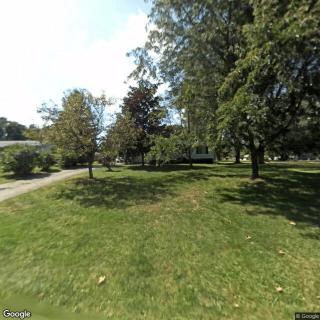
Dragonfly Manor
$2,800 to $3,000 / month11.4 miles away -
from -$300 / mo
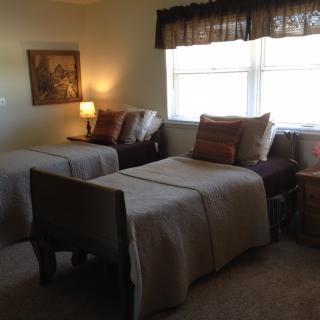
Sunset Pines AFC
$2,500 to $3,500 / month12.1 miles away -
from +$400 / mo

Safe Haven Assisted Living
$3,200 to $4,200 / month15.7 miles away -
from +$350 / mo
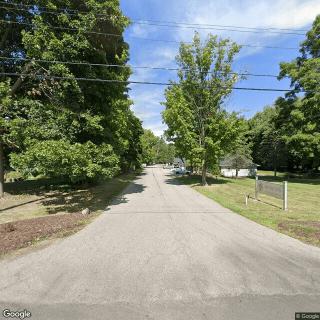
Prestige Way
$3,150 to $4,200 / month19.2 miles away -
from -$300 / mo

Craft Care Home
$2,500 / month16.3 miles away
Overall Review of Walnut Ridge Country Estates
Pros
 Jenny and her staff cared for a mom for almost three years.
- They demonstrated caring and compassionate attitudes toward their wards.
- Their care is described as over five stars.
Review
Walnut Ridge Country Estates in Stockbridge, Michigan is best suited for families seeking an intimate, family-style setting where aides and administrators know residents by name and care continuity matters more than every bell and whistle. The two published reviews spotlight staff whose compassion and consistency stand out, noting that a mom was cared for by Jenny and her team for nearly three years. That kind of longevity is rare in larger facilities and signals a culture built on relationships rather than routine checklists. This is a setting that rewards steady hands, personal attention, and a warmth that translates into daily reassurance for relatives wrestling with the decision to place a loved one.
Those who need more structured medical oversight, dementia-specific programming, or a broader slate of on-site services may want to consider alternatives. A family facing complex health needs, frequent changes in care plans, or a preference for a larger campus with more activities and transport options may find Walnut Ridge too small or too narrowly scoped. In short, this is not the choice for situations where high clinical acuity dominates the decision; it shines when genuine caregiver devotion and a low-traffic, home-like atmosphere are the decisive factors.
From the available feedback, the principal pro is unmistakable: caregiving that feels personal and sustained. The staff’s caring and compassionate attitudes are the emotional anchor, and the long tenure with residents signals low turnover and reliable presence, a critical factor for seniors who want to be understood and remembered. However, the main con is the dearth of broad public feedback and the absence of detail about daily life, meals, activities, safety features, and the level of medical support are not spelled out in these notes. That gap means families must verify through direct observation rather than rely on secondhand impressions.
These strengths offset the gaps to a degree. When a resident is cherished over years, anxiety about entering care drops dramatically for both seniors and their families, and that continuity creates a stable routine that can reduce confusion and improve mood for residents who thrive on predictability. Yet the lack of wide data means risks remain: shifts in staffing, variability in programming, or unpublicized costs could alter the experience. The balance tilts toward a favorable view for those prioritizing trust, warmth, and steady companionship over a full menu of high-end amenities.
Practical steps help separate fit from misfit. Schedule a visit and request to meet the caregiving team in person; observe how staff interact with residents and handle common tasks. Ask to review a current care plan and any supplemental services available, including medication management, transportation, and assistance with activities of daily living. Inquire about memory care availability if a loved one faces cognitive challenges, and ask for written details on licensing, safety certifications, and staffing ratios. Consider a short trial period or a temporary stay if possible, to test whether the emotional climate matches the stated emphasis on compassion.
Bottom line: Walnut Ridge Country Estates offers an unusually warm, relationship-driven environment that can be a lifeline for families prioritizing continuity and authentic caregiver attention. It is a strong fit for residents who respond well to familiar faces and a predictable, comforting routine. Those requiring advanced clinical oversight, dementia-specific programming, or a broader, more active social ecosystem should explicitly explore alternatives and compare offerings. With careful due diligence, this community can be the right home for elders who value humane, steadfast care over pageantry and can bring peace of mind to families seeking reliable, heart-led support.
 Assisted Living
 Memory Care
 Activities on-site
 Devotional services off-site
 Indoor common areas
 Ambulatory care
 Diabetic care
 Meals provided

 Exploring the Contrasts Between Assisted Living and Skilled Nursing
 Vibrant Senior Living: A Comprehensive Guide for Active Older Adults
 Assisted Living and Memory Care: Understanding Their Core Differences