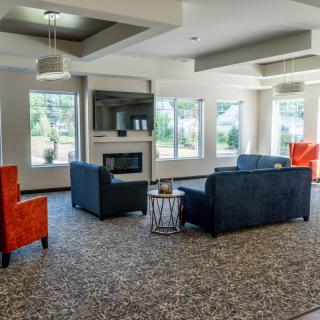
Ohana Group Living in Sterling Heights, MI

Save
Ohana Group Living

Ohana Group Living in Sterling Heights, MI

39849 Crystal Drive, Sterling Heights, MI 48310

For more information about senior living options: (844) 490-3973

5 from 1 review
Assisted Living Board and Care Home Memory Care

Overall Review of Ohana Group Living

Pros

  • pro Ohana provided excellent care for two years to the author's mother, who had dementia.
  • pro The home was immaculate throughout.
  • pro The food was superb, always fresh and homemade.
  • pro Affordability is notable for the level of care provided.
  • pro The mother was always clean, with a fresh set of clothing every day.
  • pro The staff provided a photograph of the mother each day.
  • pro The home is described as an eleven on a scale of ten.

Review

Ohana Group Living in Sterling Heights is best suited for families seeking dementia care in a warm, home-like setting where individualized attention, transparent communication, and affordability are the top priorities. The experiences shared reflect two years of steady, attentive care for a loved one with dementia in a residence that feels intimate rather than institutional. The environment is described as immaculate, with a consistently clean, comfortable ambiance that supports dignity and routine. Meals stand out as a meaningful strength - fresh, homemade, thoughtfully prepared - as does everyday housekeeping and personal care, including daily changes of clothing. Importantly, families gain daily reassurance through regular visual updates, in this case a photograph delivered each day, which can be a powerful anchor for peace of mind.

Those weighing alternatives should consider residents whose needs extend beyond what a small, caregiver-led home can consistently provide. If a resident requires ongoing, high-intensity medical oversight, access to a wide spectrum of on-site specialists, or a campus-style environment with expansive activity calendars, exploring larger assisted living communities or dedicated memory-care facilities may be prudent. This is not to imply a deficit, but rather to acknowledge that the model at Ohana prioritizes intimacy, routine, and personalized attention over the breadth of services typical of bigger operations. Families should align expectations about medical coverage, transport options, and structured programming with the realities of a smaller, home-based setting.

The most compelling pros - the spotless, homey atmosphere, the high-quality, fresh meals, the evident affordability for this level of care, and the daily personal touch - play directly into what matters most for many families navigating dementia care. When care is delivered in a less clinical environment, caregivers can observe subtle changes, respond quickly, and tailor meals and routines with agility. The combination of cleanliness, home-cooked nutrition, and transparent communications like daily photographs reduces anxiety for families and contributes to a sense of continuity and dignity for residents. These advantages collectively help offset typical concerns around cost and impersonal service that often accompany larger facilities.

Another strength worth highlighting is the personal consistency that a small home can provide. Daily routines, communal dining, and a predictable schedule can be invaluable for a person with dementia, supporting memory cues and emotional stability. Cleanliness and fresh attire every day reinforce a sense of respect and care, signaling that the resident is valued. The willingness to share a photograph each day is not merely a convenience; it becomes a practical tool for families to stay emotionally connected, which can reduce guilt and worry during transitions. In short, the practical perks translate into tangible quality-of-life gains for both residents and their families.

Practically, families approaching Ohana should verify expectations against the resident's needs. Key decision criteria include the level of daily hands-on supervision, the availability of staff trained specifically in dementia care, and the degree of resident independence preserved within the home setting. It is wise to inquire about meal customization, religious or cultural dietary considerations, and the cadence of updates beyond the daily photo. Cost remains a focal point; the affordability noted by one reviewer is a meaningful differentiator, but clarity on what is included in monthly rates - care assistance, medications, laundry, and transportation - will prevent surprises. A candid exploration of evening routines, nightlife or activity options, and respite coverage will also help families determine fit.

Overall, Ohana Group Living stands out as a strong match for families prioritizing a nurturing, intimate dementia care environment in Sterling Heights. The combination of meticulous cleanliness, high-quality, homemade food, daily personal updates, and clear affordability creates a compelling value proposition for those who value individualized attention and a homelike atmosphere over the breadth of services found in larger facilities. For residents whose needs center on daily quality of life, predictable routines, and visible caregiver investment, this community offers reassurance, dignity, and practical support. Those requiring extensive medical oversight, campus-level programming, or highly diversified activity schedules should consider alternatives that align more closely with those expectations.

Features

Housing

  • 6 resident community capacity 6 resident community capacity

Types of Care

  • Assisted Living Assisted LivingAssisted living facilities provide crucial support and care for seniors who may need help with daily tasks such as medication management, bathing, and meal preparation. These communities offer a safe and comfortable environment where seniors can maintain their independence while receiving the assistance they need to thrive in their golden years.
  • Board and Care Home Board and Care HomeBoard and care homes provide a smaller, more intimate setting for seniors who require assistance with daily tasks but do not need the level of care offered by a nursing home. They offer personalized care, meals, and social activities in a homelike environment, ensuring that seniors receive individualized attention and support in their golden years.
  • Memory Care Memory CareMemory care is crucial for seniors as it provides specialized support and services for individuals with dementia or Alzheimer's disease. These programs offer a safe and secure environment where residents receive personalized care, cognitive stimulation, and help with daily activities. Memory care helps seniors maintain their independence, quality of life, and dignity while also providing peace of mind for their families.

Amenities

  • Cable or satellite TV Cable or satellite TVCable or satellite TV is important for seniors because it provides entertainment, news, and companionship, helping to combat loneliness and boredom. It also offers a wide range of programming options tailored to different interests and preferences.
  • Dining room Dining roomDining rooms are important for seniors as they provide a space for socialization, connection, and nutritious meals. They offer opportunities for residents to bond over shared meals, foster a sense of community, and promote healthy eating habits. Dining rooms also ensure that seniors have access to well-balanced meals tailored to their dietary needs and preferences.
  • Fully furnished Fully furnishedFully furnished senior living communities are important for seniors because they provide convenience, comfort, and a hassle-free moving experience. Seniors can easily settle into their new living space without the stress of having to buy and move furniture. This allows them to focus on enjoying their new home and community.
  • Garden GardenGardens are important for seniors as they provide a peaceful and therapeutic environment for relaxation, physical activity, and socialization. Being in nature has been shown to reduce stress, improve mood, and promote overall well-being. Gardens also offer opportunities for seniors to engage in gardening activities, which can improve mobility, flexibility, and cognitive function. Additionally, gardens create a sense of community and connection with others who share a passion for plants and outdoor spaces.
  • Housekeeping services Housekeeping servicesHousekeeping services are important for seniors because they help maintain a clean and safe living environment, promote independence, and reduce the risk of accidents or illnesses. Additionally, having assistance with household chores can alleviate physical strain and allow seniors to focus on other aspects of their well-being.
  • Laundry LaundryLaundry services are important for seniors as they may have difficulty with physical tasks such as bending, lifting, or carrying heavy loads. Having access to laundry services can help seniors maintain personal hygiene, cleanliness, and independence in their daily lives.
  • Move-in coordination Move-in coordinationMove-in coordination is important for seniors because it helps ease the transition into their new living environment. It ensures that all logistics, such as packing, organizing movers, and setting up utilities are taken care of, allowing seniors to focus on settling in and adjusting to their new home. Having a smooth move-in process can alleviate stress and anxiety, making the transition smoother and more enjoyable for seniors.
  • Outdoor space Outdoor spaceOutdoor spaces are important for seniors as they provide opportunities for physical activity, social interaction, exposure to natural light and fresh air, and a sense of connection to nature. Having access to outdoor spaces can improve overall well-being and quality of life for older adults living in senior communities.
  • Respite or short term stays offered Respite or short term stays offeredRespite or short term stays provide seniors with a temporary solution when their regular caregiver is unavailable, offering them the opportunity to receive additional care and support during times of need, while also giving caregivers a chance to rest and recharge.
  • TV room TV roomTV rooms are important for seniors in senior living communities because they provide a space for social interaction, entertainment, and relaxation. Watching TV can help reduce feelings of loneliness and boredom, and create a sense of community among residents. Additionally, TV rooms offer a break from daily routines and can be a source of comfort and familiarity for seniors.
  • Telephone TelephoneTelephones are important for seniors as they provide a lifeline for communication with loved ones, emergency services, and healthcare providers. They offer a sense of security and independence, enabling seniors to stay connected and access assistance when needed.
  • Wi-Fi/high-speed internet available Wi-Fi/high-speed internet availableWi-Fi/high-speed internet is important for seniors to stay connected with loved ones, access online resources, and participate in virtual activities to combat feelings of loneliness and isolation. It also allows them to easily manage healthcare needs, access entertainment, and engage in lifelong learning opportunities.

Care Services

  • 24-hour supervision 24-hour supervision24-hour supervision is important for seniors to ensure their safety, well-being, and access to immediate assistance in case of emergencies or health issues. This constant support provides peace of mind for both seniors and their loved ones, allowing them to age in place with dignity and security.
  • Activities of daily living assistance Activities of daily living assistanceActivities of daily living assistance are important for seniors because they provide essential support with tasks such as eating, bathing, dressing, and mobility. This assistance helps seniors maintain their independence, dignity, and overall quality of life as they age.
  • Assistance with bathing Assistance with bathingAssistance with bathing is crucial for seniors as it helps maintain personal hygiene, prevents infections, and ensures their overall well-being and comfort. It also provides a sense of dignity and independence for seniors who may struggle with this task on their own.
  • Assistance with dressing Assistance with dressingAssistance with dressing is important for seniors because it helps maintain their independence, promotes personal hygiene, prevents accidents and injuries, and improves overall quality of life. This service ensures that seniors can continue to dress comfortably and confidently, despite any physical limitations they may have.
  • Assistance with transfers Assistance with transfersAssistance with transfers is crucial for seniors as it helps prevent falls and injuries, maintains their independence, and ensures they can safely navigate their living environment. It also provides peace of mind for both seniors and their loved ones.
  • Companion care Companion careCompanion care is crucial for seniors as it provides social interaction, emotional support, and companionship, which can improve quality of life, mental health, and overall well-being. This type of care can combat feelings of loneliness and isolation often experienced by seniors and ensure they have someone to talk to and engage with on a regular basis.
  • Coordination with health care providers Coordination with health care providersCoordination with health care providers is crucial for seniors to ensure proper medical care, medication management, and overall well-being. This collaboration helps prevent overlapping treatments, track progress more effectively, and provide comprehensive support tailored to individual needs.
  • Diabetes diet Diabetes dietA diabetes diet is crucial for seniors as it helps manage blood sugar levels, reduce risks of complications, and improve overall health and well-being. By following a balanced and nutritious diet tailored to their specific needs, seniors can better control their diabetes and enhance their quality of life.
  • Hospice care Hospice careHospice care is important for seniors as it provides specialized end-of-life support, pain management, and emotional comfort for both the senior and their loved ones. It allows seniors to maintain dignity, receive personalized care, and spend their remaining time in a peaceful and comfortable environment.
  • Meal preparation and service Meal preparation and serviceMeal preparation and service are crucial for seniors as they may have limited mobility or energy to cook nutritious meals. Having access to healthy and convenient food options can ensure they are getting the proper nutrition needed to maintain their overall health and well-being.
  • Medication management Medication managementMedication management is crucial for seniors to ensure they are taking the right medications at the correct dosages and times. This helps prevent adverse drug interactions, reduces the risk of medication errors, and promotes overall health and well-being. Proactive management also allows for adjustments as needed based on changing health conditions or new prescriptions.
  • Personal care assistants Personal care assistantsPersonal care assistants are essential for seniors as they provide assistance with daily tasks, such as dressing, bathing, and medication management. They offer crucial support and companionship to help seniors maintain independence and quality of life in their own homes or in senior living communities.
  • Physical therapy Physical therapyPhysical therapy is essential for seniors to maintain and improve their mobility, strength, and overall quality of life. It helps reduce pain, prevent falls, and enhance independence in daily activities. By promoting movement and function, physical therapy can help seniors stay active, healthy, and engaged in their communities.
  • Special dietary restrictions Special dietary restrictionsSpecial dietary restrictions are important for seniors because age-related changes in metabolism and health conditions can make it difficult for their bodies to process certain foods. By following a diet tailored to their specific needs, seniors can maintain their overall health and well-being, manage chronic conditions, and reduce the risk of complications such as malnutrition or food interactions with medications.
  • Transportation arrangement (medical) Transportation arrangement (medical)Transportation arrangements for medical purposes are essential for seniors as they may have difficulty driving themselves to appointments or accessing public transportation. Having reliable and safe transportation options ensures that seniors can receive timely medical care and maintain their health and well-being.
  • Transportation to doctors appointments Transportation to doctors appointmentsTransportation to doctors' appointments is crucial for seniors as it ensures they have access to necessary medical care and support for their health needs. Without reliable transportation, seniors may struggle to attend important appointments, leading to potential delays in treatment and health complications. Providing transportation services helps seniors maintain their overall well-being and quality of life.

Dining

  • Diabetes diet Diabetes dietA diabetes diet is crucial for seniors as it helps manage blood sugar levels, reduce risks of complications, and improve overall health and well-being. By following a balanced and nutritious diet tailored to their specific needs, seniors can better control their diabetes and enhance their quality of life.
  • Kosher KosherKosher options are important for seniors because they adhere to dietary laws that are significant to many Jewish individuals, providing them with peace of mind and an opportunity to maintain their cultural traditions and beliefs while living in a senior living community.
  • Low / no sodium Low / no sodiumLow/no sodium options are important for seniors because excessive sodium intake can lead to high blood pressure, heart disease, and other health issues commonly experienced by older adults. By choosing low/no sodium foods, seniors can better manage their health and reduce their risk of developing these conditions.
  • Low fat Low fatLow fat diets are important for seniors because they can help reduce the risk of heart disease, stroke, and other health issues commonly faced by older adults. Consuming less fat can also help manage weight and improve overall health and well-being in the senior population.
  • Renal RenalRenal health is crucial for seniors because the kidneys play a key role in filtering waste and toxins from the body. As we age, the risk of developing kidney problems increases, making it essential for seniors to prioritize their renal health through proper hydration, healthy eating habits, and regular check-ups with healthcare providers.
  • Room service Room serviceRoom service is important for seniors in a senior living community because it provides convenience and allows them to have their meals delivered directly to their room. This can be especially beneficial for seniors who may have mobility issues or difficulty accessing the dining area. Room service ensures that seniors are able to receive nutritious meals without having to navigate through the facility, allowing them to maintain their independence and overall well-being.
  • Special dietary restrictions Special dietary restrictionsSpecial dietary restrictions are important for seniors because age-related changes in metabolism and health conditions can make it difficult for their bodies to process certain foods. By following a diet tailored to their specific needs, seniors can maintain their overall health and well-being, manage chronic conditions, and reduce the risk of complications such as malnutrition or food interactions with medications.
  • Vegetarian VegetarianA vegetarian diet is important for seniors because it can help lower the risk of chronic diseases, maintain a healthy weight, and provide essential nutrients needed for aging bodies. Additionally, plant-based diets are often easier on digestive systems and can contribute to overall well-being in older adults.

Activities

  • Arts and crafts Arts and craftsEngaging in arts and crafts activities provides seniors with a creative outlet, promotes cognitive function, enhances dexterity and fine motor skills, fosters social interaction, and boosts overall well-being and mental health.
  • Community-sponsored activities Community-sponsored activitiesCommunity-sponsored activities are important for seniors as they provide opportunities for social interaction, mental stimulation, and physical activity. These activities can help improve overall well-being, combat loneliness and isolation, and promote a sense of belonging and purpose among older adults.
  • Games GamesGames are an essential part of senior living as they help promote cognitive function, social interaction, and overall well-being. Playing games can improve memory, concentration, and decision-making skills while also providing a fun and engaging way to connect with others. Seniors who participate in games regularly tend to experience higher levels of satisfaction and happiness in their daily lives.
  • Live musical performances Live musical performancesLive musical performances can provide seniors with a sense of joy, nostalgia, and connection. Music has the power to evoke emotions and memories, improve mood and cognitive function, and foster social interaction among seniors. It can also serve as a form of therapy and stress relief for older adults, making it an important activity to include in senior living communities.
  • Scheduled daily activities Scheduled daily activitiesScheduled daily activities are important for seniors because they provide structure, socialization, mental stimulation, and physical activity. Engaging in regular activities can improve overall well-being and quality of life for seniors living in a community setting.

Languages Spoken

  • English EnglishEnglish is important for seniors as it allows them to communicate effectively with healthcare providers, understand important information related to their health and medications, stay connected with loved ones, and engage in social activities within their communities. It also opens up opportunities for lifelong learning and intellectual stimulation.

Description

The Ohana Group Living in Sterling Heights, MI is a welcoming and supportive assisted living community that offers various types of care, including board and care home options as well as dedicated memory care.

Residents at Ohana Group Living enjoy a range of amenities designed to enhance their comfort and quality of life. The dining room provides delicious meals prepared by expert chefs, with options available for those with special dietary restrictions such as kosher, low-sodium, low-fat, renal, and vegetarian diets. The fully furnished accommodations create a cozy and home-like atmosphere.

The community boasts beautiful outdoor spaces and gardens where residents can relax, socialize, or enjoy some fresh air. Housekeeping services ensure that the living areas are always clean and tidy. Laundry facilities are also conveniently available on-site.

At Ohana Group Living, personalized care services are provided to meet each resident's unique needs. Trained staff offer assistance with activities of daily living such as bathing, dressing, and transfers. Companion care is available to promote social engagement and wellbeing. The community also coordinates with health care providers to ensure comprehensive care for residents.

Residents have access to a wide range of healthcare resources nearby with numerous pharmacies located just a short distance away. Transportation arrangements can be made for medical appointments if needed.

To keep residents engaged and entertained, Ohana Group Living offers various activities such as community-sponsored events, games, live musical performances, and scheduled daily activities. Nearby cafes provide opportunities for socializing outside the community.

With its convenient location in Sterling Heights, MI, Ohana Group Living is surrounded by an array of amenities within close proximity. There are several parks where residents can enjoy nature or take leisurely walks. Additionally, numerous restaurants offer an assortment of dining options to satisfy any culinary preference.

Overall, Ohana Group Living provides a supportive environment where residents receive personalized assistance while enjoying a comfortable lifestyle enriched by engaging activities and nearby resources.

Nearby Places of Interest

Sterling Heights, Michigan offers a convenient and accessible location for senior living with a variety of amenities close by. There are several pharmacies within a short distance, making it easy to access necessary medications and healthcare supplies. Places of worship such as Big Beaver United Methodist Church provide opportunities for spiritual fulfillment and community engagement. The area also boasts a selection of reputable physicians and medical facilities, ensuring quality healthcare services are readily available. Additionally, a range of dining options, theaters, parks, cafes, and hospitals are within close proximity, providing ample opportunities for recreation, entertainment, and wellness. Overall, Sterling Heights presents an attractive option for seniors seeking a vibrant and well-rounded lifestyle in the Metro Detroit area.

Pharmacies

  • Rite Aid (1.2 miles)
  • Walgreens (1.6 miles)
  • Walgreens (1.8 miles)
  • CVS Pharmacy (2.5 miles)
  • Walmart Pharmacy (3.1 miles)
  • CVS Pharmacy (3.2 miles)
  • Walgreens (3.3 miles)

Places of Worship

  • Big Beaver United Methodist Church (1.4 miles)
  • Church Of The Holy Redeemer (5.7 miles)

Physicians

  • Sterling Physicians (2 miles)
  • Metro Medical Practice (2.4 miles)
  • Millman-Derr Center For Eye Care (4.5 miles)
  • Summit Oral & Maxillofacial Surgery (4.5 miles)
  • Troy Orthopedics Associates (4.5 miles)
  • Troy Medical Center (4.5 miles)
  • Barclay Medical Center (4.6 miles)

Restaurants

  • Ishtar Restaurant (2.4 miles)
  • Mon Jin Lau (3 miles)
  • Gator Jake's Bar & Grill (3.1 miles)
  • Pita Way - Troy (3.2 miles)
  • Salsarita's Fresh Mexican Grill (3.3 miles)
  • KFC (3.4 miles)
  • New York Deli (3.4 miles)

Theaters

  • AMC Forum 3 (2.9 miles)
  • AMC Star John R 15 (3.9 miles)
  • MJR Troy Grand Digital Cinema 16 (4 miles)
  • Emagine Rochester Hills (4.5 miles)

Parks

  • Dodge Park (3.8 miles)
  • Clawson Park (4.5 miles)
  • Earl E Borden Park (4.8 miles)
  • Whispering Woods Park (4.9 miles)
  • Firefighters Park (5.2 miles)
  • Starr Jaycee Park (5.9 miles)
  • Avondale Park (6.1 miles)

Cafes

  • Panera Bread (4.2 miles)
  • Starbucks (4.3 miles)
  • Starbucks (4.9 miles)
  • The Hot Spot Coffee (5.4 miles)
  • Antonio's Cafe & Grill (5.5 miles)
  • Biggby Coffee (5.5 miles)
  • Starbucks (5.7 miles)

Hospitals

  • St John Macomb-Oakland Hospital Warren Emergency Care (6.8 miles)
  • St John Macomb Hospital (6.8 miles)

Frequently Asked Questions

Where is Ohana Group Living?
Does Ohana Group Living provide care for residents with dementia or Alzheimer's disease?

Nearby Communities

  • Harmony Assisted Living

    Harmony Assisted Living

    Sterling Heights, MI

    4.2 from 6 reviews
     

    pro Caring, attentive staff in a small, clean, home-like setting.

  • The Gardens Afcf

    The Gardens Afcf

    Troy, MI

    4.6 from 10 reviews
     

    pro Memory care with 24/7 supervision and comprehensive services in an intimate setting.

  • Genesis Senior Living

    Genesis Senior Living

    Troy, MI

    4.4 from 29 reviews
    $3,000 to $4,000 / month

    pro Caring staff with consistent caregivers in a clean, well-maintained environment.

  • Touch of Care,  LLC

    Touch of Care, LLC

    Troy, MI

    4.8 from 12 reviews
    $3,500 to $4,000 / month

    pro Caring, attentive staff in a clean, home-like setting with personalized care and homemade meals.

  • Touch Of Care

    Touch Of Care

    Troy, MI


    pro Small, personalized assisted living with comprehensive care and on-site dining.

  • The Gardens Afcf - Troy

    The Gardens Afcf - Troy

    Troy, MI

    3.7 from 100 reviews
     

    pro Small, intimate facility with comprehensive dementia care and 24/7 supervision.

  • Oakmont Sterling

    Oakmont Sterling

    Sterling Heights, MI

    4.2 from 27 reviews
    $2,815 to $3,815 / month

    pro Homey, well-maintained environment with friendly staff, engaging activities, and good value for the price.

  • Town Village Sterling Heights

    Town Village Sterling Heights

    Sterling Heights, MI

    4.5 from 127 reviews
    $2,233 / month

    pro Friendly staff, active social program, and strong dining options.

  • Serene Gardens of Sterling Heights

    Serene Gardens of Sterling Heights

    Sterling Heights, MI

    3.8 from 71 reviews
    $4,550 to $6,250 / month

    pro Friendly staff and a clean, well-maintained environment.

Related Resources

  • assisted living vs nursing homeChoosing the Right Senior Care: A Detailed Exploration of Assisted Living and Nursing Homes

    Choosing between assisted living and nursing homes involves evaluating emotional and financial factors, with assisted living offering independence and support for daily activities at a lower cost, while nursing homes provide intensive medical care for individuals with significant health needs. The decision is influenced by personal preferences, health status, cognitive function, and varying Medicaid coverage across states.

  • how to prevent memory loss in old ageSafeguarding Your Memory Through the Golden Years: Eight Ways to Preserve Cognitive Health

    The article presents eight strategies for preserving cognitive health and memory in older adults, emphasizing a nutrient-rich diet, regular exercise, intellectually stimulating activities, adequate sleep, social connections, stress management techniques, limiting harmful substances, and regular medical checkups to mitigate age-related memory decline.

  • activities of daily livingComprehensive Insights into Activities of Daily Living (ADLs) and Their Assessment

    Activities of Daily Living (ADLs) are fundamental tasks vital for an individual's independence, particularly in older adults over 85, and include functions like bathing and dressing; assessing ADLs alongside Instrumental Activities of Daily Living (IADLs) helps determine the level of required assistance due to age-related health challenges. Tailored support plans, involving family and community resources, are essential for maintaining dignity and autonomy in assisted living environments.