
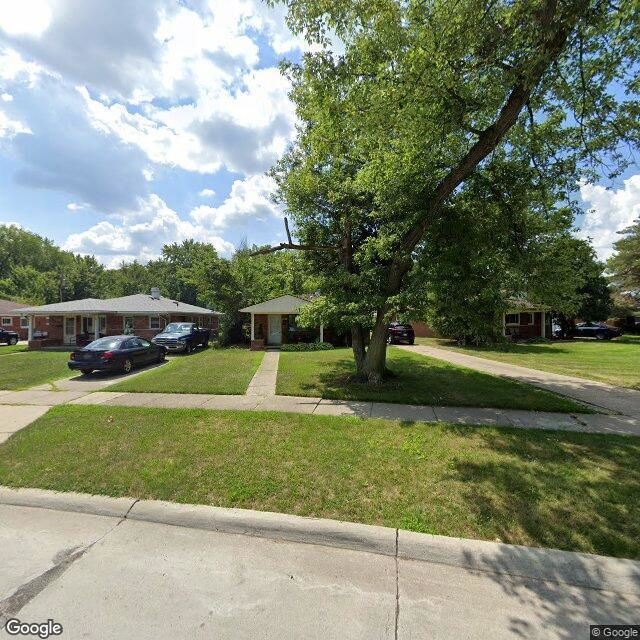
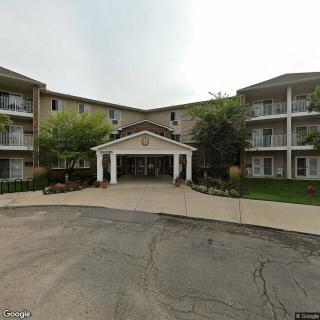
28437 Red Leaf Lane, Southfield, MI 48076
For more information about senior living options: (866) 208-4318
Williams Way Home Care Professionals Costs & Pricing
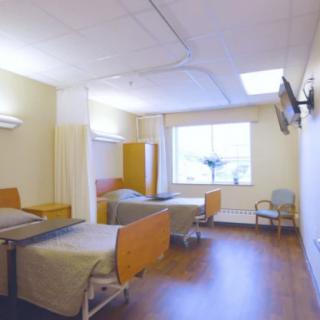
Williams Way Home Care Professionals offers competitive pricing for their services, with monthly costs structured to accommodate a range of needs. For a semi-private room, residents can expect to pay $3,000, which is notably lower than the average costs in both Oakland County at $3,204 and the broader state of Michigan at $3,191. Similarly, for those seeking more privacy, a private room is available at $4,000 - slightly higher than the county's average of $3,708 and the state's average of $3,675. This pricing strategy not only reflects Williams Way's commitment to providing quality care but also positions them as an affordable option within the local market.
| Floor plans | Williams Way Home Care Professionals | Oakland County | Michigan |
|---|---|---|---|
| Semi-Private | $3,000 | $3,204 | $3,189 |
| Private | $4,000 | $3,708 | $3,674 |
Memory care communities with a similar price nearby
-
About the same
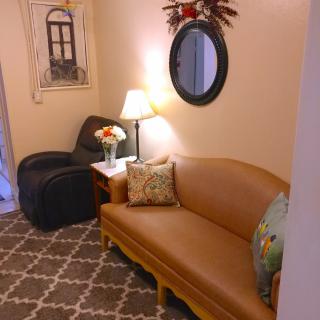
Hutcheson Manor
$3,000 to $4,500 / month6.9 miles away -
from +$200 / mo
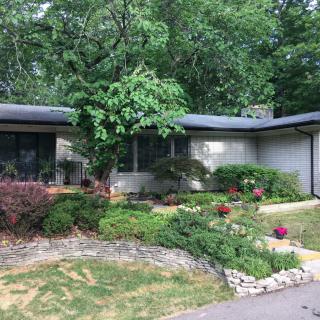
Vicky's Place
$3,200 to $6,000 / month6.2 miles away -
from +$500 / mo
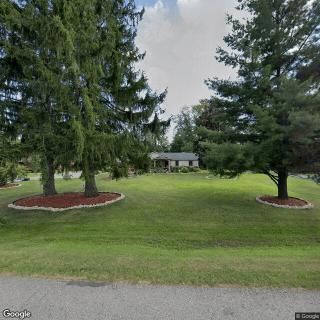
Briar Hill Assisted Living
$3,500 to $4,500 / month5.9 miles away -
About the same
Butternut Hill Senior Living
$3,000 to $4,000 / month5.5 miles away -
from +$500 / mo
Crabtree Lane AFC Home
$3,500 to $5,500 / month6.9 miles away
Overall Review of Williams Way Home Care Professionals
Pros
 The quality of care at Health Wise is excellent.
- Health Wise is highly recommended for home health care services.
- Williams Way offers a smaller setting, which enhances safety during COVID.
- The small setting of four residents contributed to safety, with no COVID cases.
- Staff communication is excellent, and visitors can visit anytime as long as protocols are followed.
- The staff and owner are great and run the facility well; the facility is clean and highly recommended.
Review
Williams Way Home Care Professionals in Southfield is best suited for families seeking a small, home‑like elder care setting where personalized attention is the rule rather than the exception. With only four residents, the community offers a clearly intimate environment in which staff can know the daily rhythms, preferences, and needs of each resident. The strongest signal is safety and attentiveness: families report excellent communication from the team, straightforward access to staff, and a calm, clean atmosphere that reinforces peace of mind. This is the model for those who want hands-on, transparent care and a setting where visiting is uncomplicated and frequent dialogue with caregivers is the standard, not the exception.
Those leaning toward a larger campus with a busier social calendar or a broader slate of on‑site amenities should consider alternatives. A bigger community typically offers more structured activities and more varied social exposure, which can be essential for residents who thrive on constant engagement or require a broader range of clinical services on site. For families prioritizing comprehensive programming, formalized memory care tracks, or expansive dining and recreation options, a larger assisted living environment may deliver the scale that Williams Way does not. In short, the fit hinges on desired pace, social needs, and the level of medical support expected on a day‑to‑day basis.
The most compelling advantages focus on the small size as a real asset. The four‑resident footprint translates into heightened supervision, lower risk of overstimulation, and a higher likelihood of tailored care plans. Families repeatedly praise the quality of care, underscoring that staff responsiveness and attentiveness underpin everyday reliability. Communication is not merely adequate; it is exceptional, with updates, concerns, and care adjustments conveyed clearly and promptly. The staff and owner are described as capable stewards who “take care of business,” a characteristic that converts potential uncertainties into predictable routines. Cleanliness and a well‑kept environment further reinforce a sense of trust and dignity for residents.
The practical offset of these strengths lies in the consistency and immediacy of care that come with a small team devoted to a single home. The trade‑offs inherent in a compact model, limited resident diversity, a lean activity slate, and a potentially narrower range of on‑site services, are effectively balanced by direct access to caregivers, continuity of staff, and a cohesive care philosophy driven by hands‑on ownership. When families seek openness, rapid problem resolution, and a transparent care narrative, Williams Way shines because concerns do not linger and adjustments are enacted without bureaucratic delay. In short, the intimate setting amplifies positive outcomes where other communities risk friction or gaps.
For families making a decision, the profile is clear: this is a strong choice if the priority is peace of mind born of intimate care, dependable communication, and a clean, well‑run living space. It’s particularly suitable for seniors who benefit from a calm, low‑stimulus environment and whose families value being able to drop in and participate freely. If, however, the resident’s needs are geared toward vibrant social programming, robust on‑site activities, or a broad menu of medical services within a large campus, alternatives may deliver a better fit. The decisive question becomes whether the resident will thrive in a tight-knit, highly supervised home atmosphere or require the breadth of options offered by a larger operation.
Ultimately, Williams Way represents a thoughtful, experienced answer for families prioritizing individualized attention and clear communication within a small, well‑managed setting. Prospective movers should schedule a visit to observe interactions firsthand, meet the caregivers, and assess whether the resident’s social and medical needs align with the community’s strengths. Ask about staffing patterns, daily routines, and how care plans are updated. If the goal is a transparent, responsive team delivering consistent, compassionate care in a secure, homelike space, Williams Way stands out as a prudent, well‑aligned choice. For those seeking more expansive programming or scale, the search should continue with other options in the Southfield area.
 Assisted Living
 Board and Care Home
 Memory Care
 Activities off-site
 Bath tubs
 Beautician on-site
 Cable or satellite TV
 Devotional services off-site
 Fully furnished
 Garden
 Housekeeping services
 Indoor common areas
 Move-in coordination
 Outdoor common areas
 Private
 Wi-Fi/high-speed internet available
 Detroit Metropolitan-Wayne County (21 miles away)
 24-hour supervision
 Ambulatory care
 Assistance with bathing
 Assistance with dressing
 Assistance with transfers
 Diabetes diet
 Diabetic care
 Incontinence care
 Meal preparation and service
 Medication management
 Mental wellness program
 Special dietary restrictions
 Art classes
 BBQs or picnics
 Birthday parties
 Day trips and outings


 Memory Care Pathways: A Holistic Guide to Dementia Support
 Comprehending Evening Confusion in Dementia: Causes, Manifestations, and Support
 Delirium and Dementia: Unraveling the Key Differences