
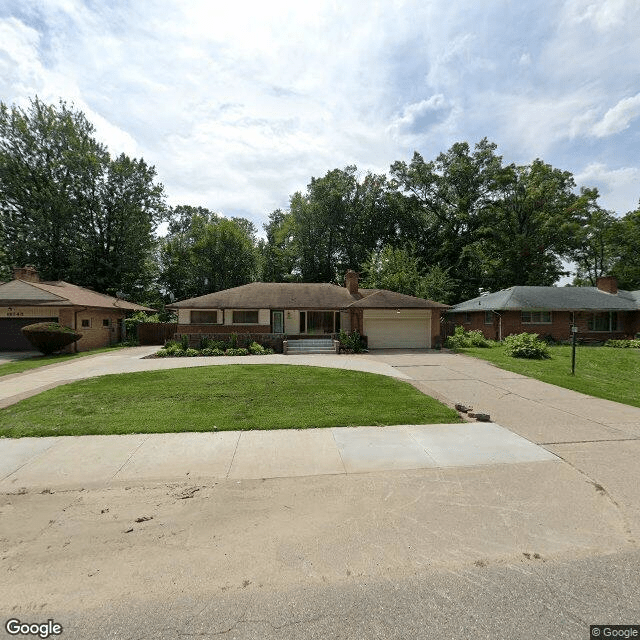
18759 Greenwald, Southfield, MI 48075
For more information about senior living options: (866) 208-4318
Good Faith Manor Costs & Pricing
Good Faith Manor offers competitively priced accommodations compared to the broader market in Oakland County and Michigan. For a semi-private room, residents pay $1,500 per month, significantly lower than the county average of $3,204 and the state average of $3,191. Those seeking more privacy will find that the private room rate of $2,500 also stands out favorably against Oakland County's average of $3,708 and Michigan's average of $3,675. Even for one-bedroom apartments, Good Faith Manor remains an attractive option at $3,500 per month, slightly above the county's average of $3,507 but below the state's average of $3,384. Overall, Good Faith Manor provides quality living arrangements at a value that is difficult to match in the surrounding areas.
| Floor plans | Good Faith Manor | Oakland County | Michigan |
|---|---|---|---|
| Semi-Private | $1,500 | $3,204 | $3,189 |
| Private | $2,500 | $3,708 | $3,674 |
| 1 Bedroom | $3,500 | $3,507 | $3,384 |
Memory care communities with a similar price nearby
-
About the same
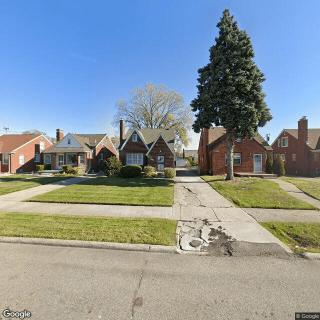
Blue Care Assisted Living
$1,500 to $2,000 / month2.8 miles away -
About the same

Wish-U-Well Inn
$1,500 to $2,200 / month1.2 miles away -
from +$150 / mo

American House Farmington Hills Senior Living
$1,650 to $4,175 / month5.7 miles away -
from -$100 / mo
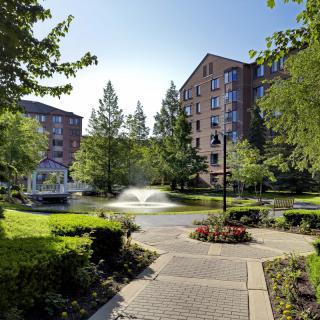
Allegria Village, a CCRC
$1,400 to $1,700 / month8.9 miles away -
from +$180 / mo
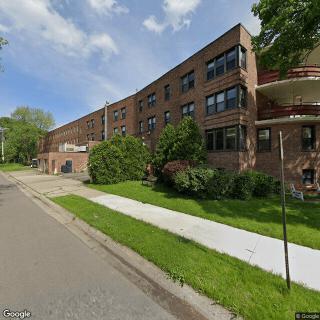
St Joseph's Manor
$1,680 to $2,500 / month15.7 miles away
Overall Review of Good Faith Manor
Pros
 The staff at Good Faith Manor do a great job.
- The home is clean and warm, and the care provided is excellent.
- Christine is available to take calls and answer questions.
- The staff are loving and caring, and the residents seem happy and content.
- The facility is very nice, clean and well-kept, with friendly and caring staff.
- The staff go above and beyond for their residents.
- The staff stay in good contact with families and are phenomenal caregivers.
Review
Good Faith Manor in Southfield is best suited for families seeking a warm, home-like senior living option where attentive, personalized care is the rule and daily life centers on social connection. This community shines for residents who value dignity, consistent communication, and a welcoming atmosphere over clinical stiffness. Reviewers repeatedly note a clean, well-kept home with tasteful decor and an environment that feels comfortable and familial. The staff’s approach is described as loving and genuinely caring, which translates into visitors finding caregivers who treat residents like extended family. The combination of a cozy setting, cheerful residents, and regular activity outings creates a tangible sense of belonging that many families prioritize.
That said, certain realities merit consideration before choosing Good Faith Manor. For seniors requiring intensive medical oversight, 24/7 skilled nursing, or a memory-care focus, alternatives with dedicated clinical programs may be more appropriate. The reviews do not describe on-site nursing supervision or specialized memory-care services, and price visibility or value assessments are not addressed. Location and visitation logistics matter as well, especially for families balancing travel; while Southfield is convenient for many, quieter or more remote options could be preferable for some. In short, this community excels in relational, everyday care, but may fall short for residents whose needs hinge on formal medical containment or specialized cognitive care.
The strongest pro-argument rests on the relational strength of the staff and the living environment. Families praise caregivers who go “above and beyond,” a housekeeping standard that keeps the home consistently clean, and a resident population that appears content and well-integrated. The ability to personalize meals, where dinner has a set menu while lunch and breakfast can be tailored to current tastes, addresses everyday quality-of-life concerns and reduces friction around meals. The practice of taking residents to nearby activity centers and keeping them engaged off-site helps mitigate isolation and supports social wellness, a critical factor for mood, memory, and overall satisfaction. These advantages collectively offset the absence of explicit medical programming by delivering reliable daily support and emotional nourishment.
Communication stands out as a core strength, reinforcing trust between families and the caregiving team. Several reviews highlight timely, proactive contact from staff when questions arise, and the sense that leaders like Christine are readily available to answer concerns. This transparency matters because it lowers anxiety and makes care planning more collaborative. When families feel informed about daily routines, meal options, and social activities, the experience shifts from passive placement to active partnership. In such a framework, the day-to-day caregiving becomes predictable and reassuring, even when medical contingencies or urgent needs arise.
For families weighing choices, a practical decision path emerges from these observations. Start with a clear picture of medical needs: confirm whether the setting can accommodate your loved one’s level of care and whether there is ready access to on-site or nearby clinical support. Next, verify meal planning flexibility, dietary accommodations, and the cadence of social programming, how often activities occur, what transportation arrangements exist for outings, and how family members are kept in the loop about changes. Finally, visit with questions about staffing ratios, caregiver training, and what happens when needs evolve. Good Faith Manor lends itself to households prioritizing warmth, personal attention, and a strong sense of community; risk-aware families will want concrete reassurance about medical coverage and cognitive-care options before deciding.
Overall, Good Faith Manor represents a compelling option for families seeking a respectful, social, and clean home where staff deliver genuine care and residents feel valued. It excels in creating a family-like culture, with reliable communication and flexible dining that respect resident preferences. The primary caveat lies in the absence, within the available narratives, of formal medical oversight or memory-care specialization. For many seniors and their families, these are not deal-breakers when daily quality of life, social engagement, and heartfelt caregiving are the priorities. In that light, Good Faith Manor should be high on the short list for those prioritizing a warm, engaged community over a clinical setting.
 6 resident community capacity
 Assisted Living
 Board and Care Home
 Memory Care
 Activities off-site
 Bath tubs
 Beautician on-site
 Cable or satellite TV
 Dining room
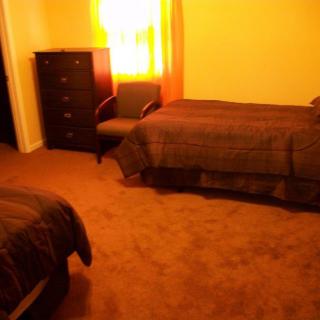
 Fully furnished
 Garden
 Housekeeping services
 Indoor common areas
 Move-in coordination
 Outdoor common areas
 Private
 Telephone
 Wheelchair accessible showers
 Wi-Fi/high-speed internet available
 Detroit Metropolitan-Wayne County (18 miles away)
 24-hour supervision
 Assistance with bathing
 Assistance with dressing
 Assistance with transfers
 Diabetes diet
 Diabetic care
 Incontinence care
 Meal preparation and service
 Medication management
 Special dietary restrictions
 Transportation arrangement (medical)
 Transportation to doctors appointments

 Guiding Your Journey: Understanding Power of Attorney for Elderly Parents
 22 Remarkable Caregiver Support Groups Available Online and In-Person
 Understanding Medicaid Coverage for Assisted Living: A Comprehensive Guide