Olivia's Assisted Living

Save

  • Interior

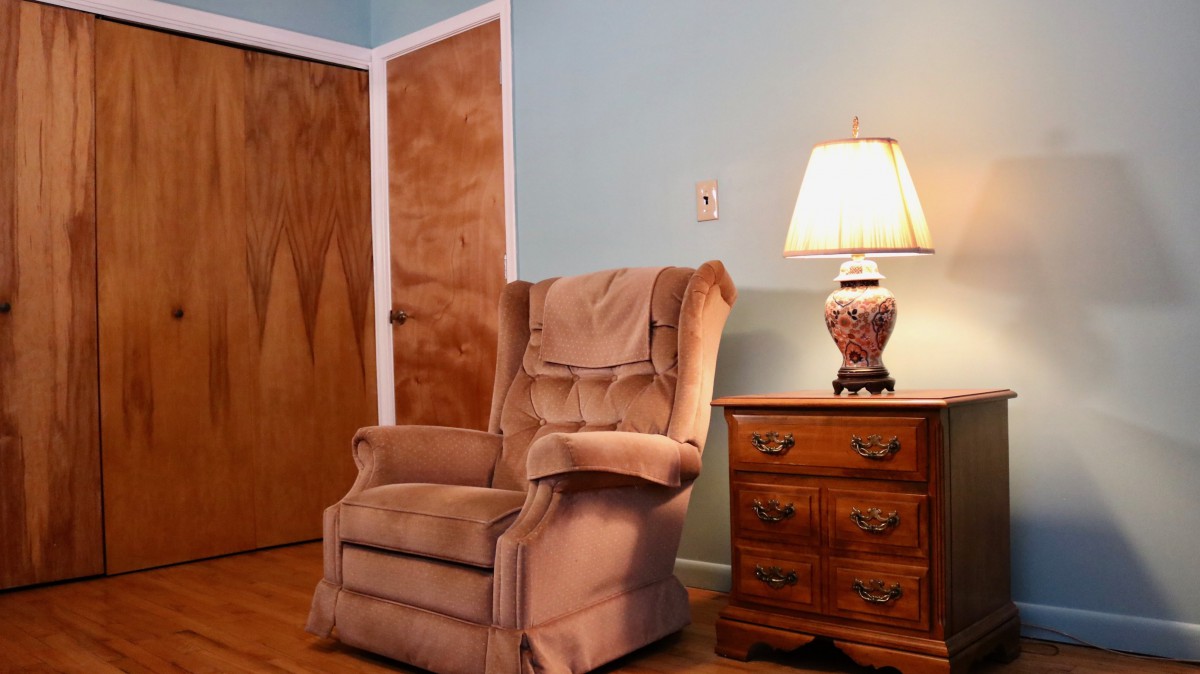
    A cozy living room corner featuring a plush armchair, wooden side table with a lamp, and warm lighting.
  • Decor

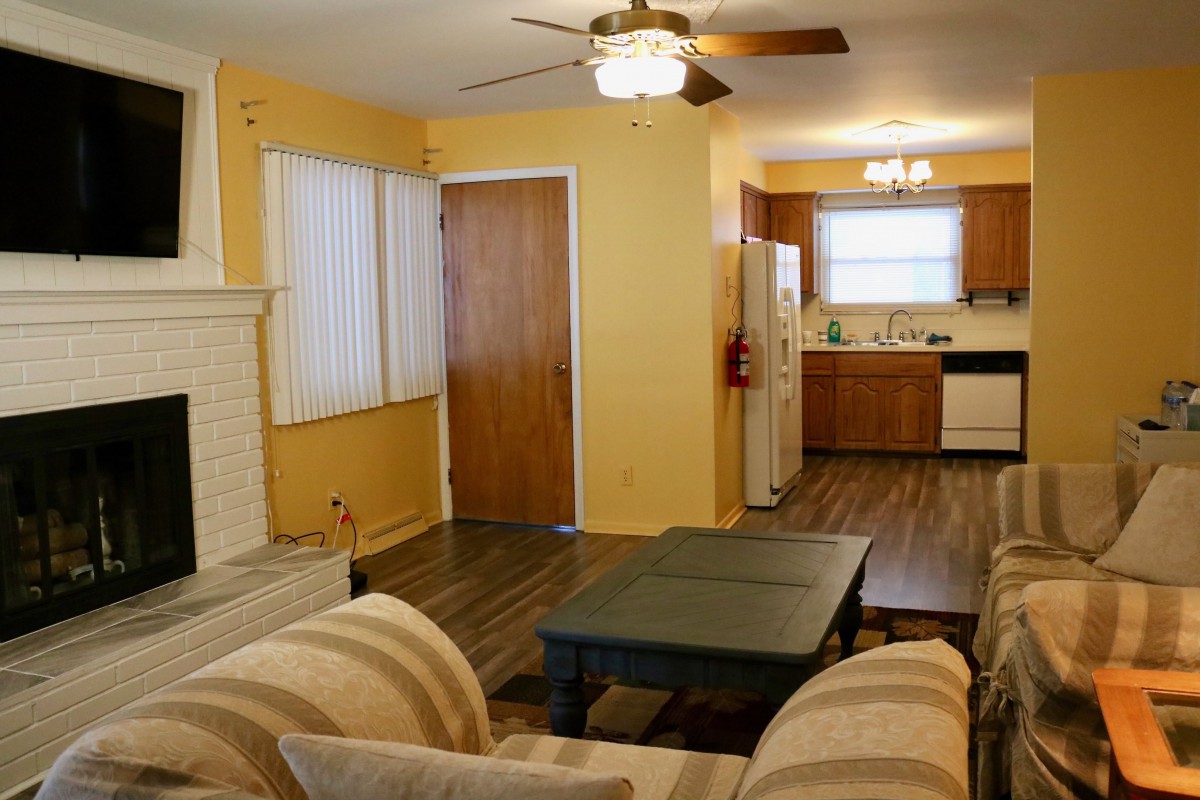
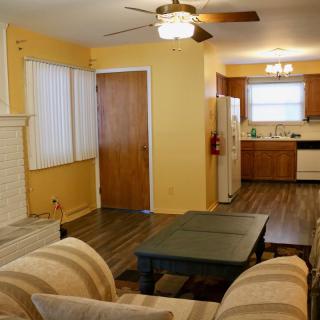
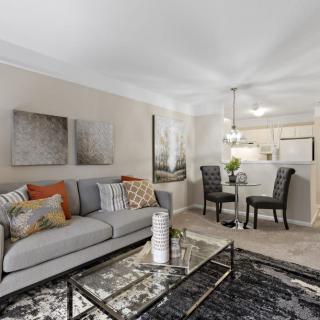
    Cozy living room with a view into the kitchen, featuring comfortable seating and a ceiling fan.
  • Living Room

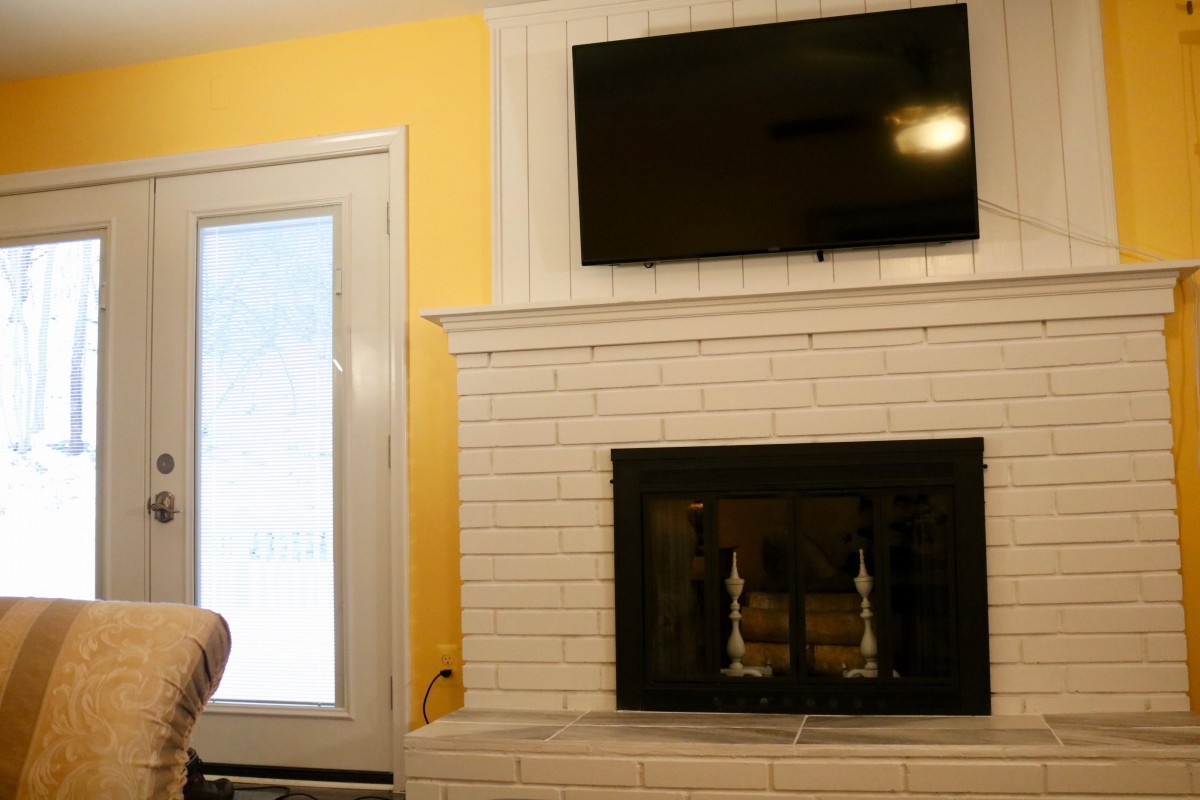
    A cozy living room setup with a white brick fireplace and a mounted television.
  • Windows

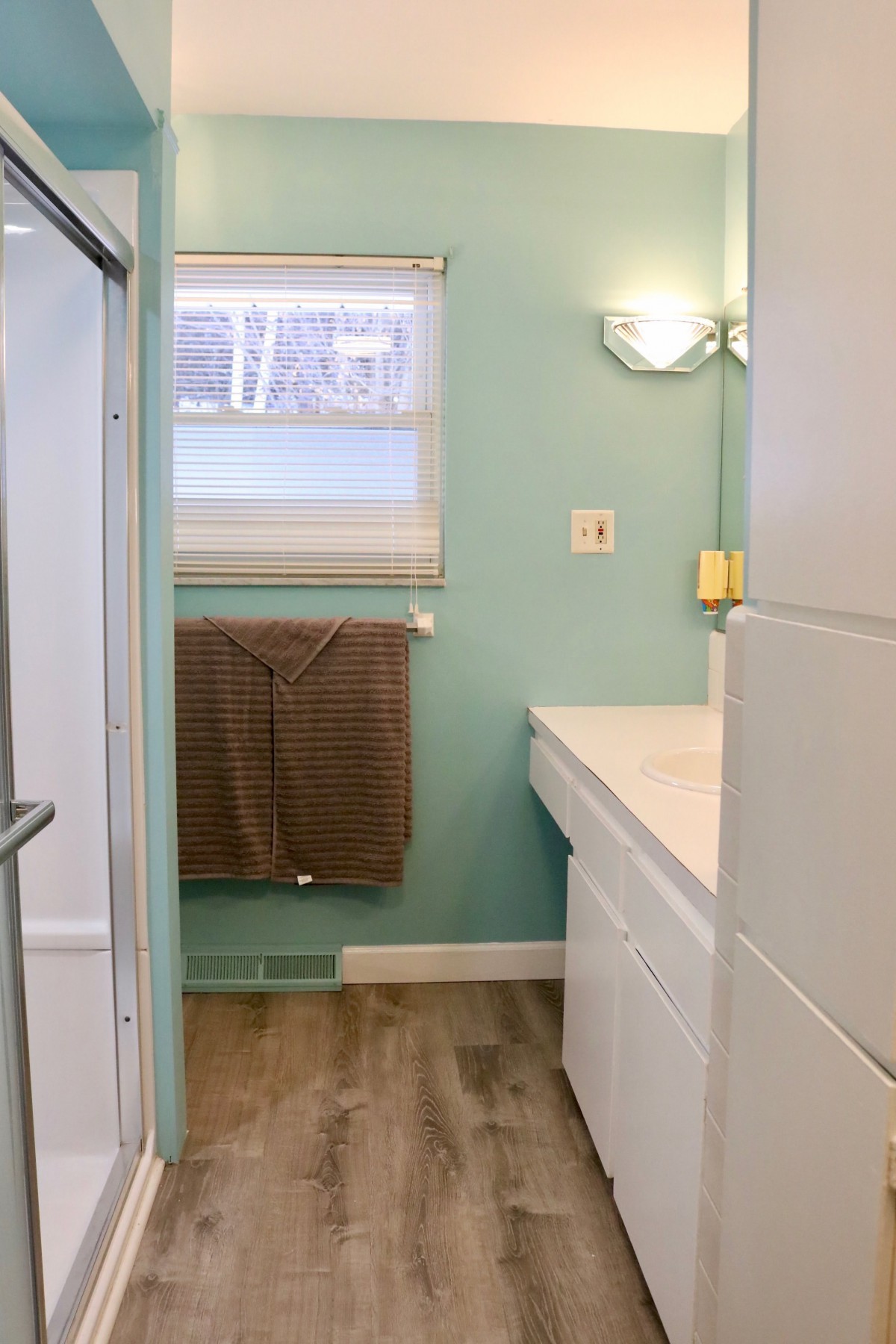
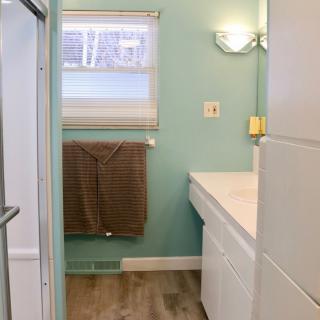
    A modern bathroom with mint green walls, a large sink, and a towel hanging by the window.
  • Dining

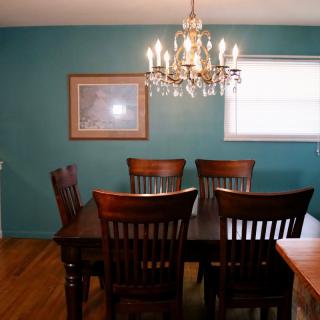
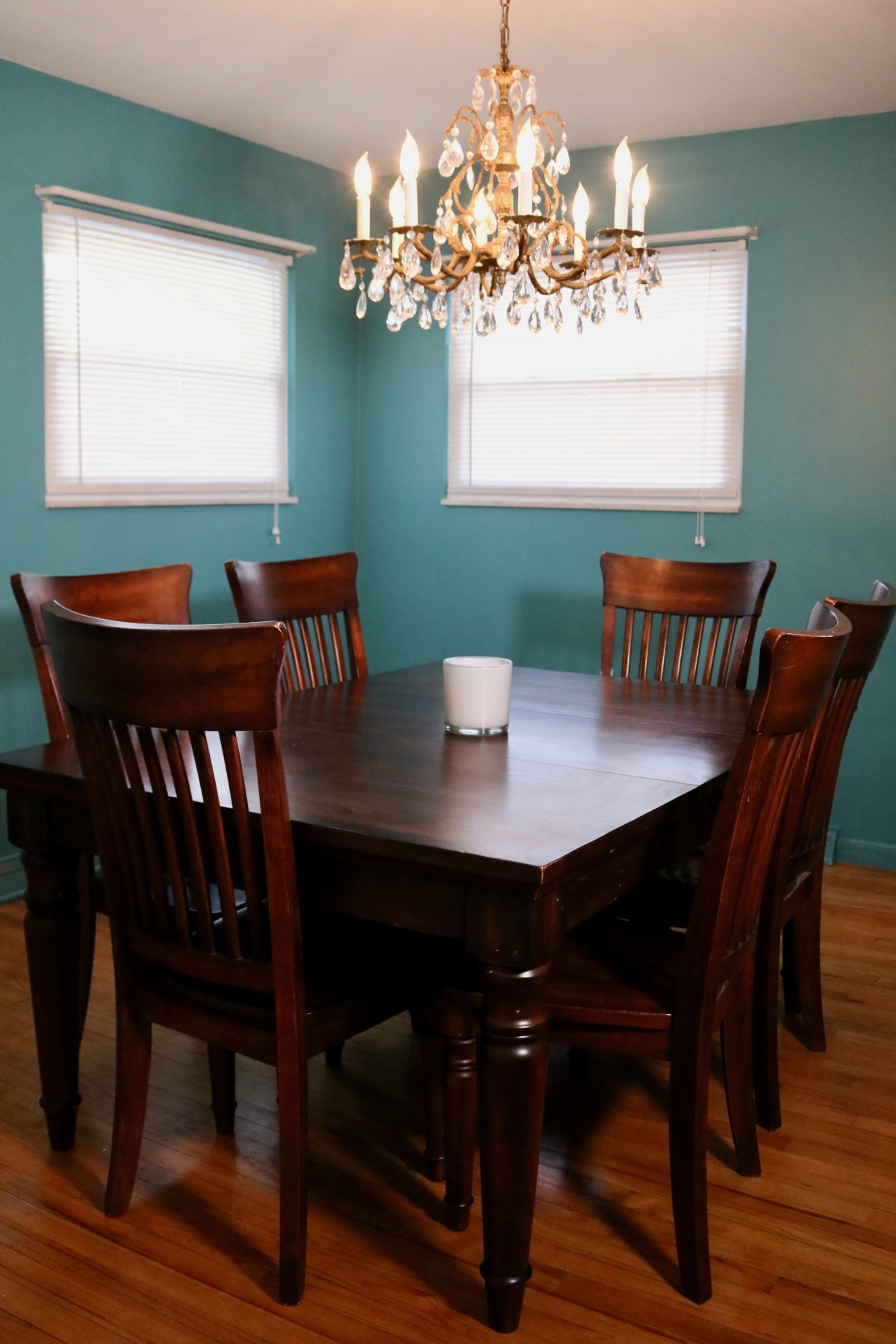
    A dining room with a wooden table, chairs, and a chandelier.
  • Kitchen

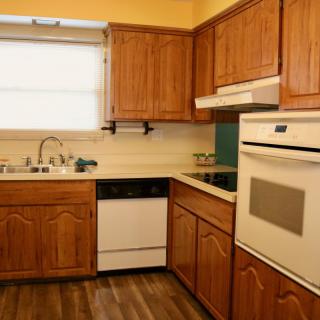
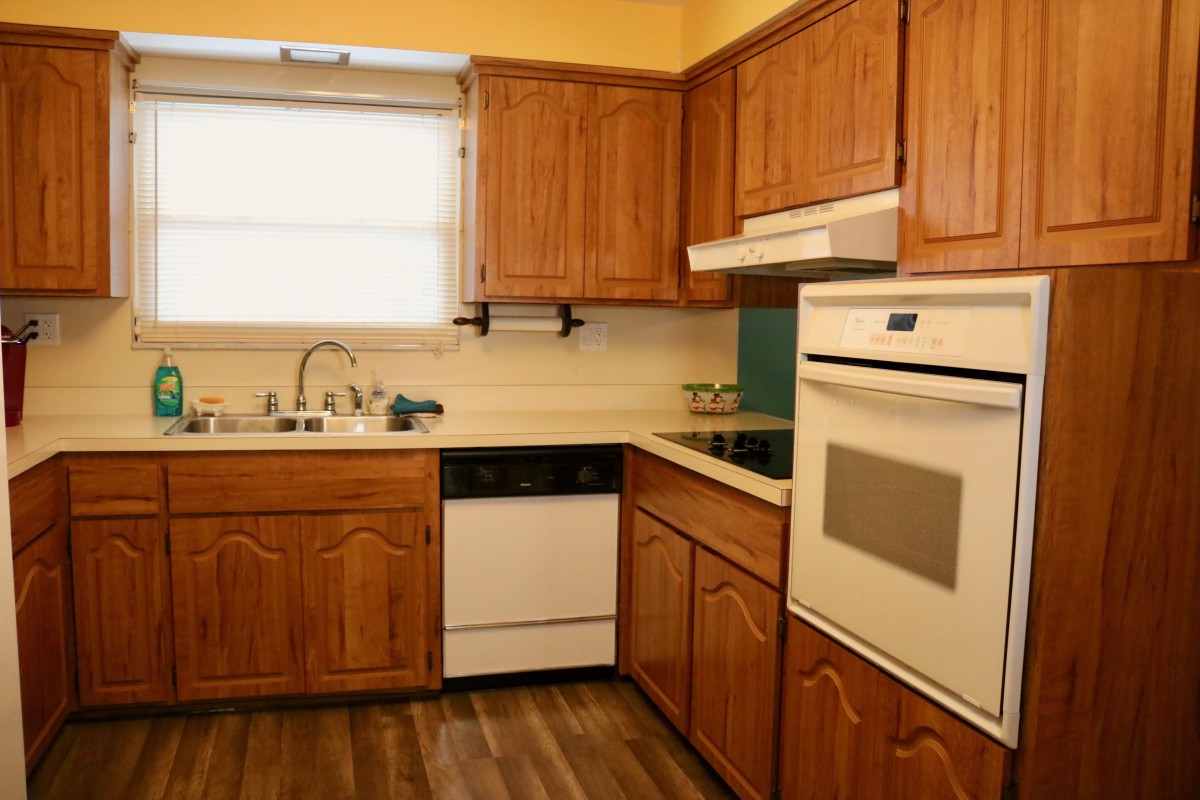
    A cozy kitchen with wooden cabinets, an oven, a dishwasher, and a window.
  • Artwork

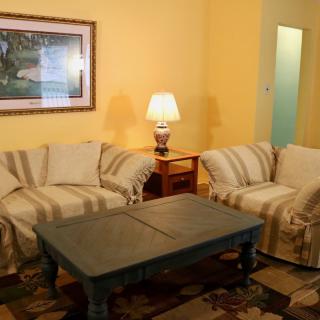
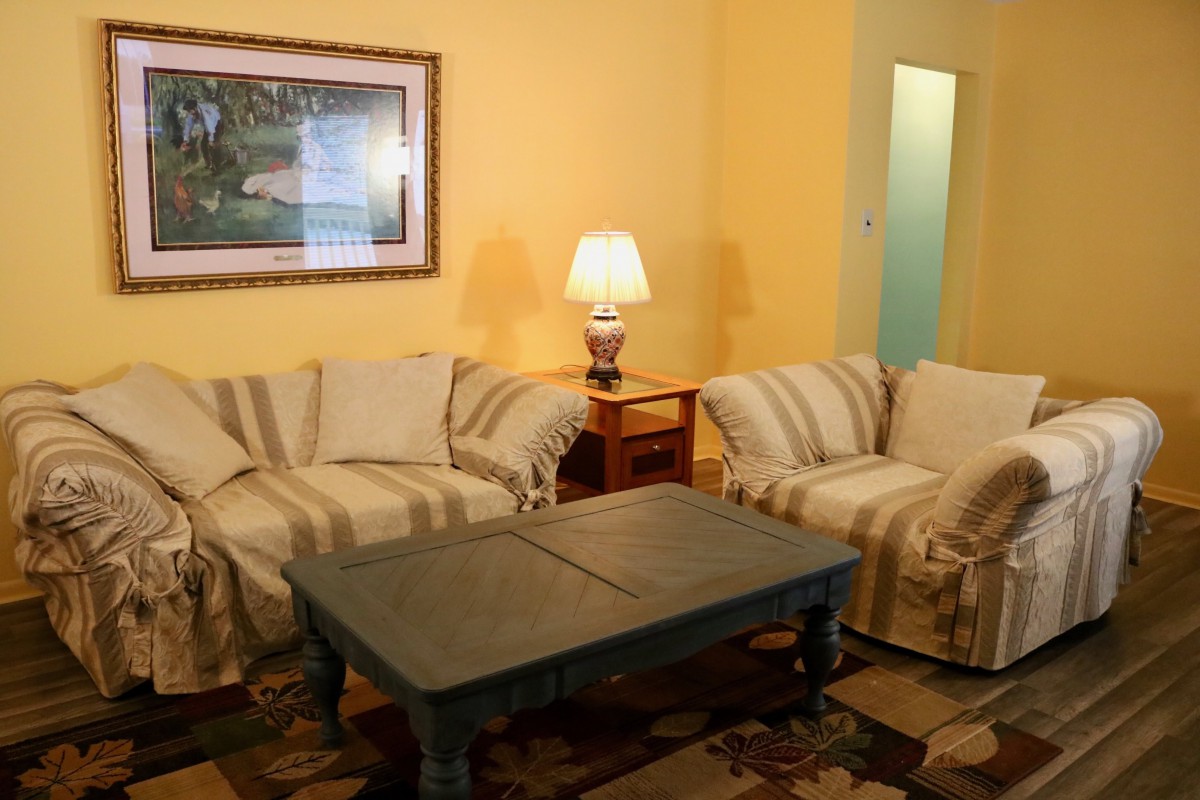
    A cozy living room with sofas, a coffee table, and ambient lighting.
  • Bathroom

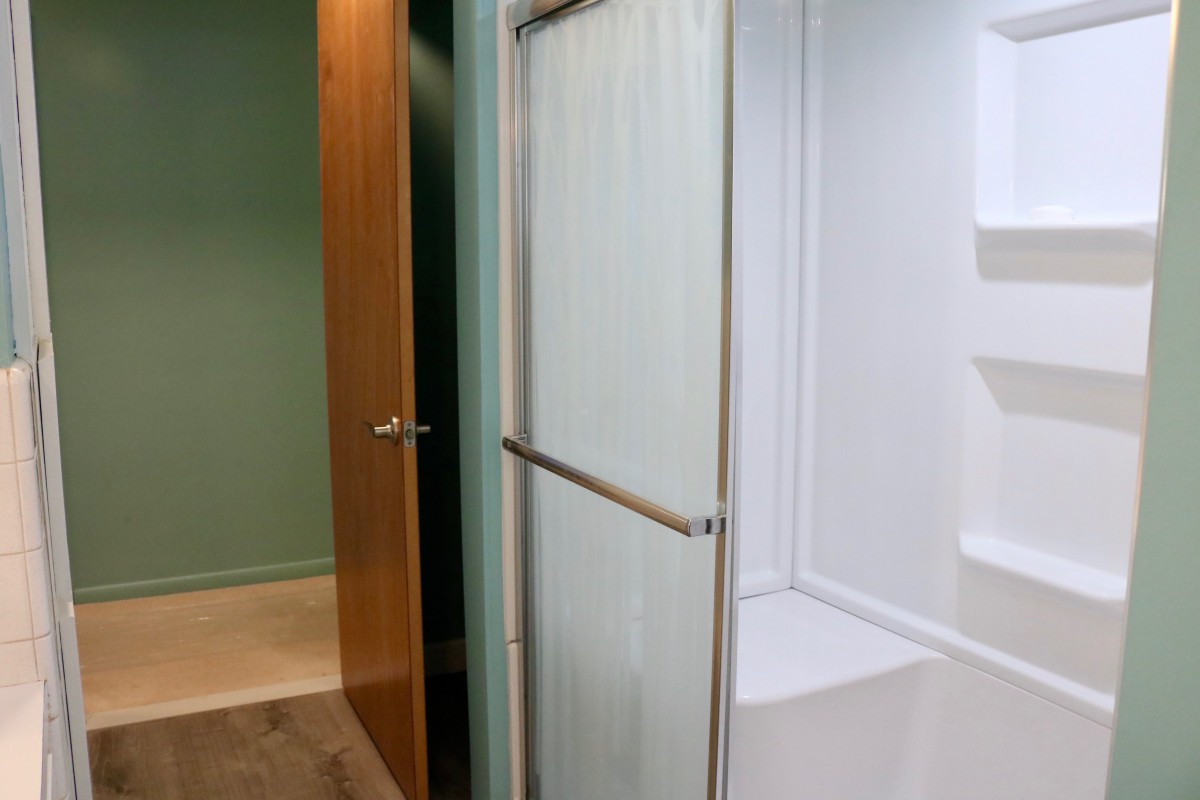
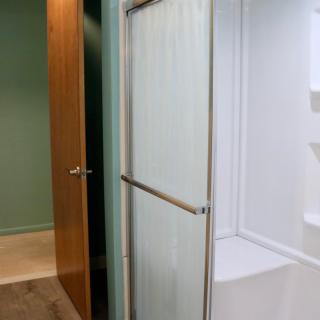
    A view of a bathroom shower with a sliding glass door.
  • Television

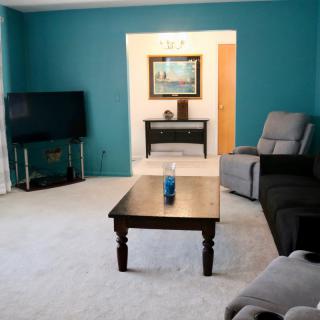
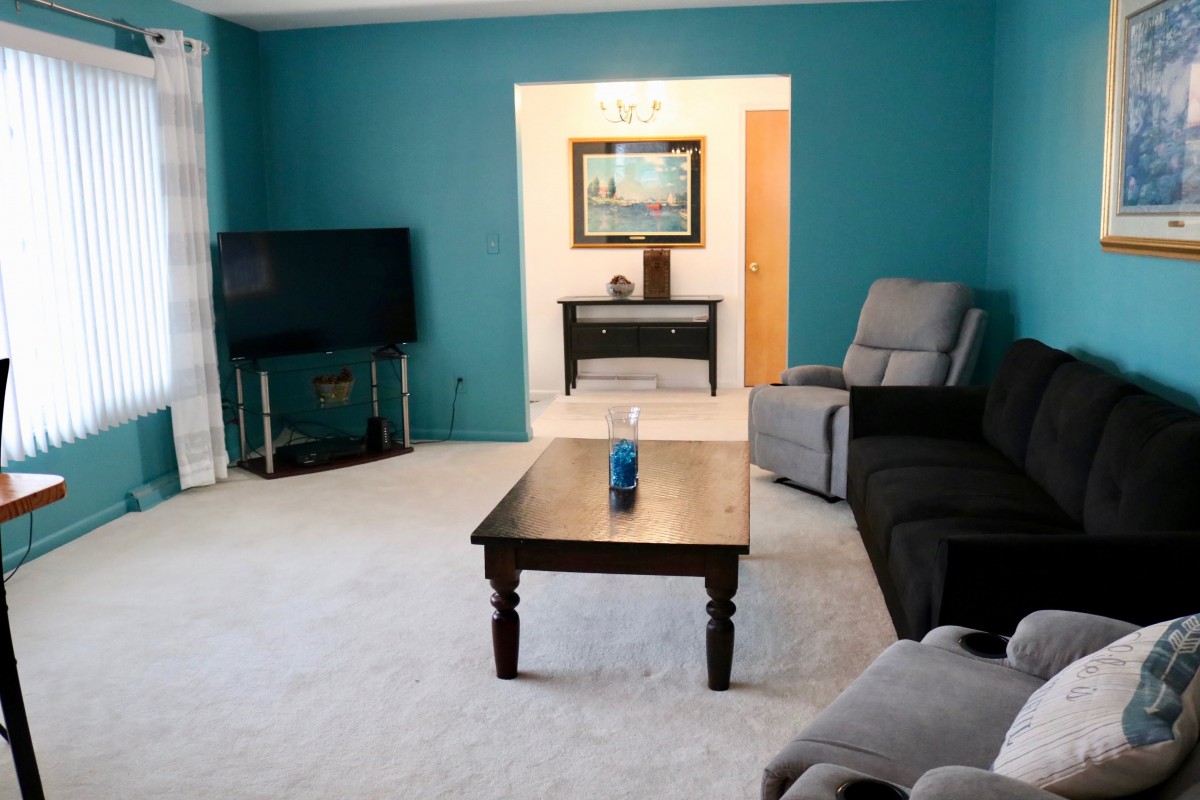
    A cozy living room with a sofa, coffee table, and television against a teal accent wall.
  • Chandelier

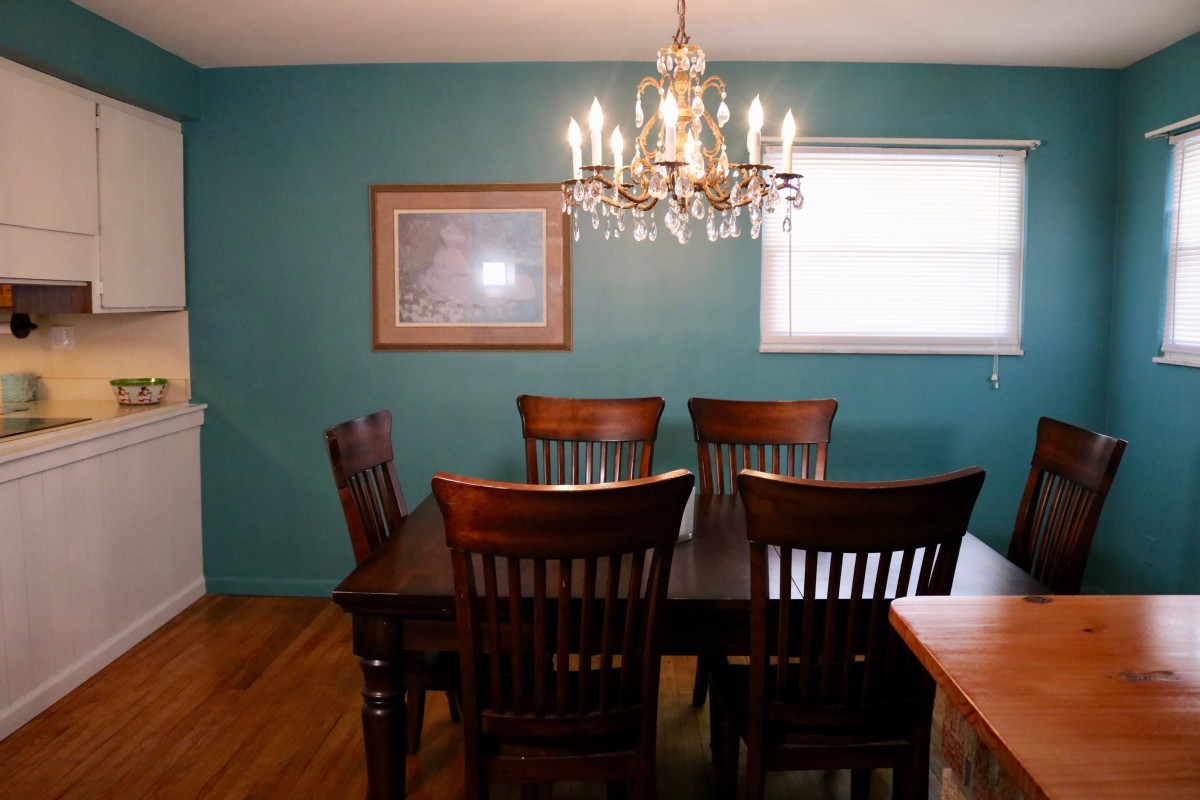
    A cozy dining room with a wooden table and chairs, illuminated by a chandelier.
  • Dining Table

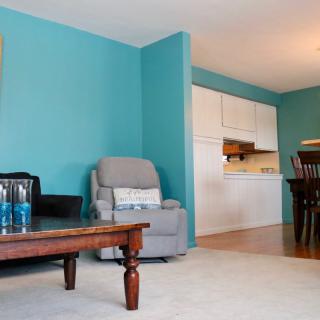
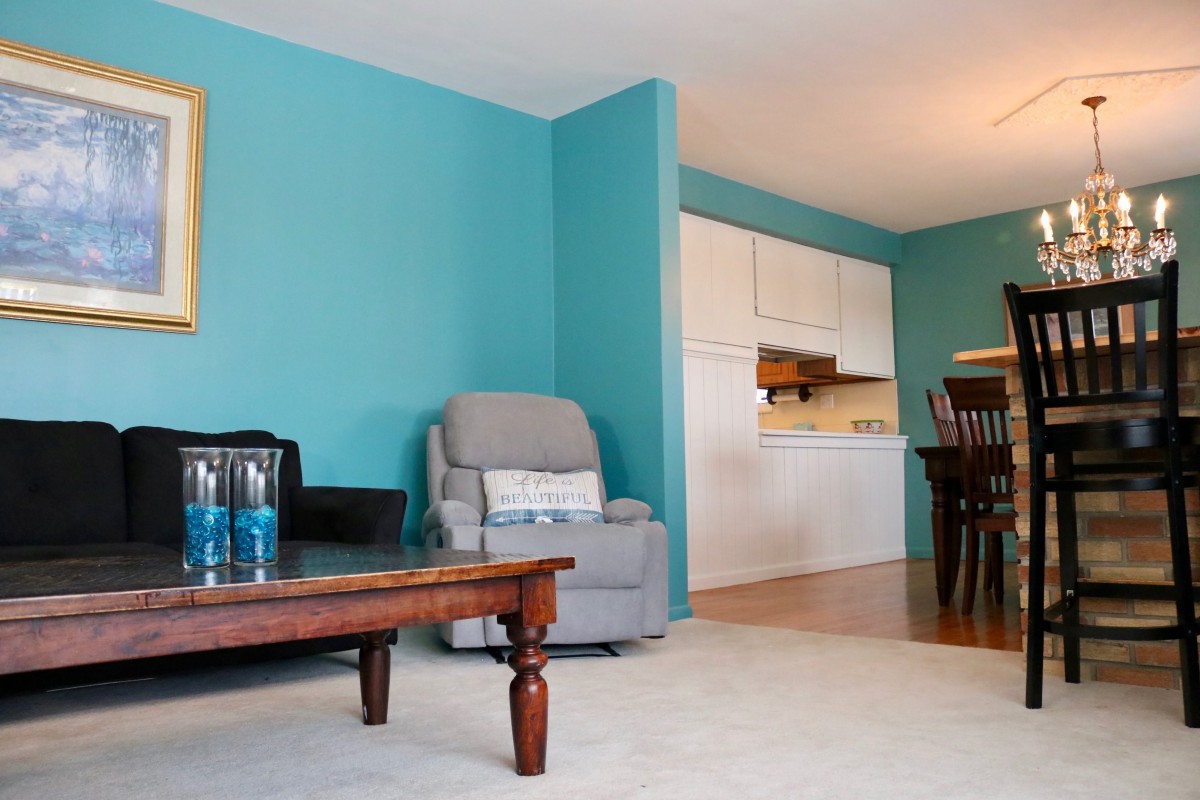
    A cozy living room with blue walls, featuring a sofa and coffee table, adjacent to a kitchen and dining area.

Olivia's Assisted Living

1900 Judd Road, Saline, MI 48176

For more information about senior living options: (844) 490-3973

4.6 from 100 reviews
5 stars
85
4 stars
7
3 stars
0
2 stars
0
1 stars
8

Assisted Living Board and Care Home

Olivia's Assisted Living Costs & Pricing

Olivia's Assisted Living offers competitive pricing for its residential options when compared to both Washtenaw County and the broader Michigan area. For semi-private rooms, Olivia's rate of $3,000 per month not only undercuts the county average of $3,383 but also offers significant savings compared to the state average of $3,191. Similarly, for private rooms, Olivia's charge of $4,000 is closely aligned with the local market but remains slightly higher than the county's rate of $3,385 and is below Michigan's average of $3,675. This positioning reflects Olivia's commitment to providing quality care at accessible rates while ensuring residents receive an enriching living experience.

Floor plansOlivia's Assisted LivingWashtenaw CountyMichigan
Semi-Private$3,000$3,383$3,189
Private$4,000$3,385$3,674

Overall Review of Olivia's Assisted Living

Pros

  • pro StoryPoint Saline is considered the best facility among those toured in the Ann Arbor area.
  • pro The staff are young and vibrant, and the amenities and decor are beautiful.
  • pro Residents are engaged in activities on and off campus, with plenty of spaces to gather socially.
  • pro The sidewalks surround the community for strolling, and the hallways are wide and airy.
  • pro The tour led by Sarah was wonderful, with clear communication and attentive service.
  • pro Residents appear well cared for and genuinely happy.
  • pro The staff's dedication and genuine care stand out.
  • pro The well-being of residents is clearly the top priority at StoryPoint.
  • pro The food is tasty and plentiful, and the apartments are very nice.
  • pro Gabriella, the wellness director, has compassion and dedication for residents' well-being.

Cons

  • pro The services and caregiving were not worth the exorbitant cost.
  • pro There was poor communication from the supervisors to residents.
  • pro There was poor communication between supervisors and their staff.
  • pro The Laurus caregiver supervisor was difficult to work with.
  • pro Weekend shower requests could not be accommodated due to insufficient staff.
  • pro At least one caregiver never showed up for a scheduled shower.
  • pro A caregiver arrived at 7:30 am for a wakeup service that had not been scheduled.
  • pro The cleaner did not do a good job and left surfaces unclean, with cleaning times often shorter than promised.
  • pro Ongoing apartment issues remained unfixed for months.
  • pro Maintenance staff did not respond to messages and missed appointments.

Review

StoryPoint Saline emerges in the reviews as a senior living community that many guests come away admiring for its warmth, energy, and thoughtful design. Several voices describe StoryPoint as the standout stop among a tight cluster of tours, with particular praise for the spirit of the staff and the overall feeling of vitality that pervades the campus. In these accounts, the environment feels less like a facility and more like a lively, engaged community where residents are known by name and where daily life seems full and meaningful. The sentiment is clear: the place exudes a sense of care that resonates with families looking for a place where their loved ones can feel comfortable and connected.

The physical setting and amenities play a big role in shaping that impression. Reviewers repeatedly note the young, vibrant staff, the well-appointed interiors, and the abundance of social nooks and gathering spaces. There are generous sidewalks surrounding the community that invite casual strolls, while the hallways themselves are described as wide and airy - an important detail for inclement weather when indoor space becomes the primary arena for activity. The combination of beauty and practicality - ample common areas, appealing d?cor, and accessible layouts - helps residents stay engaged without feeling confined to one or two rooms. Proximity to shopping and, of course, Ann Arbor also comes up as a convenient benefit in several accounts.

A standout feature across the positive narratives is the level of resident engagement and the strength of the programming. Multiple reviewers stress that residents are not passively cared for but actively involved in activities both on and off campus. There are ample opportunities to socialize in small or large gatherings, and a steady flow of outings and events keeps life interesting. One reviewer highlights the transportation option - a van for appointments and errands - that adds practical value for families seeking continuity of daily routines. In short, the social ecosystem - classes, groups, outings, and a responsive staff - seems to deliver on the promise of an active, community-centered lifestyle.

Tour experiences contribute a lot to the favorable tone. One reviewer recounts meeting with Sarah, who took time to address the parents directly, answered questions thoroughly, and guided them through a comprehensive yet non-overwhelming tour. That thoughtful approach - clear communication, attention to the parents' needs, and a respect for their pace - appears to be a memorable and persuasive element for prospective families. Beyond the tour, the reviews speak to a palpable sense of warmth and care that residents, families, and staff share, reinforcing the perception that StoryPoint is more than a place to live - it's a community where well-being and belonging are prioritized.

Among the most vivid positive notes is the devotion of the staff and the role of the wellness and memory-care teams. Several accounts describe staff as genuinely caring and deeply involved in residents' lives, with wellness professionals who are attentive to physical and emotional health. Families celebrate the staff's familiarity with residents, the regular, meaningful interactions, and the way the team supports both patients and families through transitions and health changes. Reviewers consistently point to the quality of food, the beauty of the living spaces, the quiet, pleasant memory-care areas, and the overall comfort of the surroundings. The library, the scenic pond views, and the exercise facilities also stand out as parts of a well-rounded, satisfying daily life inside StoryPoint.

However, not every note is entirely rosy, and the most detailed critiques center on communication and consistency issues. A longer critical thread describes a cost concern - "caregiving not worth the exorbitant cost" - alongside repeated reports of poor communication from supervisors to residents and from supervisors to staff. The reviewer describes specific frustrations with scheduling and execution of services, including weekend showering requests that could not be accommodated due to staffing, a missed wakeup call, and a pattern of services being offered on the facility's terms rather than the residents' or families' preferred timing. Maintenance and housekeeping problems are also cited: surfaces left unclean, unfinished repairs, unreturned messages, and missed appointments. The cumulative effect of these issues is detailed as a growing disappointment and a sense of being stuck in a year-long lease with unresolved shortcomings.

In the middle of the exchange, there is a tense back-and-forth regarding communication with StoryPoint's leadership. A reviewer recounts an absence of contact from management despite repeated attempts and alleges that direct, proactive outreach would have been preferable to door-knock visits. When an email to the director is sent and a response is received, the director's message - centered on personal choice about meeting - becomes a focal point for further discussion. The reviewer interprets the director's reply as a lack of perceived necessity to address ongoing concerns, while still noting an intention to make a formal appointment if possible. This exchange underscores how important consistent, transparent communication is to families navigating complex care decisions.

Amid the mix of praise and critique, the stories of individual families moving into StoryPoint Saline carry a powerful emotional arc. Several testimonials recount how the staff's compassion and the wellness team's dedication helped parents adjust to new routines, strengthened by a steady, empathetic presence from caregivers and administrators alike. Other accounts highlight how the memory-care environment remains a calm, safe, and pleasant space, with residents enjoying the library, the views of the outdoors, and the steady rhythm of meaningful activities. The sense of community emerges as a through-line - one that families lean on when facing caregiving challenges, long hospital stays, or the daunting transition from a long-time family home.

Taken together, the mosaic of reviews presents StoryPoint Saline as a community with many strengths and a few persistent friction points. Residents and families frequently praise the staff for warmth, attentiveness, and genuine care; they appreciate robust programming, social opportunities, and the serene, well-appointed surroundings. They also highlight transportation options, accessibility, and thoughtful amenities that support an active, engaged lifestyle. At the same time, a recurring thread of concern about communication, scheduling flexibility, and consistency of service suggests that prospective residents and families should enter with clear expectations and a plan to maintain open dialogue with leadership. For those who place a premium on a lively community, meaningful activity, and a strong sense of safety and belonging, StoryPoint Saline offers a compelling option - and a reminder that great care hinges as much on communication and reliability as on warmth and atmosphere.

Features

Housing

  • 6 resident community capacity 6 resident community capacity

Types of Care

  • Assisted Living Assisted LivingAssisted living facilities provide crucial support and care for seniors who may need help with daily tasks such as medication management, bathing, and meal preparation. These communities offer a safe and comfortable environment where seniors can maintain their independence while receiving the assistance they need to thrive in their golden years.
  • Board and Care Home Board and Care HomeBoard and care homes provide a smaller, more intimate setting for seniors who require assistance with daily tasks but do not need the level of care offered by a nursing home. They offer personalized care, meals, and social activities in a homelike environment, ensuring that seniors receive individualized attention and support in their golden years.

Amenities

  • Activities off-site Activities off-siteEngaging in off-site activities is crucial for seniors to maintain social connections, stay active, and stimulate their minds. It promotes overall well-being and helps combat feelings of isolation and loneliness.
  • Activities on-site Activities on-siteActivities on-site are important for seniors because they provide opportunities for socialization, mental stimulation, physical activity, and overall well-being. Engaging in activities can help seniors stay active, maintain their independence, and improve their quality of life.
  • Beautician on-site Beautician on-siteHaving a beautician on-site at a senior living community is important for seniors as it allows them to easily access grooming and personal care services, boosting their self-esteem and overall well-being. It also provides convenience and helps seniors maintain their sense of independence and personal style.
  • Cable or satellite TV Cable or satellite TVCable or satellite TV is important for seniors because it provides entertainment, news, and companionship, helping to combat loneliness and boredom. It also offers a wide range of programming options tailored to different interests and preferences.
  • Devotional services off-site Devotional services off-siteDevotional services off-site are important for seniors as they provide spiritual nourishment, social engagement, and a sense of community outside of the senior living facility. This can enhance overall well-being and help combat feelings of isolation and loneliness often experienced by older adults.
  • Devotional services on-site Devotional services on-siteDevotional services on-site provide seniors with spiritual support and a sense of community, as well as an opportunity for reflection and guidance during their senior living experience. This can promote emotional well-being and connection to others, leading to a more fulfilling and enriching lifestyle in their later years.
  • Dining room Dining roomDining rooms are important for seniors as they provide a space for socialization, connection, and nutritious meals. They offer opportunities for residents to bond over shared meals, foster a sense of community, and promote healthy eating habits. Dining rooms also ensure that seniors have access to well-balanced meals tailored to their dietary needs and preferences.
  • Fully furnished Fully furnishedFully furnished senior living communities are important for seniors because they provide convenience, comfort, and a hassle-free moving experience. Seniors can easily settle into their new living space without the stress of having to buy and move furniture. This allows them to focus on enjoying their new home and community.
  • Garden GardenGardens are important for seniors as they provide a peaceful and therapeutic environment for relaxation, physical activity, and socialization. Being in nature has been shown to reduce stress, improve mood, and promote overall well-being. Gardens also offer opportunities for seniors to engage in gardening activities, which can improve mobility, flexibility, and cognitive function. Additionally, gardens create a sense of community and connection with others who share a passion for plants and outdoor spaces.
  • Housekeeping services Housekeeping servicesHousekeeping services are important for seniors because they help maintain a clean and safe living environment, promote independence, and reduce the risk of accidents or illnesses. Additionally, having assistance with household chores can alleviate physical strain and allow seniors to focus on other aspects of their well-being.
  • Indoor common areas Indoor common areasIndoor common areas are crucial for seniors as they provide a space for socialization, recreation, and community engagement, promoting overall well-being and reducing feelings of isolation and loneliness.
  • Move-in coordination Move-in coordinationMove-in coordination is important for seniors because it helps ease the transition into their new living environment. It ensures that all logistics, such as packing, organizing movers, and setting up utilities are taken care of, allowing seniors to focus on settling in and adjusting to their new home. Having a smooth move-in process can alleviate stress and anxiety, making the transition smoother and more enjoyable for seniors.
  • Outdoor common areas Outdoor common areasOutdoor common areas are important for seniors as they provide a space for socialization, physical activity, and relaxation. Being outside in nature can improve mood and overall well-being, while also encouraging movement and engagement with others. These spaces can help combat feelings of isolation and promote a sense of community among residents.
  • Outdoor space Outdoor spaceOutdoor spaces are important for seniors as they provide opportunities for physical activity, social interaction, exposure to natural light and fresh air, and a sense of connection to nature. Having access to outdoor spaces can improve overall well-being and quality of life for older adults living in senior communities.
  • Private PrivatePrivacy is important for seniors as it allows them to maintain their independence, dignity, and sense of control over their own lives. It also gives them the space and freedom to relax, reflect, and engage in activities that bring them joy and fulfillment. Creating private spaces within senior living facilities is crucial for promoting overall well-being and quality of life.
  • Respite or short term stays offered Respite or short term stays offeredRespite or short term stays provide seniors with a temporary solution when their regular caregiver is unavailable, offering them the opportunity to receive additional care and support during times of need, while also giving caregivers a chance to rest and recharge.
  • Telephone TelephoneTelephones are important for seniors as they provide a lifeline for communication with loved ones, emergency services, and healthcare providers. They offer a sense of security and independence, enabling seniors to stay connected and access assistance when needed.
  • Wi-Fi/high-speed internet available Wi-Fi/high-speed internet availableWi-Fi/high-speed internet is important for seniors to stay connected with loved ones, access online resources, and participate in virtual activities to combat feelings of loneliness and isolation. It also allows them to easily manage healthcare needs, access entertainment, and engage in lifelong learning opportunities.

Transportation

  • Detroit Metropolitan-Wayne County (21 miles away) Detroit Metropolitan-Wayne County (21 miles away)

Care Services

  • 24-hour supervision 24-hour supervision24-hour supervision is important for seniors to ensure their safety, well-being, and access to immediate assistance in case of emergencies or health issues. This constant support provides peace of mind for both seniors and their loved ones, allowing them to age in place with dignity and security.
  • Activities of daily living assistance Activities of daily living assistanceActivities of daily living assistance are important for seniors because they provide essential support with tasks such as eating, bathing, dressing, and mobility. This assistance helps seniors maintain their independence, dignity, and overall quality of life as they age.
  • Ambulatory care Ambulatory care"Ambulatory care services provide essential medical support and treatment to seniors without requiring hospitalization, allowing them to maintain their independence and quality of life while managing chronic conditions or receiving routine medical care."
  • Assistance with bathing Assistance with bathingAssistance with bathing is crucial for seniors as it helps maintain personal hygiene, prevents infections, and ensures their overall well-being and comfort. It also provides a sense of dignity and independence for seniors who may struggle with this task on their own.
  • Assistance with dressing Assistance with dressingAssistance with dressing is important for seniors because it helps maintain their independence, promotes personal hygiene, prevents accidents and injuries, and improves overall quality of life. This service ensures that seniors can continue to dress comfortably and confidently, despite any physical limitations they may have.
  • Assistance with transfers Assistance with transfersAssistance with transfers is crucial for seniors as it helps prevent falls and injuries, maintains their independence, and ensures they can safely navigate their living environment. It also provides peace of mind for both seniors and their loved ones.
  • Coordination with health care providers Coordination with health care providersCoordination with health care providers is crucial for seniors to ensure proper medical care, medication management, and overall well-being. This collaboration helps prevent overlapping treatments, track progress more effectively, and provide comprehensive support tailored to individual needs.
  • Diabetes diet Diabetes dietA diabetes diet is crucial for seniors as it helps manage blood sugar levels, reduce risks of complications, and improve overall health and well-being. By following a balanced and nutritious diet tailored to their specific needs, seniors can better control their diabetes and enhance their quality of life.
  • Diabetic care Diabetic careDiabetic care is crucial for seniors as they are more susceptible to developing diabetes due to aging and other health conditions. Proper management of diabetes can help prevent complications such as heart disease, vision loss, and nerve damage, improving the overall quality of life for seniors in senior living communities.
  • Incontinence care Incontinence careIncontinence care is essential for seniors to maintain their dignity, hygiene, and overall quality of life. By addressing incontinence issues promptly and effectively, seniors can enjoy a sense of independence and comfort in their daily activities.
  • Meal preparation and service Meal preparation and serviceMeal preparation and service are crucial for seniors as they may have limited mobility or energy to cook nutritious meals. Having access to healthy and convenient food options can ensure they are getting the proper nutrition needed to maintain their overall health and well-being.
  • Medication management Medication managementMedication management is crucial for seniors to ensure they are taking the right medications at the correct dosages and times. This helps prevent adverse drug interactions, reduces the risk of medication errors, and promotes overall health and well-being. Proactive management also allows for adjustments as needed based on changing health conditions or new prescriptions.
  • Special dietary restrictions Special dietary restrictionsSpecial dietary restrictions are important for seniors because age-related changes in metabolism and health conditions can make it difficult for their bodies to process certain foods. By following a diet tailored to their specific needs, seniors can maintain their overall health and well-being, manage chronic conditions, and reduce the risk of complications such as malnutrition or food interactions with medications.
  • Transportation arrangement (medical) Transportation arrangement (medical)Transportation arrangements for medical purposes are essential for seniors as they may have difficulty driving themselves to appointments or accessing public transportation. Having reliable and safe transportation options ensures that seniors can receive timely medical care and maintain their health and well-being.
  • Transportation to doctors appointments Transportation to doctors appointmentsTransportation to doctors' appointments is crucial for seniors as it ensures they have access to necessary medical care and support for their health needs. Without reliable transportation, seniors may struggle to attend important appointments, leading to potential delays in treatment and health complications. Providing transportation services helps seniors maintain their overall well-being and quality of life.

Dining

  • Diabetes diet Diabetes dietA diabetes diet is crucial for seniors as it helps manage blood sugar levels, reduce risks of complications, and improve overall health and well-being. By following a balanced and nutritious diet tailored to their specific needs, seniors can better control their diabetes and enhance their quality of life.
  • Kosher KosherKosher options are important for seniors because they adhere to dietary laws that are significant to many Jewish individuals, providing them with peace of mind and an opportunity to maintain their cultural traditions and beliefs while living in a senior living community.
  • Meals provided Meals provided"Meals provided" are crucial for seniors in assisted living communities as it ensures they have access to nutritious, balanced meals without the stress of meal planning and preparation. This can help promote overall health and well-being for seniors who may have limited mobility or cognitive abilities.
  • Special dietary restrictions Special dietary restrictionsSpecial dietary restrictions are important for seniors because age-related changes in metabolism and health conditions can make it difficult for their bodies to process certain foods. By following a diet tailored to their specific needs, seniors can maintain their overall health and well-being, manage chronic conditions, and reduce the risk of complications such as malnutrition or food interactions with medications.
  • Vegetarian VegetarianA vegetarian diet is important for seniors because it can help lower the risk of chronic diseases, maintain a healthy weight, and provide essential nutrients needed for aging bodies. Additionally, plant-based diets are often easier on digestive systems and can contribute to overall well-being in older adults.

Activities

  • Activities off-site Activities off-siteEngaging in off-site activities is crucial for seniors to maintain social connections, stay active, and stimulate their minds. It promotes overall well-being and helps combat feelings of isolation and loneliness.
  • Activities on-site Activities on-siteActivities on-site are important for seniors because they provide opportunities for socialization, mental stimulation, physical activity, and overall well-being. Engaging in activities can help seniors stay active, maintain their independence, and improve their quality of life.
  • Community-sponsored activities Community-sponsored activitiesCommunity-sponsored activities are important for seniors as they provide opportunities for social interaction, mental stimulation, and physical activity. These activities can help improve overall well-being, combat loneliness and isolation, and promote a sense of belonging and purpose among older adults.
  • Devotional activities offsite Devotional activities offsiteDevotional activities offsite are important for seniors because they provide social engagement, spiritual growth, and a sense of community outside of their living environment. This can improve overall well-being, mental health, and combat feelings of isolation or loneliness.
  • Devotional activities on-site Devotional activities on-siteDevotional activities on-site provide seniors with a sense of community, spiritual fulfillment, and emotional support, promoting overall well-being and a positive sense of purpose in their lives.
  • Scheduled daily activities Scheduled daily activitiesScheduled daily activities are important for seniors because they provide structure, socialization, mental stimulation, and physical activity. Engaging in regular activities can improve overall well-being and quality of life for seniors living in a community setting.

Description

Welcome to Olivia's Assisted Living, a compassionate and nurturing community located in the heart of Saline, MI. Our Board and Care Home is designed to provide a comfortable and supportive environment for seniors, ensuring their needs are met with dignity and respect.

At Olivia’s, we offer a wide range of amenities to enhance our residents' quality of life. Our beautifully furnished living spaces include both indoor and outdoor common areas where residents can socialize or enjoy quiet moments in the garden. We also provide on-site activities, including community-sponsored events and devotional services that encourage engagement and connection among residents.

Our dedicated staff is committed to delivering personalized care tailored to each individual's needs. We assist with activities of daily living, including bathing, dressing, transfers, and medication management. For those requiring specialized care, we offer diabetic care, incontinence support, and meal preparation accommodating specific dietary restrictions like kosher and vegetarian options.

Convenience is at your fingertips with our array of amenities: housekeeping services keep residences tidy; Wi-Fi/high-speed internet allows for easy communication with loved ones; while transportation arrangements make accessing medical appointments hassle-free. Residents can enjoy an array of activities scheduled daily that promote wellness and social interaction.

Situated near local attractions such as parks, cafes, restaurants, pharmacies, physicians' offices, theaters, and hospitals, Olivia’s Assisted Living provides both comfort within the community and access to essential services.

Whether seeking respite or long-term care for yourself or a loved one, Olivia's Assisted Living strives to create a warm home-like atmosphere where individuals can thrive. Join us at Olivia’s — where caring meets community!

Nearby Places of Interest

This part of Saline, Michigan offers a variety of amenities and services that cater to the needs of seniors. With several restaurants within a short distance, including Taco Bell, McDonald's, and Wendy's, there are plenty of dining options available. In terms of healthcare, there are multiple physician offices nearby such as Ann Arbor Saline Dental Center and Advance Urgent Care, as well as pharmacies like CVS Pharmacy and Walmart Pharmacy. For leisure activities, seniors can enjoy movies at Emagine Saline or explore the parks in the area such as Mill Pond Park and Wilson Park. Additionally, there are several places of worship for spiritual fulfillment. Overall, this part of Saline provides a convenient and comfortable environment for seniors looking to settle down in a welcoming community.

Restaurants

  • Taco Bell (2.2 miles)
  • McDonald's (2.2 miles)
  • Wendy's (2.3 miles)
  • Dan's Downtown Tavern (2.3 miles)
  • Cancun Mexican Grill (2.3 miles)
  • Mi Zarape Mexican Restaurant (3.1 miles)
  • Burger King (4.9 miles)

Cafes

  • Tim Hortons (2.2 miles)
  • Biggby Coffee (3.3 miles)
  • Brooklyn's Sidetrack (5.6 miles)
  • Zingerman's Coffee Company (6.3 miles)
  • Starbucks (7 miles)
  • RoosRoast Coffee (7.9 miles)
  • Starbucks (8.4 miles)

Physicians

  • Ann Arbor Saline Dental Center (2.3 miles)
  • Advance Urgent Care (2.4 miles)
  • Clinton Foot & Ankle Clinic, PC (2.5 miles)
  • Fred M Hankin MD (2.6 miles)
  • Community Orthopedic Surgery PC (2.6 miles)
  • Center For Family Psychiatry (2.9 miles)
  • University of Michigan Health: Castillo Jennifer E MD (3 miles)

Pharmacies

  • CVS Pharmacy (2.3 miles)
  • Saint Joseph Mercy Pharmacy (2.6 miles)
  • Walmart Pharmacy (3.5 miles)
  • CVS Pharmacy (4.9 miles)
  • Costco Store (6.2 miles)
  • Meijer Pharmacy (6.8 miles)
  • Meijer Pharmacy (6.8 miles)

Theaters

  • Emagine Saline (2.6 miles)
  • Ann Arbor 20 + Imax (7 miles)

Parks

  • Mill Pond Park (2.9 miles)
  • Wilson Park (5.5 miles)
  • County Farm Park (8.3 miles)
  • Allmendinger Park (8.8 miles)
  • Fritz Park (8.9 miles)
  • South Maple Park (9.1 miles)

Hospitals

  • Biotronic International (4.7 miles)
  • Serenity Home Care & Rehab Services (7.7 miles)
  • Affiliated Podiatrists PC (8.3 miles)

Transportation

  • U-Haul Moving & Storage (6.5 miles)

Places of Worship

  • Grace Ann Arbor Church (7.4 miles)
  • Church of the Good Shepherd (8 miles)
  • St Lukes Lutheran Church (8.7 miles)

Frequently Asked Questions

How much does it cost to live at Olivia's Assisted Living in Saline, MI?
Where is Olivia's Assisted Living?
What photos are available for Olivia's Assisted Living in Saline, Michigan?

Nearby Communities

Related Resources

  • independent living vs assisted livingExploring the Path to Senior Living: A Comprehensive Look at Independent Living and Assisted Living

    The article examines senior housing options, detailing the distinctions between independent living and assisted living, along with the emerging "independent assisted living" model that blends both approaches. It highlights the importance of assessing individual needs, preferences, and financial factors in making informed decisions about suitable living arrangements for seniors.

  • is assisted living tax deductibleIs Assisted Living Deductible on Your Taxes? Understanding the Complexities of Assisted Living Expenses and Deductions

    The deductibility of assisted living expenses on taxes hinges on factors like the individual's medical condition and service nature, typically requiring the resident to be "chronically ill" per IRS definitions. Taxpayers may deduct eligible medical expenses related to personal care services but generally not rent unless primarily for medical care, and they should maintain thorough documentation to support claims while considering itemizing versus standard deductions.

  • va benefits for assisted livingAssisted Living Support for Veterans: A Complete and Detailed Overview
    The guide highlights the importance of assisted living facilities for aging veterans needing daily support, discusses unique challenges they face, and outlines available financial assistance from the VA, including the Aid and Attendance program. It emphasizes understanding eligibility criteria and navigating the VA system to access necessary benefits effectively.