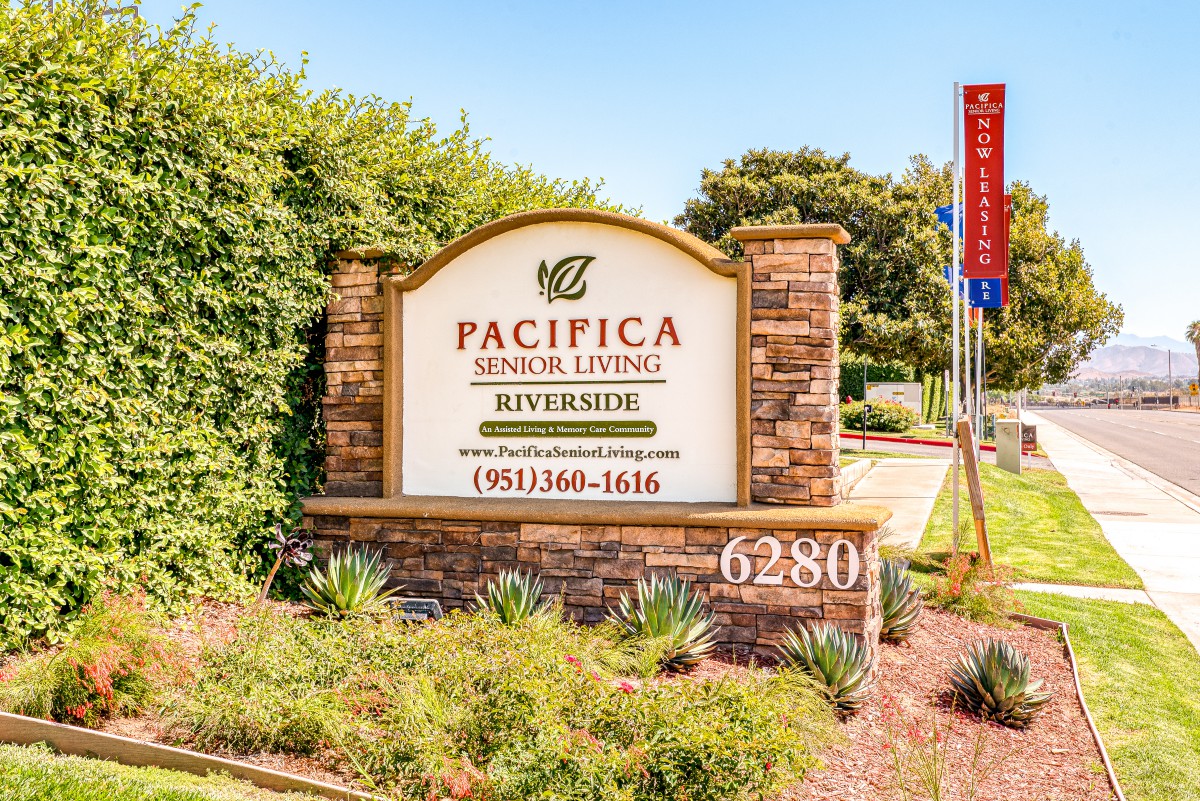


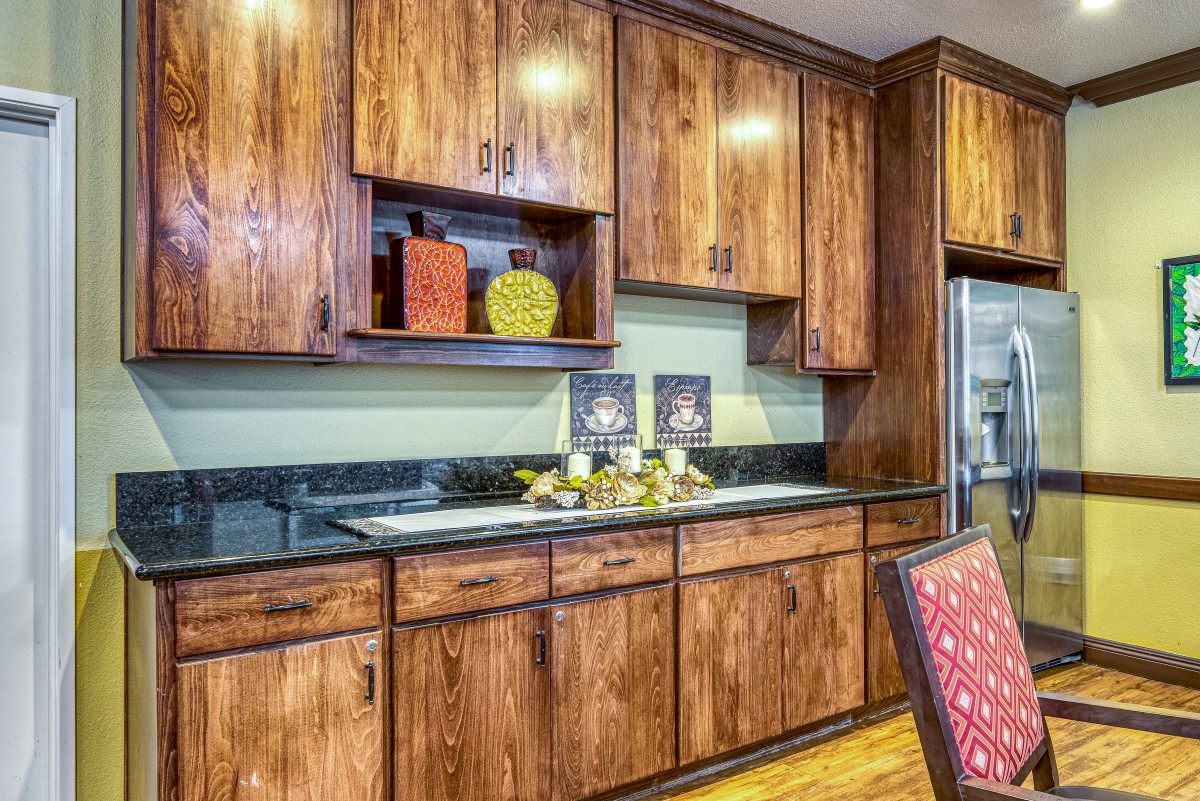
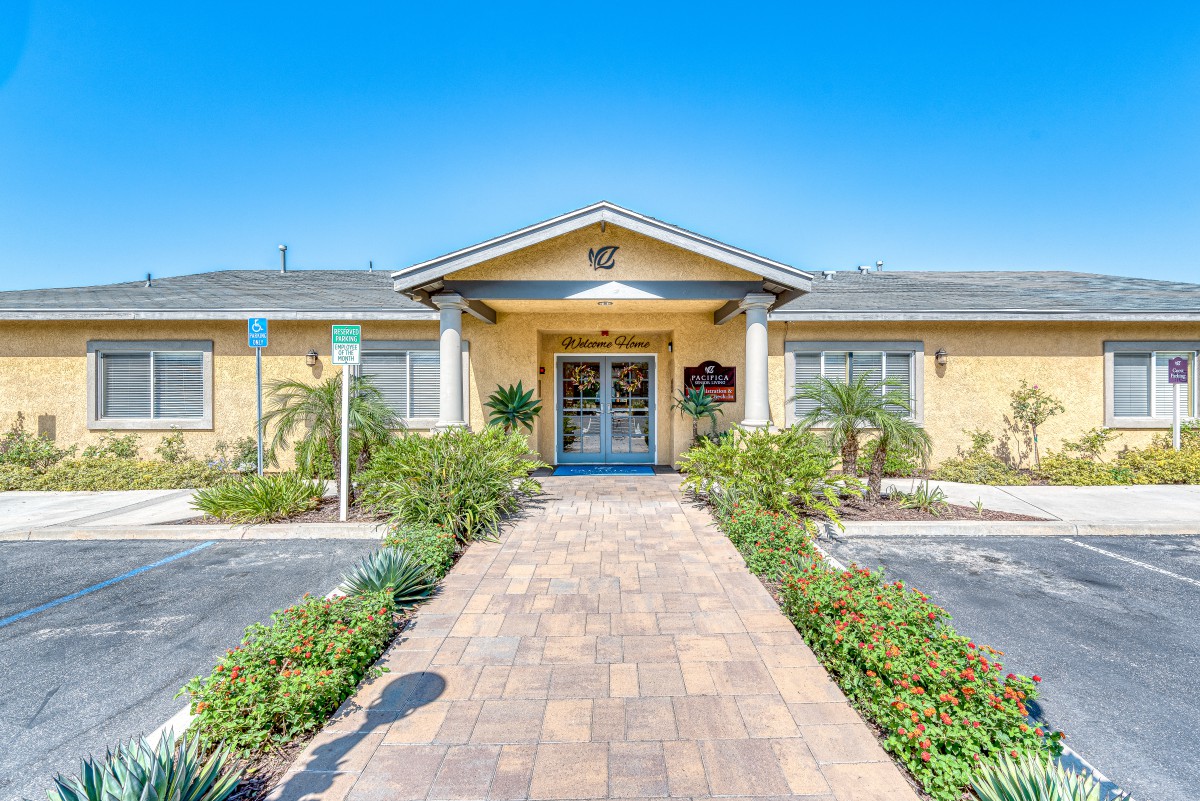










1020 Cheesman, St. Louis, MI 48880
For more information about senior living options: (866) 208-4318
Overall Review of Riverside
Pros
 The staff members continue to work as a team to provide support for the residents.
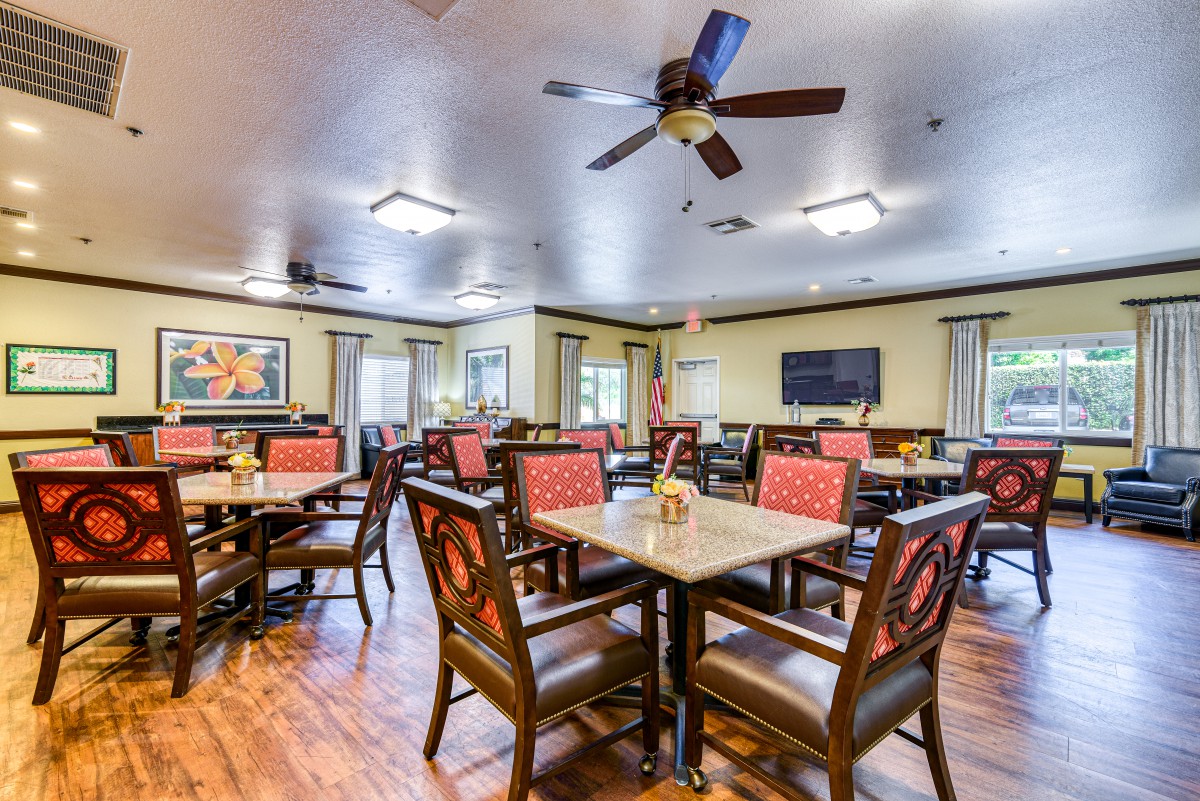
- The nursing staff remain diligent in their care, the facility is clean, meals are tasty, and activity staff provide enrichment for residents.
- The staff go above and beyond to treat residents as family.
- The staff are friendly and welcoming, the facility is clean, and the staff are accommodating.
- The staff-to-resident ratio is very good compared to other facilities.
- The facility is doing its best to make improvements and ensure residents have a better day and receive the care they deserve.
- Specific staff members, such as Andria, Laura, and Annie, have provided love, support, and exceptional care.
Cons
 One reviewer notes there is no air conditioning in 95-degree heat and describes the facility as very understaffed.
- They claim essential medications are not available, and express that they would not recommend the facility.
- A reviewer accuses staff of lying and fabricating records to push residents out, citing prejudice and hatred toward residents.
- They report being assaulted and subsequently treated punitively as though they were to blame.
- They describe neglect in wound care, with dressings changed irregularly despite repeated requests.
- They state the medical care is insufficient, with severe pain and a doctor who will not provide further treatment or address medication reactions.
Review
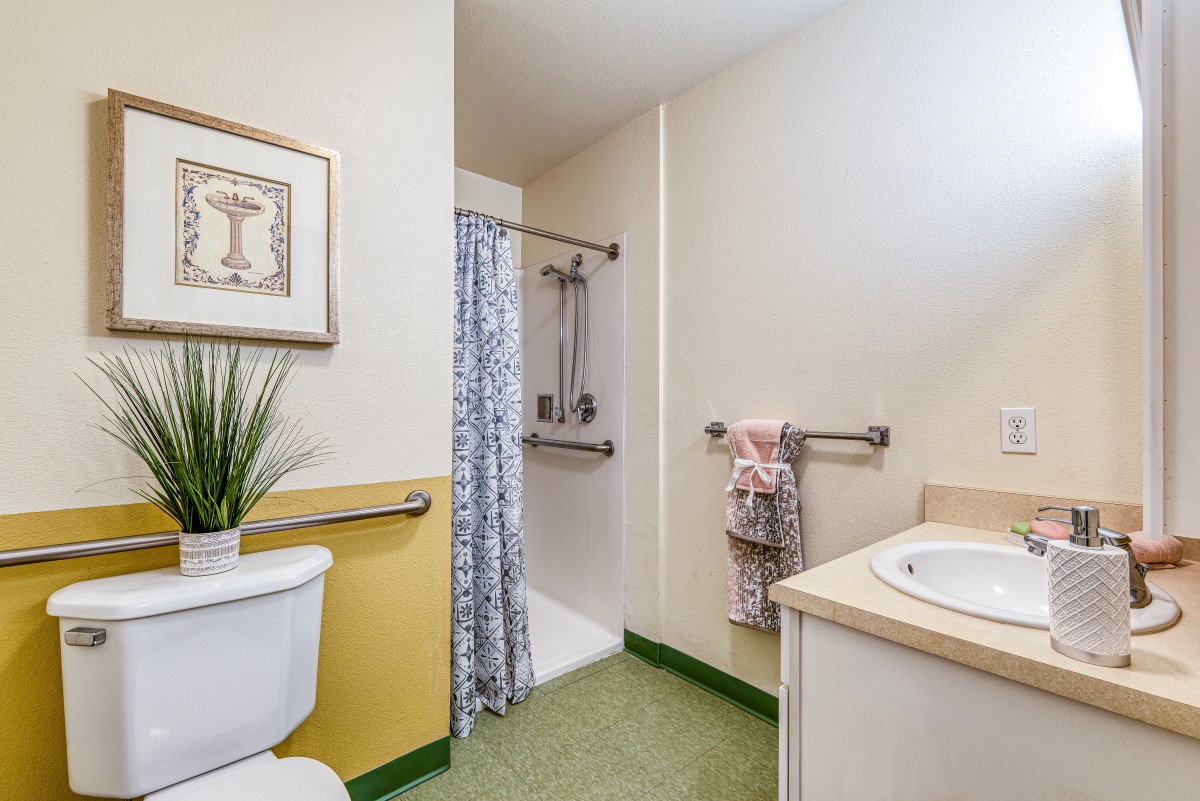
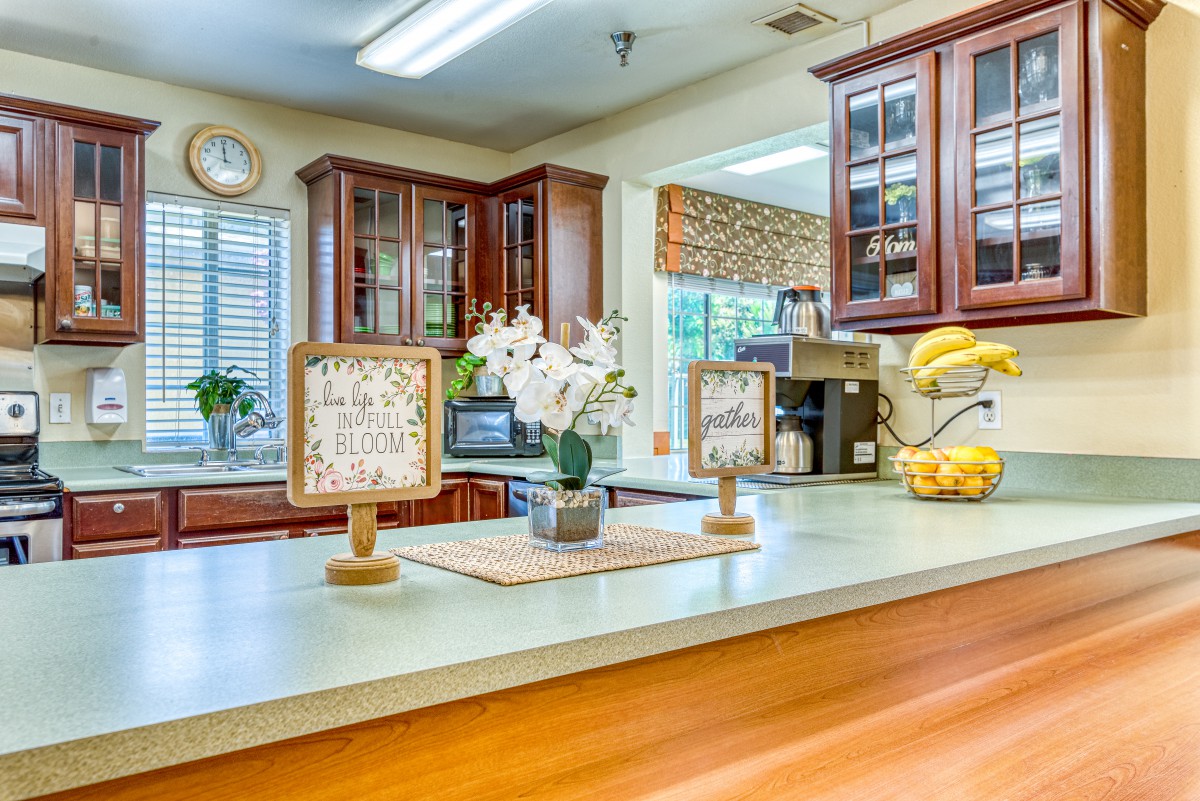
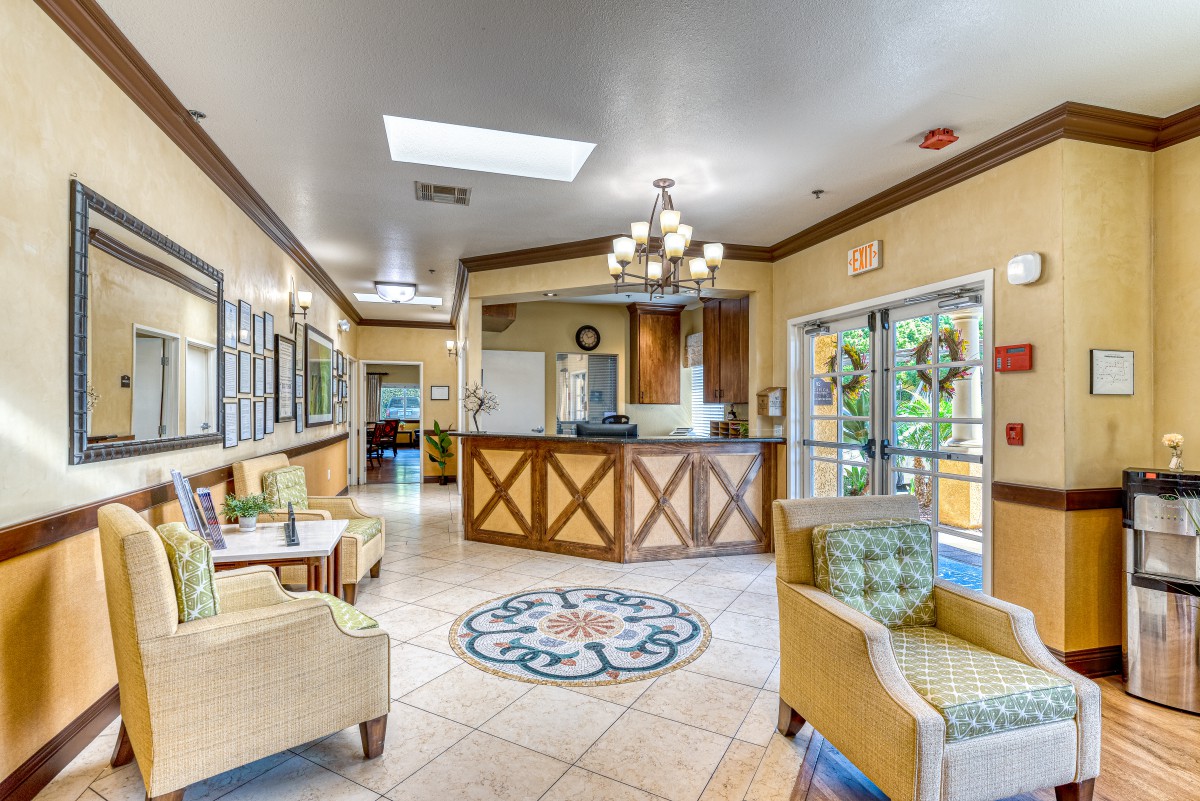
This Riverside community in St. Louis, MI is best suited for families seeking a warm, staff-driven environment where residents are treated with genuine affection and daily life centers on interpersonal care. The facility’s strongest asset is the people: several reviews highlight a team that works hard, blends into a family-like dynamic, and delivers meaningful moments of kindness. When staffing feels stable and the building is clean, residents benefit from cheerful meals, enrichment activities, and a sense that staff “has their back.” For families who can stay actively involved and monitor day-to-day care, Riverside can feel like a supportive, homey option.
Yet this is not a place to consider with blind optimism. Alternatives should be on the radar for residents requiring consistent, high-stakes medical oversight, complex wound care, or reliable, error-free medication management. The most troubling threads in the feedback point to serious safety and governance concerns: allegations of understaffing, delays in clinical care, and outright accusations of record manipulation or prejudice. Families who cannot tolerate potential neglect, or who demand rigorous accountability from leadership and medical staff, will want to weigh other communities more heavily.
The core positives, peripheral care workers who treat residents like family, a strong staff-to-resident ratio in some shifts, clean surroundings, and enjoyable meals, do provide daily comfort and can offset modest operational frictions for a time. When activity staff and dietary teams are engaged, residents experience meaningful interaction and a sense of routine that many families crave. Those benefits, however, are tempered by the main drawbacks: inconsistent medical attention, disputed wound-care practices, and a climate of fear or mistrust among some residents and families. In practice, the warmth indoors can feel undermined by the perception that critical health needs are not being addressed promptly or adequately.
The rating snapshot reinforces the caution: a 3.5 average from 15 reviews sits atop a sharp split, nine five-star endorsements contrasted by five one-star condemnations and a lone three-star. That distribution signals experiences range from highly positive to severely negative. The testimonials with the most intensity center on safety, respect, and accountability concerns, which means potential residents should not rely on atmosphere alone. Responsible decision-making here requires weighing the subjective warmth on the floor against the credibility and consistency of medical, administrative, and emergency responses.
For families actively pursuing Riverside, a disciplined due-diligence plan is essential. Visit with questions about staffing levels across shifts, incident reporting, and how care plans adapt to changes in resident needs. Request detailed explanations of medication ordering processes, wound-care protocols, and the physician’s role, including who is accountable for pain management and when specialized consultations are sought. Observe interactions during visits to gauge whether staff demonstrate genuine attentiveness, and probe about how concerns and complaints are tracked and resolved. If outcomes remain uncertain, consider a trial period or a backup plan for moving to a facility with demonstrably stronger clinical governance.
In sum, Riverside operates as a compelling option for families prioritizing a human-centered, neighborly environment, where dedicated staff can elevate daily life and make residents feel valued. It is not, however, a guaranteed solution for those requiring unwavering clinical reliability or a culture of transparent accountability. The decision hinges on tolerance for potential medical lapses and governance challenges versus the appeal of a home-like setting supported by caring workers. For many, Riverside will be worth pursuing with vigilant oversight; for others, it will be prudent to explore alternatives that deliver more consistent medical rigor and stronger safeguarding practices from day one.
 6 resident community capacity
 Assisted Living
 Cable or satellite TV
 Dining room
 Fully furnished
 Garden
 Housekeeping services
 Move-in coordination
 Outdoor space
 Telephone
 Wi-Fi/high-speed internet available
 24-hour supervision
 Activities of daily living assistance
 Assistance with bathing
 Assistance with dressing
 Assistance with transfers
 Diabetes diet
 Meal preparation and service
 Medication management
 Special dietary restrictions
 Transportation arrangement (medical)
 Transportation to doctors appointments




 Assisted Living Support for Veterans: A Complete and Detailed Overview
 Exploring the Contrasts Between Assisted Living and Skilled Nursing
 8 Key Indicators That Suggest It May Be Time to Transition from Assisted Living to Skilled Nursing Care