For more information about senior living options: (866) 208-4318
3 from 25 reviews
5 stars
8
4 stars
5
3 stars
1
2 stars
2
1 stars
9
The Willows Assisted Living Costs & Pricing
The Willows Assisted Living offers a studio room at a competitive rate of $3,400 per month. When comparing this to the average costs in Berrien County, which stand at approximately $3,025, The Willows is positioned slightly above the county average. However, when looking at the broader state of Michigan, where the average for similar accommodations reaches around $3,824, The Willows provides a valuable option that balances quality and affordability. This pricing reflects not only the amenities and care provided but also showcases the commitment to ensuring residents receive a nurturing environment tailored to their needs within a vibrant community setting.
Floor plans
The Willows Assisted Living
Berrien County
Michigan
Studio
$3,400
$3,025
$3,824
Memory care communities with a similar price nearby
Many residents and families describe the staff as attentive and helpful.
A number of reviewers say staff members were caring, responsive, and helpful with day-to-day support. Others describe a knowledgeable team that follows through, including in the memory care setting. Even some mixed reviews describe the environment as welcoming and the staff as helpful during an adjustment period.
common5 reviews mention this
Activities keep residents engaged
Residents are offered activities designed to keep them busy.
Several reviewers mention ongoing activities, including puzzle and game time and other scheduled happenings during the week. Families also describe staff keeping activities going and sharing updates. Reviewers often connect the activity schedule with a more positive day-to-day experience for residents.
common3 reviews mention this
Memory care is a major focus
The memory care unit is repeatedly mentioned by families.
Multiple reviews specifically reference the dementia or memory care unit when discussing overall care. One reviewer describes a move into the memory care wing after a prior facility didnā€™t meet needs, and others mention memory care during long stays. Reviewers also describe caregiver patience and support as part of that experience.
common2 reviews mention this
Food stands out for several families
Several families point to the quality of meals.
A couple of reviewers highlight the food as excellent, including one saying meals are cooked on the premises. These comments come up in reviews that otherwise focus on care in assisted living and memory care. Other reviews do not provide comparable dining detail, so opinions are not uniform across all responses.
caveat8 reviews mention this
Serious concerns about safety and care
A recurring set of reviews raises safety and care concerns.
Some reviewers report incidents or patterns that they felt reflected inadequate care, including medication errors, staff not being present on shifts, and delays in help with basic needs. Others describe situations involving unsafe conditions, such as residents getting out, window access, or problems protecting residents from a predator. A number of these reviews also describe management as unresponsive or dismissive when families raised concerns.
How we summarize
Counts show how many written reviews mention each theme; a review can touch several themes, and only frequently mentioned themes are displayed.
Features
Types of Care
Assisted Living
Independent Living
Memory Care
Amenities
Activities on-site
Devotional services off-site
Indoor common areas
Respite or short term stays offered
Transportation
South Bend Regional (25 miles away)
Care Services
Ambulatory care
Diabetic care
Dining
Meals provided
Activities
Activities on-site
Devotional activities offsite
Nearby Places of Interest
This part of St. Joseph, Michigan, offers a variety of amenities and services that may be appealing to seniors looking for a convenient and comfortable place to live. The area is home to several restaurants such as Moe's Southwest Grill, Panera Bread, and Chili's Grill & Bar, providing plenty of dining options. Additionally, there are several pharmacies nearby like Walgreens and Meijer Pharmacy for easy access to medications. For medical care, there are multiple physician offices and hospitals in close proximity, including Lakeland Healthcare and Lakeland Medical Center. Places of worship such as Road To Life Church and SS John and Bernard Catholic Church offer spiritual support, while parks like Riverview Park provide opportunities for outdoor recreation. Transportation options are also available with Avis Rent A Car located just 3.2 miles away. Overall, this part of St. Joseph combines convenience, healthcare facilities, dining options, and recreational amenities making it a desirable location for senior living.
Restaurants
Moe's Southwest Grill (0.2 miles)
Mark III Grille & Bar and Inn (1.3 miles)
Sonic Drive-In (1.4 miles)
Burger King (2.1 miles)
KFC (2.2 miles)
Taco Bell (2.3 miles)
Chili's Grill & Bar (2.4 miles)
Cafes
Panera Bread (0.2 miles)
Physicians
Stonegate Plastic Surgery Center (0.3 miles)
Physicians Center of Physical Medicine PC (0.3 miles)
Robert L Piasecki (0.3 miles)
Asthma Allergy Center Of Southwest Michigan (0.3 miles)
The Willows Assisted Living offers a studio room at a competitive rate of $3,400 per month. When comparing this to the average costs in Berrien County, which stand at approximately $3,025, The Willows is positioned slightly above the county average. However, when looking at the broader state of Michigan, where the average for similar accommodations reaches around $3,824, The Willows provides a valuable option that balances quality and affordability. This pricing reflects not only the amenities and care provided but also showcases the commitment to ensuring residents receive a nurturing environment tailored to their needs within a vibrant community setting.
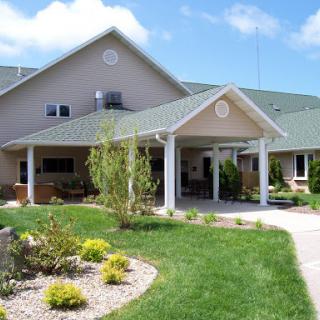
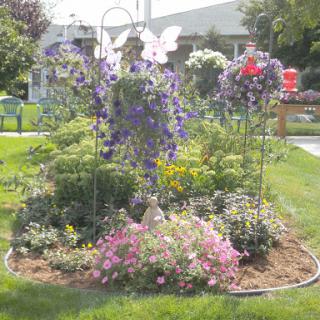
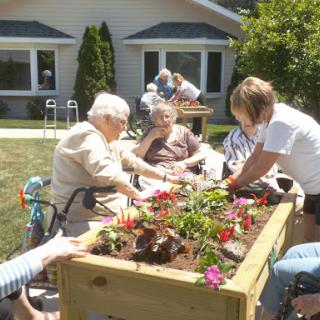
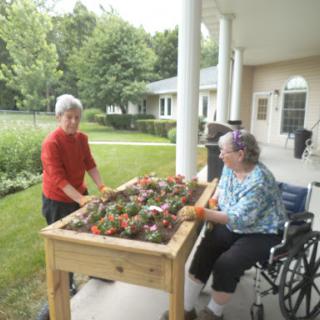
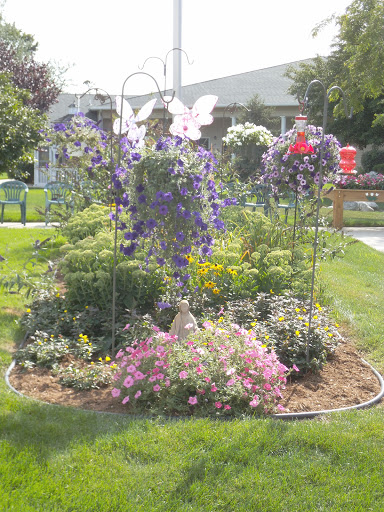
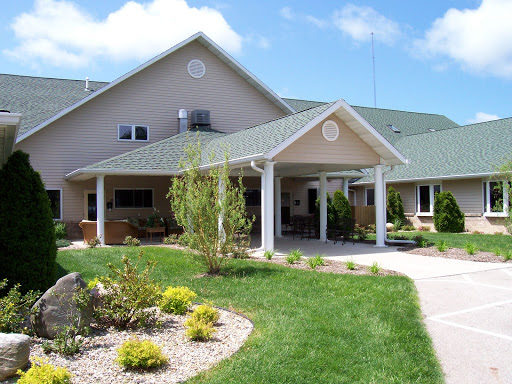
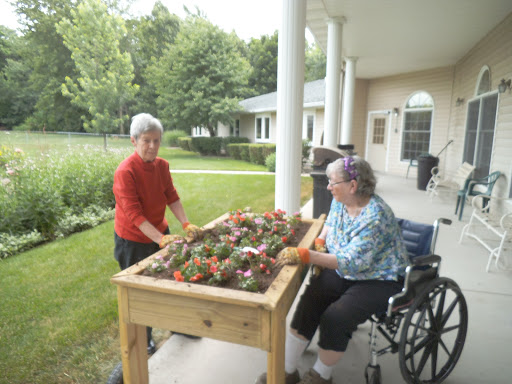
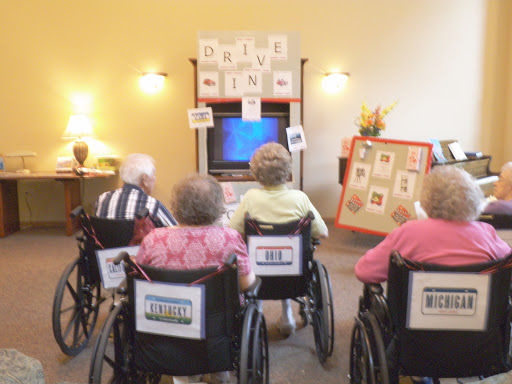
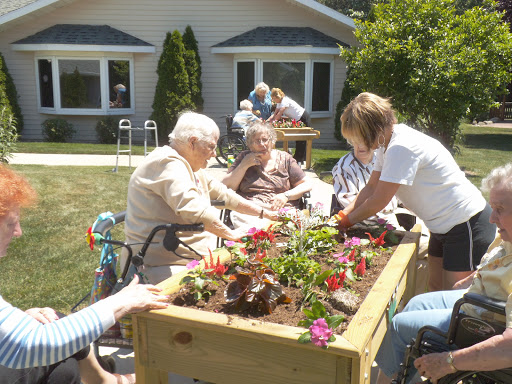
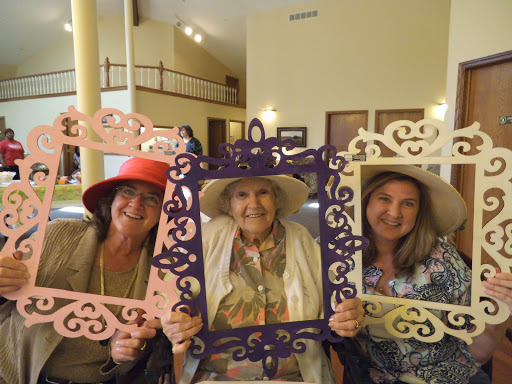
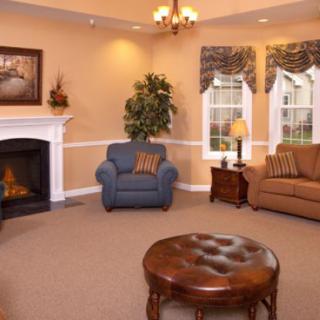
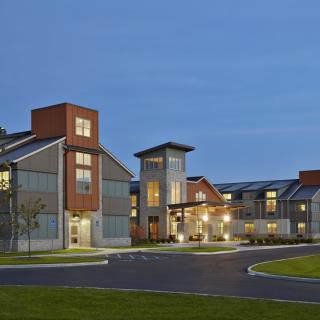
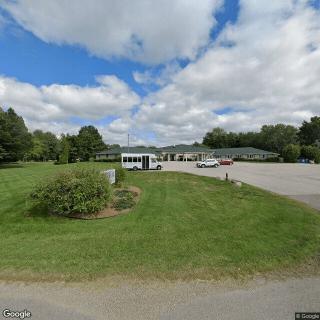
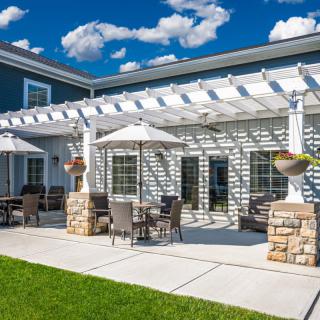
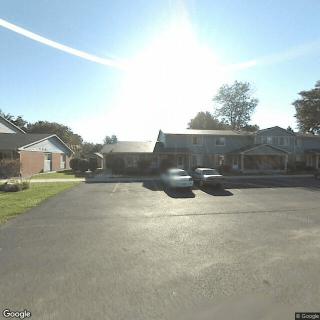
The Willows Assisted Living on seniors.fyi includes 7 photos including images showing landscaping, garden, outdoor, porch, gardening, wheelchair, television, assistance, and more.
Nearby Communities
The Willows Assisted Living 3
Saint Joseph, MI
3 from 22 reviews
Small, personalized care with 24/7 supervision and dedicated memory care programming.
The Willows Assisted Living 2
Saint Joseph, MI
2.8 from 16 reviews
24/7 supervision with specialized memory care and all-inclusive amenities.
Willows Assisted Living #1
St. Joseph, MI
2.6 from 15 reviews
Comprehensive care options (including diabetic care) with on-site activities and meals, plus a strong sense of community and nearby amenities.
Provision Living at St. Joseph
St. Joseph, MI
4.4 from 37 reviews
$4,250 to $6,750 / month
Beautiful, well-maintained facilities with engaging activities, strong memory-care amenities, and proactive safety features.
Royalton Manor
St Joseph, MI
3.7 from 61 reviews
Broad amenities and around-the-clock care.
Caretel Inns of Lakeland
St. Joseph, MI
4.6 from 100 reviews
$2,500 to $4,788 / month
Specialized memory care and skilled nursing with diabetic care, plus on-site activities and a focus on spiritual well-being.
Woodland Terrace of Longmeadow
Niles, MI
4.1 from 28 reviews
$2,845 to $3,295 / month
Beautiful, clean facility with friendly staff and engaging activities.
The Timbers Of Cass County
Dowagiac, MI
3.2 from 31 reviews
Clean, supportive environment with flexible outside-food policy.
Golden Oak Village
South Bend, IN
4.2 from 32 reviews
$575 to $610 / month
Strong management and maintenance with a peaceful atmosphere and engaging activities.
The article examines the link between certain medications and increased dementia risk, particularly in older adults, emphasizing that long-term or high-dose use of anticholinergics, benzodiazepines, and other drug classes can exacerbate cognitive impairment. It calls for careful medication evaluation and shared decision-making to mitigate these risks while managing treatment efficacy.
The article emphasizes the significance of establishing a power of attorney for elderly parents to enable an agent to make decisions on their behalf regarding health and finances, especially during cognitive or physical decline. It outlines various types of power of attorney, the importance of consulting legal professionals, and the responsibilities and challenges faced by agents, while also discussing alternatives and common misconceptions.
Caregiver support groups are crucial for providing emotional and practical assistance to those caring for loved ones, offering resources, coping strategies, and a sense of community through various organizations and platforms. These groups help alleviate isolation and burnout while addressing the unique challenges faced by caregivers of individuals with specific conditions.
Get PricingAsk A QuestionSchedule A TourContact Senior Advisor
By clicking submit, you agree to our Partner's Terms of Use. You
also consent to receive calls and texts, which may be autodialed, from our Partner. Your consent is not a condition to
using our Partner's service. Please visit our Partner's Privacy Policy for information about their privacy practices.

 Assisted Living
 Independent Living
 Memory Care
 Activities on-site
 Devotional services off-site
 Indoor common areas
 Respite or short term stays offered
 South Bend Regional (25 miles away)
 Ambulatory care
 Diabetic care
 Meals provided
 Small, personalized care with 24/7 supervision and dedicated memory care programming.



 Medications Associated with Dementia Risk: A Comprehensive Overview
 Guiding Your Journey: Understanding Power of Attorney for Elderly Parents
 22 Remarkable Caregiver Support Groups Available Online and In-Person