
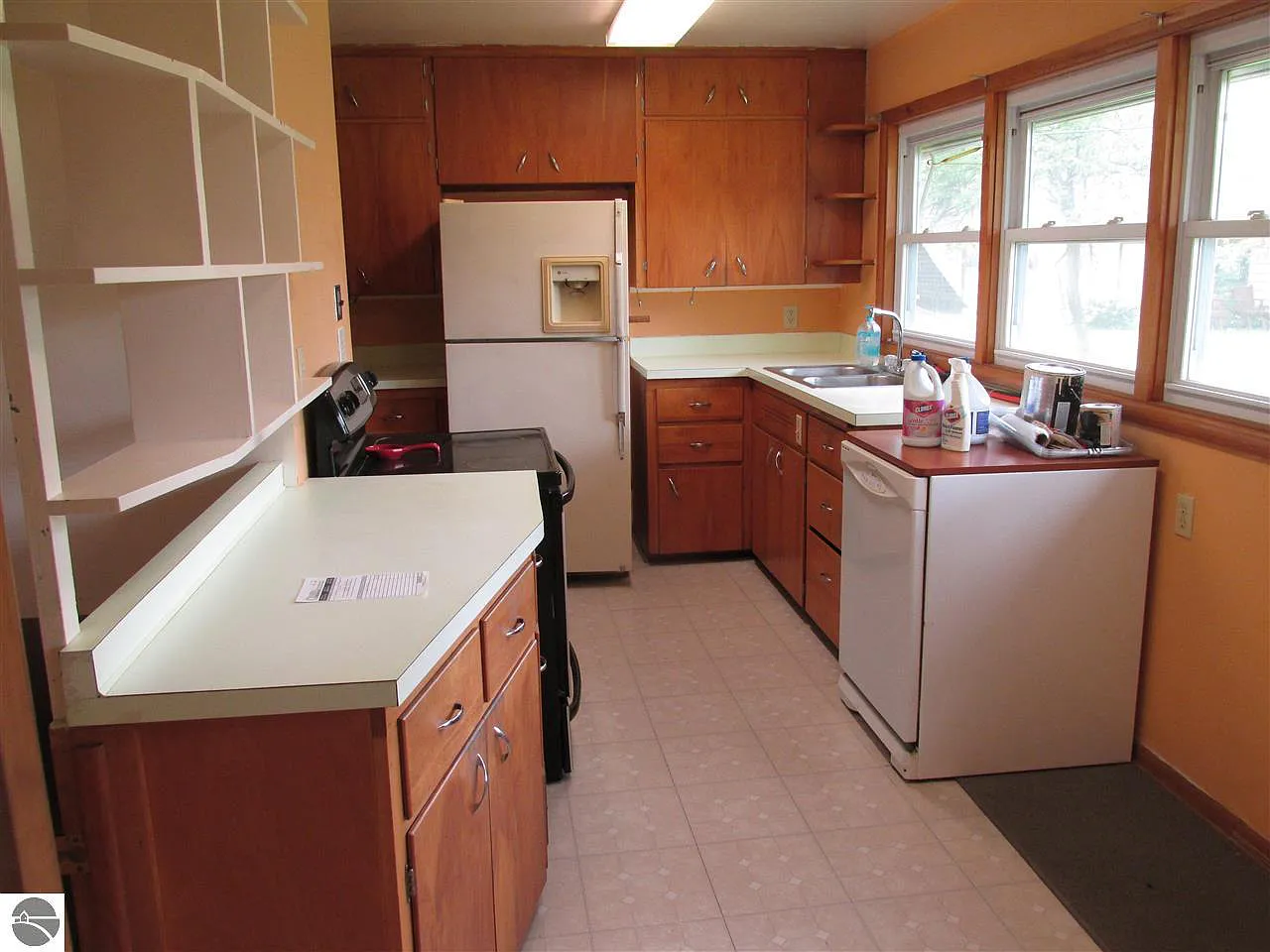
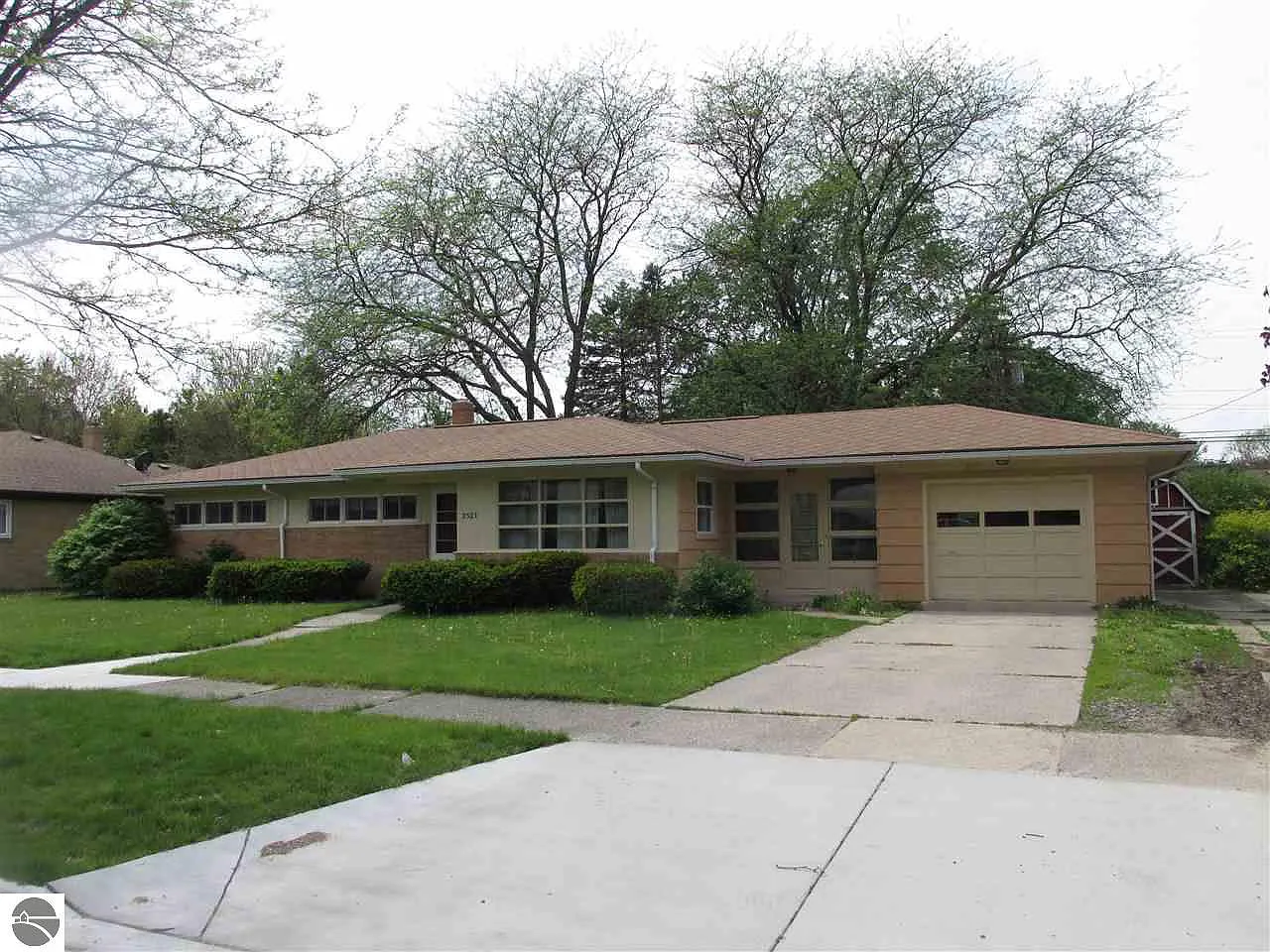
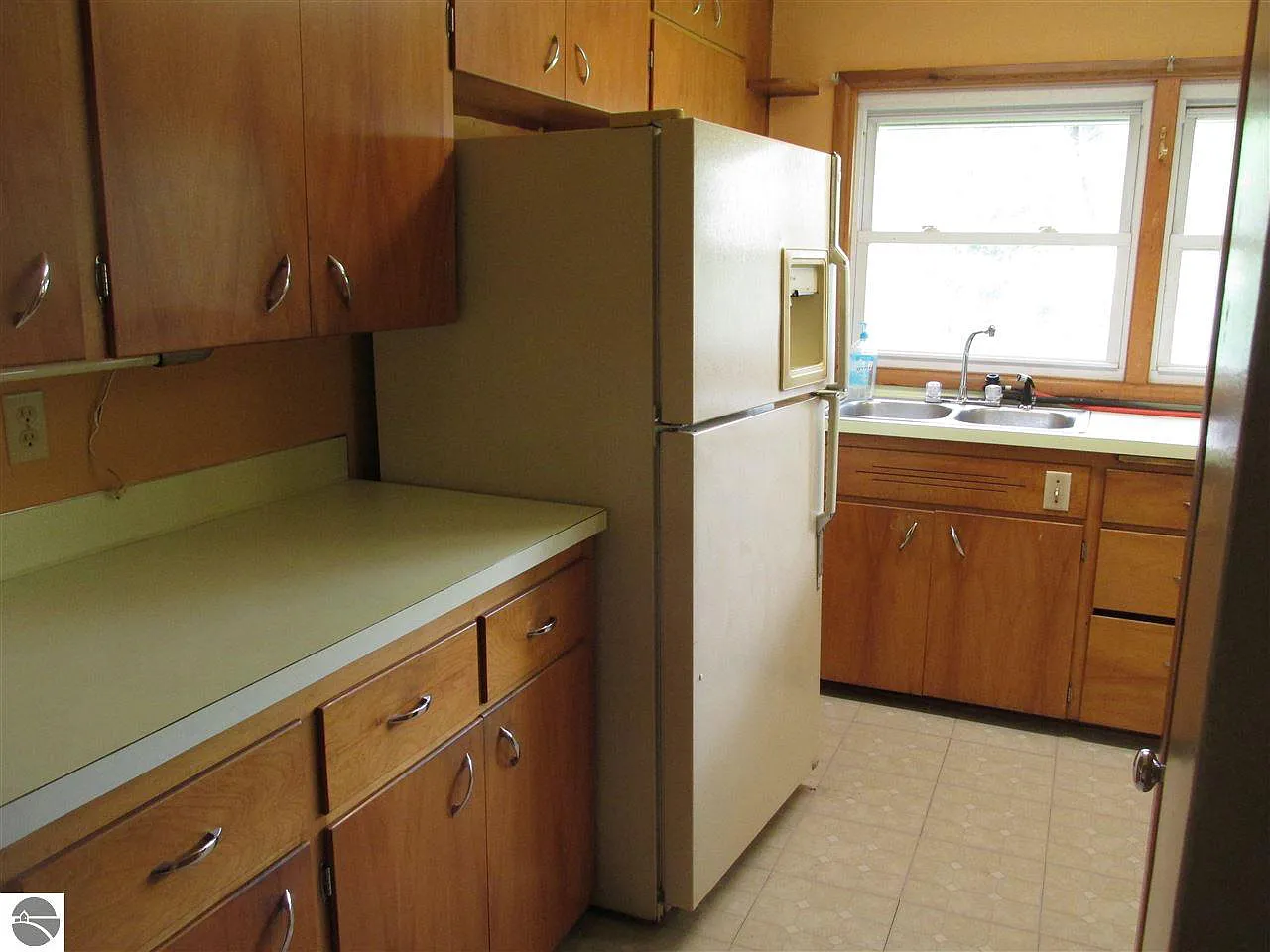
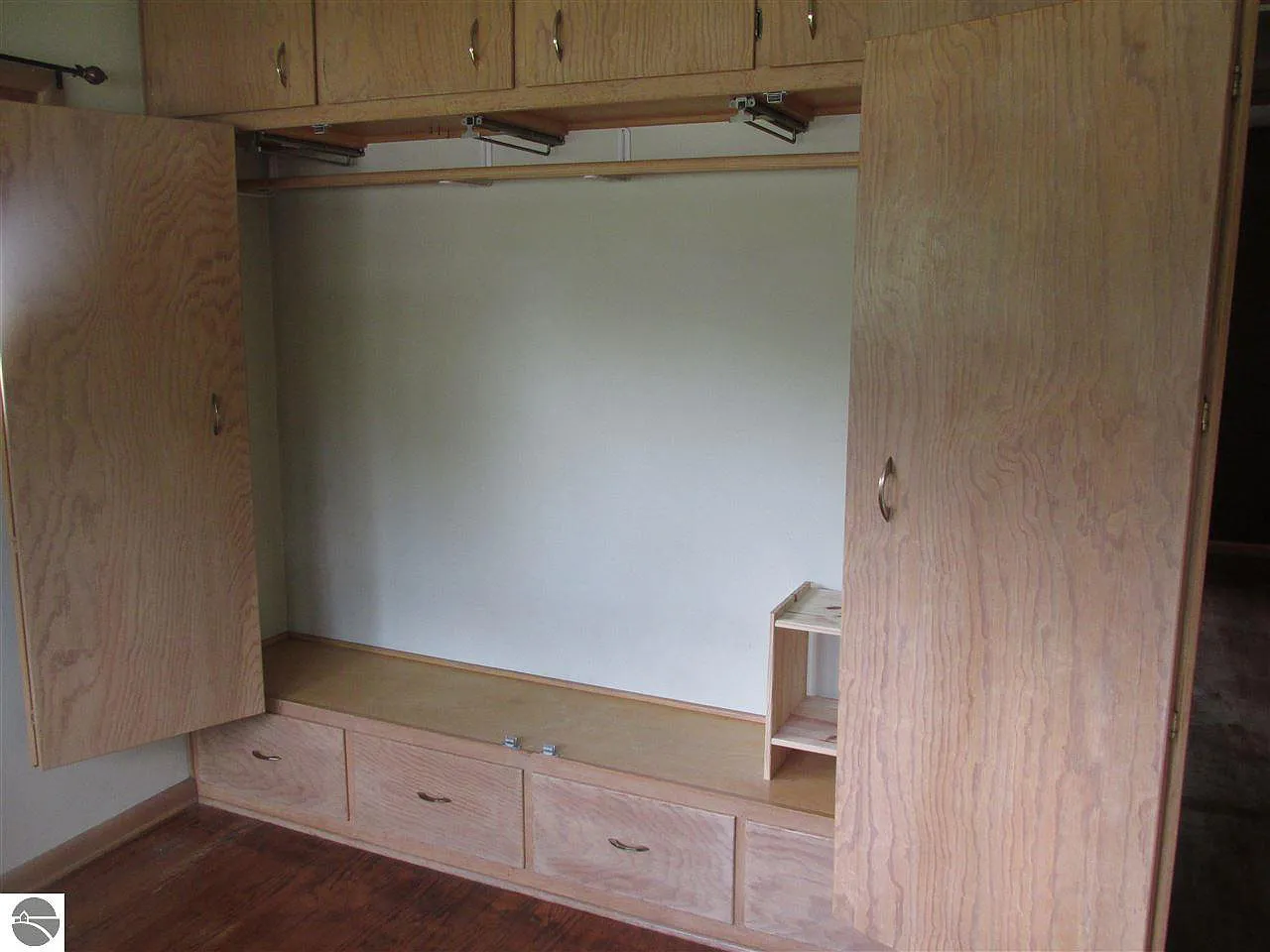
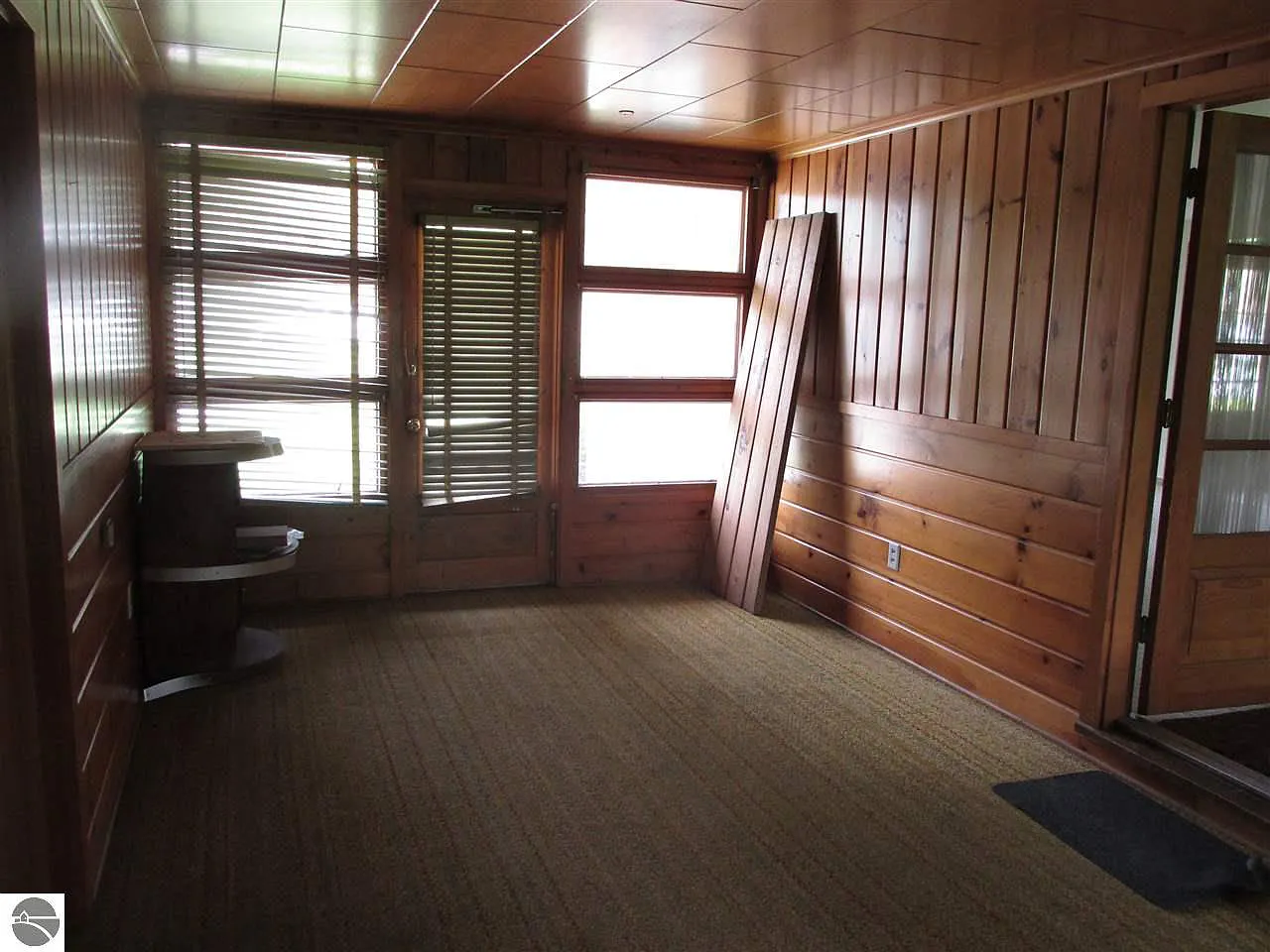
2521 North Mason Street, Saginaw, MI 48602
For more information about senior living options: (866) 208-4318
Overall Review of House Of Serenity
Pros
 The staff are friendly and caring.
- The staff are very knowledgeable and patient.
- They make the residents feel at home and part of the family.
- The facility is a truly great place for loved ones.
Review
House Of Serenity in Saginaw is best suited for families seeking a warm, home-like living environment where caregivers treat residents like family. The strongest signals from the available experiences point to staff who are friendly, caring, knowledgeable, and patient, with an emphasis on practical kindness and personal attention. In this setting, residents are not handed off to a revolving door of aides; instead, they encounter familiar faces who strive to know their routines, preferences, and histories. For seniors who prize comfort, predictability, and a sense of belonging over formal, impersonal care, this community delivers a sense of security that can ease the transition into assisted living.
Those weighing alternatives should consider the likely fit for needs beyond companionship and daily help. If a loved one requires intensive medical oversight, around-the-clock nursing, or highly specialized memory-care programming, a larger facility with on-site physicians, more extensive clinical staff, and dedicated memory-care units may be a stronger match. Similarly, families looking for a bustling calendar of activities, robust vocational or recreational programming, or a wide network of on-site resources might find smaller homes more limited. In short, this community excels at intimate, person-centered care; alternatives with broader resource pools should be on the table when medical complexity or high-energy programming is the priority.
The primary advantages, friendly, patient staff; deep knowledge of residents; and a genuine sense of being “at home”, translate into tangible outcomes. Residents benefit from consistent relationships with caregivers, which can reduce confusion, anxiety, and resistance to care. The staff’s attentiveness supports daily safety, timely assistance with activities of daily living, and smoother communication with families. The home-like atmosphere also tends to minimize the sense of loss that can accompany a relocation, helping loved ones maintain autonomy and dignity. In practical terms, this often means fewer stressful interactions, more meaningful conversations, and a calmer routine that many seniors respond to positively.
The ease of access to caregivers and the personalized approach are the strongest mitigating factors against potential downsides of a smaller operation. In a smaller community, there is less bureaucracy, quicker responses, and more flexible scheduling that suits individual rhythms. Such advantages can offset concerns about limited programming or fewer on-site amenities when the priority is tailored care and reliable relational continuity. For residents who value quiet dignity and consistent, family-like attention, these positives outweigh the trade-offs associated with scale. The result is a setting where daily life feels manageable, predictable, and warmly administered.
Nevertheless, potential gaps should be acknowledged and weighed against the bright spots. A smaller home may not always deliver the breadth of services or the breadth of social options found in larger facilities, which means families should probe the scope of activities, transportation, and any available specialized therapies during a visit. If dietary variety, off-site community connections, or structured, variable programming are high on the list, these are legitimate areas to clarify. When these elements matter, it becomes essential to assess whether the staff’s personal approach can compensate through creative scheduling and close coordination with families and visiting clinicians.
Ultimately, House Of Serenity stands as a strong choice for families prioritizing warmth, individualized attention, and a sense of belonging. It is especially well-suited for seniors who thrive on a home atmosphere and sustained, personal relationships with caregivers. For those whose decision hinges on medical complexity, memory-care needs, or the breadth of programming, it is wise to compare against larger communities with more extensive clinical resources. A careful site visit, direct conversations with the care team, and a clear understanding of daily routines will reveal how closely this home aligns with long-term care goals and family expectations.
 6 resident community capacity
 Assisted Living
 Cable or satellite TV
 Dining room
 Fully furnished
 Garden
 Housekeeping services
 Move-in coordination
 Outdoor space
 Telephone
 Wi-Fi/high-speed internet available
 Mbs International (9 miles away)
 24-hour supervision
 Activities of daily living assistance
 Assistance with bathing
 Assistance with dressing
 Assistance with transfers
 Diabetes diet
 Meal preparation and service
 Medication management
 Special dietary restrictions
 Transportation arrangement (medical)
 Transportation to doctors appointments



 Assisted Living Support for Veterans: A Complete and Detailed Overview
 Exploring the Contrasts Between Assisted Living and Skilled Nursing
 8 Key Indicators That Suggest It May Be Time to Transition from Assisted Living to Skilled Nursing Care