
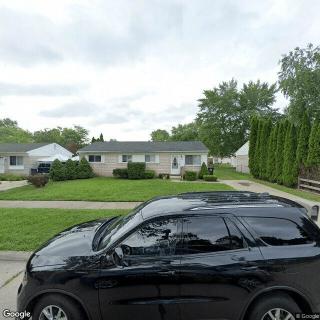
30443 Cherry, Romulus, MI 48174
For more information about senior living options: (866) 208-4318
Overall Review of True Transitions Adult Foster Care
Pros
 Cherry Grove AFC and its staff are amazing to families, keeping loved ones safe and engaged.
- They put fears to rest and cared for loved ones right up until the end, even during Hospice.
- The owners, including Kelli, are loving, caring, and selfless, earning families' trust.
- The staff at Cherry Grove are beyond amazing and can be trusted with loved ones.
- The facility is a perfect home away from home, with excellent care and a warm, family-like atmosphere.
- The Cherry Grove Adult Foster Care Home provides wonderful, homey care with excellent attention up to the end.
- The staff go above and beyond to ensure residents are well taken care of, and visits from family are welcomed.
Review
This community is best suited for families seeking a truly home-like, family-owned care setting in Romulus where the resident is treated as part of the family, not just a patient. It excels for individuals who need around-the-clock supervision and steady, hands-on attention delivered with warmth and reliability. The prevailing feedback centers on safety, meaningful engagement, and a culture of care so consistent that families feel they can offload worry while a loved one remains in a dignified, familiar environment. In short, this model serves seniors who value intimate, personalized care over a large, impersonal staff structure.
Those weighing alternatives should consider a few practical boundaries. If a loved one requires more intensive medical management, frequent hospital-level interventions, or specialized memory-care programming with formalized activities and staffing ladders, a larger facility with dedicated clinical teams may be a better fit. Similarly, families pursuing a broad spectrum of amenities, on-site therapy options, or highly structured daily schedules might find a bigger community more aligned with expectations. The intimate, family-owned approach works best when the priority is deep relationships, flexible routines, and a sense of home, rather than a conventional, multi-wing campus experience.
The strongest pros are unmistakable and appear to drive most decisions. The owners and caregivers bring a level of devotion that translates into dependable supervision, rapid responsiveness, and a reassuring atmosphere for both residents and families. A homey, non-corporate vibe reduces the clinical distance that can exist in larger settings, allowing staff to know residents’ preferences, routines, and histories. This leads to heightened safety, consistent daily rhythms, and a reassuring sense that someone is always watching out for the person in care. The ability to visit freely and engage with staff in meaningful ways further strengthens confidence in ongoing quality.
Equally important are the relational benefits: a true family atmosphere, genuine caring, and staff who go the extra mile to treat loved ones with respect and affection. Families repeatedly note that the care team feels more like a trusted extension of family than a distant caregiving service. This translates into better emotional well-being for residents and lower stress for relatives, who can participate in care planning and daily life without bureaucratic friction. The integration of hospice or end-of-life support is presented as seamlessly aligned with the everyday routines, which reinforces dignity and comfort during challenging phases.
While the intimate setting may raise questions about medical breadth, the documented strengths strongly offset these considerations. The compact, hands-on model means quick decision-making and direct access to leadership, not layers of administrator approval. Families consistently report relief knowing that caregivers know every nuance of a loved one’s health and preferences, and that adjustments, whether dietary tweaks, activity changes, or medication reminders, are implemented promptly. In practice, the pros of personal attention, safety, and family involvement can outweigh the absence of a large medical staff, especially when a resident’s needs are well-matched to the strengths of a small, responsive team.
For families evaluating options, the bottom-line guidance is clear: this setting shines for those who want intimate, relationship-driven care and a homelike daily life for a loved one who benefits from steady oversight and compassionate companionship. It is especially compelling for residents who are comfortable in a smaller community where caregivers know their historie, routines, and preferences, and where hospice or end-of-life care can be integrated with continuity and empathy. If the priority is highly formal medical programming, expansive amenities, or a campus with dozens of specialized departments, it is prudent to assess alternatives. Otherwise, this model offers a powerful combination of safety, connection, and dignity that can make all the difference for families prioritizing steady, soulful care.
 6 resident community capacity
 Assisted Living
 Cable or satellite TV
 Dining room
 Fully furnished
 Garden
 Housekeeping services
 Move-in coordination
 Outdoor space
 Telephone
 Wi-Fi/high-speed internet available
 Detroit Metropolitan-Wayne County (1 miles away)
 24-hour supervision
 Activities of daily living assistance
 Assistance with bathing
 Assistance with dressing
 Assistance with transfers
 Diabetes diet
 Meal preparation and service
 Medication management
 Special dietary restrictions
 Transportation arrangement (medical)
 Transportation to doctors appointments
 A Detailed Exploration of Assisted Living Medicaid Waivers Across the United States
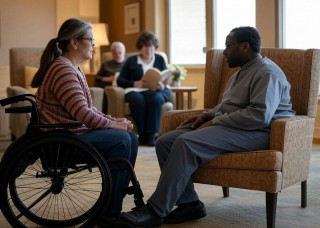 Comprehensive Residential Support and Assisted Living Solutions for Individuals with Disabilities
 Comprehensive Supportive Living Arrangements for Adults with Disabilities