
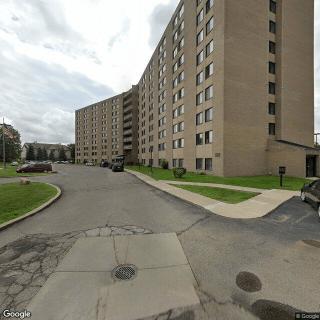
6047 6051 Carnegie, Romulus, MI 48174
For more information about senior living options: (866) 208-4318
Overall Review of Advance Care 2
Cons
 The company is terrible.
 - They did not show up to take the patient to dialysis four times in the past month.
- They were incredibly rude on the phone.
Review
Advance Care 2 in Romulus, Michigan is best viewed as an option for residents who do not depend on staff to coordinate regular medical transportation and who can tolerate limited responsiveness from frontline staff. For families with a resident who can manage or arrange their own essential appointments, the facility might appear superficially suitable. Yet this is a narrow lane: the current signal from available feedback is that dependable medical support is not reliably available, and that administrative communication can be difficult. In practical terms, only those who can absorb frequent self-advocacy and potential gaps in service should seriously consider this community.
The core message from the sole public review is unequivocal and alarming. Four times in one month, transportation to dialysis was not provided, leaving a patient whose life depends on timely treatment without a critical service. That single failure mode, missed medical transport, presents a clear and non-negotiable risk to health and safety. Compounding that risk is the report of rude behavior on the phone, indicating a pattern of customer service that fails to respect families seeking support during vulnerable moments. Taken together, these two factors create a red flag that eclipses any other nominal positives a facility might offer.
This combination translates into tangible and ongoing consequences. Regular dialysis transport is not a luxury; it is a medical necessity whose disruption can lead to dehydration, toxin buildup, and hospitalization. When staff communication deteriorates to the point of rudeness, trust erodes and families hesitate to rely on the facility for critical needs. The takeaway is clear: operational reliability in medical logistics and professional, respectful communication are not present at a level that would reassure prospective residents and their households. In decision terms, the risks here overwhelmingly eclipse any uncertain comfort or convenience.
Prospects for offsetting these cons are minimal based on the available data. No distinct advantages or redeeming features are documented in the review to counterbalance the missed transports and the abrasive phone interactions. In other words, there is no evident bright spot, no proven staffing continuity, no dependable care coordination, no demonstrated responsiveness, that would justify accepting the significant decline in essential service. Without credible countervailing strengths, the balance clearly tilts toward caution and, for many families, toward dismissal of Advance Care 2 as a viable option.
Alternatives should be prioritized for anyone with a resident who requires regular, medically coordinated transportation or who values consistently courteous, professional communication. Families should compare facilities that explicitly verify reliable transport arrangements for dialysis or other frequent appointments, and that document escalation procedures when schedules slip. Look for communities with transparent care coordination, clear accountability, and evidence of responsive front-d desk and nursing staff. If a potential match cannot demonstrate dependable medical logistics and respectful interaction, it is prudent to move on to other options in Romulus or the surrounding area.
Actionable next steps are essential. Schedule in-person tours and insist on speaking with current residents or families about transportation reliability and staff responsiveness. Ask direct, concrete questions: what is the standard protocol when a transportation slot is missed? how is accountability assigned and tracked? what are the average response times to urgent requests? request recent itineraries for medical appointments and a written transportation policy. Finally, verify licensing and complaint histories with the state and local ombudsman to confirm that the facility’s stated practices align with regulatory standards.
 6 resident community capacity
 Assisted Living
 Cable or satellite TV
 Dining room
 Fully furnished
 Garden
 Housekeeping services
 Move-in coordination
 Outdoor space
 Telephone
 Wi-Fi/high-speed internet available
 Detroit Metropolitan-Wayne County (4 miles away)
 24-hour supervision
 Activities of daily living assistance
 Assistance with bathing
 Assistance with dressing
 Assistance with transfers
 Diabetes diet
 Meal preparation and service
 Medication management
 Special dietary restrictions
 Transportation arrangement (medical)
 Transportation to doctors appointments
 Small, intimate 6-bed setting with personalized care and comprehensive services.


 Assisted Living Support for Veterans: A Complete and Detailed Overview
 Exploring the Contrasts Between Assisted Living and Skilled Nursing
 8 Key Indicators That Suggest It May Be Time to Transition from Assisted Living to Skilled Nursing Care