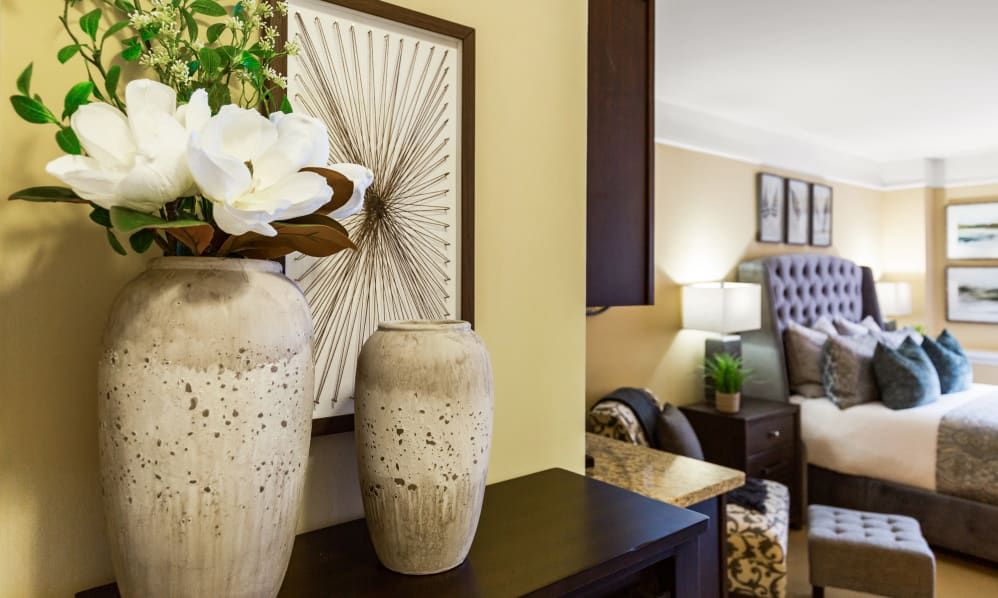
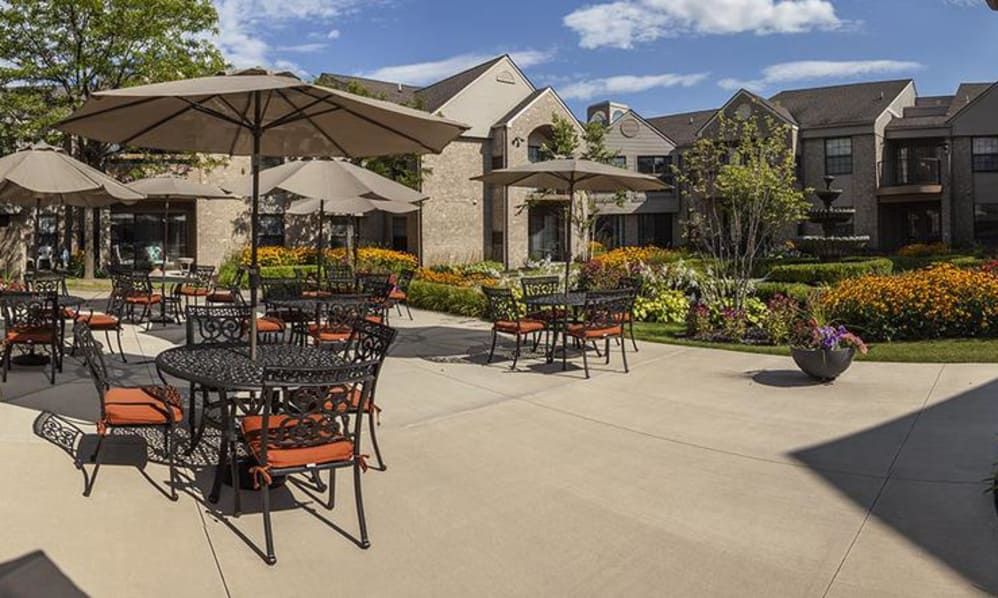
3280 Walton Boulevard, Rochester Hills, MI 48309
For more information about senior living options: (866) 208-4318
Waltonwood at University II Costs & Pricing
Waltonwood at University II presents a compelling value proposition for those seeking senior living accommodations in Michigan. With monthly costs of $2,100 for a one-bedroom unit and $2,800 for a two-bedroom option, residents enjoy substantial savings compared to statewide and county averages - $3,384 for one-bedrooms and $3,523 for two-bedrooms across Michigan. In Oakland County specifically, the differences are even more pronounced, with one-bedroom units averaging $3,507 and two-bedrooms reaching $3,881. This makes Waltonwood an attractive choice for individuals or couples looking for quality living arrangements that combine comfort with affordability.
| Floor plans | Waltonwood at University II | Oakland County | Michigan |
|---|---|---|---|
| 1 Bedroom | $2,100 | $3,507 | $3,384 |
| 2 Bedrooms | $2,800 | $3,881 | $3,523 |
Assisted Living communities with a similar price nearby
-
from -$300 / mo

Genesis Senior Living- Sterling
$1,800 to $3,110 / month7.7 miles away -
from +$95 / mo
Simply Beautiful Adult Foster Care Homes
$2,195 to $4,100 / month15.4 miles away -
from +$175 / mo
Pleasant Valley Family Care
$2,275 to $7,000 / month14.5 miles away -
from -$205 / mo
D & P Special Needs Center
$1,895 to $4,195 / month16.9 miles away -
from +$360 / mo
Unlimited Care
$2,460 to $2,500 / month16.0 miles away
Overall Review of Waltonwood at University II
Pros
 The stay at Waltonwood at University was a very pleasant experience.
- Everyone was pleasant and friendly.
- The experience was described as unique.
Review
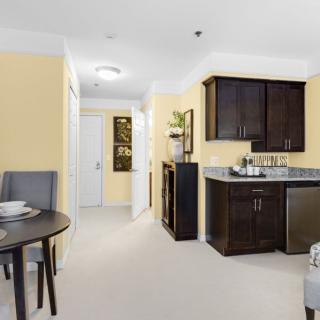
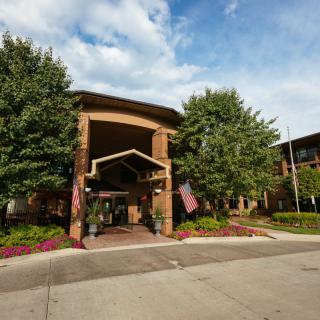
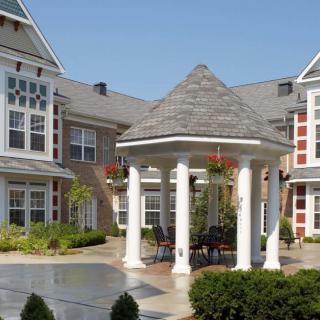
Waltonwood at University II in Rochester Hills is best suited for seniors who prize a warm, engaging atmosphere and a refined residential feel. The community’s hallmark appears to be approachable, courteous staff and a vibe that residents describe as distinctly “unique.” For families seeking a setting where daily life centers on social interaction, comfortable surroundings, and a polished ambience, this campus delivers a reassuring sense of belonging from the moment of entry. It is a strong match for residents who want to feel welcomed, valued, and quietly stimulated by a thoughtfully designed environment rather than a clinical or institutional pace.
Those who may want to consider alternatives are residents who require more intensive medical oversight or specialized care beyond what a typical assisted living offers. If memory care, 24/7 skilled nursing, or high-acuity rehabilitation are anticipated needs, another option with explicit programs and staff trained for those levels of support would be prudent. Likewise, families operating on strict budget constraints or seeking very aggressive care coordination and transparent, itemized pricing may wish to compare with communities that publish more granular cost structures and value-focused plans. In short, Waltonwood fits a social, experience-driven model well; for high medical needs, alternative paths deserve exploration.
The core positives, consistently pleasant interactions with staff, an overall welcoming tone, and a distinctive ambiance, work in concert to offset natural uncertainties when moving into assisted living. The constant friendliness of team members reduces anxiety around transitions, supports easy onboarding, and fosters ongoing resident engagement. The “unique” character of the community, whether in design, programming, or daily routines, can translate into meaningful social connections, a sense of pride in where one lives, and a higher likelihood of participation in activities. In practical terms, these advantages often yield steadier morale, better satisfaction, and more stable daily rhythms for residents who thrive on sociability and a well-curated living environment.
However, the limited data available means prospective residents should verify several practical dimensions during tours. The reviews highlight demeanor and atmosphere, but they provide little detail on care depth, specific services, meal quality, transportation options, or how emergencies are handled. Families should confirm the level of medical oversight, the availability of on-site therapies, medication management, and the pathways for escalating care if a resident’s needs change. It’s also wise to probe staff-to-resident ratios, turnover, and the degree of individualized care planning. A firsthand look, along with conversations with residents and their families, will reveal whether the friendly energy translates into consistently reliable support in everyday life.
Decision-making should weigh Waltonwood’s strengths against personal care trajectories. If the priority is a bright, socially engaged, and aesthetically appealing setting with staff who make residents feel welcome, Waltonwood stands out as a compelling choice. If, instead, the plan foregrounds robust medical services, specialized memory care, or aggressive cost transparency, it is prudent to compare alternative communities that explicitly market those capabilities. The best path is a structured visit: tour common areas and apartments, review sample care plans, request references from current families, and ask for a detailed breakdown of what is included in monthly fees versus add-ons. This disciplined approach ensures a fit that aligns with both daily living preferences and anticipated care needs.
In sum, Waltonwood at University II emerges as a practical, reassuring option for seniors who want a pleasant, inviting home with a distinctive character and responsive, friendly staff. It excels at delivering atmosphere, social vitality, and resident warmth, essentials that often define daily quality of life. For families prioritizing more intensive clinical support or greater cost visibility, alternatives should be on the table early in the process. The decisive factor will be aligning the community’s proven strengths, hospitality, ambiance, and engagement, with the resident’s specific care requirements and financial realities. A well-timed visit will confirm whether this environment becomes the right long-term home or if a more clinically focused option better protects peace of mind.
 80 resident community capacity
 Assisted Living
 Independent Living
 Cats allowed
 Dogs allowed
 Air-conditioning
 Beauty salon
 Cable or satellite TV
 Computer center
 Dining room
 Fitness room
 Fully furnished
 Gaming room
 Garden
 Housekeeping services
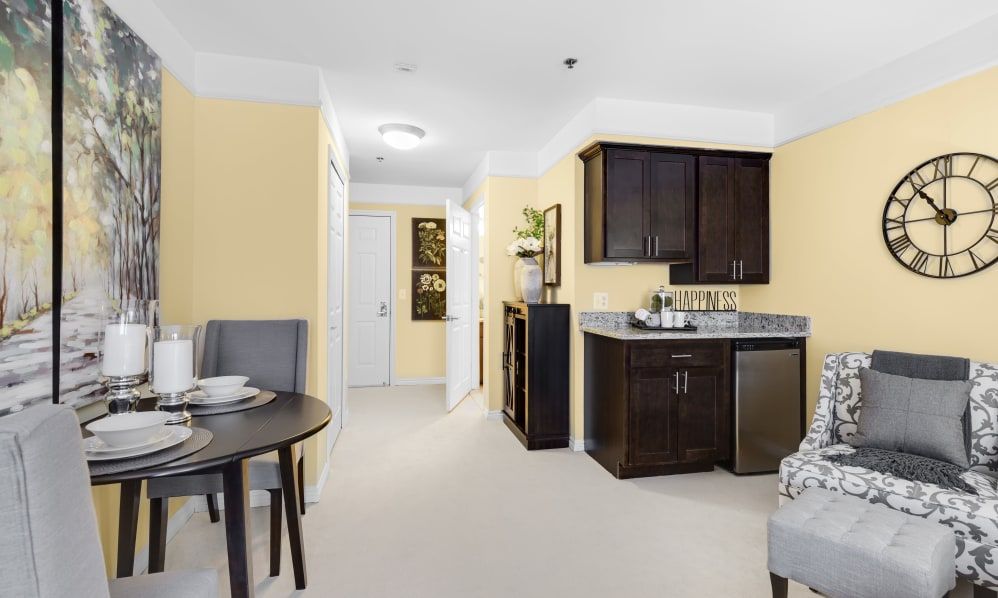
 Kitchenette
 Move-in coordination
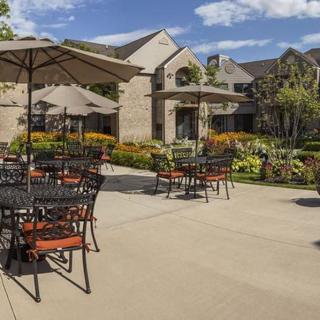
 Outdoor space
 Private bathrooms
 Restaurant-style dining
 Small library
 Telephone
 Wellness center
 Wi-Fi/high-speed internet available
 Community operated transportation
 12-16 hour nursing
 24-hour call system
 Activities of daily living assistance
 Assistance with bathing
 Assistance with dressing
 Assistance with transfers
 Diabetes diet
 Medication management
 Mental wellness program
 Special dietary restrictions
 Concierge services
 Planned day trips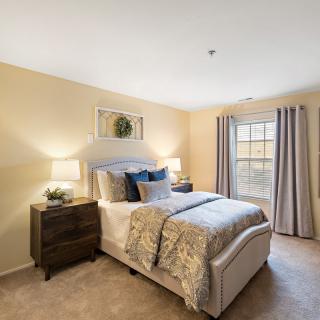

 Funding and Affording Assisted Living: A Thorough Overview
 Assisted Living Expenses and Long-Term Care Insurance: A Comprehensive Exploration
 Securing Financial Support for Assisted Living: A Comprehensive Overview