
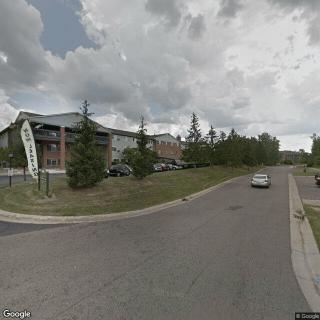
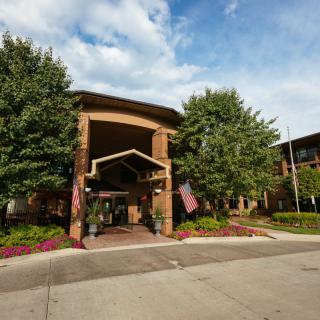
63 Waltonshire Ct., Rochester Hills, MI 48309
For more information about senior living options: (866) 208-4318
Overall Review of Tbi Residential Rehab
Cons
 The reviewer describes her as the most ignoble person they have ever met.
- The program is described as a complete joke.
- The guardian and the case manager are said to agree 100 percent.
- The case manager is quoted as saying, "You are nothing but a cash cow to her."
- She is alleged to use and abuse auto no-fault insurance for her own benefit and to have a colossal smoking habit.
- Her type of program is presented as a problem with Michigan's Auto No-Fault law, which will disappear, as it should.
Review
This community is best suited for almost no family seeking ethical, reliably supervised rehabilitation in Rochester Hills. Based on the sole published experience, Tbi Residential Rehab does not present as a trustworthy or protective option for residents who require transparent governance, fair dealing, and respectful care. The practical takeaway is that only families with no feasible alternatives and a willingness to accept significant ethical concerns might consider it. In a market where several facilities provide clearer oversight and safer reputations, this program stands out for its poor alignment with standard expectations of accountability and resident welfare.
Those weighing alternatives should know what to scrutinize first: the absence of credible, verifiable positives in the available feedback strongly argues for looking elsewhere. Pros such as consistent medical oversight, ethical billing practices, safe living environments, and staff accountability are not reflected in the reported experience. For families that prize integrity, cost transparency, and dependable case management, other Rochester Hills options, or nearby communities with solid licensing histories, should be prioritized. In short, the lack of favorable signals here makes alternatives not just preferable but essential.
The main tension in this case is not merely a disagreement about care style; it centers on trust, ethics, and financial conduct. The review paints a picture of staff and program leadership that appear to treat residents as financial opportunities rather than people in need of rehabilitation. Descriptions of residents being viewed as “cash cows,” coupled with alleged misuse of auto no-fault insurance for personal gain, create a risk profile that eclipses any potential benefits a rehab program might offer. Even if structured routines or supportive programming existed, these red flags undermine the fundamental safety and integrity required for responsible elder and disability care.
Concretely, the reviewer characterizes the personnel culture as ignoble and the program as a complete joke, with guardians and a case manager expressing unanimous dissatisfaction. The language signals a breakdown in trust, a lack of protective oversight, and possible ethical or legal concerns around handling insurance resources. Such conditions threaten resident autonomy, accurate consent, and the emotional and financial well-being of families, elements that should be nonnegotiable in any rehabilitative setting. In light of these concerns, the risk-reward calculus tilts firmly toward avoidance unless independently verified improvements are presented.
For families facing this decision, practical steps are essential. First, secure comparable options in the region with transparent licensing records, recent inspection reports, and a traceable history of resident satisfaction. Contact the Michigan Department of Health and Human Services or the state licensing authority to review any complaints, citations, or enforcement actions related to this facility. Interview staff and administration with a focused lens on billing practices, insurance liaison roles, and conflict-of-interest safeguards. Ask for a detailed, written care plan, estimated costs, and a contract that specifies billing timelines, refunds, and dispute resolution. If possible, arrange independent third-party advocacy or case management to accompany tours and assess care quality against benchmarks of safety, dignity, and autonomy.
Ultimately, the verdict is clear: this community should be avoided by families that prioritize ethical care, transparent governance, and resident protection. Where there are alternative options with solid reputations, those paths should be pursued with diligence. If consideration is unavoidable due to constrained options, proceed only with strict, enforceable protections, third-party oversight, and a plan to reassess within a defined short window. The right choice preserves safety, trust, and dignity; the wrong choice here jeopardizes those essential elements and invites avoidable risk.
 6 resident community capacity
 Assisted Living
 Cable or satellite TV
 Dining room
 Fully furnished
 Garden
 Housekeeping services
 Move-in coordination
 Outdoor space
 Telephone
 Wi-Fi/high-speed internet available
 24-hour supervision
 Activities of daily living assistance
 Assistance with bathing
 Assistance with dressing
 Assistance with transfers
 Diabetes diet
 Meal preparation and service
 Medication management
 Special dietary restrictions
 Transportation arrangement (medical)
 Transportation to doctors appointments
 Friendly staff, active independent-living community, and convenient on-site amenities on one floor.



 Social Security Benefits and Assisted Living: Navigating Options Across the U.S.
 An Extensive Exploration of the VA Aid and Attendance Benefit
 Senior Transition Services: Understanding Their Role, Cost, and Importance