
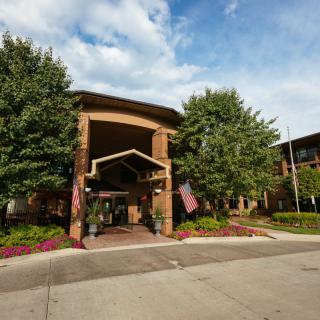
3741 South Adams Road, Rochester Hills, MI 48309
For more information about senior living options: (866) 208-4318
Overall Review of Stone
Pros
 The staff at American House Stone are exceptionally helpful in helping residents acclimate.
- Residents enjoy three meals a day, engaging activities, and daily check-ins from caring staff.
- The activities director and the medical team are wonderful and treat residents with dignity and respect.
- Families express gratitude for American House Stone.
- The staff consistently go above and beyond to support transitions and provide attentive care.
- The facility is clean, well-managed, and characterized by excellent communication with families.
- The care teams take a personal interest in each resident.
Cons
 The facility is dirty and reportedly plagued by bed bugs.
- The staff allegedly accept a resident’s money and then make families hide them during tours, presenting it as independent living while actually operating as a nursing home.
Review
American House Stone in Rochester Hills is best suited for seniors who want hands-on, compassionate care delivered by a responsive staff, with three meals daily, a robust slate of activities, and steady medical oversight baked into daily life. The community repeatedly earns praise for its attentive teams, activities staff, front-line caregivers, and the medical group, who treat residents with dignity and establish a welcoming rhythm that a family can trust during transitions and as health needs evolve. With a 4.3 overall rating from 11 reviews, the prevailing thread is a care-forward environment where daily check-ins and personal attention help residents feel seen and supported.
Those weighing alternatives should consider the facility’s potential drawbacks seriously. A notable concern across some comments is cleanliness in the physical plant, including reports of bed bugs, which can undermine comfort and peace of mind. Beyond facility upkeep, there is a perception among some reviewers that the operation leans more toward nursing-home levels of care than a strictly independent-living vibe being marketed. For families seeking a setting that is clearly labeled and experienced as independent living with minimal hands-on care, or for those who require a pristine, consistently spotless environment, it makes sense to look at options with a sharper emphasis on those distinctions.
The strongest positives, staff engagement, medical oversight, and strong family communication, are what most elevate the experience here. Caregivers and the medical team are repeatedly described as kind, attentive, and proactive, with transitions that feel well-supported and individualized. Families note that staff bend over backward to accommodate requests and to coordinate care when health statuses change, which reduces anxiety for loved ones. The meal program and daily activities add structure and social connection, contributing to quality of life and helping residents stay engaged. In practical terms, these elements create a reliable daily routine and a sense of community that can buffer the emotional strain of aging and illness.
Where the balance tilts away from the ideal, the doubts center on the match between marketing and lived reality. cleanliness lapses can erode trust, and the perception that the facility operates more like a nursing home than an independent setting can complicate decision-making for families prioritizing autonomy. Even so, the documented strength of staff and open lines of communication mitigate these risks, problems tend to be addressed with transparent updates and a willingness to adjust care plans as needed. The net effect is a care-rich environment that remains vulnerable to maintenance issues and to questions about the level of independence versus assistance residents actually receive.
For families conducting due diligence, a practical approach is essential. Schedule a tour that mirrors a typical day, observe meal service, note how staff interact with residents, and verify housekeeping standards during peak times. Request current metrics or examples of pest-control and cleaning protocols, and ask to see a clear care plan for any potential health changes. Compare menus, and probe the degree of dining flexibility, including options for residents who may have dietary restrictions or different tastes. Finally, insist on a candid discussion about how the facility defines and delivers levels of care, ensuring the advertised independent-living narrative aligns with the services actually provided.
Bottom line: American House Stone delivers a compelling value for families who prize a warm, engaged staff and strong medical oversight, with daily routines and social programming that keep residents connected and cared for. The facility earns credibility from its care team and its open communication, which can offset most concerns about health management and social engagement. Yet cleanliness issues and a perceived drift toward nursing-home dynamics warrant careful consideration. If a pristine physical environment and a clearly independent-living experience are non-negotiable, or if marketing claims must align perfectly with day-to-day operations, exploring alternatives is prudent. For the right resident, one who prioritizes dependable care, personal attention, and a lively social calendar, the combination of pros can outweigh the drawbacks, delivering a secure and relational living environment.
 21 resident community capacity
 Assisted Living
 Beauty salon
 Cable or satellite TV
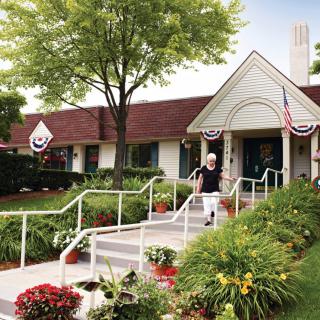
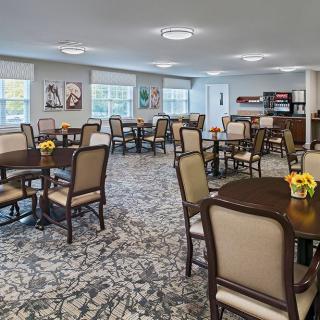
 Dining room
 Fully furnished
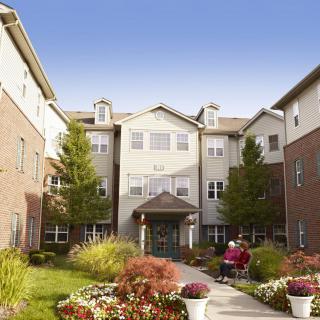
 Garden
 Housekeeping services
 Kitchenette
 Move-in coordination
 Outdoor space
 Telephone
 Wi-Fi/high-speed internet available
 24-hour call system
 Activities of daily living assistance
 Assistance with bathing
 Assistance with dressing
 Assistance with transfers
 Diabetes diet
 Meal preparation and service
 Medication management
 Mental wellness program
 Special dietary restrictions
 Transportation arrangement (medical)
 Transportation to doctors appointments




 Social Security Benefits and Assisted Living: Navigating Options Across the U.S.
 An Extensive Exploration of the VA Aid and Attendance Benefit
 Senior Transition Services: Understanding Their Role, Cost, and Importance