3500 West South Boulevard, Rochester Hills, MI 48309
For more information about senior living options: (866) 208-4318
3.4 from 145 reviews
5 stars
66
4 stars
22
3 stars
4
2 stars
14
1 stars
39
Overall Review of Pomeroy Living Rochester Skilled Rehabilitation
common26 reviews mention this
Staff responsiveness is inconsistent
Residents describe both quick help and slow response to needs.
Across reviews, some families say staff respond right away when call buttons are used and that nurses are available to answer questions. Others report slow call-light response, long waits for care, and missed items like showers, dinner, or medication follow-through. Several reviewers also mention understaffing that leaves some residents without timely assistance. A few comments suggest communication can be hard when families need updates or follow-ups.
common18 reviews mention this
Food quality is mixed
Dining gets mixed feedback from residents and families.
Some reviewers say the food is good or even consistently good, with particular praise for items like oatmeal and overall meal quality. Others complain that meals are horrible, come cold, or are not appealing, including mention of limited or delayed help tied to meal service. A few comments frame dietary needs as a challenge, especially when assistance for eating or menu changes is delayed. The community also offers restaurant-style dining, with meal planning tied to diabetes and special dietary restrictions.
common22 reviews mention this
Therapy support varies by experience
PT/OT support stands out when it matches residents' needs.
Many reviews credit rehab staff with helping residents recover—mentioning strong physical therapy/occupational therapy, knowledgeable therapists, and encouragement during sessions. Some families describe therapy as limited, not delivered as promised, or too brief to support progress, including cases where equipment or assistance was lacking. Several comments also connect outcomes to staffing and coordination, such as therapists not showing up as expected or care plans not being followed. The community’s skilled nursing focus includes ADL assistance and meal preparation support that can affect day-to-day rehab progress.
caveat24 reviews mention this
Care and cleanliness are debated
Reviews describe a clean environment alongside concerns about maintenance and hygiene.
A number of residents and families say the building is clean, rooms are well kept, and the facility is updated, with housekeeping and general maintenance mentioned positively. But other reviewers report cleanliness issues, including bathrooms not maintained, dust and dirt, and rooms that felt not well cared for. Some of the negative comments also tie hygiene concerns to broader care problems like delayed showers or residents left in soiled conditions. Taken together, reviews paint a wide range of day-to-day cleanliness and care consistency.
How we summarize
Counts show how many written reviews mention each theme; a review can touch several themes, and only frequently mentioned themes are displayed.
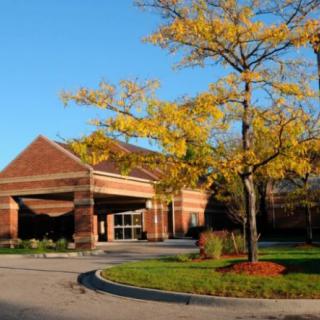
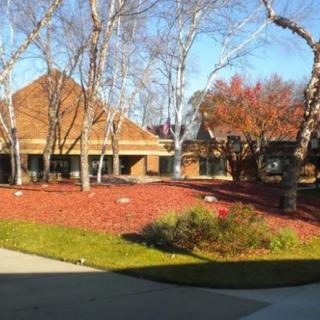
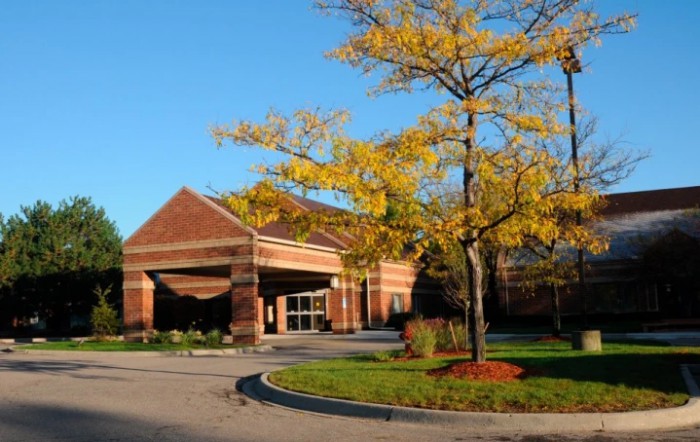
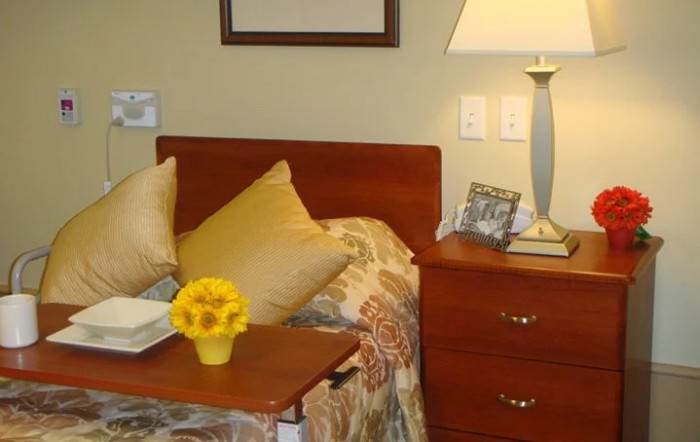
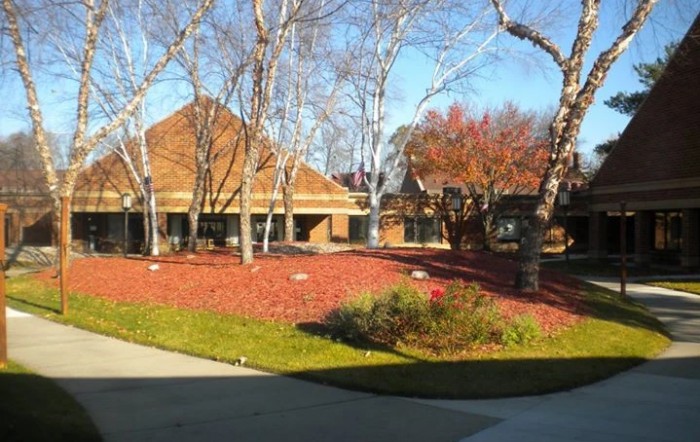
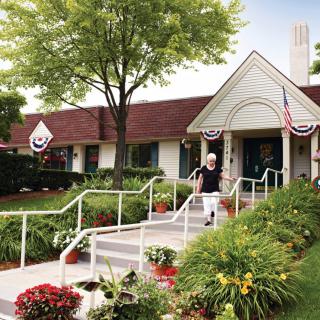
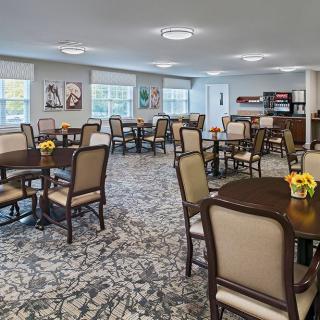
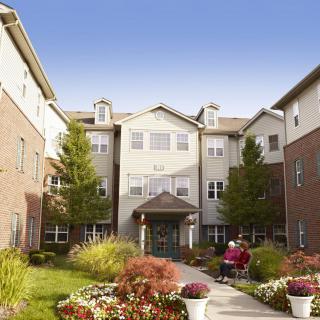
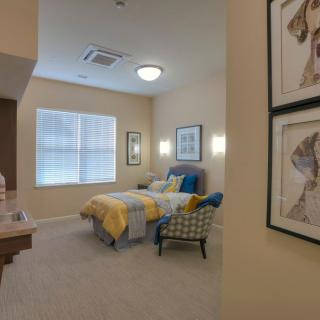
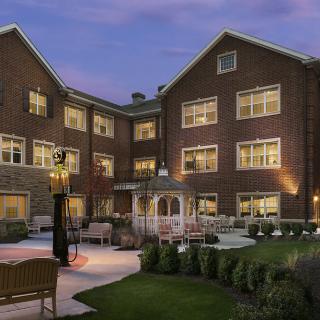
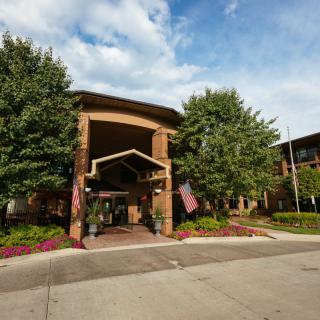
Pomeroy Living Rochester Skilled Rehabilitation on seniors.fyi includes 4 photos including images showing building, landscaping, tree, entrance, bedroom, trees, architecture, bingo, and more.
Nearby Communities
Pomeroy Assisted Living - Rochester
Rochester Hills, MI
4.1 from 61 reviews
$4,895 to $5,995 / month
Compassionate staff and a clean, up-to-date memory-care focused community with engaging activities.
Pomeroy Living Rochester Independent Living
Rochester Hills, MI
4.5 from 77 reviews
$2,995 to $4,395 / month
Active independent living with spacious apartments, in-unit laundry, and a full activity calendar.
American House Stone Senior Living
Rochester Hills, MI
4.2 from 34 reviews
$2,550 to $3,100 / month
Excellent dining, attentive staff, and a clean, well-maintained community with engaging activities.
American House Village Of Rochester Hills
Rochester Hills, MI
4.7 from 39 reviews
Comprehensive amenities and memory care program
American House Village Senior Living
Rochester Hills, MI
4.5 from 69 reviews
$2,256 to $3,485 / month
Friendly staff and a close-knit, active community.
American House Freedom Place Rochester
Rochester Hills, MI
4.6 from 68 reviews
$4,750 to $6,150 / month
Friendly, caring staff; clean facility with a dedicated memory-care area and engaging activities.
Cedarbrook
Bloomfield Hills, MI
4.4 from 114 reviews
$6,800 / month
Caring, engaged staff with well-maintained facilities and strong Memory Care.
Bellbrook
Rochester Hills, MI
4.3 from 12 reviews
$2,719 to $7,149 / month
Warm, friendly staff in a secure memory care setting with diverse dining and activities.
Wellbridge Of Rochester Hills
Rochester Hills, MI
3.4 from 107 reviews
Friendly staff, clean facility, and strong therapy and dining services
Weight training is vital for seniors to maintain muscle mass, bone density, and overall health, combating age-related declines through customized resistance exercises that enhance balance and well-being. Safe routines should start with realistic goals and proper form, while emphasizing gradual progress and consultations with healthcare providers to ensure safety and effectiveness.
The Sandwich Generation comprises adults managing the dual responsibilities of caring for aging parents and raising children, leading to significant emotional, logistical, and financial challenges. This situation is exacerbated by longer life expectancies and cultural expectations, necessitating effective coping strategies and support resources to alleviate caregiver stress and burnout.
The article highlights eight essential assistive devices that improve the independence and safety of older adults, addressing issues related to mobility, balance, vision, hearing, and dexterity. It emphasizes the importance of proper selection guided by healthcare professionals to enhance seniors' quality of life while allowing them to age in place.
Pomeroy Living Rochester Skilled Rehabilitation photos
×
Interior
Building
Architecture
Bedroom
Interior, Wheelchair, and Bingo
Bedroom
Landscaping and Building
Architecture and Trees
Entrance and Tree
Get PricingAsk A QuestionSchedule A TourContact Senior Advisor
By clicking submit, you agree to our Partner's Terms of Use. You
also consent to receive calls and texts, which may be autodialed, from our Partner. Your consent is not a condition to
using our Partner's service. Please visit our Partner's Privacy Policy for information about their privacy practices.


 186 resident community capacity
 Skilled Nursing Facility
 Air-conditioning
 Beauty salon
 Cable or satellite TV
 Computer center
 Dining room
 Fitness room
 Fully furnished
 Gaming room
 Garden
 Housekeeping services
 Kitchenette
 Move-in coordination
 Outdoor space
 Private bathrooms
 Restaurant-style dining
 Small library
 Telephone
 Wellness center
 Wi-Fi/high-speed internet available
 Community operated transportation
 12-16 hour nursing
 24-hour call system
 Activities of daily living assistance
 Assistance with bathing
 Assistance with dressing
 Assistance with transfers
 Diabetes diet
 Medication management
 Mental wellness program
 Special dietary restrictions
 Concierge services
 Planned day trips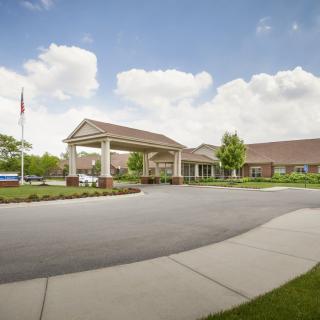
 Compassionate staff and a clean, up-to-date memory-care focused community with engaging activities.

 Weight Training for Seniors: Building Strength and Vitality
 Understanding the Sandwich Generation: Stress and Responsibilities for Multigenerational Caregivers
 8 Essential Assistive Devices for Older Adults