At Blossom Springs, the monthly cost for a studio apartment is set at $5,250, reflecting a premium compared to the averages in both Oakland County and the broader state of Michigan. In Oakland County, similar accommodations typically round out around $4,577, while state-wide figures fall even lower at approximately $3,824. This pricing suggests that Blossom Springs may offer distinctive amenities or services that justify its higher rate, catering to residents seeking an elevated living experience in a vibrant community.
Floor plans
Blossom Springs
Oakland County
Michigan
Studio
$5,250
$4,577
$3,824
Memory care communities with a similar price nearby
Residents and families describe staff as consistently supportive and attentive.
Across the reviews that mention Blossom Springs by name, families repeatedly describe caregivers and team members as kind, helpful, and present when they are needed. Several comments also highlight how well the staff guides transitions and daily needs, including support for memory care. Even when families discuss tradeoffs, they still tend to single out the people and the day-to-day care they receive.
differentiator2 reviews mention this
Memory care feels customized
Memory care reviews emphasize care that matches changing needs.
In memory care reviews, families describe the team tailoring care to a loved one’s condition rather than using a one-size approach. One reviewer specifically calls out medication management and keeping someone active and hydrated. Another describes the memory care setting as well maintained, with staff involvement and activity room access that supports engagement.
common2 reviews mention this
Meals are a strong point
Food comes up positively, including mentions of enjoying meals.
More than one review links day-to-day satisfaction to meals. One family says their loved one loves the food, while another describes the food as incredible and also ties it to the overall experience in memory care. This aligns with the community offering restaurant-style dining and meals provided, along with dietary support options.
common3 reviews mention this
Activities keep residents engaged
Reviews describe regular engagement through activities and movement.
Reviews mention keeping residents active through day-to-day involvement, including activities and opportunities to participate. One reviewer notes that their loved one is kept active and also mentions physical therapy and time spent playing chess. Another highlights the availability of various activities families can participate in, alongside an outdoor setting and visitation flexibility.
differentiator3 reviews mention this
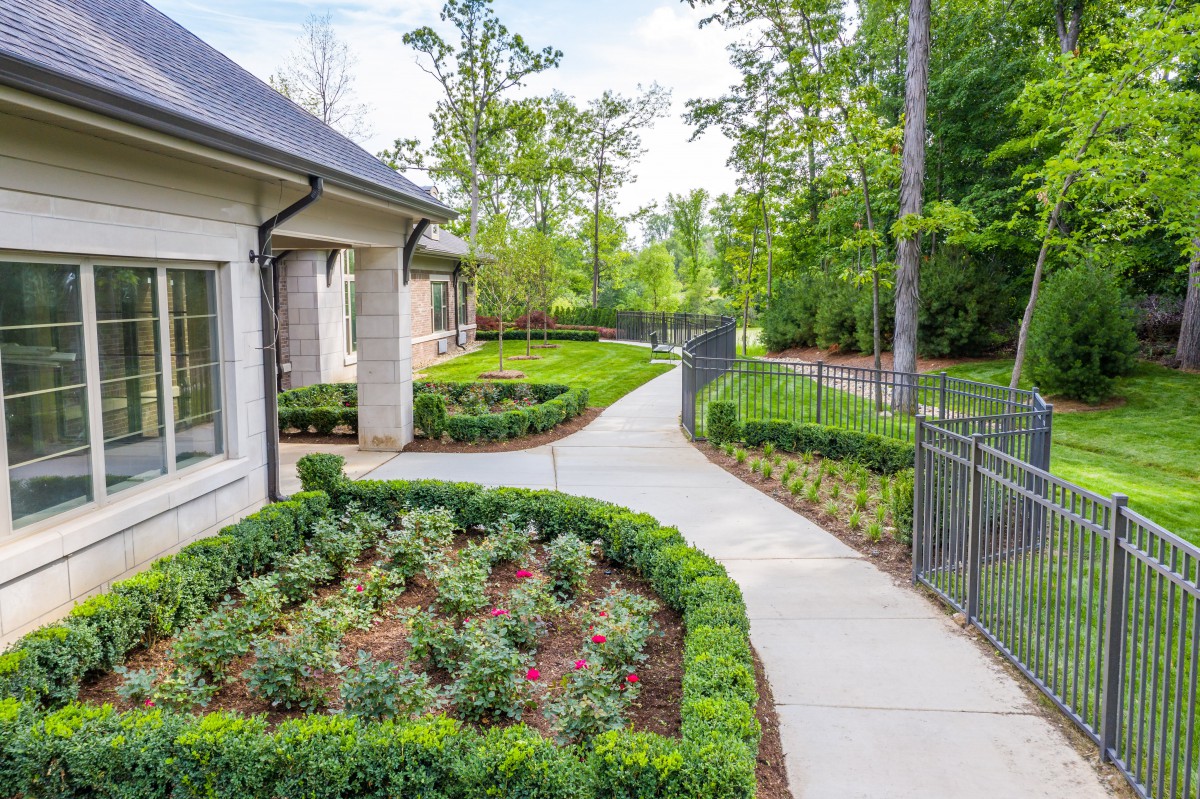
Outdoor areas and paths impress
Outdoor space and safe walking paths are repeatedly praised.
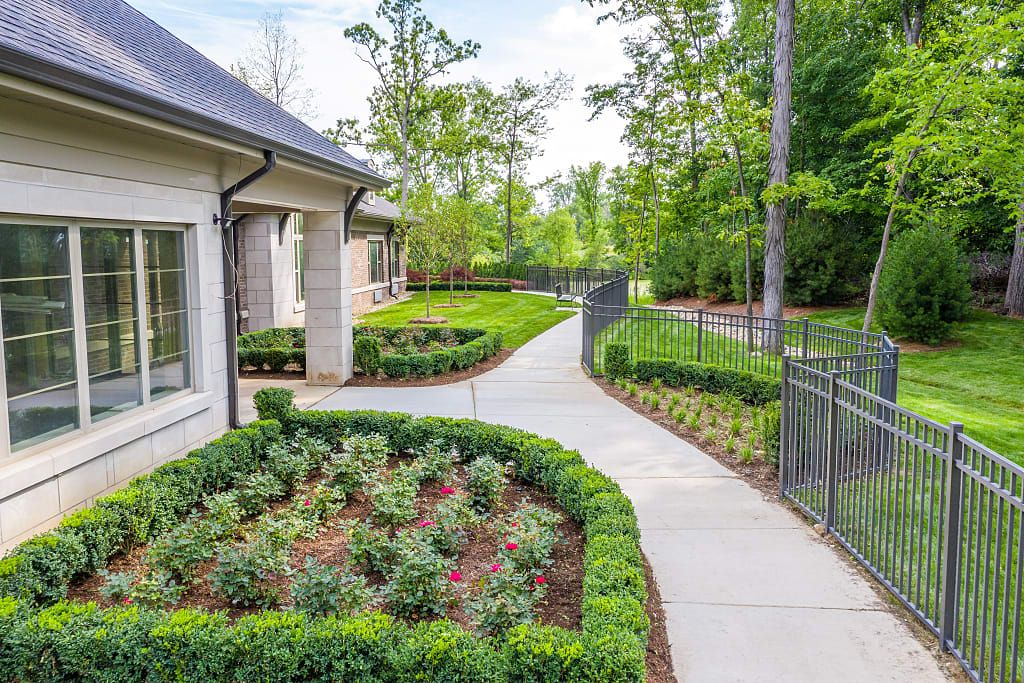
Several reviews describe the property as having meaningful outdoor access, from neighborhood and outdoor areas to a peaceful wooded feel. One reviewer also points to secured walking paths as a standout feature during a visit. Together, these comments match the community’s emphasis on outdoor space and garden areas for residents and families.
How we summarize
Counts show how many written reviews mention each theme; a review can touch several themes, and only frequently mentioned themes are displayed.
Features
Housing
56 resident community capacity
Types of Care
Assisted Living
Memory Care
Amenities
Activities off-site
Activities on-site
Air-conditioning
Beautician on-site
Beauty salon
Cable or satellite TV
Computer center
Devotional services off-site
Devotional services on-site
Dining room
Fitness room
Fully furnished
Gaming room
Garden
Ground floor units
Handicap accessible
Housekeeping services
Indoor common areas
Kitchenette
Move-in coordination
Outdoor common areas
Outdoor space
Private bathrooms
Respite or short term stays offered
Restaurant-style dining
Small library
Telephone
Wellness center
Wheelchair accessible showers
Wi-Fi/high-speed internet available
Transportation
Community operated transportation
Transportation arrangement
Transportation arrangement (non-medical)
Care Services
12-16 hour nursing
24-hour call system
24-hour supervision
Activities of daily living assistance
Assistance with bathing
Assistance with dressing
Assistance with transfers
Coordination with health care providers
Diabetes diet
Diabetic care
Incontinence care
Meal preparation and service
Medication management
Mental wellness program
Mild cognitive impairment
Special dietary restrictions
Specialized memory care programming
Transportation arrangement (medical)
Transportation to doctors appointments
Dining
Diabetes diet
Guest meals
International cuisine
Low / no sodium
Meals provided
No Sugar
Professional chef
Restaurant style dining
Room service
Special dietary restrictions
Special dining programs
Vegetarian
Activities
Art classes
Catholic services
Community-sponsored activities
Concierge services
Day trips and outings
Devotional activities offsite
Devotional activities on-site
Educational speakers / life long learning
Fitness programs
Happy hour
Karaoke
Live musical performances
Live well programs
Other religious services
Planned day trips
Resident-run activities
Scheduled daily activities
Visiting chaplain or priest
Nearby Places of Interest
Oakland Twp, Michigan is a vibrant and diverse community with a range of amenities that cater to seniors looking for a comfortable and convenient living environment. The area boasts several places of worship, including Oakland Christian Church and St Joseph Catholic Church, providing opportunities for spiritual fulfillment. Additionally, there are numerous dining options nearby such as Culver's, Shake Shack, and various fast food chains for those who enjoy dining out. Residents can also access multiple pharmacies like CVS and Walgreens for their medication needs. With hospitals like Beaumont Hospitals Departments and physicians' offices like Orion Family Physicians in close proximity, seniors can easily access quality healthcare services. Oakland Twp also offers plenty of recreational opportunities with parks like Rochester Municipal Park and Innovation Hills nearby for leisurely walks or picnics. Overall, this area provides a well-rounded living experience for seniors seeking a peaceful yet active lifestyle.
At Blossom Springs, the monthly cost for a studio apartment is set at $5,250, reflecting a premium compared to the averages in both Oakland County and the broader state of Michigan. In Oakland County, similar accommodations typically round out around $4,577, while state-wide figures fall even lower at approximately $3,824. This pricing suggests that Blossom Springs may offer distinctive amenities or services that justify its higher rate, catering to residents seeking an elevated living experience in a vibrant community.
Blossom Springs offers a comprehensive range of features designed to support residents with varying stages of dementia or Alzheimer's, enhancing their quality of life and ensuring their safety. The 24-hour supervision provides a constant presence for security and immediate assistance, while the structured assistance with activities of daily living--such as bathing, dressing, and transfers--ensures that residents maintain dignity and comfort in their routines. Coordination with healthcare providers facilitates seamless management of medical needs, including medication management and incontinence care. Meal preparation and service tailored to nutritional requirements promote overall health, while a mental wellness program addresses cognitive vitality through engaging activities. Specialized memory care programming supports those with mild cognitive impairment by fostering cognitive skills and social interaction, further enhanced by transportation arrangements for necessary medical appointments. These features collectively create an environment that prioritizes both physical well-being and emotional support for individuals facing the challenges of memory-related conditions.
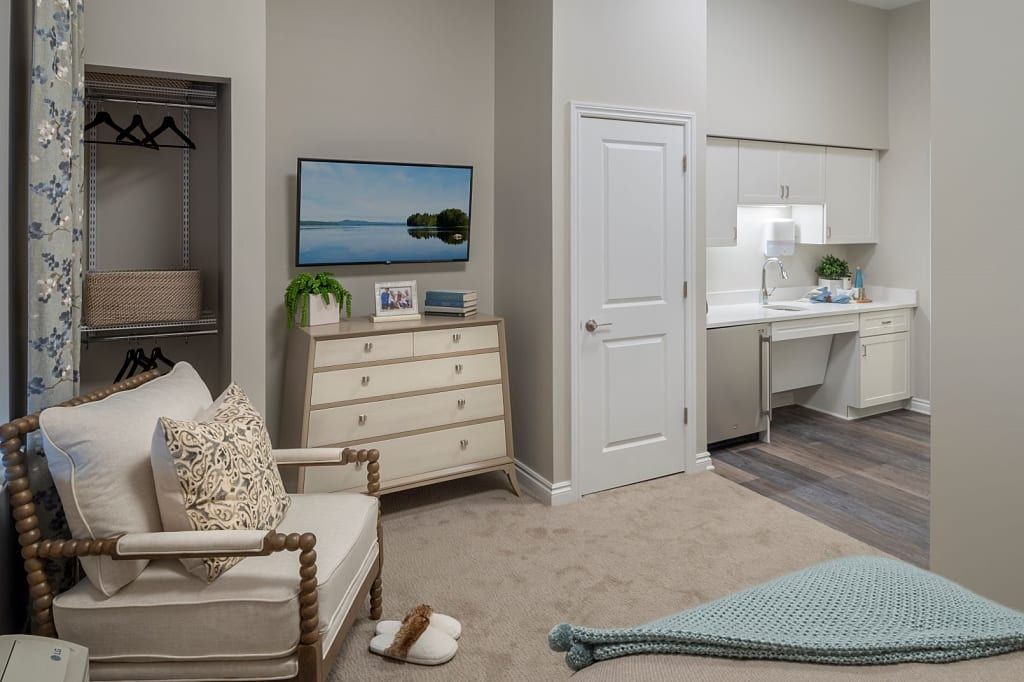
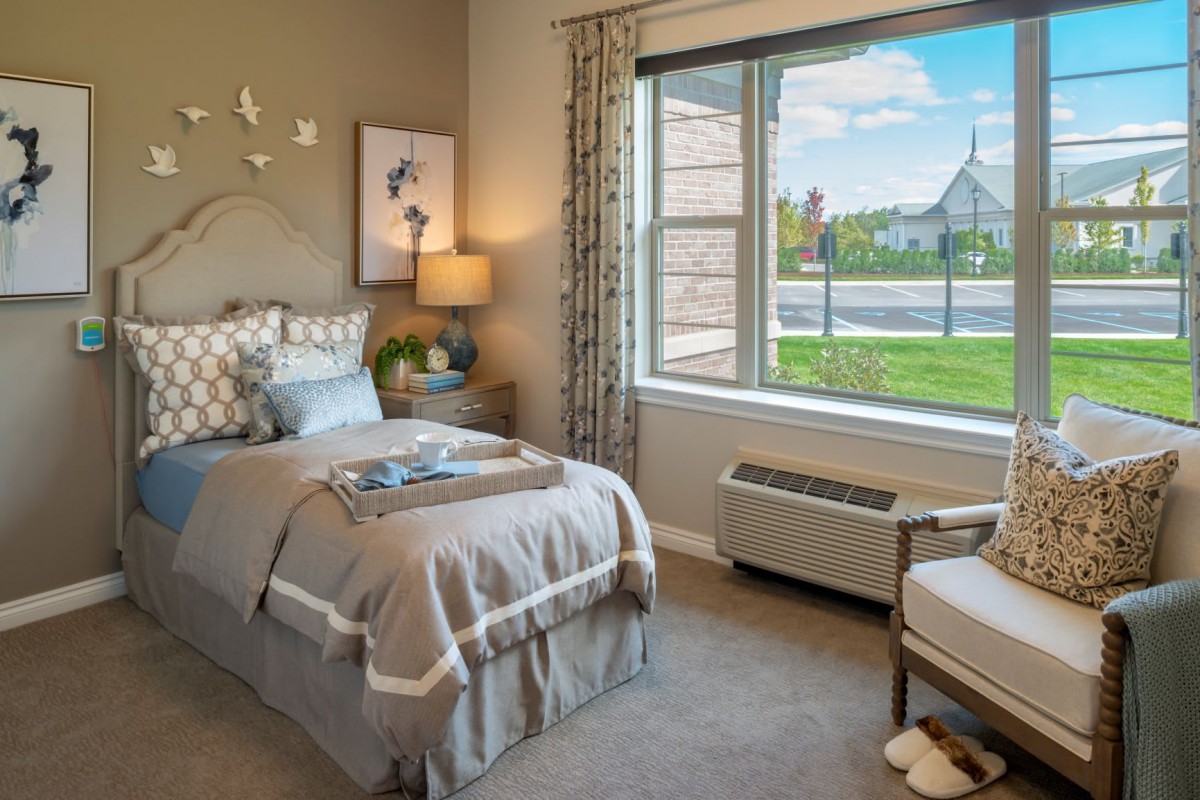
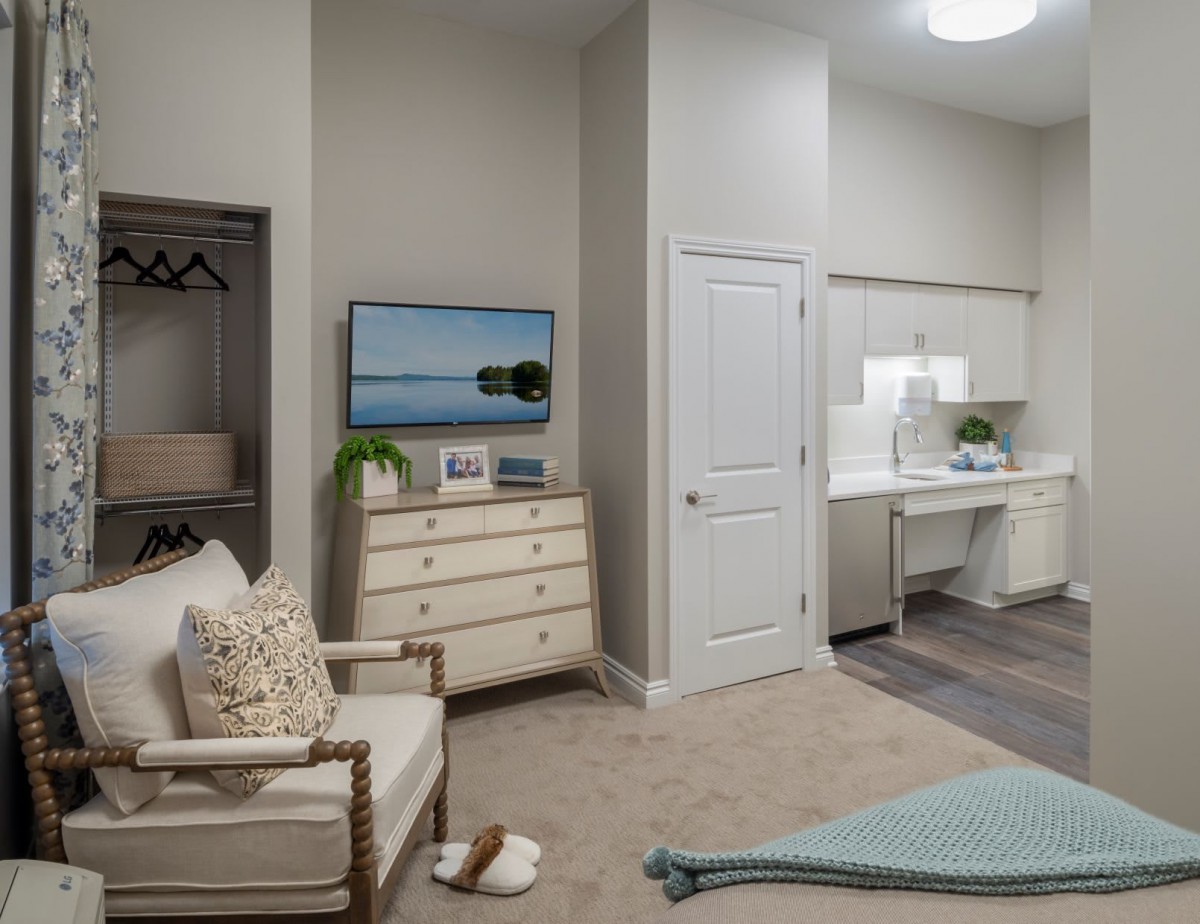
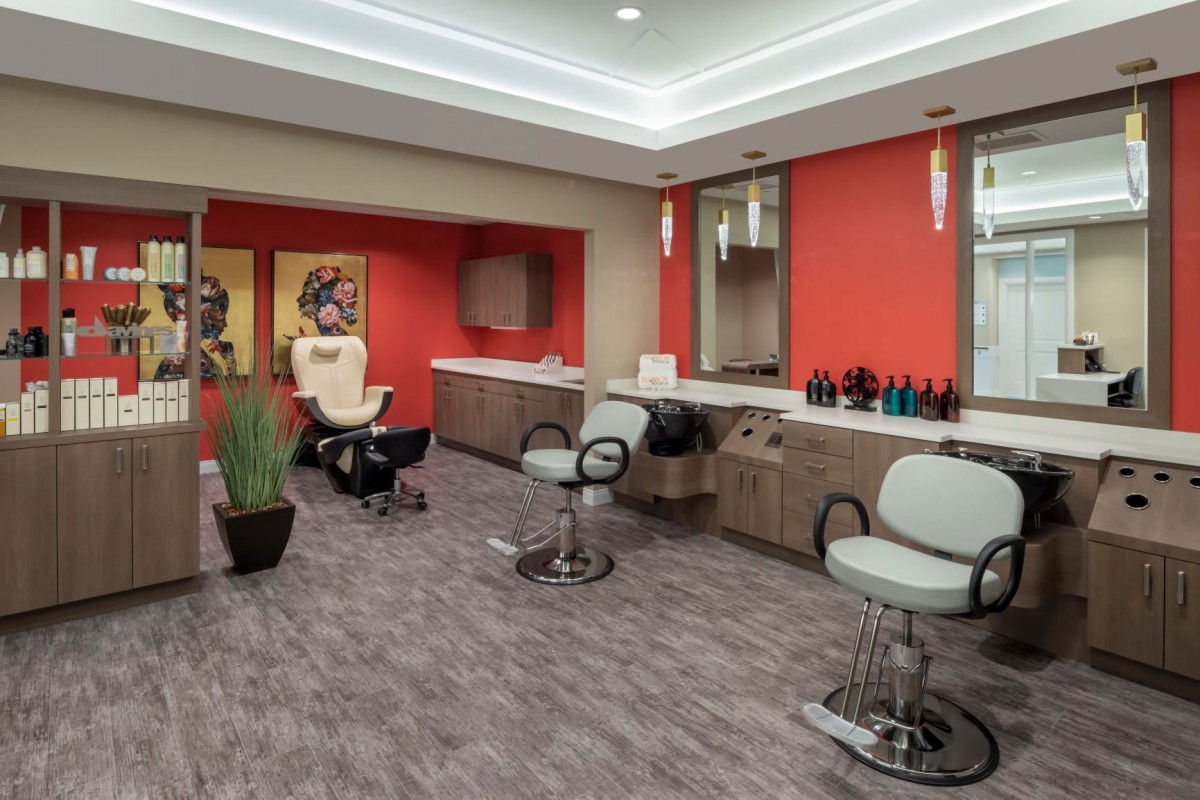
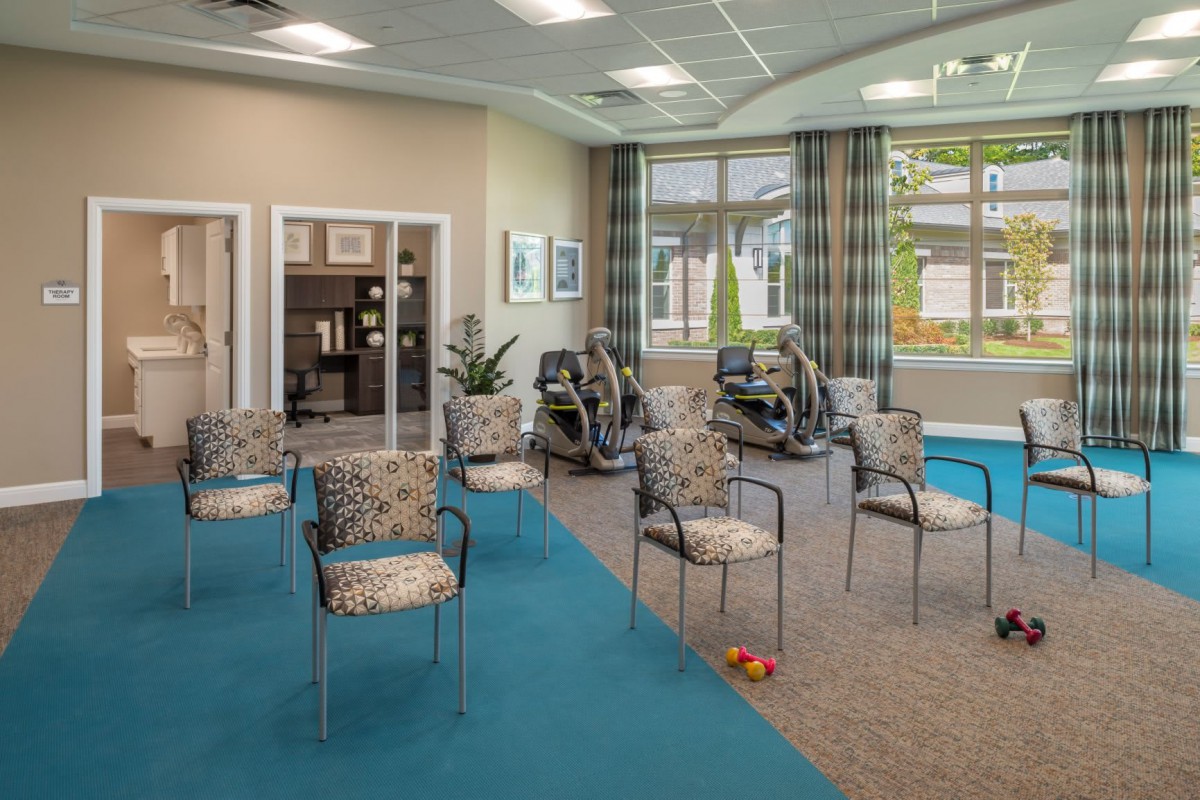
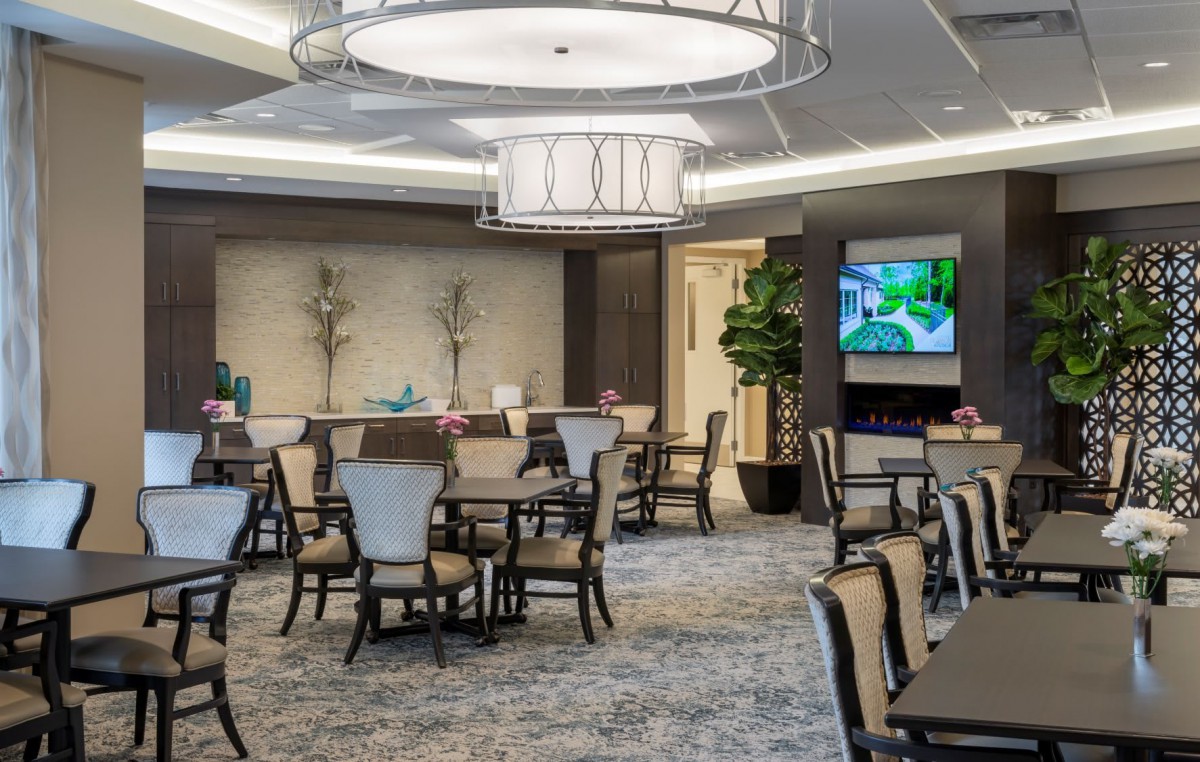
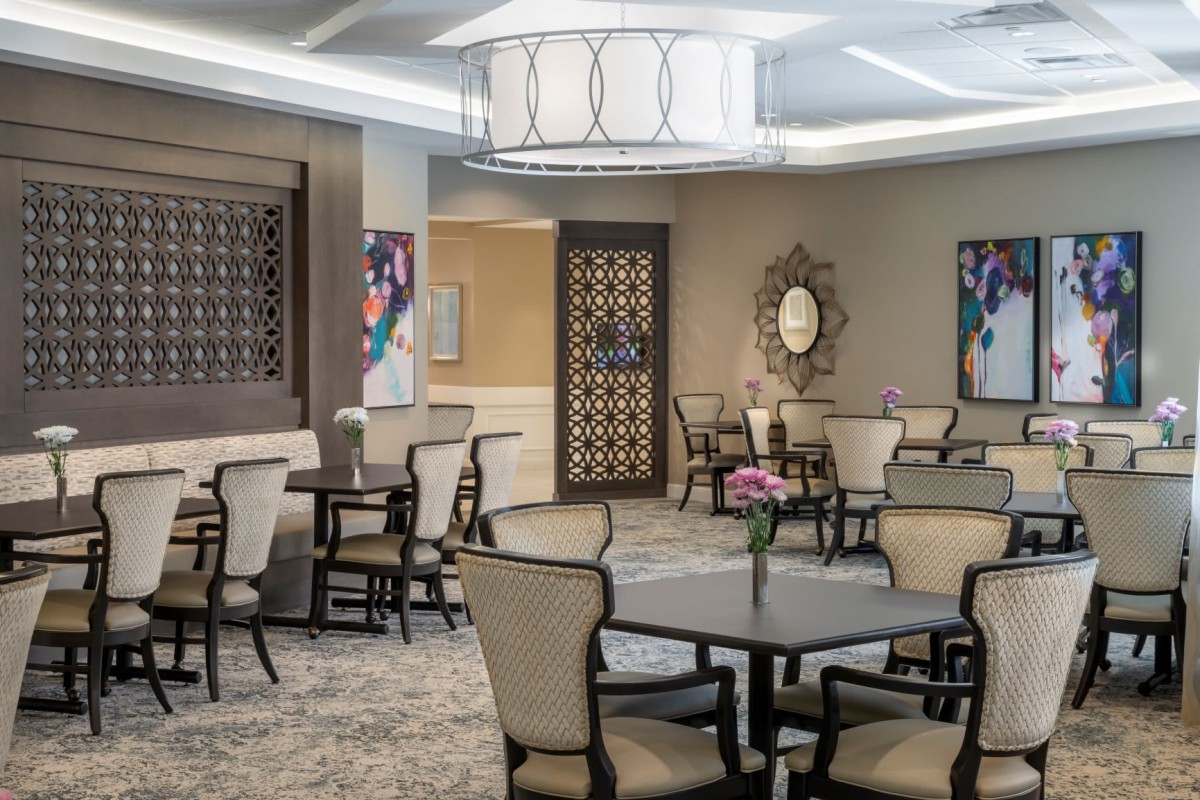
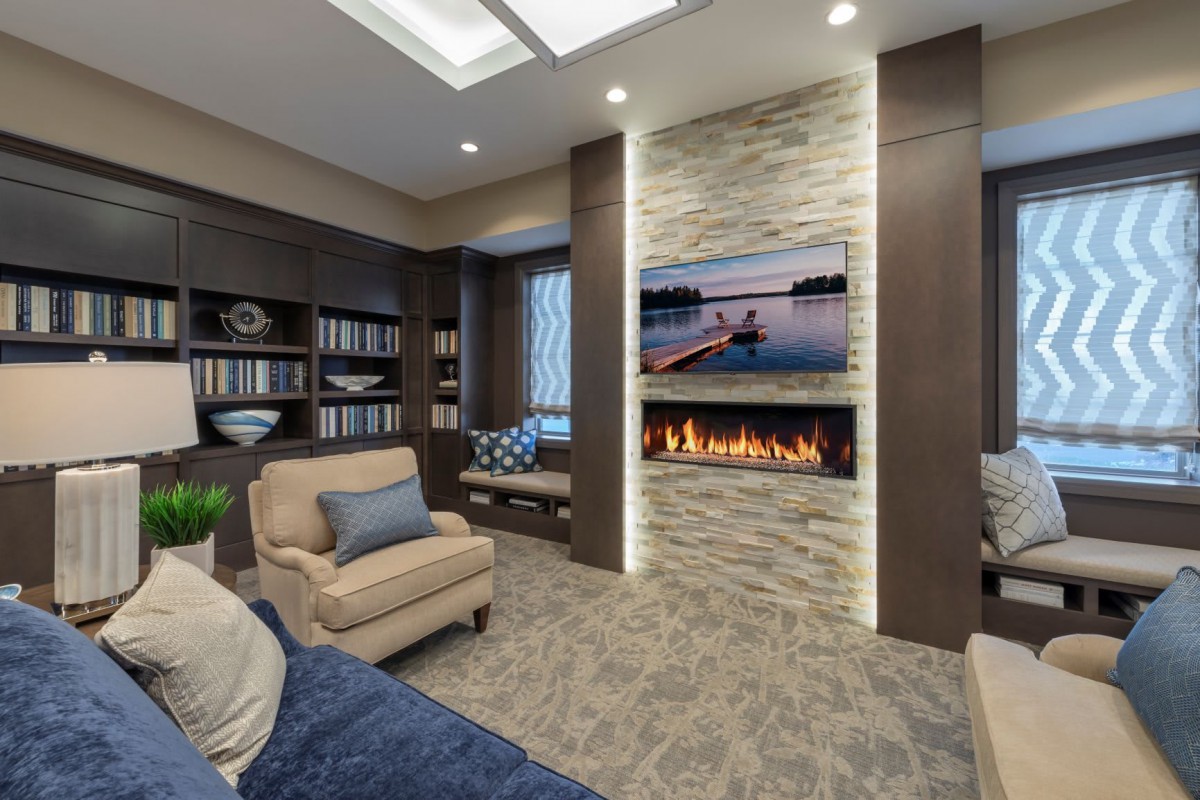
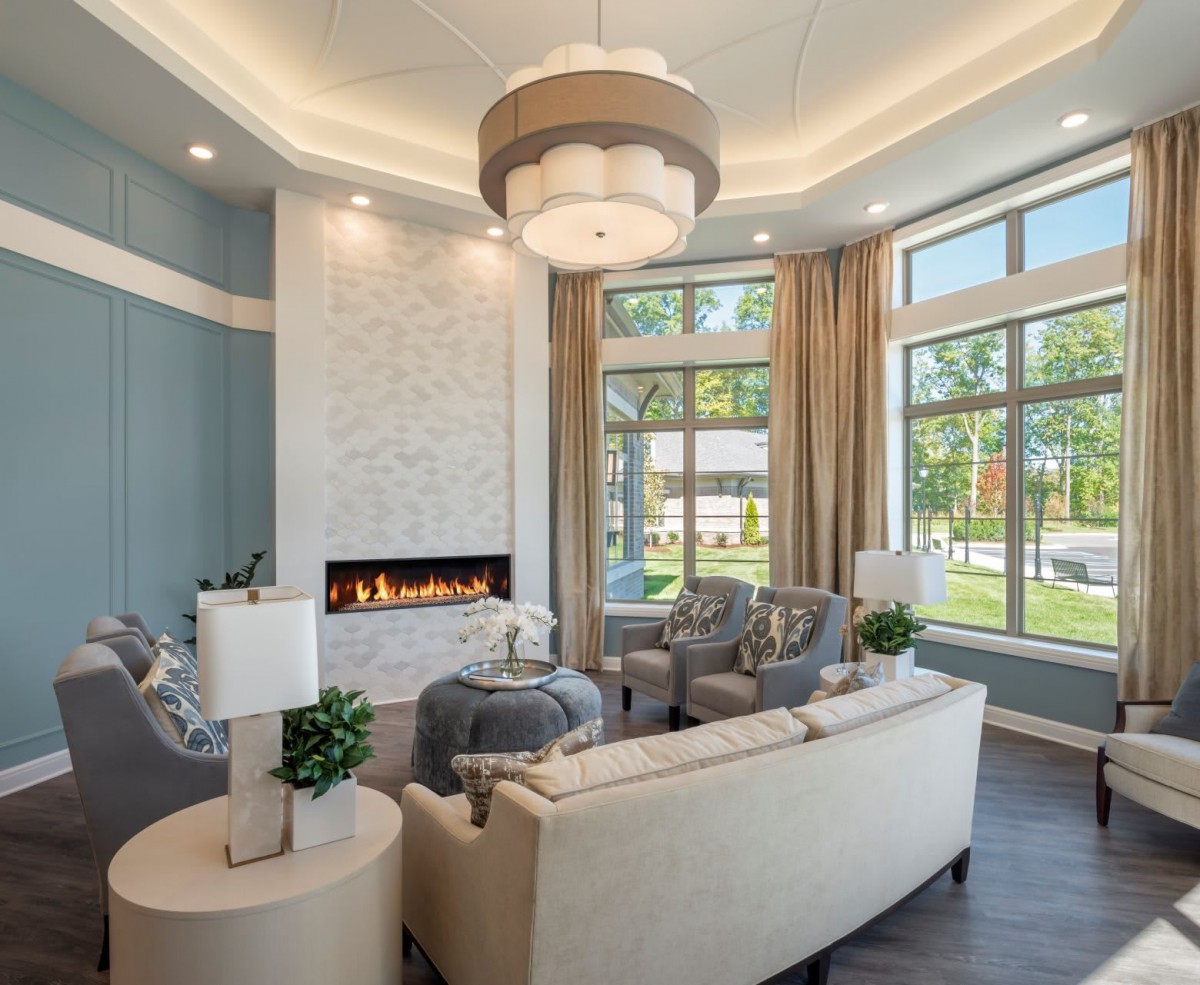
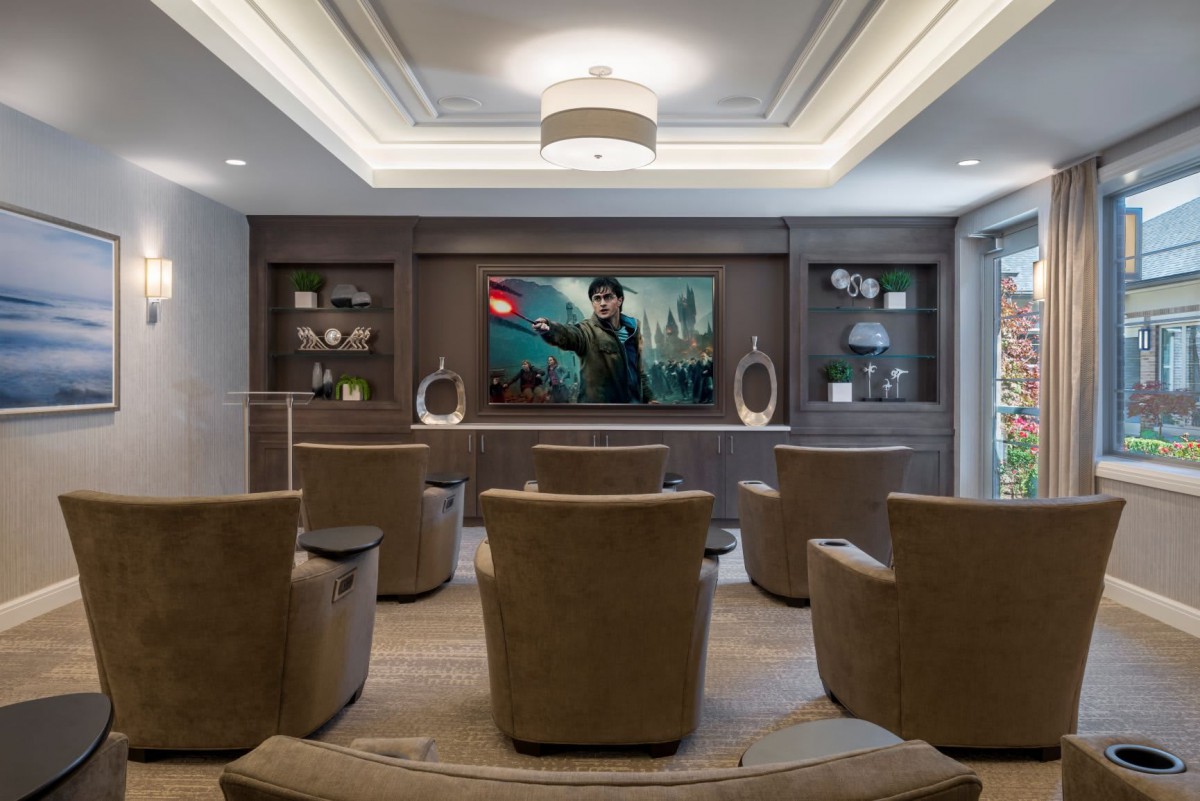
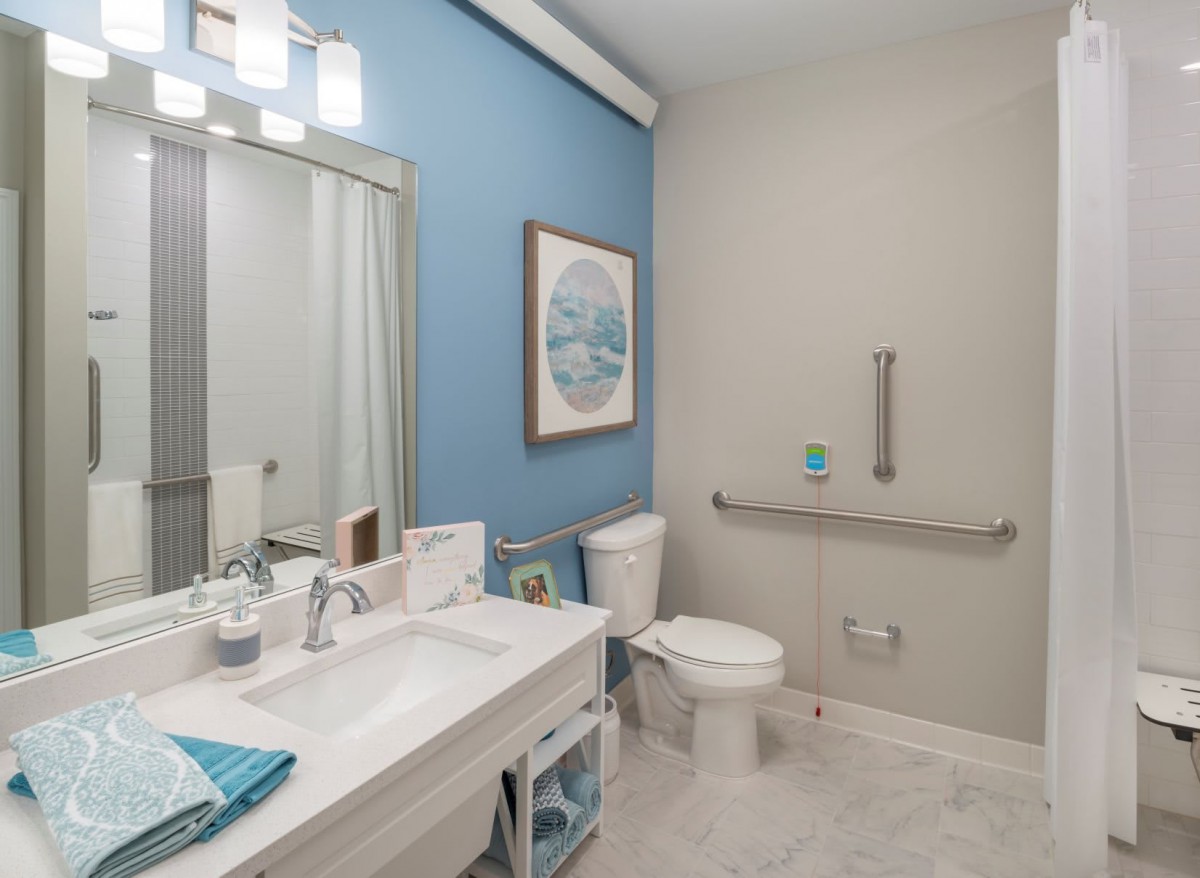
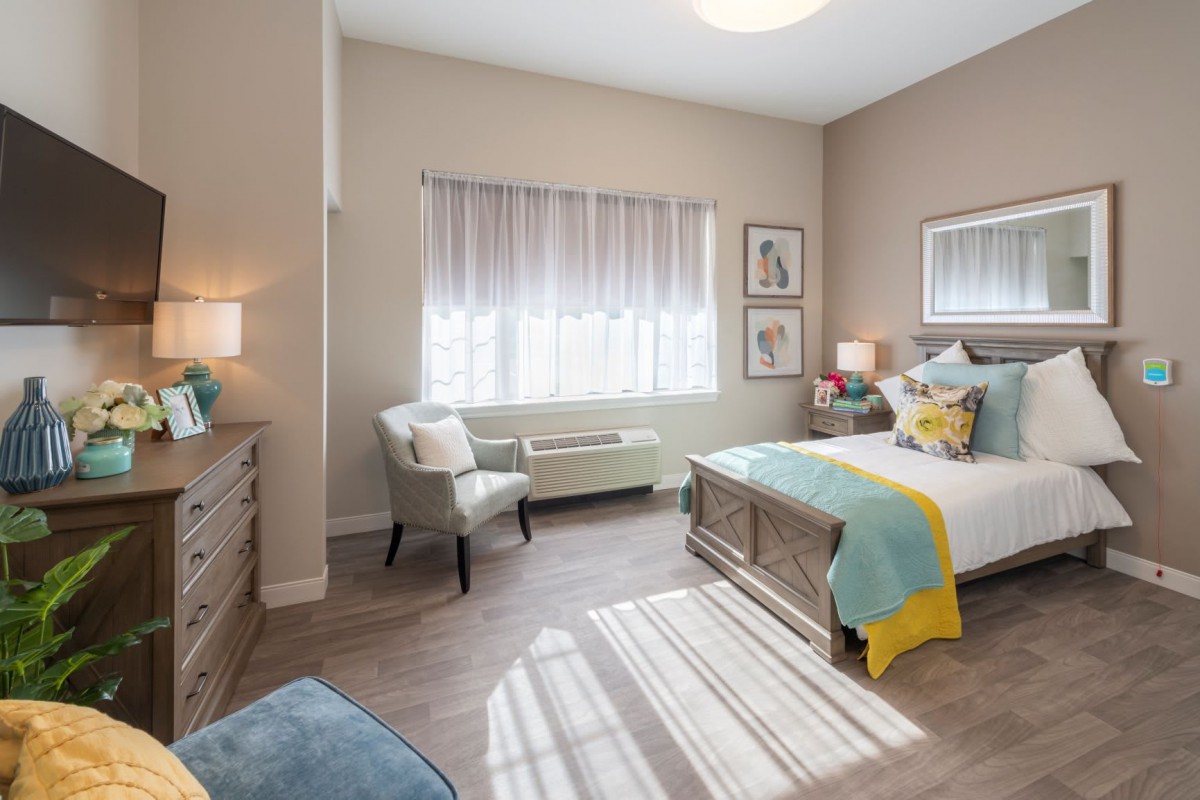
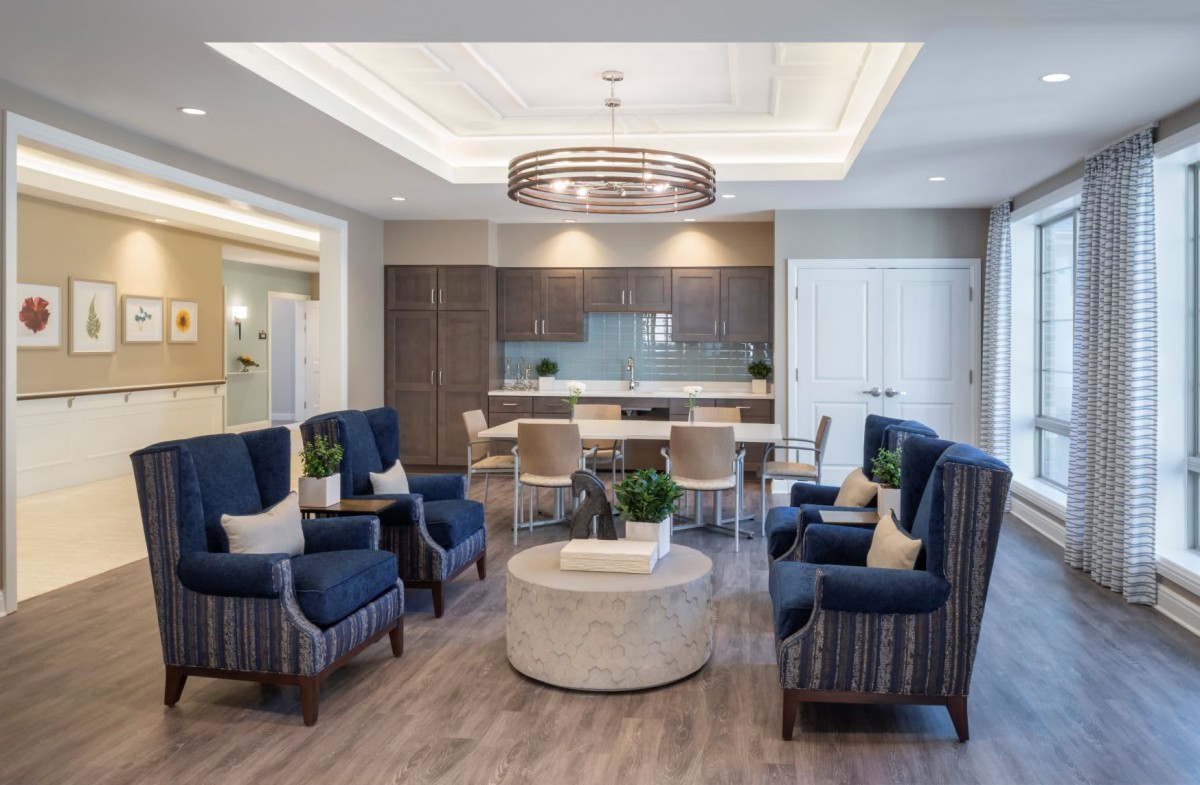
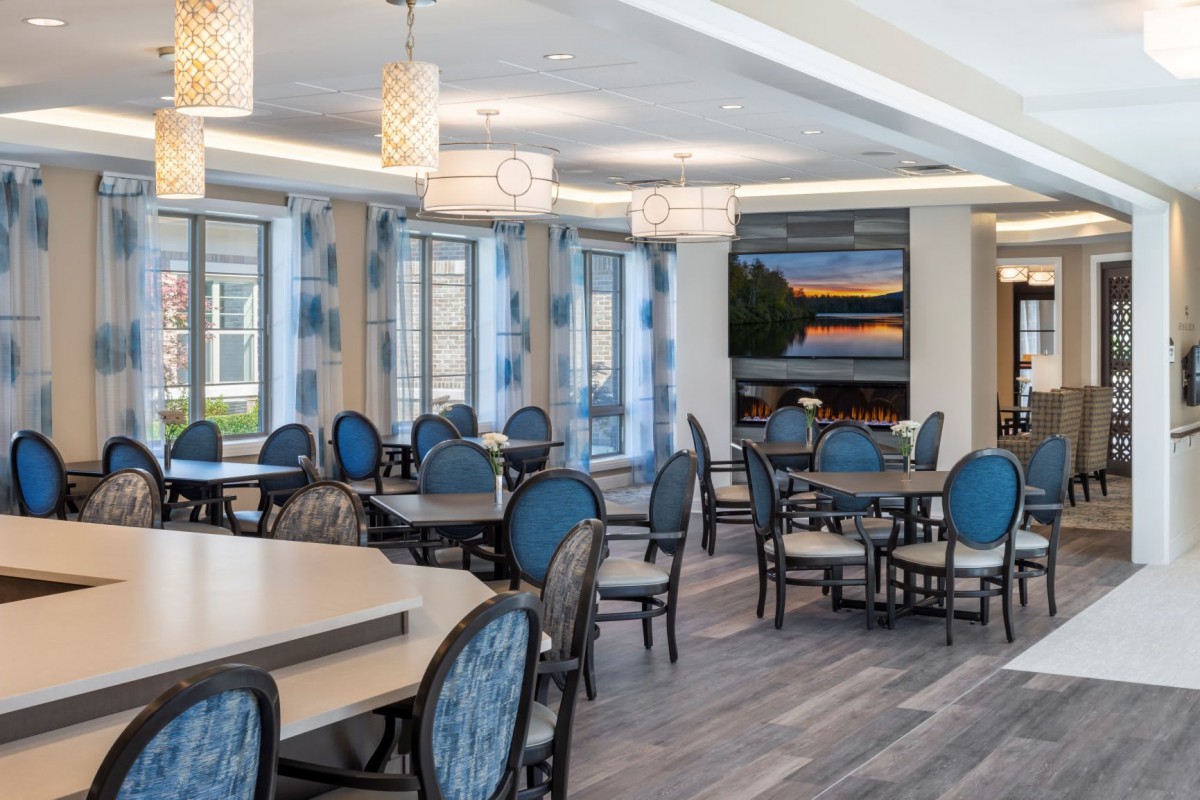
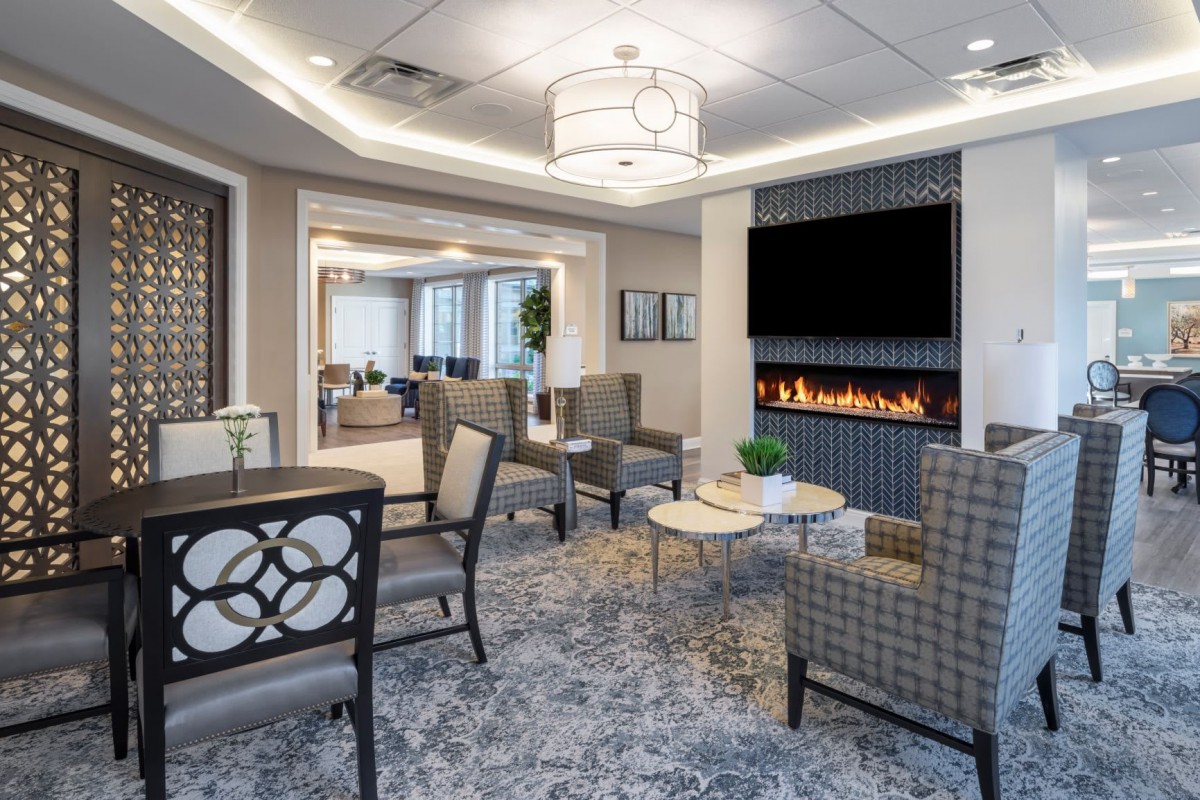
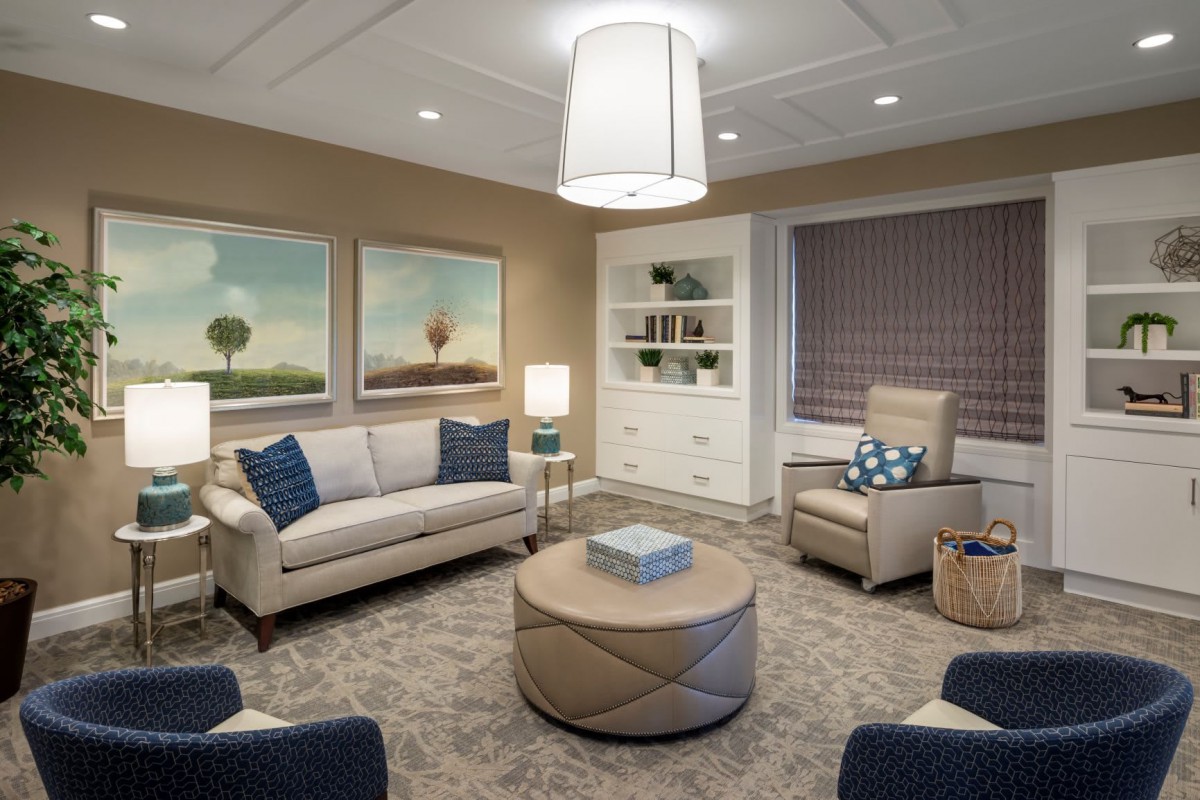
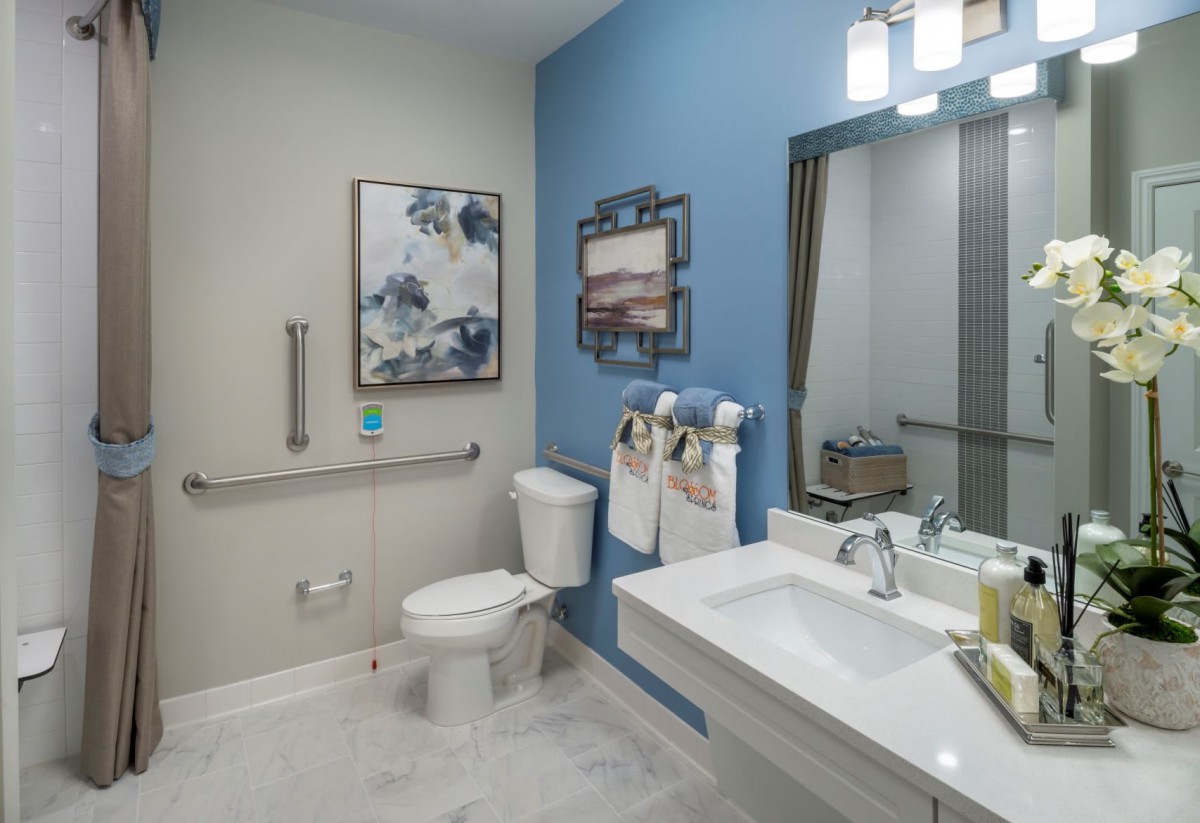
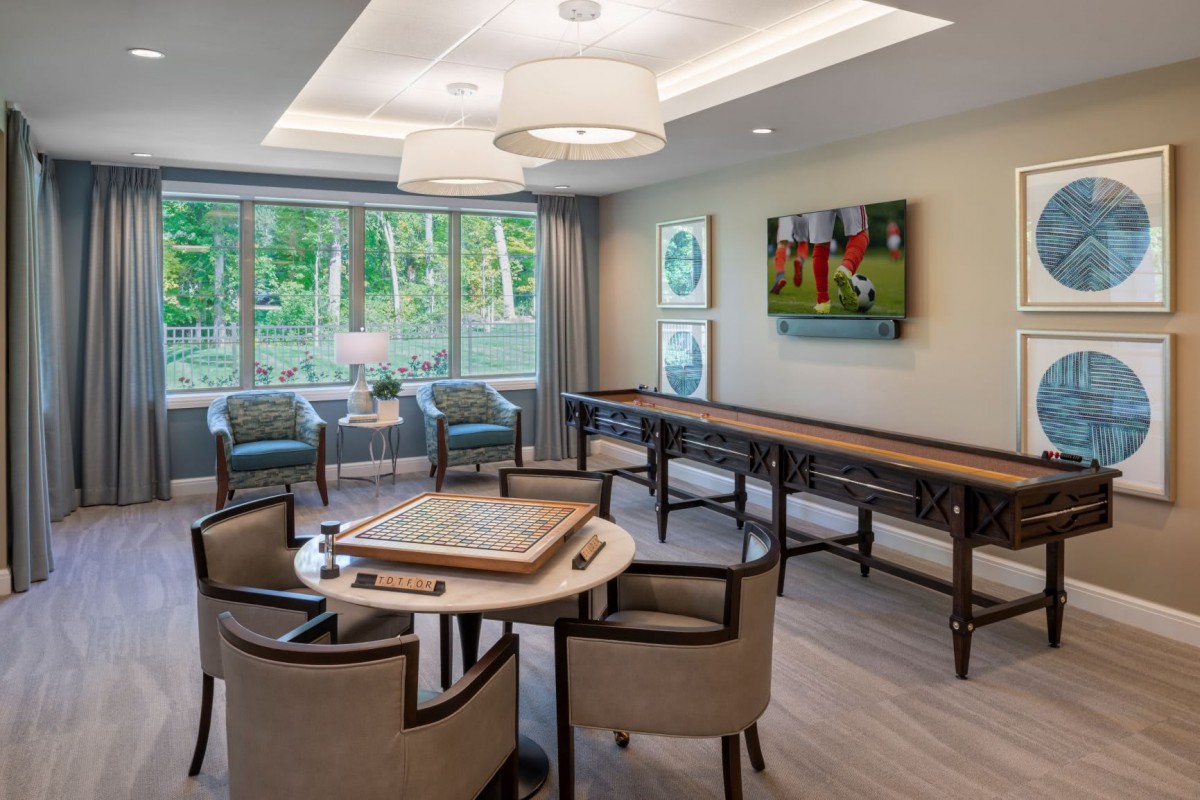
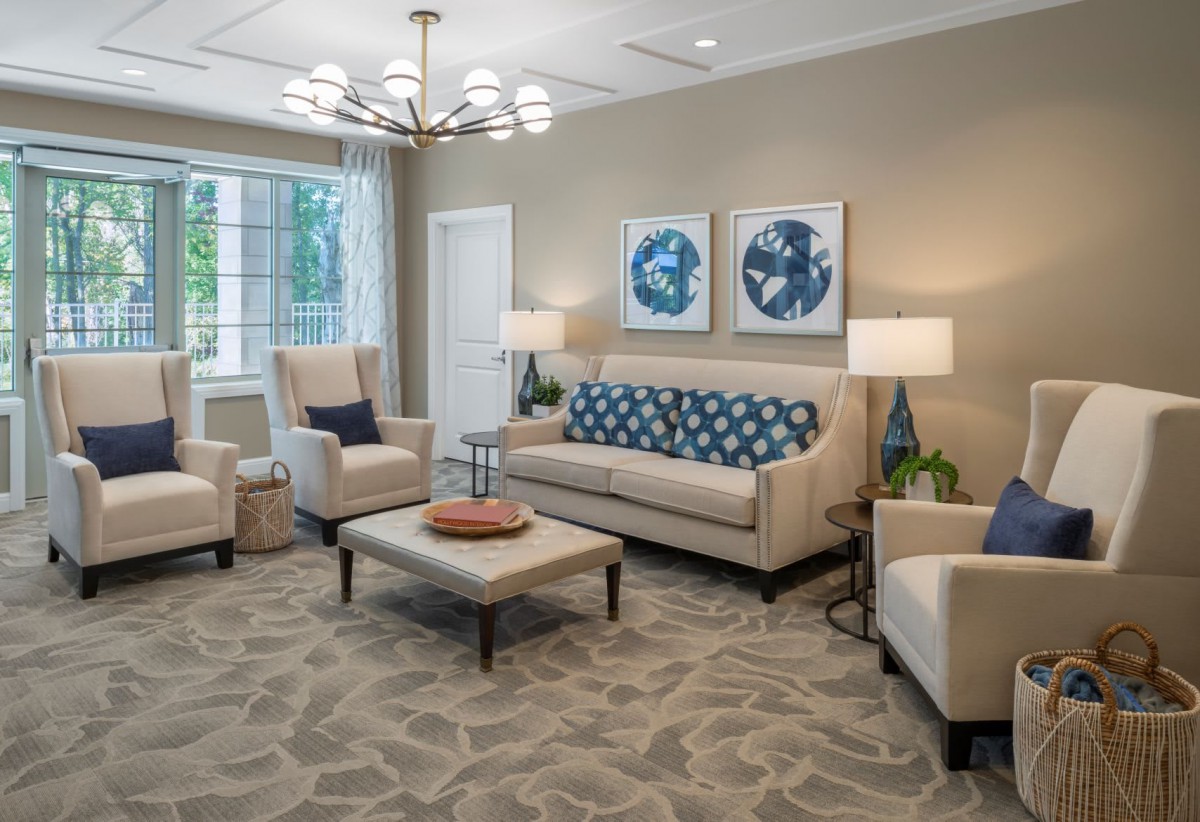
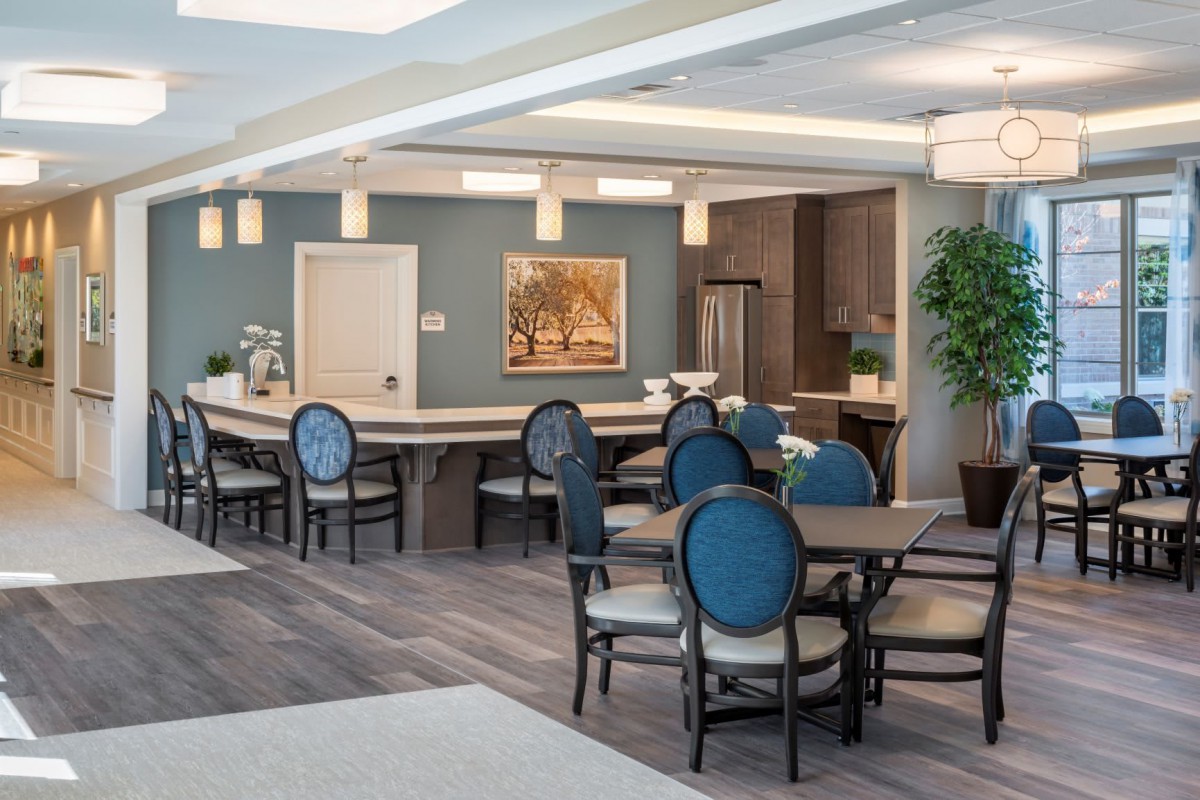
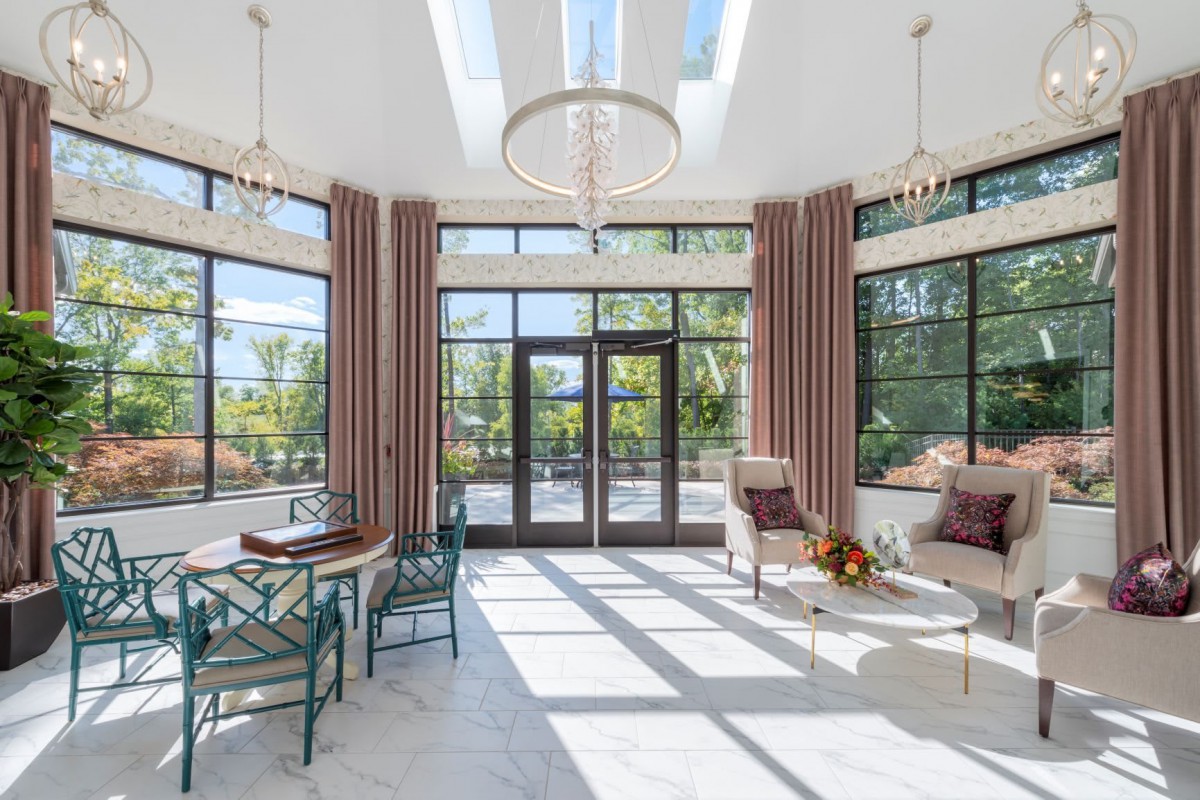
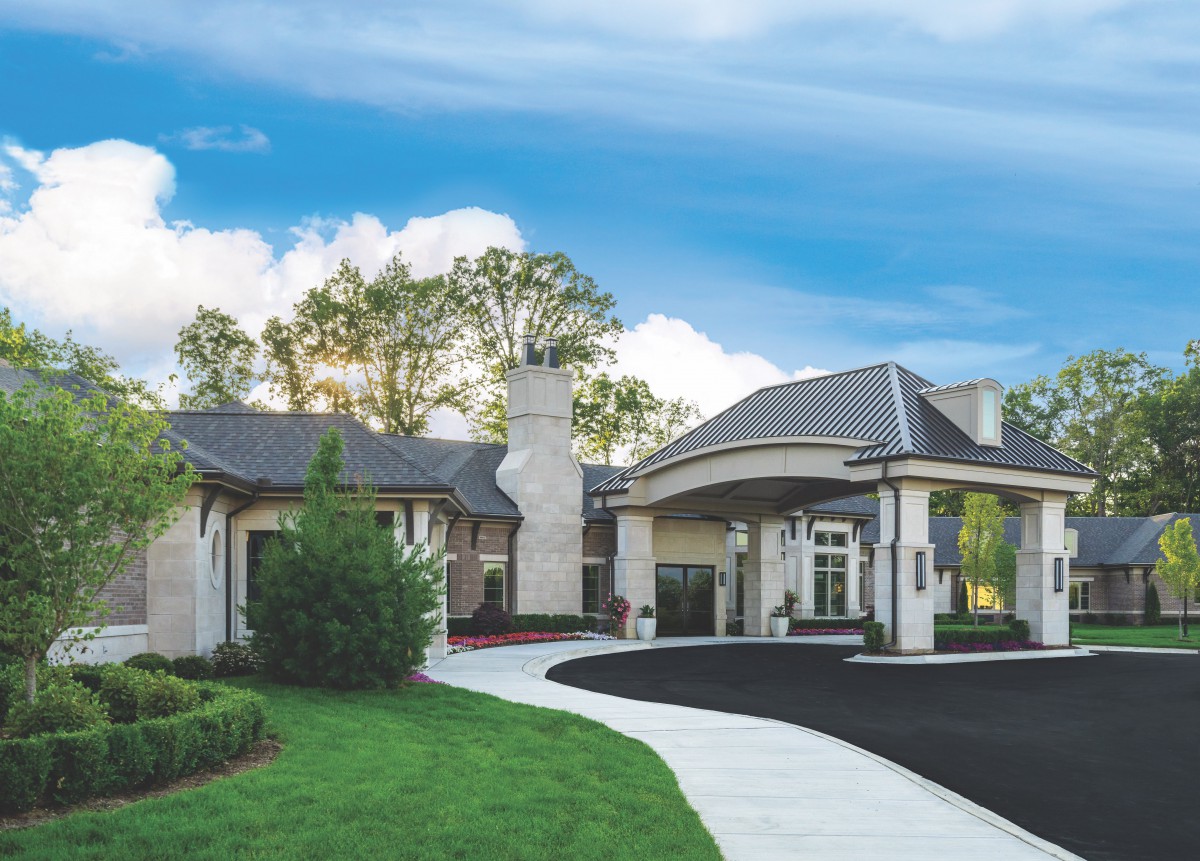
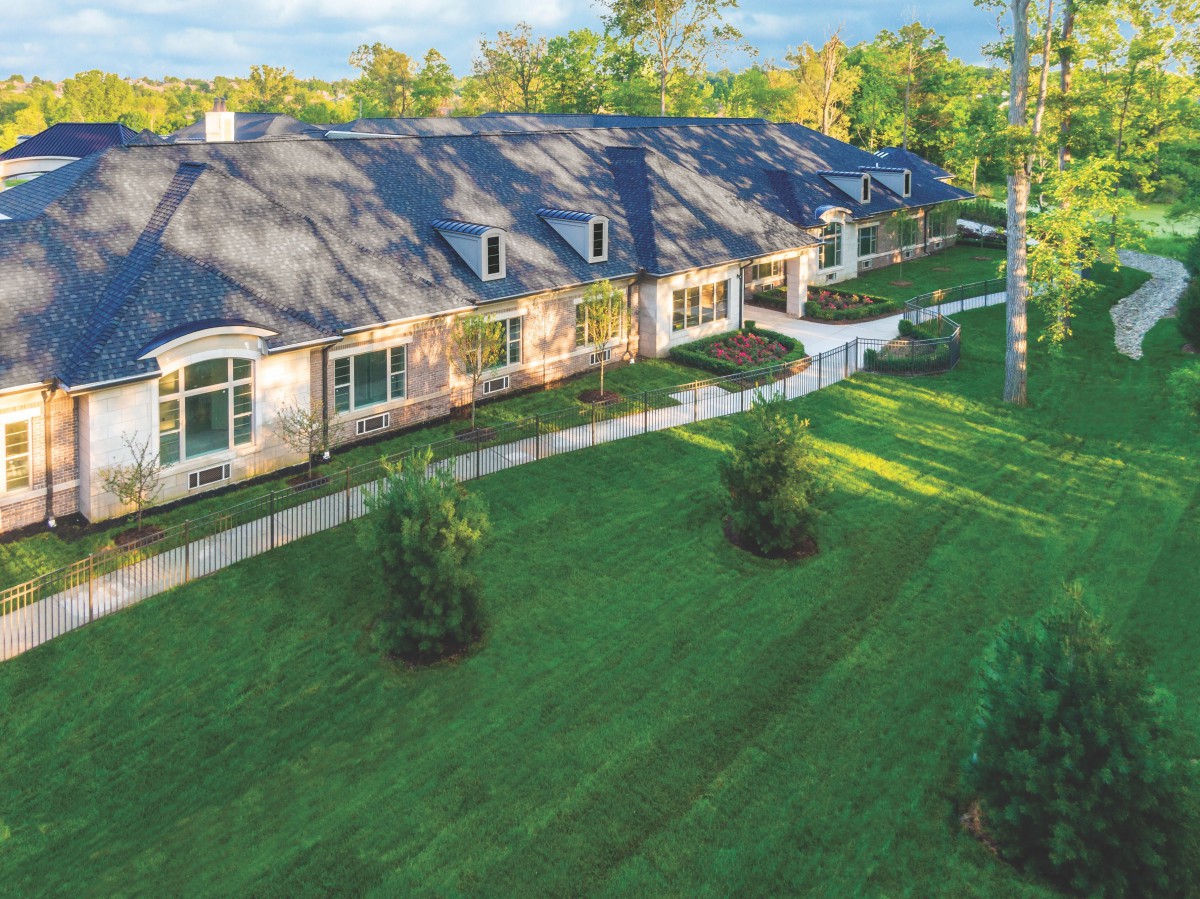
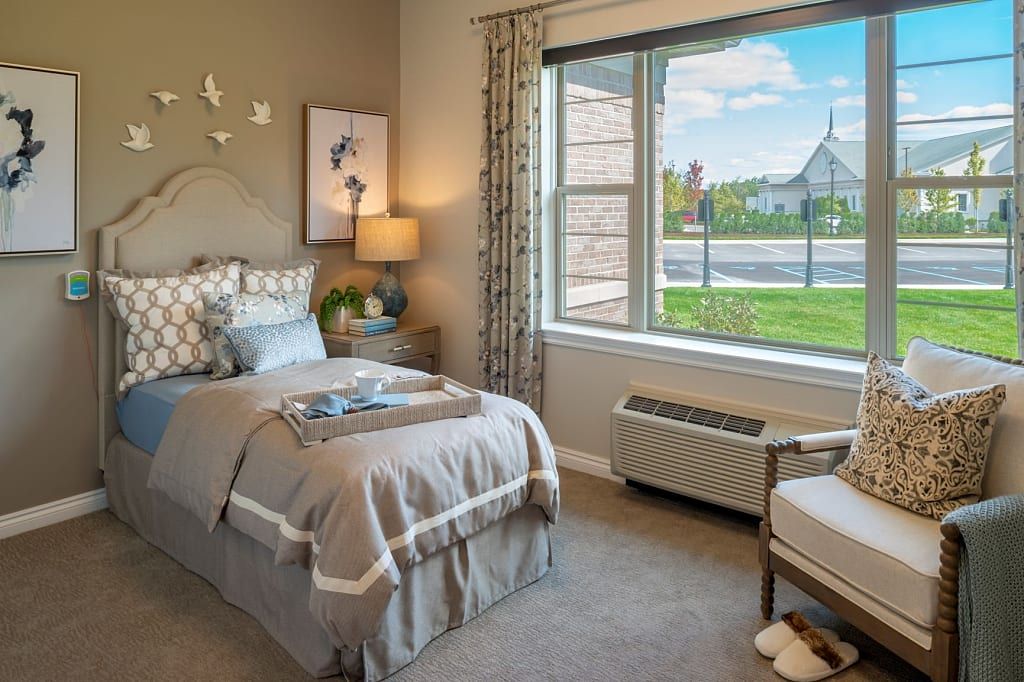
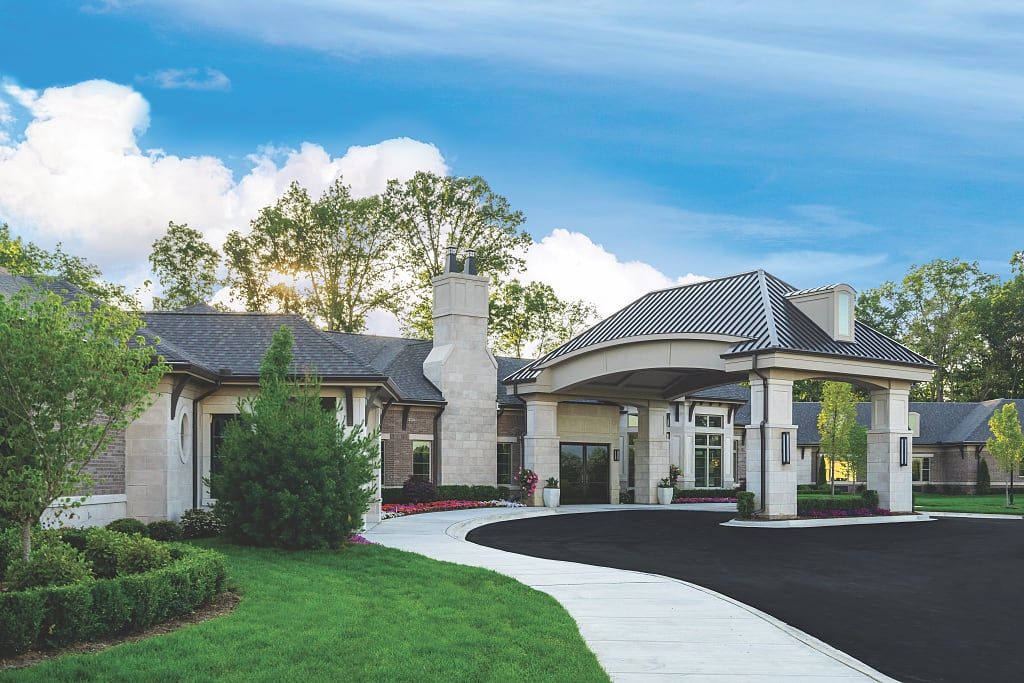
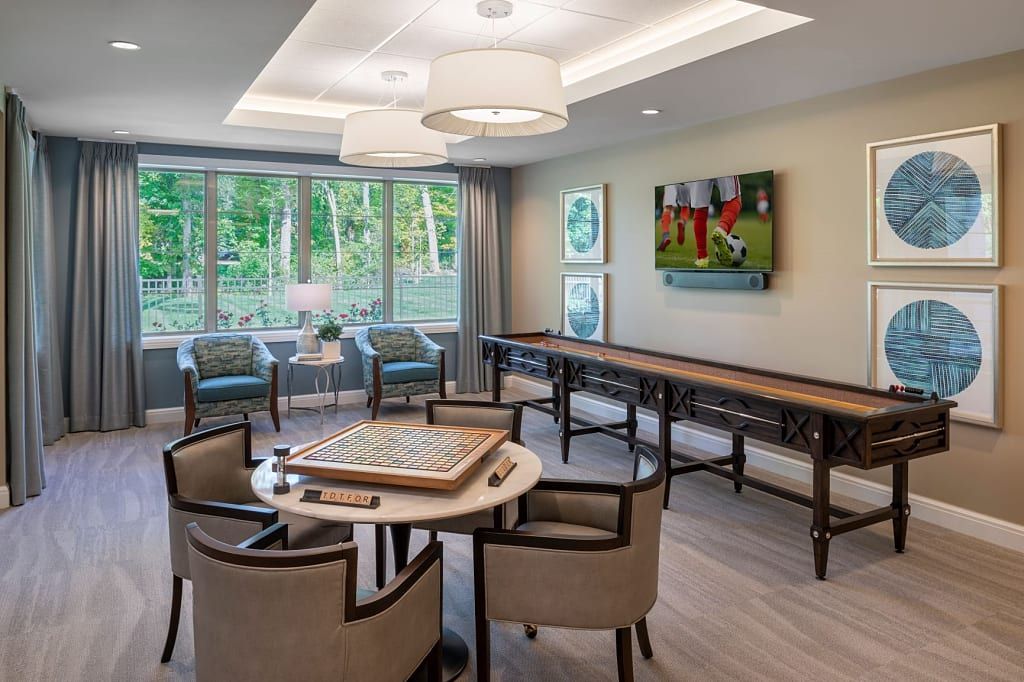
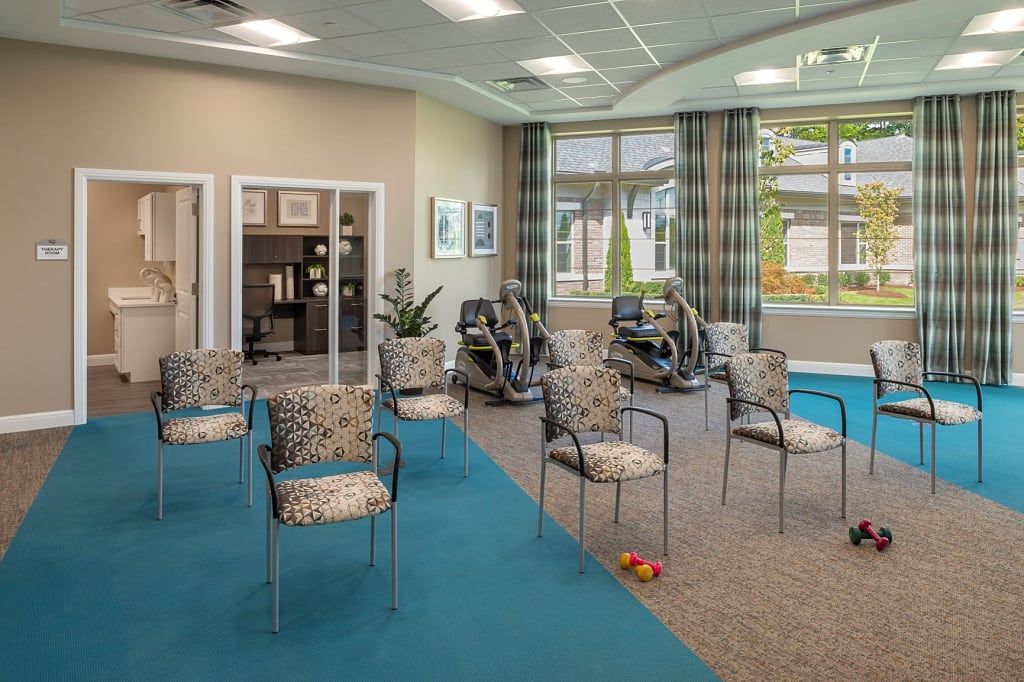
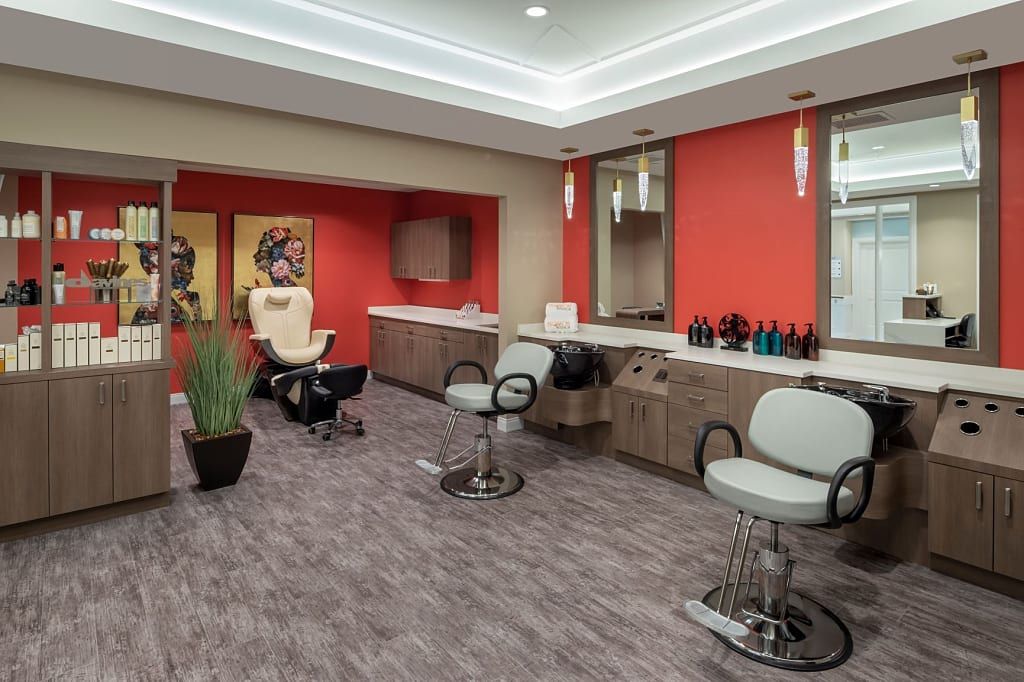
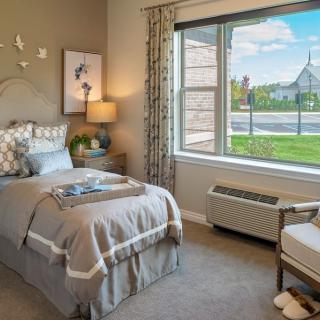
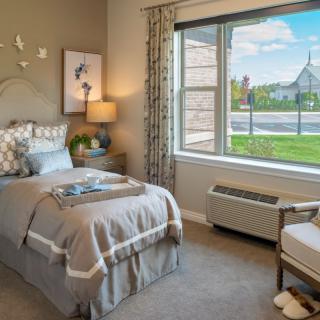
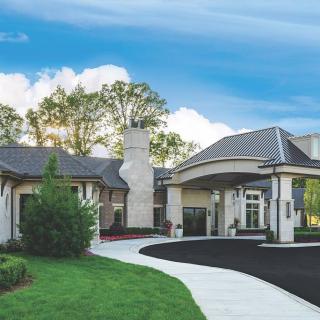
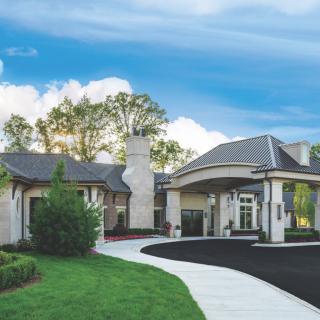
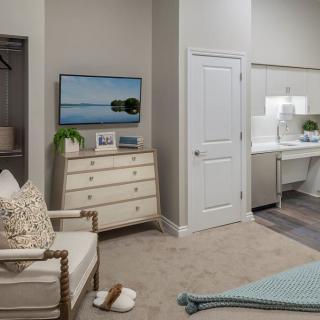
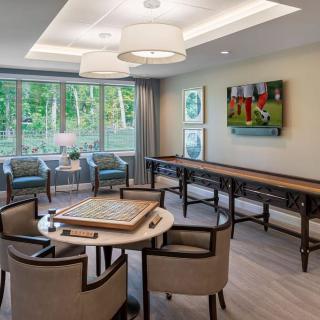
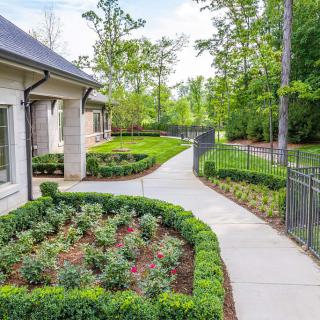
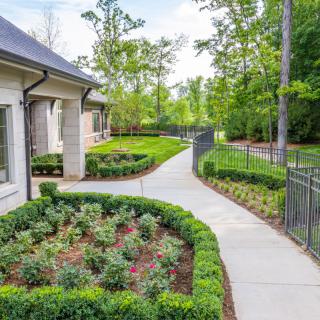
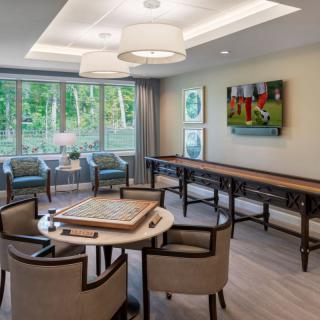
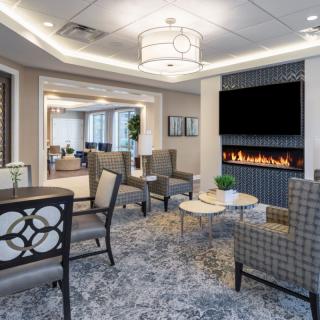
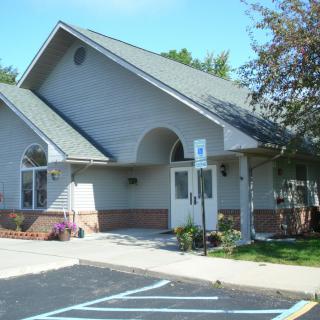
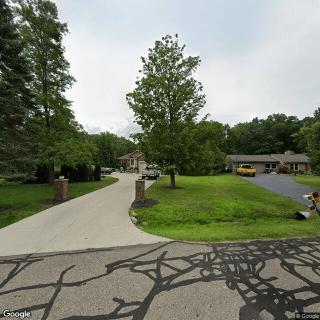
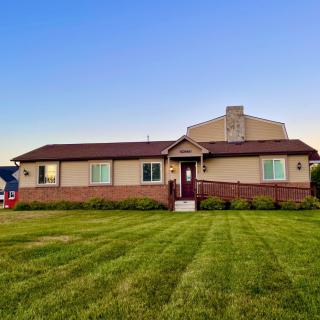
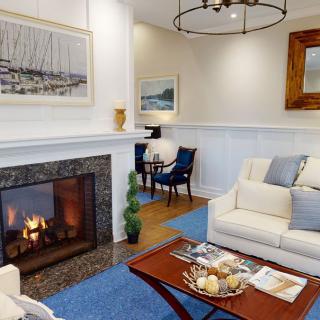
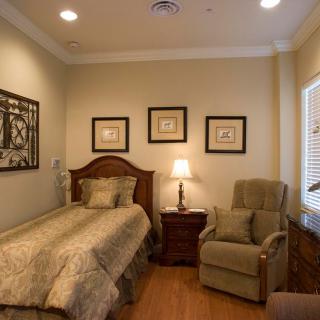
Blossom Springs on seniors.fyi includes 30 photos including images showing interior, decor, windows, bedroom, landscaping, living room, dining, lighting, and more.
Nearby Communities
Kern Group Home
Oakland Township, MI
3.5 from 2 reviews
$3,537 / month
Affordable private-room pricing relative to local averages, with fully furnished rooms and comprehensive services.
Blossom Ridge
Oakland, MI
4.7 from 23 reviews
$4,315 to $4,615 / month
Beautiful setting with engaging activities and a caring staff.
Summit Place In The Hills
Rochester Hills, MI
Small, intimate community (6 residents) enabling personalized care and attention.
Silverbell Manor
Lake Orion, MI
5 from 33 reviews
$3,800 / month
Specialized memory care in a small, homelike setting with 24-hour supervision and engaging daily activities.
A Loving Heart
Rochester Hills, MI
Comprehensive care and convenient amenities (meals, housekeeping, medical coordination, transportation).
Visiting Angels
Rochester, MI
4.8 from 115 reviews
Strong access to nearby amenities (cafes, parks, pharmacies, physicians, restaurants, and places of worship) in a vibrant Rochester neighborhood.
Waltonwood Main
Rochester Hills, MI
4.4 from 104 reviews
$3,650 to $7,095 / month
Caring staff in a bright, welcoming community with improved dining and activities.
Colonial Meadows
Pontiac, MI
3.8 from 8 reviews
$630 to $730 / month
Very affordable pricing with strong proximity to amenities (cafes, parks, pharmacies, restaurants, worship, hospital).
Lake Orion Nursing Center
Lake Orion, MI
4 from 104 reviews
Comprehensive amenities and care options (transportation, mental wellness program, dining, activities) in a furnished, apartment-style setting.
Memory care activities are essential for improving the quality of life of seniors with cognitive impairments, as they stimulate cognitive function, promote well-being, and encourage social interaction through tailored strategies. These activities combine structured exercises with spontaneous tasks, sensory engagement, physical workouts, creative pursuits, and intergenerational interactions to enhance emotional connection and a sense of purpose.
Transitioning from assisted living to memory care is driven by an individual's cognitive decline and specific needs, requiring careful evaluation of indicators like increased confusion and wandering. The process involves consulting medical professionals, researching suitable communities, considering financial and legal aspects, and ensuring effective communication for personalized care plans.
The article differentiates between assisted living and memory care, explaining that assisted living supports seniors with daily activities while promoting independence, whereas memory care provides specialized services for individuals with dementia, focusing on secure environments and cognitive support. It also addresses staff training, safety considerations, costs, family involvement, and transition strategies for families navigating these care options.
Open Space, Modern Furniture, and Lighting Fixture
Exercise Room
Accessible
Modern Interior
Get PricingAsk A QuestionSchedule A TourContact Senior Advisor
By clicking submit, you agree to our Partner's Terms of Use. You
also consent to receive calls and texts, which may be autodialed, from our Partner. Your consent is not a condition to
using our Partner's service. Please visit our Partner's Privacy Policy for information about their privacy practices.






 56 resident community capacity
 Assisted Living
 Memory Care
 Activities off-site
 Air-conditioning
 Beautician on-site
 Cable or satellite TV
 Computer center
 Devotional services off-site
 Dining room
 Fitness room
 Fully furnished
 Gaming room
 Garden
 Ground floor units
 Handicap accessible
 Housekeeping services
 Indoor common areas
 Kitchenette
 Move-in coordination
 Outdoor common areas
 Private bathrooms
 Respite or short term stays offered
 Restaurant-style dining
 Small library
 Telephone
 Wellness center
 Wheelchair accessible showers
 Wi-Fi/high-speed internet available
 Community operated transportation
 12-16 hour nursing
 24-hour call system
 Assistance with bathing
 Assistance with dressing
 Assistance with transfers
 Diabetes diet
 Diabetic care
 Incontinence care
 Medication management
 Mental wellness program
 Special dietary restrictions
 Transportation arrangement (medical)
 Art classes
 Catholic services
 Concierge services
 Day trips and outings
 Educational speakers / life long learning
 Happy hour
 Karaoke
 Live musical performances
 Affordable private-room pricing relative to local averages, with fully furnished rooms and comprehensive services.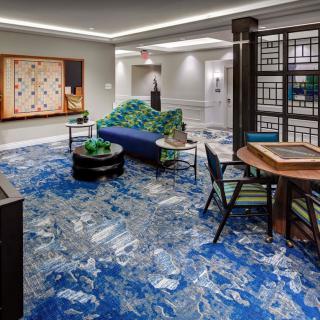

 Engaging Memory Care Activities That Enhance Quality of Life
 When to Transition from Assisted Living to Memory Care: Key Indicators, Steps, and Finding the Right Community
 Understanding the Distinctions: Assisted Living and Memory Care Explained