
Margarets Meadows

Save
Margarets Meadows Margarets Meadows

Margarets Meadows in Remus, MI

5257 Coldwater Road, Remus, MI 49340

For more information about senior living options: (844) 490-3973

3.3 from 11 reviews
5 stars
4
4 stars
3
3 stars
0
2 stars
0
1 stars
4

Assisted Living Board and Care Home Memory Care

Margarets Meadows Costs & Pricing

Margaret's Meadows offers competitive pricing for its studio accommodations, with a monthly cost of $4,000 that aligns closely with the average rate in Mecosta County. This consistency suggests that residents can expect to receive quality services and amenities that justify their investment. However, it is noteworthy that the state average in Michigan stands at approximately $3,824 per month, indicating that while Margaret's Meadows may be on the higher end locally, it also positions itself as a premium option within the broader marketplace. Overall, prospective residents should consider both the local and state averages when evaluating their choices and the value provided by Margaret's Meadows.

Floor plansMargarets MeadowsMecosta CountyMichigan
Studio$4,000$4,000$3,824

What level of care are you interested in?

Assisted Living

Memory Care

Independent Living

Skilled Nursing Facility

Continuing Care Retirement Community (CCRC)CCRC

Other


Request a tour at Margarets Meadows

    Overall Review of Margarets Meadows

    Pros

    • pro The staff at Margaret's Meadows genuinely care for their patients.
    • pro The reviewers would recommend Margaret's Meadows to other families.
    • pro The owner is very nice and kind.
    • pro The community is quiet and lovely.
    • pro The food is homemade and tastes really good.
    • pro The staff are always friendly and courteous and answer questions.
    • pro The facility is homey and clean, with residents having their own rooms.
    • pro The staff and management have been wonderfully supportive during transitions.

    Cons

    • pro The review notes that the mother's hearing aids and money were missing from the facility, with no explanations given.
    • pro During her 10 months there, she went to the ER several times.
    • pro In December, she somehow got out of the secure facility and was found outside; the ER said her core body temperature was 80 degrees.
    • pro She also had a injured hand (a "featured hand"), and nobody knew what happened.
    • pro They refused to refund the funds remaining from her paid care.
    • pro There were only three male residents and their communication was limited, indicating poor sociability.

    Review

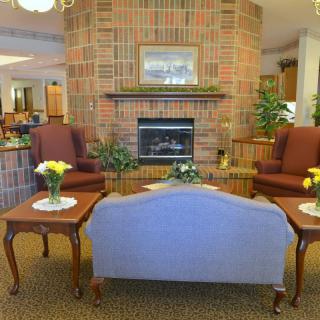
    Margarets Meadows is best suited for families seeking an intimate, homey setting where staff attention feels personal, and where daily life prioritizes comfort, quiet, and a community feel over clinical bustle. This is a small-scale option in Remus, MI, where residents aren't shuffled through large corridors or crowded common areas. It works well for seniors who value a calm environment, regular contact with a devoted staff, and faith-friendly touches like visiting pastors. For loved ones needing extensive medical supervision or a bustling social scene, this is not the ideal fit.

    The strongest positives here are practical and deeply human. Staff consistently demonstrate genuine care, and the owner's kindness helps create a trustworthy, family-like atmosphere. The small size translates into closer relationships, with a sense that each resident is known and valued. The facility's quiet, homey vibe - coupled with a clean, clutter-free environment - supports calmer days and fewer confusing smells or chaos. The food earns compliments for being homemade and appealing, and meals become one of the recurring anchors of daily life. A resident's family notes positive transitions when moving in, and staff are described as friendly and responsive, often helping families navigate questions or concerns with patience. The presence of a pastor who visits reinforces a reassuring, resident-focused culture, and the overall atmosphere tends to be calm, unhurried, and personable. For families prioritizing warmth, routine, and predictable, considerate care, these advantages can be significant.

    However, the downsides are nontrivial and demand careful consideration. Several reviews raise serious safety and accountability concerns: a resident's family experienced missing hearing aids and funds, with no satisfactory explanation offered, and an instance where a resident reportedly left the secure area and was found outside, with dire ER assessments noted. Additionally, families describe disputes over refunding prepaid care funds, which touches on financial transparency and trust. These points are not minor glitches; they signal potential gaps in safeguards, incident handling, and communications that could affect a resident's welfare and family confidence. Another practical con: social life can feel narrow in this small setting, with reports that there aren't many peers to interact with, limiting casual opportunities for friendship or group activities beyond a core circle. While the calendar offers activities, the resident mix may constrain sociability for some.

    The way the positives and the negatives interact will vary by family priorities. For those who value emotional warmth, a responsive staff, and a homelike routine, the strengths can offset a lot of daily stress, especially when risk of wandering or isolation is minimized by attentive supervision and familiar routines. Yet the safety and financial concerns tilt the balance away from long-term confidence in care, particularly for a loved one with higher medical needs, cognitive challenges, or sensitivity to security lapses. In other words, the care ethos and environment can be a powerful comfort, but the recorded safety gaps and unresolved financial questions cannot be ignored when weighing options.

    Consider alternatives if certain thresholds matter most: facilities with larger resident bases offering broader social networks may better satisfy residents who crave frequent social engagement. Programs with clearer, timelier incident reporting and stronger accountability around safety could be crucial for families prioritizing protection against wandering and emergencies. If medical oversight is a priority - more on-site nursing, rapid response, or regular clinician visits - then a facility with a heavier clinical footprint would likely suit better. Finally, for families who must have assured financial transparency, explicit refund policies, and straightforward handling of prepaid funds, shopping around is prudent.

    In the end, Margaret's Meadows foregrounds warmth, personal attention, and a calm, home-like day-to-day that can be a perfect match for some seniors and their families. It is not a one-size-fits-all solution, and the most decisive questions revolve around safety assurances, incident accountability, and financial clarity. Prospective families should schedule thorough on-site assessments, request detailed policies on security, incident reporting, and refunds, and speak directly with current residents and families about firsthand experiences. If those factors align with need and risk tolerance, Margaret's Meadows can be a comforting, well-loved home. If they do not, alternatives offering stronger safeguards and broader socialization may better protect peace of mind and quality of life.

    Features

    Housing

    • 20 resident community capacity 20 resident community capacity

    Types of Care

    • Assisted Living Assisted LivingAssisted living facilities provide crucial support and care for seniors who may need help with daily tasks such as medication management, bathing, and meal preparation. These communities offer a safe and comfortable environment where seniors can maintain their independence while receiving the assistance they need to thrive in their golden years.
    • Board and Care Home Board and Care HomeBoard and care homes provide a smaller, more intimate setting for seniors who require assistance with daily tasks but do not need the level of care offered by a nursing home. They offer personalized care, meals, and social activities in a homelike environment, ensuring that seniors receive individualized attention and support in their golden years.
    • Memory Care Memory CareMemory care is crucial for seniors as it provides specialized support and services for individuals with dementia or Alzheimer's disease. These programs offer a safe and secure environment where residents receive personalized care, cognitive stimulation, and help with daily activities. Memory care helps seniors maintain their independence, quality of life, and dignity while also providing peace of mind for their families.

    Amenities

    • Activities on-site Activities on-siteActivities on-site are important for seniors because they provide opportunities for socialization, mental stimulation, physical activity, and overall well-being. Engaging in activities can help seniors stay active, maintain their independence, and improve their quality of life.
    • Beautician on-site Beautician on-siteHaving a beautician on-site at a senior living community is important for seniors as it allows them to easily access grooming and personal care services, boosting their self-esteem and overall well-being. It also provides convenience and helps seniors maintain their sense of independence and personal style.
    • Beauty salon Beauty salonBeauty salons are important for seniors because they provide a space for them to feel pampered, socialize, and maintain their personal grooming and hygiene. Regular visits to a beauty salon can help boost seniors' self-esteem and overall well-being.
    • Cable or satellite TV Cable or satellite TVCable or satellite TV is important for seniors because it provides entertainment, news, and companionship, helping to combat loneliness and boredom. It also offers a wide range of programming options tailored to different interests and preferences.
    • Devotional services off-site Devotional services off-siteDevotional services off-site are important for seniors as they provide spiritual nourishment, social engagement, and a sense of community outside of the senior living facility. This can enhance overall well-being and help combat feelings of isolation and loneliness often experienced by older adults.
    • Devotional services on-site Devotional services on-siteDevotional services on-site provide seniors with spiritual support and a sense of community, as well as an opportunity for reflection and guidance during their senior living experience. This can promote emotional well-being and connection to others, leading to a more fulfilling and enriching lifestyle in their later years.
    • Dining room Dining roomDining rooms are important for seniors as they provide a space for socialization, connection, and nutritious meals. They offer opportunities for residents to bond over shared meals, foster a sense of community, and promote healthy eating habits. Dining rooms also ensure that seniors have access to well-balanced meals tailored to their dietary needs and preferences.
    • Fully furnished Fully furnishedFully furnished senior living communities are important for seniors because they provide convenience, comfort, and a hassle-free moving experience. Seniors can easily settle into their new living space without the stress of having to buy and move furniture. This allows them to focus on enjoying their new home and community.
    • Garden GardenGardens are important for seniors as they provide a peaceful and therapeutic environment for relaxation, physical activity, and socialization. Being in nature has been shown to reduce stress, improve mood, and promote overall well-being. Gardens also offer opportunities for seniors to engage in gardening activities, which can improve mobility, flexibility, and cognitive function. Additionally, gardens create a sense of community and connection with others who share a passion for plants and outdoor spaces.
    • Housekeeping services Housekeeping servicesHousekeeping services are important for seniors because they help maintain a clean and safe living environment, promote independence, and reduce the risk of accidents or illnesses. Additionally, having assistance with household chores can alleviate physical strain and allow seniors to focus on other aspects of their well-being.
    • Indoor common areas Indoor common areasIndoor common areas are crucial for seniors as they provide a space for socialization, recreation, and community engagement, promoting overall well-being and reducing feelings of isolation and loneliness.
    • Kitchenette KitchenetteKitchenettes are important for seniors living in senior living communities because they provide the convenience and independence of being able to prepare simple meals and snacks in the comfort of their own living space. This can help promote a sense of autonomy and well-being for seniors, allowing them to maintain some level of control over their dietary choices and daily routines.
    • Move-in coordination Move-in coordinationMove-in coordination is important for seniors because it helps ease the transition into their new living environment. It ensures that all logistics, such as packing, organizing movers, and setting up utilities are taken care of, allowing seniors to focus on settling in and adjusting to their new home. Having a smooth move-in process can alleviate stress and anxiety, making the transition smoother and more enjoyable for seniors.
    • Outdoor common areas Outdoor common areasOutdoor common areas are important for seniors as they provide a space for socialization, physical activity, and relaxation. Being outside in nature can improve mood and overall well-being, while also encouraging movement and engagement with others. These spaces can help combat feelings of isolation and promote a sense of community among residents.
    • Outdoor space Outdoor spaceOutdoor spaces are important for seniors as they provide opportunities for physical activity, social interaction, exposure to natural light and fresh air, and a sense of connection to nature. Having access to outdoor spaces can improve overall well-being and quality of life for older adults living in senior communities.
    • Respite or short term stays offered Respite or short term stays offeredRespite or short term stays provide seniors with a temporary solution when their regular caregiver is unavailable, offering them the opportunity to receive additional care and support during times of need, while also giving caregivers a chance to rest and recharge.
    • Telephone TelephoneTelephones are important for seniors as they provide a lifeline for communication with loved ones, emergency services, and healthcare providers. They offer a sense of security and independence, enabling seniors to stay connected and access assistance when needed.
    • Wheelchair accessible showers Wheelchair accessible showersWheelchair accessible showers are crucial for seniors as they provide a safe and independent bathing option for those with mobility challenges. These showers help prevent falls and allow seniors to maintain their dignity and autonomy while ensuring they can bathe comfortably.
    • Wi-Fi/high-speed internet available Wi-Fi/high-speed internet availableWi-Fi/high-speed internet is important for seniors to stay connected with loved ones, access online resources, and participate in virtual activities to combat feelings of loneliness and isolation. It also allows them to easily manage healthcare needs, access entertainment, and engage in lifelong learning opportunities.

    Care Services

    • 24-hour call system 24-hour call system24-hour call systems are important for seniors because they provide peace of mind and immediate assistance in case of emergencies. This technology ensures that help is always available, promoting safety and security for elderly individuals living alone or in assisted living facilities.
    • 24-hour supervision 24-hour supervision24-hour supervision is important for seniors to ensure their safety, well-being, and access to immediate assistance in case of emergencies or health issues. This constant support provides peace of mind for both seniors and their loved ones, allowing them to age in place with dignity and security.
    • Activities of daily living assistance Activities of daily living assistanceActivities of daily living assistance are important for seniors because they provide essential support with tasks such as eating, bathing, dressing, and mobility. This assistance helps seniors maintain their independence, dignity, and overall quality of life as they age.
    • Ambulatory care Ambulatory care"Ambulatory care services provide essential medical support and treatment to seniors without requiring hospitalization, allowing them to maintain their independence and quality of life while managing chronic conditions or receiving routine medical care."
    • Assistance with bathing Assistance with bathingAssistance with bathing is crucial for seniors as it helps maintain personal hygiene, prevents infections, and ensures their overall well-being and comfort. It also provides a sense of dignity and independence for seniors who may struggle with this task on their own.
    • Assistance with dressing Assistance with dressingAssistance with dressing is important for seniors because it helps maintain their independence, promotes personal hygiene, prevents accidents and injuries, and improves overall quality of life. This service ensures that seniors can continue to dress comfortably and confidently, despite any physical limitations they may have.
    • Assistance with transfers Assistance with transfersAssistance with transfers is crucial for seniors as it helps prevent falls and injuries, maintains their independence, and ensures they can safely navigate their living environment. It also provides peace of mind for both seniors and their loved ones.
    • Coordination with health care providers Coordination with health care providersCoordination with health care providers is crucial for seniors to ensure proper medical care, medication management, and overall well-being. This collaboration helps prevent overlapping treatments, track progress more effectively, and provide comprehensive support tailored to individual needs.
    • Dementia waiver Dementia waiverDementia waivers are essential for seniors as they provide critical protections and accommodations for those experiencing cognitive decline. These waivers ensure individuals with dementia receive appropriate care, support, and resources to maintain their quality of life and dignity as they navigate the challenges of this progressive condition.
    • Diabetes diet Diabetes dietA diabetes diet is crucial for seniors as it helps manage blood sugar levels, reduce risks of complications, and improve overall health and well-being. By following a balanced and nutritious diet tailored to their specific needs, seniors can better control their diabetes and enhance their quality of life.
    • Diabetic care Diabetic careDiabetic care is crucial for seniors as they are more susceptible to developing diabetes due to aging and other health conditions. Proper management of diabetes can help prevent complications such as heart disease, vision loss, and nerve damage, improving the overall quality of life for seniors in senior living communities.
    • Hospice waiver Hospice waiverHospice waivers are important for seniors because they allow individuals to receive specialized end-of-life care and support at home or in a hospice facility. This waiver ensures that seniors can access the necessary resources and services to maintain comfort and dignity during their final days.
    • Incontinence care Incontinence careIncontinence care is essential for seniors to maintain their dignity, hygiene, and overall quality of life. By addressing incontinence issues promptly and effectively, seniors can enjoy a sense of independence and comfort in their daily activities.
    • Meal preparation and service Meal preparation and serviceMeal preparation and service are crucial for seniors as they may have limited mobility or energy to cook nutritious meals. Having access to healthy and convenient food options can ensure they are getting the proper nutrition needed to maintain their overall health and well-being.
    • Medication management Medication managementMedication management is crucial for seniors to ensure they are taking the right medications at the correct dosages and times. This helps prevent adverse drug interactions, reduces the risk of medication errors, and promotes overall health and well-being. Proactive management also allows for adjustments as needed based on changing health conditions or new prescriptions.
    • Mental wellness program Mental wellness programMental wellness programs are essential for seniors as they promote cognitive stimulation, emotional support, and social engagement. These programs help prevent isolation, depression, and cognitive decline, ultimately enhancing the overall quality of life for older adults.
    • Mild cognitive impairment Mild cognitive impairment"Mild cognitive impairment" is important for seniors because it is an early stage of cognitive decline that can potentially progress to more severe conditions such as dementia. Recognizing and addressing mild cognitive impairment can help seniors receive appropriate care and support to maintain their quality of life and independence for as long as possible.
    • Special dietary restrictions Special dietary restrictionsSpecial dietary restrictions are important for seniors because age-related changes in metabolism and health conditions can make it difficult for their bodies to process certain foods. By following a diet tailored to their specific needs, seniors can maintain their overall health and well-being, manage chronic conditions, and reduce the risk of complications such as malnutrition or food interactions with medications.
    • Specialized memory care programming Specialized memory care programmingSpecialized memory care programming is crucial for seniors with cognitive impairments such as dementia or Alzheimer's disease. These programs provide a safe and supportive environment tailored to the unique needs of individuals with memory loss, helping them maintain their independence, dignity, and quality of life.
    • Transportation arrangement (medical) Transportation arrangement (medical)Transportation arrangements for medical purposes are essential for seniors as they may have difficulty driving themselves to appointments or accessing public transportation. Having reliable and safe transportation options ensures that seniors can receive timely medical care and maintain their health and well-being.
    • Transportation to doctors appointments Transportation to doctors appointmentsTransportation to doctors' appointments is crucial for seniors as it ensures they have access to necessary medical care and support for their health needs. Without reliable transportation, seniors may struggle to attend important appointments, leading to potential delays in treatment and health complications. Providing transportation services helps seniors maintain their overall well-being and quality of life.

    Dining

    • Diabetes diet Diabetes dietA diabetes diet is crucial for seniors as it helps manage blood sugar levels, reduce risks of complications, and improve overall health and well-being. By following a balanced and nutritious diet tailored to their specific needs, seniors can better control their diabetes and enhance their quality of life.
    • Meals provided Meals provided"Meals provided" are crucial for seniors in assisted living communities as it ensures they have access to nutritious, balanced meals without the stress of meal planning and preparation. This can help promote overall health and well-being for seniors who may have limited mobility or cognitive abilities.
    • Restaurant style dining Restaurant style diningRestaurant style dining is important for seniors as it offers them a social and enjoyable dining experience, promotes healthy eating habits, and provides personalized menu options to cater to their dietary needs and preferences. This type of dining setting can enhance their overall quality of life and create a sense of community within the senior living facility.
    • Special dietary restrictions Special dietary restrictionsSpecial dietary restrictions are important for seniors because age-related changes in metabolism and health conditions can make it difficult for their bodies to process certain foods. By following a diet tailored to their specific needs, seniors can maintain their overall health and well-being, manage chronic conditions, and reduce the risk of complications such as malnutrition or food interactions with medications.

    Activities

    • Activities on-site Activities on-siteActivities on-site are important for seniors because they provide opportunities for socialization, mental stimulation, physical activity, and overall well-being. Engaging in activities can help seniors stay active, maintain their independence, and improve their quality of life.
    • BBQs or picnics BBQs or picnicsBBQs or picnics provide seniors with social interaction, enjoyment of the outdoors, and a sense of community, contributing to their overall well-being and quality of life.
    • Birthday parties Birthday partiesBirthday parties are important for seniors as they provide an opportunity for celebration, socialization, and joy. They allow seniors to feel special and appreciated, boosting their mood and overall well-being. Additionally, birthday parties can help combat feelings of isolation and loneliness by fostering connections with friends, family, and community members.
    • Community-sponsored activities Community-sponsored activitiesCommunity-sponsored activities are important for seniors as they provide opportunities for social interaction, mental stimulation, and physical activity. These activities can help improve overall well-being, combat loneliness and isolation, and promote a sense of belonging and purpose among older adults.
    • Devotional activities offsite Devotional activities offsiteDevotional activities offsite are important for seniors because they provide social engagement, spiritual growth, and a sense of community outside of their living environment. This can improve overall well-being, mental health, and combat feelings of isolation or loneliness.
    • Devotional activities on-site Devotional activities on-siteDevotional activities on-site provide seniors with a sense of community, spiritual fulfillment, and emotional support, promoting overall well-being and a positive sense of purpose in their lives.
    • Holiday parties Holiday partiesHoliday parties are important for seniors because they provide opportunities for socialization, community involvement, and mental stimulation. These festive events offer a sense of belonging and connection during a time that can be lonely for many older adults. Additionally, participating in holiday celebrations can boost mood and overall well-being for seniors living in senior living communities.
    • Resident-run activities Resident-run activitiesResident-run activities are important for seniors as they encourage social interaction, creativity, and a sense of autonomy. These activities empower seniors to stay engaged and active in their community while fostering meaningful connections with their peers.
    • Scheduled daily activities Scheduled daily activitiesScheduled daily activities are important for seniors because they provide structure, socialization, mental stimulation, and physical activity. Engaging in regular activities can improve overall well-being and quality of life for seniors living in a community setting.

    Description

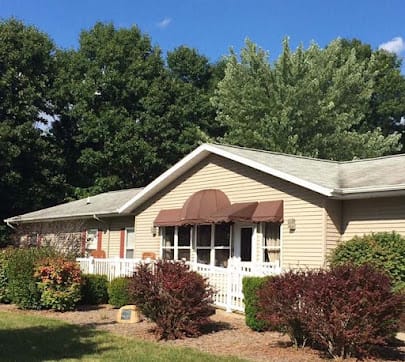
    Margarets Meadows is an assisted living community located in Remus, Michigan. We provide board and care home services, with a special focus on memory care for individuals living with dementia or Alzheimer's disease.

    Our community offers a range of amenities to ensure the comfort and convenience of our residents. Each room is fully furnished and equipped with cable or satellite TV, telephone, and Wi-Fi/high-speed internet access. Residents can enjoy delicious meals in our dining room, which caters to special dietary restrictions. Housekeeping services are provided to maintain a clean and tidy environment.

    We understand the importance of outdoor space, so we have a garden where residents can relax and soak in the natural surroundings. Our dedicated staff provides 24-hour supervision and assistance with activities of daily living such as bathing, dressing, and transfers. Coordination with health care providers ensures that residents receive appropriate medical attention when needed.

    At Margarets Meadows, we offer specialized memory care programming for individuals with cognitive impairments. Our mental wellness program focuses on promoting emotional well-being through engaging activities tailored to each resident's abilities. We also have a mild cognitive impairment program for those who require extra support.

    Transportation arrangements for medical needs and doctors' appointments are available upon request. Additionally, we are conveniently located near parks, restaurants, places of worship, and other essential services.

    Residents at Margarets Meadows can enjoy a vibrant social life through our resident-run activities and scheduled daily activities. These provide opportunities for social interaction, entertainment, and personal growth.

    We strive to create a warm and welcoming environment where our residents feel safe, comfortable, and cared for. With our comprehensive care services and enriching amenities, Margarets Meadows is an ideal choice for seniors seeking quality assisted living in Remus, MI

    Nearby Places of Interest

    Located in Remus, Michigan, this area offers a variety of amenities and services that cater to seniors. With multiple places of worship nearby, such as Trinity Wesleyan Church and Zion Lutheran Church, residents have convenient options for spiritual fulfillment. Transportation options include Brooks Airstrip and the Lake Isabella Airport for those who enjoy traveling or have family visiting from out of town. Additionally, there are several pharmacies in close proximity like Remus Pharmacy and Ambulatory Infusion Care for easy access to medication and healthcare needs. For recreation, parks like Deerfield Nature Park and Sunnyside Park provide opportunities for outdoor activities. The presence of cafes like Panera Bread and Starbucks offer cozy spots for socializing with friends over coffee. Overall, this area in Remus provides a peaceful and convenient environment for seniors looking to settle down in a welcoming community.

    Places of Worship

    • Trinity Wesleyan Church (0.8 miles)
    • Zion Lutheran Church (3.1 miles)
    • Free Methodist Church (5.6 miles)
    • United by Faith Christian Church (5.8 miles)
    • Dale Freed Ministry (6.6 miles)
    • Chippewa Hills Baptist Church (7.9 miles)
    • Chippewa Hills Assembly of God (8.3 miles)

    Transportation

    • Brooks Airstrip (1.1 miles)
    • Nac Taxidermy (3 miles)
    • Lake Isabella Airport (5.5 miles)
    • Taxidermy (6.6 miles)
    • U-Haul Neighborhood Dealer (6.8 miles)
    • About Time (9.9 miles)
    • Ictc Bus Stop (10.8 miles)

    Restaurants

    • Barn Door (2.3 miles)
    • Blanchard Lanes (6 miles)
    • Trapco (6.8 miles)
    • Hometowne Diner We (8.3 miles)
    • Remus Bowling Center (8.5 miles)
    • Weaver's Village Inn (8.7 miles)
    • McDonald's (9.1 miles)

    Parks

    • Birch Park (2.6 miles)
    • Deerfield Nature Park (5.1 miles)
    • Coldwater Lake Family Park (7.2 miles)
    • Isabella Parks Maintenance (9.2 miles)
    • Sunnyside Park (9.9 miles)
    • Mission Creek Woodland Park (10 miles)
    • Beaver Park (10.3 miles)

    Pharmacies

    • Remus Pharmacy (8.4 miles)
    • Ambulatory Infusion Care (10.8 miles)
    • Health Mart Pharmacy (10.8 miles)
    • Downtown Drugs (10.8 miles)
    • CVS Pharmacy (11 miles)
    • Kroger Pharmacy (11 miles)
    • Walgreens (11 miles)

    Hospitals

    • Weidman Area Health Clinic (8.8 miles)
    • Mid Michigan Medical Center (10.5 miles)

    Physicians

    • Pleasant Pediatrics (9.7 miles)
    • Children's Health Care (10 miles)
    • Michigan Spine & Pain (10.4 miles)
    • Jeffrey Khabir, MD (10.6 miles)
    • Central Michigan University-Quest Laboratory (10.9 miles)
    • Messenger Andrew L (10.9 miles)
    • Gregory G Messenger M.D. P.L.L.C. (10.9 miles)

    Cafes

    • Panera Bread (11 miles)
    • Starbucks (11 miles)
    • Tim Hortons (11 miles)
    • Twelve17 Coffee Roasters (11 miles)
    • Cops & Doughnuts (11.1 miles)
    • Old School Coffee (11.2 miles)

    Frequently Asked Questions

    How much does it cost to live at Margarets Meadows in Remus, MI?
    Where is Margarets Meadows?
    Does Margarets Meadows provide care for residents with dementia or Alzheimer's disease?

    Nearby Communities

    • Cencare Foster Home 4

      Cencare Foster Home 4

      Mount Pleasant, MI


      pro Small, home-like setting with personalized care

    • Mcbride 7

      Mcbride 7

      Weidman, MI


      pro Small, intimate setting with personalized care and comprehensive services (diabetes diet, medication management, transportation to appointments).

    • Cencare 3

      Cencare 3

      Weidman, MI


      pro Comprehensive care and active lifestyle in a home-like setting.

    • Woodland Hospice

      Woodland Hospice

      Mount Pleasant, MI

      5 from 20 reviews
       

      pro Compassionate, patient staff providing meaningful companionship in a home-like suite setting.

    • New Hope Assisted Living

      New Hope Assisted Living

      Mount Pleasant, MI


      pro Intimate board?and?care with 24/7 supervision, meals, and transport.

    • House of Peace

      House of Peace

      Weidman, MI


      pro Small, intimate community (6 residents) with 24/7 supervision.

    • Green Acres of Mt.  Pleasant

      Green Acres of Mt. Pleasant

      Mount Pleasant, MI

      4.1 from 47 reviews
      $3,600 to $4,200 / month

      pro Caring staff and a welcoming admission process.

    • Mt Pleasant Comfort Care

      Mt Pleasant Comfort Care

      Mount Pleasant, MI

      4.6 from 67 reviews
      $3,600 to $5,450 / month

      pro Kind, attentive staff in a clean, renovated community with engaging activities and well-appointed private rooms.

    • Pioneer Golden Estates

      Pioneer Golden Estates

      Clare, MI

      4.2 from 22 reviews
       

      pro Warm, attentive staff; clean, well-maintained facility with engaging activities.

    Related Resources

    • assisted living vs memory careUnderstanding the Distinctions: Assisted Living and Memory Care Explained

      The article differentiates between assisted living and memory care, explaining that assisted living supports seniors with daily activities while promoting independence, whereas memory care provides specialized services for individuals with dementia, focusing on secure environments and cognitive support. It also addresses staff training, safety considerations, costs, family involvement, and transition strategies for families navigating these care options.

    • how to talk to someone with dementiaHow to Communicate with a Loved One Living with Dementia: 10 Supportive Strategies
      The article outlines effective communication strategies for interacting with loved ones with dementia, highlighting the need for empathy, patience, and understanding while emphasizing supportive approaches like using simple language, minimizing distractions, and focusing on feelings over facts to maintain dignity and foster connection. It also suggests seeking professional guidance when needed as communication challenges evolve.

    • va nursing homeComprehensive Guide to VA Nursing Homes: A Crucial Long-Term Care Resource for Veterans
      VA nursing homes, or Community Living Centers (CLCs), offer tailored long-term care for veterans, featuring medical attention and rehabilitation in a supportive environment. The guide covers facility types, eligibility criteria, financial assistance options, quality of care standards, and alternatives to full-time nursing home placement.


    Get Pricing Ask A Question Schedule A Tour Contact Senior Advisor