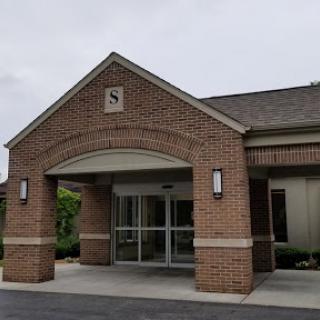
Pioneer Golden Estates in Clare, MI

Save
Pioneer Golden Estates

Pioneer Golden Estates in Clare, MI

Information last verified:

312 McGuirk Drive, Clare, MI 48617

For more information about senior living options: (844) 490-3973

4.1 from 24 reviews
5 stars
18
4 stars
1
3 stars
0
2 stars
0
1 stars
5

Overall Review of Pioneer Golden Estates

Pros

  • pro The staff are friendly, helpful, and genuinely caring.
  • pro The building is beautiful, clean, and well-maintained.
  • pro There is a culture of caring, with staff going out of their way for residents.
  • pro The facility offers engaging activities led by an activities director, including musicals, bingo, arts and crafts, and exercises.
  • pro In-house services like a physician, a podiatrist, and a hairdresser contribute to comprehensive resident care.
  • pro The memory care unit is well-staffed, with more staff available per resident to support them.

Cons

  • pro Administration/Management staff is unprofessional, rude, manipulative, and not truthful.
  • pro If concerns are raised, they either don't respond or ghost emails and voice messages.
  • pro Some of the five-star reviews are from untrustworthy admin/management.
  • pro Administration is horrible.
  • pro They put profit over people.
  • pro The RN was never around.
  • pro The next assisted living home was equally focused on profit over people.
  • pro They are absolutely unable to care properly.
  • pro Administration will lie and cheat to keep residents there.
  • pro Cruel and unusual treatment was found at the Pioneer Golden Estate of Clare.

Review

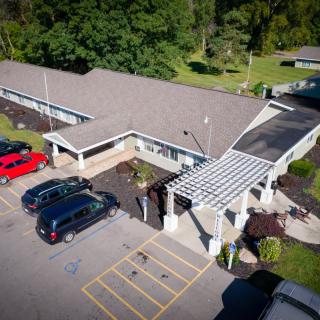
Pioneer Golden Estates in Clare, MI, is best suited for families seeking a modern, well-kept campus with an active calendar, a memory-care option, and a caregiving culture that shows up in daily interactions, provided management can be trusted to communicate clearly and promptly. The community delivers a polished presentation: clean public areas, inviting dining spaces, and a campus that feels new and well maintained. For families prioritizing hands-on, front-line care and a place that offers in-house services to support residents’ routines, Pioneer presents an appealing mix of warmth and practicality. The core audience here is those who are ready to engage with leadership to ensure concerns get timely attention, and who want a platform that can grow with a loved one from assisted living into memory care.

Those considering alternatives should note that Pioneer may not be the best fit for families whose top criterion is flawless administrative reliability. Several reviews flag persistent issues with administration, rude or unresponsive management, difficulty obtaining straight answers, and instances of family outreach being met with silence. For households that cannot tolerate delays in admissions, lack of follow-through, or perceived “profit over people” priorities among leadership, other communities with more transparent communication and streamlined intake processes will likely feel more trustworthy. Additionally, if a higher level of care beyond level-1 assistance or a more flexible approach to memory care placement is non-negotiable, exploring options with broader care level scope may be prudent.

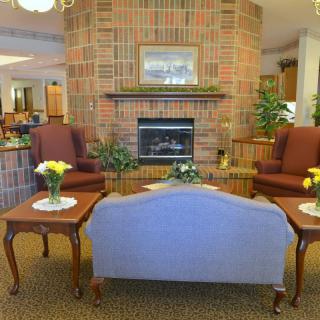
On the positive side, the pros at Pioneer are tangible and meaningful. The setting is attractive, clean, and welcoming, with well-kept grounds and a contemporary interior that creates a respectful atmosphere for residents and visitors alike. Staff who work directly with residents are repeatedly described as friendly, patient, and engaged, and several reviews highlight a culture where caregivers go the extra mile in daily activities, meals, and social programming. The memory-care environment is supported by a higher staffing presence within that unit, providing more hands-on assistance for residents with dementia or cognitive needs. In-house services, an RN, a podiatrist, and a hairdresser, along with accessible medical and therapeutic resources, contribute to a sense of convenience and continuity for families managing complex care needs. Two dining rooms, a robust activities program, and an inviting outdoor patio further reinforce a practical, resident-centered experience.

Yet the main cons cannot be dismissed, because they strike at the heart of what families rely on when choosing a long-term care home. The most persistent critique centers on administration: reports of unprofessional behavior, misleading or evasive communication, and a pattern of not responding to concerns. These experiences undermine trust at a moment when transparent, proactive leadership is essential. There are specific complaints about admission delays and a lack of timely updates, which intensify the stress families already feel when coordinating transitions. While some families report excellent interactions with certain administrators, the inconsistency represents a real risk for anyone valuing predictable, accountable governance. Another tension point involves care placement and scope: the memory-care unit is described by some as well-staffed, but others question the alignment between resident needs and the main campus’s care model, including concerns about “lock-down” approaches for higher-acuity residents. These are not universal experiences, but they are recurring enough to warrant careful weighing.

The key pros do offset some of these concerns, but not uniformly, which is why a balanced appraisal is essential. The high-quality campus environment, the visible dedication of many frontline caregivers, and the integrated services create a solid foundation for strong daily care. For families navigating dementia or memory-care trajectories, the arrangement, with more staff in the memory unit, accessible specialists, and a program of meaningful activities, offers a practical, compassionate framework that can ease transitions and sustain engagement over time. The in-house professionals and amenities reduce the friction of coordinating external services, and the cooperative spirit described by many families, where staff partner with families to manage medications, therapy needs, and everyday routines, adds a layer of reassurance that can help families sleep a little easier at night. When administration aligns with those frontline strengths, Pioneer becomes a compelling choice.

Ultimately, the decision hinges on tolerance for administrative variability and the importance placed on a consistently responsive leadership team. For families who prize a warm, well-staffed environment with strong resident programming, and who are prepared to engage actively with administrators to surface and resolve issues, Pioneer Golden Estates can deliver a high-quality, satisfying care experience. For those who require unwavering reliability from leadership, faster admissions, or a cadence of communication that leaves no unanswered questions, alternatives should be explored. The facility’s assets, cleanliness, amenities, experienced direct-care staff, and a substantive memory-care program, are real and valuable, but they can be offset by governance gaps that recur in multiple reviews. The prudent path is to visit with a clear set of questions about response times, accountability measures, and documented policies for addressing concerns, while also verifying the exact care mix and staffing ratios in both assisted living and memory care.

In the end, this community earns its place for families who can navigate the administrative landscape with diligence and who want a campus that prioritizes residents’ daily lives. The practical advantages, an appealing, modern setting; direct-access medical and personal-care services; a robust activity slate; and a memory-care option supported by generous staffing, make Pioneer Golden Estates a viable, even strong, choice when leadership is responsive and transparent. Those approaching this decision should prepare to advocate for timely communication, confirm admission timelines, and confirm alignment between resident needs and the memory-care program. If those conditions can be met, Pioneer can be a source of stability, engagement, and compassionate care for a loved one’s evolving needs. If not, alternatives offering steadier administrative reliability and clearer escalation paths will likely serve better in the long run.

Features

Housing

  • 20 resident community capacity 20 resident community capacity

Types of Care

  • Assisted Living Assisted LivingAssisted living facilities provide crucial support and care for seniors who may need help with daily tasks such as medication management, bathing, and meal preparation. These communities offer a safe and comfortable environment where seniors can maintain their independence while receiving the assistance they need to thrive in their golden years.
  • Independent Living Independent LivingIndependent living communities are important for seniors because they offer a safe and supportive environment where older adults can live independently while still having access to amenities and services that enhance their quality of life. These communities provide social opportunities, recreational activities, and assistance with daily tasks, promoting overall well-being and allowing seniors to maintain their independence for as long as possible.
  • Memory Care Memory CareMemory care is crucial for seniors as it provides specialized support and services for individuals with dementia or Alzheimer's disease. These programs offer a safe and secure environment where residents receive personalized care, cognitive stimulation, and help with daily activities. Memory care helps seniors maintain their independence, quality of life, and dignity while also providing peace of mind for their families.

Amenities

  • Activities on-site Activities on-siteActivities on-site are important for seniors because they provide opportunities for socialization, mental stimulation, physical activity, and overall well-being. Engaging in activities can help seniors stay active, maintain their independence, and improve their quality of life.
  • Beauty salon Beauty salonBeauty salons are important for seniors because they provide a space for them to feel pampered, socialize, and maintain their personal grooming and hygiene. Regular visits to a beauty salon can help boost seniors' self-esteem and overall well-being.
  • Cable or satellite TV Cable or satellite TVCable or satellite TV is important for seniors because it provides entertainment, news, and companionship, helping to combat loneliness and boredom. It also offers a wide range of programming options tailored to different interests and preferences.
  • Devotional services off-site Devotional services off-siteDevotional services off-site are important for seniors as they provide spiritual nourishment, social engagement, and a sense of community outside of the senior living facility. This can enhance overall well-being and help combat feelings of isolation and loneliness often experienced by older adults.
  • Dining room Dining roomDining rooms are important for seniors as they provide a space for socialization, connection, and nutritious meals. They offer opportunities for residents to bond over shared meals, foster a sense of community, and promote healthy eating habits. Dining rooms also ensure that seniors have access to well-balanced meals tailored to their dietary needs and preferences.
  • Fully furnished Fully furnishedFully furnished senior living communities are important for seniors because they provide convenience, comfort, and a hassle-free moving experience. Seniors can easily settle into their new living space without the stress of having to buy and move furniture. This allows them to focus on enjoying their new home and community.
  • Garden GardenGardens are important for seniors as they provide a peaceful and therapeutic environment for relaxation, physical activity, and socialization. Being in nature has been shown to reduce stress, improve mood, and promote overall well-being. Gardens also offer opportunities for seniors to engage in gardening activities, which can improve mobility, flexibility, and cognitive function. Additionally, gardens create a sense of community and connection with others who share a passion for plants and outdoor spaces.
  • Housekeeping services Housekeeping servicesHousekeeping services are important for seniors because they help maintain a clean and safe living environment, promote independence, and reduce the risk of accidents or illnesses. Additionally, having assistance with household chores can alleviate physical strain and allow seniors to focus on other aspects of their well-being.
  • Indoor common areas Indoor common areasIndoor common areas are crucial for seniors as they provide a space for socialization, recreation, and community engagement, promoting overall well-being and reducing feelings of isolation and loneliness.
  • Kitchenette KitchenetteKitchenettes are important for seniors living in senior living communities because they provide the convenience and independence of being able to prepare simple meals and snacks in the comfort of their own living space. This can help promote a sense of autonomy and well-being for seniors, allowing them to maintain some level of control over their dietary choices and daily routines.
  • Move-in coordination Move-in coordinationMove-in coordination is important for seniors because it helps ease the transition into their new living environment. It ensures that all logistics, such as packing, organizing movers, and setting up utilities are taken care of, allowing seniors to focus on settling in and adjusting to their new home. Having a smooth move-in process can alleviate stress and anxiety, making the transition smoother and more enjoyable for seniors.
  • Outdoor space Outdoor spaceOutdoor spaces are important for seniors as they provide opportunities for physical activity, social interaction, exposure to natural light and fresh air, and a sense of connection to nature. Having access to outdoor spaces can improve overall well-being and quality of life for older adults living in senior communities.
  • Telephone TelephoneTelephones are important for seniors as they provide a lifeline for communication with loved ones, emergency services, and healthcare providers. They offer a sense of security and independence, enabling seniors to stay connected and access assistance when needed.
  • Wi-Fi/high-speed internet available Wi-Fi/high-speed internet availableWi-Fi/high-speed internet is important for seniors to stay connected with loved ones, access online resources, and participate in virtual activities to combat feelings of loneliness and isolation. It also allows them to easily manage healthcare needs, access entertainment, and engage in lifelong learning opportunities.

Care Services

  • 24-hour call system 24-hour call system24-hour call systems are important for seniors because they provide peace of mind and immediate assistance in case of emergencies. This technology ensures that help is always available, promoting safety and security for elderly individuals living alone or in assisted living facilities.
  • 24-hour supervision 24-hour supervision24-hour supervision is important for seniors to ensure their safety, well-being, and access to immediate assistance in case of emergencies or health issues. This constant support provides peace of mind for both seniors and their loved ones, allowing them to age in place with dignity and security.
  • Activities of daily living assistance Activities of daily living assistanceActivities of daily living assistance are important for seniors because they provide essential support with tasks such as eating, bathing, dressing, and mobility. This assistance helps seniors maintain their independence, dignity, and overall quality of life as they age.
  • Ambulatory care Ambulatory care"Ambulatory care services provide essential medical support and treatment to seniors without requiring hospitalization, allowing them to maintain their independence and quality of life while managing chronic conditions or receiving routine medical care."
  • Assistance with bathing Assistance with bathingAssistance with bathing is crucial for seniors as it helps maintain personal hygiene, prevents infections, and ensures their overall well-being and comfort. It also provides a sense of dignity and independence for seniors who may struggle with this task on their own.
  • Assistance with dressing Assistance with dressingAssistance with dressing is important for seniors because it helps maintain their independence, promotes personal hygiene, prevents accidents and injuries, and improves overall quality of life. This service ensures that seniors can continue to dress comfortably and confidently, despite any physical limitations they may have.
  • Assistance with transfers Assistance with transfersAssistance with transfers is crucial for seniors as it helps prevent falls and injuries, maintains their independence, and ensures they can safely navigate their living environment. It also provides peace of mind for both seniors and their loved ones.
  • Coordination with health care providers Coordination with health care providersCoordination with health care providers is crucial for seniors to ensure proper medical care, medication management, and overall well-being. This collaboration helps prevent overlapping treatments, track progress more effectively, and provide comprehensive support tailored to individual needs.
  • Dementia waiver Dementia waiverDementia waivers are essential for seniors as they provide critical protections and accommodations for those experiencing cognitive decline. These waivers ensure individuals with dementia receive appropriate care, support, and resources to maintain their quality of life and dignity as they navigate the challenges of this progressive condition.
  • Diabetes diet Diabetes dietA diabetes diet is crucial for seniors as it helps manage blood sugar levels, reduce risks of complications, and improve overall health and well-being. By following a balanced and nutritious diet tailored to their specific needs, seniors can better control their diabetes and enhance their quality of life.
  • Diabetic care Diabetic careDiabetic care is crucial for seniors as they are more susceptible to developing diabetes due to aging and other health conditions. Proper management of diabetes can help prevent complications such as heart disease, vision loss, and nerve damage, improving the overall quality of life for seniors in senior living communities.
  • Hospice waiver Hospice waiverHospice waivers are important for seniors because they allow individuals to receive specialized end-of-life care and support at home or in a hospice facility. This waiver ensures that seniors can access the necessary resources and services to maintain comfort and dignity during their final days.
  • Meal preparation and service Meal preparation and serviceMeal preparation and service are crucial for seniors as they may have limited mobility or energy to cook nutritious meals. Having access to healthy and convenient food options can ensure they are getting the proper nutrition needed to maintain their overall health and well-being.
  • Medication management Medication managementMedication management is crucial for seniors to ensure they are taking the right medications at the correct dosages and times. This helps prevent adverse drug interactions, reduces the risk of medication errors, and promotes overall health and well-being. Proactive management also allows for adjustments as needed based on changing health conditions or new prescriptions.
  • Mental wellness program Mental wellness programMental wellness programs are essential for seniors as they promote cognitive stimulation, emotional support, and social engagement. These programs help prevent isolation, depression, and cognitive decline, ultimately enhancing the overall quality of life for older adults.
  • Mild cognitive impairment Mild cognitive impairment"Mild cognitive impairment" is important for seniors because it is an early stage of cognitive decline that can potentially progress to more severe conditions such as dementia. Recognizing and addressing mild cognitive impairment can help seniors receive appropriate care and support to maintain their quality of life and independence for as long as possible.
  • Special dietary restrictions Special dietary restrictionsSpecial dietary restrictions are important for seniors because age-related changes in metabolism and health conditions can make it difficult for their bodies to process certain foods. By following a diet tailored to their specific needs, seniors can maintain their overall health and well-being, manage chronic conditions, and reduce the risk of complications such as malnutrition or food interactions with medications.
  • Specialized memory care programming Specialized memory care programmingSpecialized memory care programming is crucial for seniors with cognitive impairments such as dementia or Alzheimer's disease. These programs provide a safe and supportive environment tailored to the unique needs of individuals with memory loss, helping them maintain their independence, dignity, and quality of life.
  • Transportation arrangement (medical) Transportation arrangement (medical)Transportation arrangements for medical purposes are essential for seniors as they may have difficulty driving themselves to appointments or accessing public transportation. Having reliable and safe transportation options ensures that seniors can receive timely medical care and maintain their health and well-being.
  • Transportation to doctors appointments Transportation to doctors appointmentsTransportation to doctors' appointments is crucial for seniors as it ensures they have access to necessary medical care and support for their health needs. Without reliable transportation, seniors may struggle to attend important appointments, leading to potential delays in treatment and health complications. Providing transportation services helps seniors maintain their overall well-being and quality of life.

Dining

  • Diabetes diet Diabetes dietA diabetes diet is crucial for seniors as it helps manage blood sugar levels, reduce risks of complications, and improve overall health and well-being. By following a balanced and nutritious diet tailored to their specific needs, seniors can better control their diabetes and enhance their quality of life.
  • Meals provided Meals provided"Meals provided" are crucial for seniors in assisted living communities as it ensures they have access to nutritious, balanced meals without the stress of meal planning and preparation. This can help promote overall health and well-being for seniors who may have limited mobility or cognitive abilities.
  • Special dietary restrictions Special dietary restrictionsSpecial dietary restrictions are important for seniors because age-related changes in metabolism and health conditions can make it difficult for their bodies to process certain foods. By following a diet tailored to their specific needs, seniors can maintain their overall health and well-being, manage chronic conditions, and reduce the risk of complications such as malnutrition or food interactions with medications.

Activities

  • Activities on-site Activities on-siteActivities on-site are important for seniors because they provide opportunities for socialization, mental stimulation, physical activity, and overall well-being. Engaging in activities can help seniors stay active, maintain their independence, and improve their quality of life.
  • Community-sponsored activities Community-sponsored activitiesCommunity-sponsored activities are important for seniors as they provide opportunities for social interaction, mental stimulation, and physical activity. These activities can help improve overall well-being, combat loneliness and isolation, and promote a sense of belonging and purpose among older adults.
  • Devotional activities offsite Devotional activities offsiteDevotional activities offsite are important for seniors because they provide social engagement, spiritual growth, and a sense of community outside of their living environment. This can improve overall well-being, mental health, and combat feelings of isolation or loneliness.
  • Resident-run activities Resident-run activitiesResident-run activities are important for seniors as they encourage social interaction, creativity, and a sense of autonomy. These activities empower seniors to stay engaged and active in their community while fostering meaningful connections with their peers.
  • Scheduled daily activities Scheduled daily activitiesScheduled daily activities are important for seniors because they provide structure, socialization, mental stimulation, and physical activity. Engaging in regular activities can improve overall well-being and quality of life for seniors living in a community setting.

Description

Pioneer Golden Estates in Clare, MI is an assisted living community that offers Independent Living for seniors. Our community provides a comfortable and safe environment where seniors can maintain their independence while receiving any necessary assistance with daily tasks.

At Pioneer Golden Estates, we offer a range of amenities to enhance the quality of life for our residents. Devotional services off-site are available for those who wish to practice their faith, providing spiritual support and guidance. Our indoor common areas provide social spaces where residents can gather and interact with each other, fostering a sense of community and camaraderie.

In terms of care services, we specialize in offering diabetic care. Our trained staff members are available to assist residents with managing their diabetes, providing medication reminders, monitoring blood sugar levels, and ensuring a healthy lifestyle.

We understand the importance of staying active and engaged in life, which is why we offer devotional activities offsite. These outings allow residents to explore their spiritual side while enjoying the company of others who share similar beliefs.

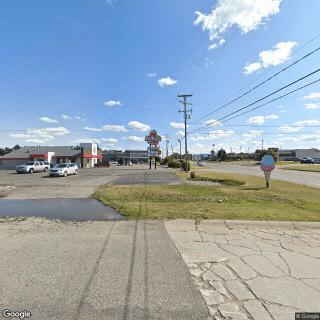
Pioneer Golden Estates is conveniently located near several amenities. There are cafes nearby for residents to enjoy a cup of coffee or grab a bite to eat. Multiple parks provide opportunities for outdoor recreation and relaxation. Pharmacies are easily accessible for any medication needs, while physicians and hospitals are close by to ensure prompt medical attention if required. Furthermore, our location offers numerous restaurants catering to various tastes, transportation options for easy travel within the area, as well as places of worship where residents can continue practicing their faith.

Overall, Pioneer Golden Estates in Clare, MI is an assisted living community that provides excellent care and amenities tailored to meet the unique needs of our residents. We strive to create a vibrant and supportive environment where seniors can lead fulfilling lives while enjoying all that the local area has to offer.

Nearby Places of Interest

Located in Clare, Michigan, this area offers a variety of amenities and services that would be convenient for seniors looking to relocate. With several pharmacies nearby such as Glen's Markets and Gateway Pharmacy, accessing medication and healthcare needs is easily accessible. There are also numerous restaurant options like Wendy's, KFC, and Culver's within close proximity for dining out. Places of worship such as Prince of Peace Lutheran Church and Clare Assembly of God provide opportunities for spiritual fulfillment. For outdoor recreation, parks like Pettit Park and Shamrock Park offer green spaces for leisurely walks. Medical care is readily available at Midmichigan Medical Center-Clare just 1.3 miles away. In addition, transportation options including U-Haul dealers are nearby for any moving needs or travel requirements. Overall, this area in Clare provides a convenient and comfortable environment for seniors looking to settle down.

Pharmacies

  • Glen's Markets (0.1 miles)
  • Gateway Pharmacy (0.9 miles)
  • Walgreens (0.9 miles)
  • Eagle Pharmacy (4.8 miles)
  • Rite Aid (4.9 miles)
  • Coleman Family Pharmacy (10.8 miles)
  • Glen's Markets Pharmacy (11.8 miles)

Restaurants

  • Wendy's (0.1 miles)
  • KFC (0.1 miles)
  • Taco Bell (0.1 miles)
  • Burger King (0.2 miles)
  • Arby's (0.2 miles)
  • Culver's (0.2 miles)
  • McDonald's (0.2 miles)

Places of Worship

  • Prince of Peace Lutheran Church (0.2 miles)
  • Clare Assembly of God (0.5 miles)
  • Clare Christ Fellowship (0.7 miles)
  • Our Lady of Hope Parish (1.1 miles)
  • Great Lakes Mennonite Church (1.2 miles)
  • Clare Congregational UCC (1.3 miles)
  • Farwell Community Church (4.6 miles)

Parks

  • Pettit Park (0.7 miles)
  • Shamrock Park (0.7 miles)
  • Rocks and Valleys Off-Road Park (8.2 miles)
  • Shingle Lake (12.5 miles)

Physicians

  • Miracle-Ear Hearing Aid Center (0.8 miles)
  • Dr Bremer's Office (1.3 miles)
  • Mid Michigan Physicians Group (1.3 miles)
  • Delgado Reden MD (1.3 miles)
  • Mid Michigan Urgent Care (1.3 miles)
  • Central Michigan Family Practice (4.4 miles)
  • Behavioral Rehabilitation Services, Incorporated (9.6 miles)

Hospitals

  • Midmichigan Medical Center-Clare (1.3 miles)
  • North Woods Nursing Center (6.7 miles)
  • Weidman Area Health Clinic (14.2 miles)
  • Beaverton Medical Center (14.5 miles)

Cafes

  • Cops & Doughnuts (1.4 miles)
  • Bean Me Up (10.8 miles)

Transportation

  • A Trophy Room (1.4 miles)
  • U-Haul Neighborhood Dealer (4.2 miles)
  • U-Haul Neighborhood Dealer (12.2 miles)

Frequently Asked Questions

Where is Pioneer Golden Estates?
Does Pioneer Golden Estates provide care for residents with dementia or Alzheimer's disease?

Nearby Communities

  • The Horizon Senior Living II

    The Horizon Senior Living II

    Clare, MI

    3.6 from 18 reviews
    $2,266 to $3,090 / month

    pro Memory-care focus with 24/7 supervision and a mental wellness program.

  • Clare Home

    Clare Home

    Clare, MI

    5 from 5 reviews
     

    pro Fully furnished, all-inclusive assisted living with meals, housekeeping, transportation for appointments, and daily activities.

  • Prestige Place II

    Prestige Place II

    Clare, MI

    4.2 from 12 reviews
     

    pro Specialized memory care programming with 24-hour supervision.

  • Prestige Place I

    Prestige Place I

    Clare, MI

    4.6 from 32 reviews
    $2,700 to $3,000 / month

    pro Clean, home-like environment with friendly staff and engaging activities.

  • Bella Home Care

    Bella Home Care

    Clare, MI

    2.3 from 3 reviews
     

    pro Excellent access to healthcare, pharmacies, parks, dining, and transportation nearby.

  • Rainbow Point Afc

    Rainbow Point Afc

    Clare, MI

    2.2 from 108 reviews
     

    pro Small, home-like community with memory care options and affordable pricing ($2,000/month).

  • Green Acres of Mt.  Pleasant

    Green Acres of Mt. Pleasant

    Mount Pleasant, MI

    4.1 from 47 reviews
    $3,600 to $4,200 / month

    pro Caring staff and a welcoming admission process.

  • Mt Pleasant Comfort Care

    Mt Pleasant Comfort Care

    Mount Pleasant, MI

    4.6 from 68 reviews
    $3,600 to $5,450 / month

    pro Kind, attentive staff in a clean, renovated community with engaging activities and well-appointed private rooms.

  • Schnepp Senior Care And Rehab Center

    Schnepp Senior Care And Rehab Center

    Saint Louis, MI

    3.5 from 22 reviews
     

    pro Extensive on-site amenities and 24/7 care services.

Related Resources

  • dementia hallucinationsDementia-Related Hallucinations: Causes, Experiences, and Practical Approaches

    Dementia, particularly Lewy body dementia, often involves hallucinations that can significantly distress both patients and caregivers due to disruptions in sensory processing and neurotransmitter imbalances. Effective management includes compassionate communication, environmental adjustments, and a multidisciplinary approach to care while addressing the emotional needs of caregivers.

  • alzheimer's factsIlluminating Insights About Alzheimer's Disease: Ten Crucial Realities

    Alzheimer’s disease is a progressive neurological disorder that significantly impacts memory and cognitive functions, accounting for 60-80% of dementia cases, with early diagnosis being crucial yet challenging. It involves brain changes like beta-amyloid plaques and tau tangles, influenced by genetic and lifestyle factors, and while there is no cure, symptom management and support for caregivers are essential.

  • list of drugs linked to dementiaA Thorough Discussion of Medications Potentially Linked to Dementia Risk

    Dementia, influenced by aging and certain medications, may be exacerbated by drug classes such as anticholinergics, benzodiazepines, and antipsychotics, which are associated with cognitive impairment. Regular medication reviews by healthcare professionals are crucial for older adults to manage risks and optimize cognitive health.