At StoryPoint Portage, the costs for various living arrangements reflect a commitment to quality care and comfortable living. For a semi-private room, residents can expect to pay $3,600 per month, which is slightly above Kalamazoo County's average of $3,435 and significantly higher than the state average of $3,191. In terms of one-bedroom apartments, StoryPoint charges $4,361, overshadowing both county and state averages at $2,890 and $3,384 respectively. Studio options are priced at $4,988 while the county rate stands at $4,565 and Michigan's average at $3,824. Lastly, for those seeking more space with a two-bedroom setup, StoryPoint's rate of $5,161 is markedly higher than Kalamazoo County's average of $2,602 and Michigan's average of $3,523. These figures indicate that while StoryPoint Portage may be pricier in comparison to local and state averages, they likely offer distinctive amenities and services that cater to the needs of their residents.
Floor plans
StoryPoint Portage
Kalamazoo County
Michigan
Semi-Private
$3,600
$3,435
$3,189
1 Bedroom
$4,361
$2,890
$3,384
Studio
$4,988
$4,565
$3,824
2 Bedrooms
$5,161
$2,602
$3,523
Memory care communities with a similar price nearby
Residents and families describe staff who are consistently kind and helpful.
Across many reviews, families say the staff is caring, attentive, and professional, including during emotional move-ins and day-to-day needs. Multiple reviewers mention that staff respond when concerns come up and that leadership follows through. In memory care, residents’ families specifically describe staff taking excellent care as dementia progresses.
common
Clean, well-maintained environment
Reviews repeatedly highlight a clean, neat facility and common areas.
Many reviewers say the building is clean and well kept, with interiors that feel bright and maintained. Some also point to apartment cleanliness and housekeeping routines, while a smaller set of comments mention isolated cleaning or communication problems. Overall, cleanliness is one of the most consistently mentioned day-to-day positives.
common
Dining is a frequent bright spot
Food quality and variety are a consistent theme in resident experiences.
Dining comes up often, with reviews describing meals as tasty and restaurant-like, including feedback about the chef and food preparation. Several reviewers also mention dietary support, saying the community handles dietary issues and can accommodate special needs. A minority of reviews express mixed opinions about specific meals, including complaints about meal service timing or declines after changes.
common
Activities help residents stay engaged
Residents and visitors describe a calendar full of activities.
Many reviews say there is plenty to do, from daily activities to social events like music and exercise classes. Families mention residents building friendships and participating in community life, including outings and resident groups. Even in reviews that focus on moving in, people often describe activities as part of what helped residents settle.
differentiator
Care support spans assisted and memory
Families describe structured support for memory care and aging-related needs.
Several reviews specifically reference dementia care and memory care, with families saying the community provides meaningful support as needs change. Others mention additional care coordination during transitions, including hospice-related support integrated into daily care plans. At the same time, a small number of negative reviews raise concerns about staffing levels and communication, including incidents where families felt care planning was not handled as expected.
caveat
High costs and staffing concerns
Cost and staffing issues show up in multiple critical reviews.
Pricing is a recurring concern, with several reviewers calling it expensive or suggesting value does not match the cost, including comments about service declines and menu or service problems. Staffing-related criticism also appears, including claims of understaffing, call button delays, communication gaps, and high turnover. These concerns are not universal, but they are frequent enough to temper the otherwise positive reports.
How we summarize
We summarize when many written reviews mention each theme; a review can touch several themes, and only frequently mentioned themes are displayed.
Features
Housing
52 resident community capacity
1-bedroom apartments
2-bedroom apartments
Studio apartments
Types of Care
Assisted Living
Independent Living
Memory Care
Respite Care
Pets
Cats allowed
Dogs allowed
Amenities
Activities on-site
Air-conditioning
Beautician on-site
Beauty salon
Cable or satellite TV
Cafe
Computer center
Devotional services off-site
Dining room
Family private dining rooms
Fireplaces
Fitness room
Full kitchen
Fully furnished
Gaming room
Garden
Ground floor units
Guasts at mealtime
Handicap accessible
Housekeeping services
Indoor common areas
Kitchenette
Located close to shopping centers
Move-in coordination
On-site market
Outdoor common areas
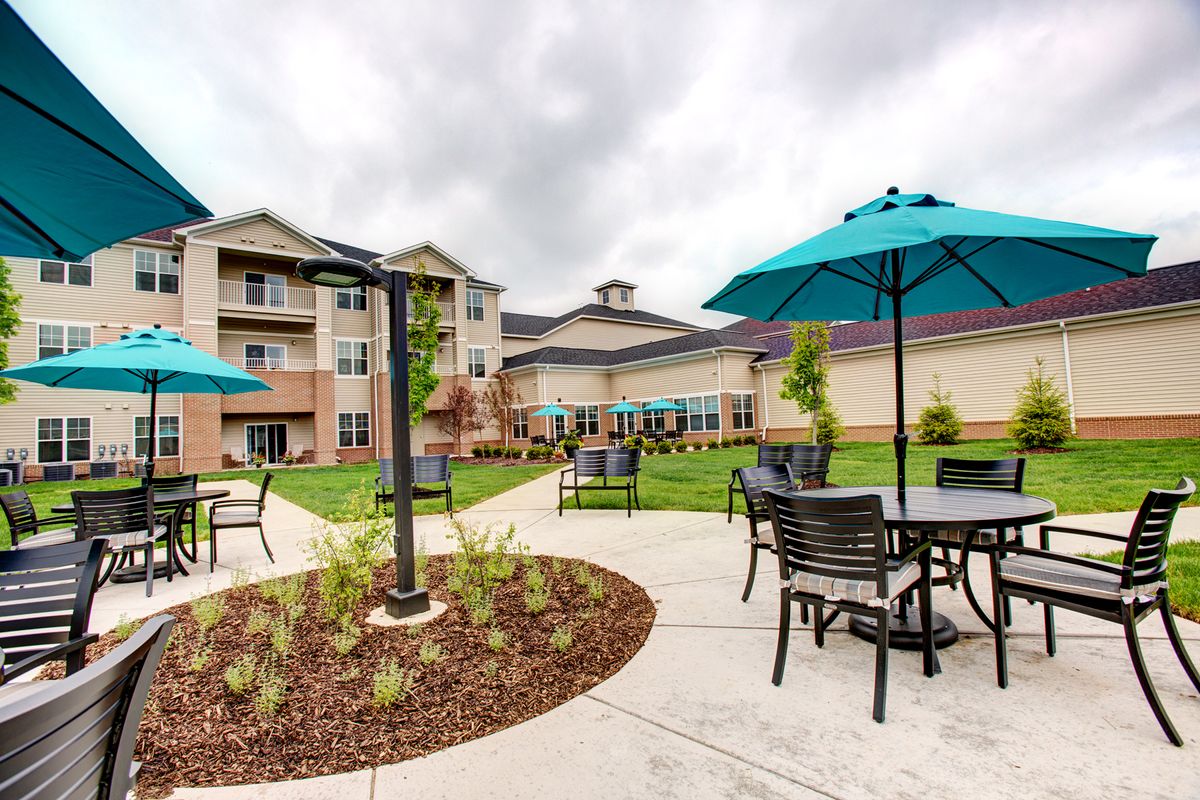
Outdoor patio
Outdoor space
Pet friendly
Private bathrooms
Resident parking
Respite or short term stays offered
Restaurant-style dining
Small library
Telephone
Wellness center
Wheelchair accessible showers
Wi-Fi/high-speed internet available
Transportation
Kalamazoo County (4 miles away)
Community operated transportation
Transportation arrangement
Transportation arrangement (non-medical
Transportation arrangement (non-medical)
Care Services
12-16 hour nursing
24-hour call system
24-hour supervision
Activities of daily living assistance
Assistance with bathing
Assistance with dressing
Assistance with transfers
Coordination with health care providers
Dementia waiver
Diabetes diet
Diabetic care
Hospice waiver
Incontinence care
Meal preparation and service
Medication management
Mental wellness program
Mild cognitive impairment
Special dietary restrictions
Specialized memory care programming
Transportation arrangement (medical)
Transportation to doctors appointments
Dining
Anytime dining
Diabetes diet
Gluten-free
Guest meals
International cuisine
Low / no sodium
Meals provided
No Sugar
Organic
Professional chef
Restaurant style dining
Room service
Special dietary restrictions
Vegan
Activities
Activities off-site
Activities on-site
Art classes
BBQs or picnics
Community-sponsored activities
Concierge services
Day trips and outings
Devotional activities offsite
Educational speakers / life long learning
Fitness programs
Happy hour
Live dance or theater performances
Live musical performances
Planned day trips
Religious services
Resident-run activities
Scheduled daily activities
Stretching classes
Tai Chi
Yoga / chair yoga
Languages Spoken
English
Nearby Places of Interest
This part of Portage, Michigan offers a convenient and bustling neighborhood with a variety of amenities nearby. The area is surrounded by parks such as Westfield Park and Texas Drive Park, perfect for enjoying the outdoors and staying active. For those seeking spiritual fulfillment, Valley Family Church and Southern Heights Christian Reformed Church are both within a few miles. Medical care is readily available with several physicians, hospitals, and pharmacies in close proximity. Dining options include Martell's, Moors Grille Room, and Fieldstone Grill for enjoyable meals out. Additionally, there are several cafes like Starbucks and Biggby Coffee for socializing over a cup of coffee. And for entertainment, Celebration Cinema is just a short drive away. Overall, this area provides a well-rounded community with everything one may need for comfortable senior living.
Parks
Westfield Park (0.4 miles)
Texas Drive Park (2.7 miles)
Places of Worship
Valley Family Church (1 miles)
Southern Heights Christian Reformed Church (2.3 miles)
Physicians
Kalamazoo Nerve Center (1.3 miles)
Southwest Michigan Dermatology (2.1 miles)
Kalamazoo Nerve Center (2.1 miles)
Kalamazoo Anesthesiology Pain Clinic PC (2.2 miles)
Dr Keith Cohrs DDS (2.2 miles)
Bronson Gastroenterology Portage (2.2 miles)
Gastroenterology of Southwest Michigan (2.2 miles)
At StoryPoint Portage, the costs for various living arrangements reflect a commitment to quality care and comfortable living. For a semi-private room, residents can expect to pay $3,600 per month, which is slightly above Kalamazoo County's average of $3,435 and significantly higher than the state average of $3,191. In terms of one-bedroom apartments, StoryPoint charges $4,361, overshadowing both county and state averages at $2,890 and $3,384 respectively. Studio options are priced at $4,988 while the county rate stands at $4,565 and Michigan's average at $3,824. Lastly, for those seeking more space with a two-bedroom setup, StoryPoint's rate of $5,161 is markedly higher than Kalamazoo County's average of $2,602 and Michigan's average of $3,523. These figures indicate that while StoryPoint Portage may be pricier in comparison to local and state averages, they likely offer distinctive amenities and services that cater to the needs of their residents.
The comprehensive features offered by StoryPoint Portage are designed to enhance the quality of life for residents with dementia or Alzheimer's disease. Continuous 24-hour supervision ensures safety and security, while assistance with activities of daily living--such as bathing, dressing, and transfers--promotes dignity and comfort. The coordination with healthcare providers guarantees that medical needs are met in a timely manner, aided by services like medication management and incontinence care. Nutritional support through meal preparation caters to dietary needs, and specialized memory care programming engages residents mentally and emotionally, fostering connections to their pasts despite cognitive challenges. Additionally, transportation arrangements for medical appointments facilitate access to necessary health services, further supporting residents' overall well-being amidst their struggles with mild cognitive impairment or more advanced stages of dementia.
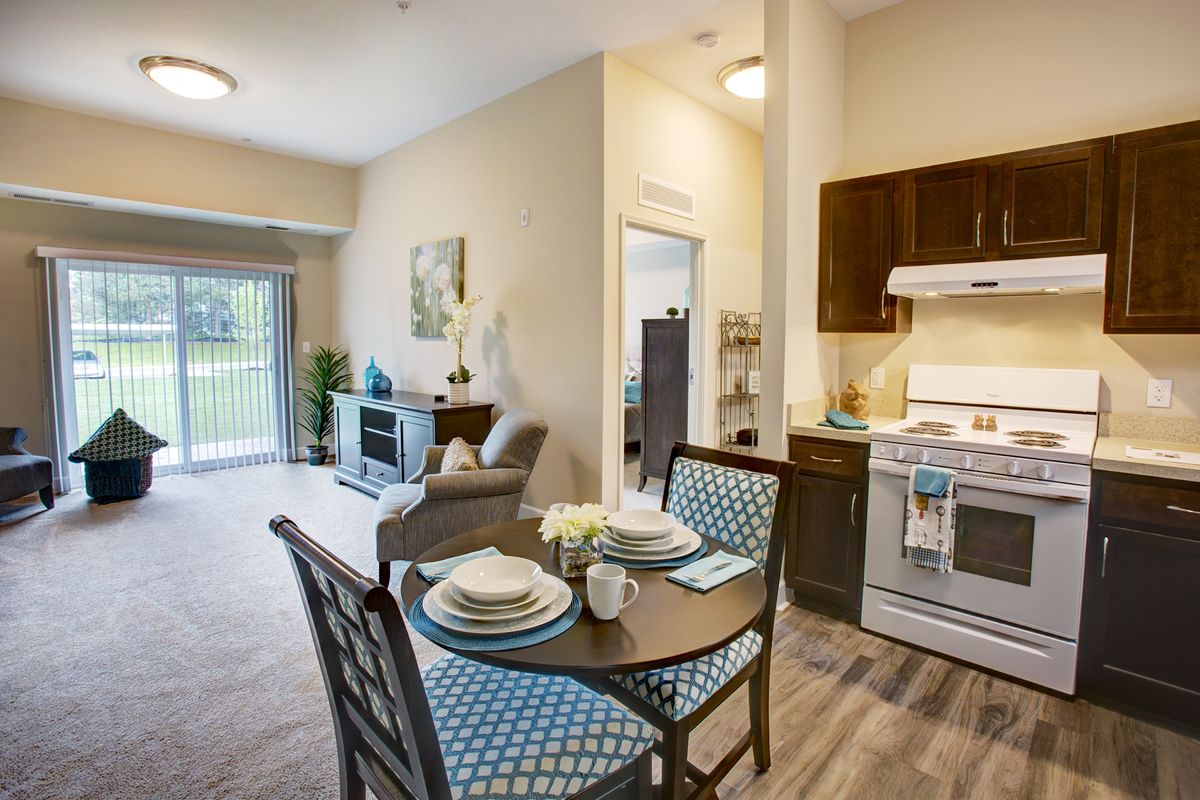
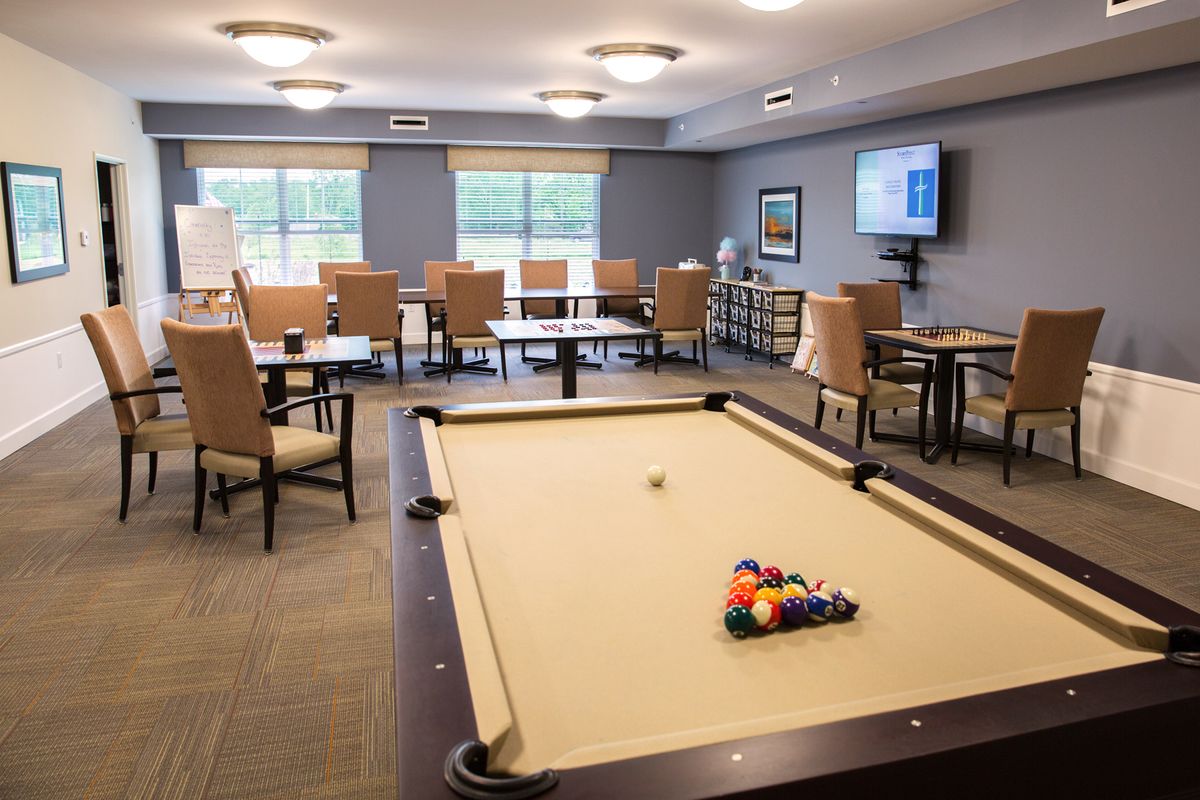
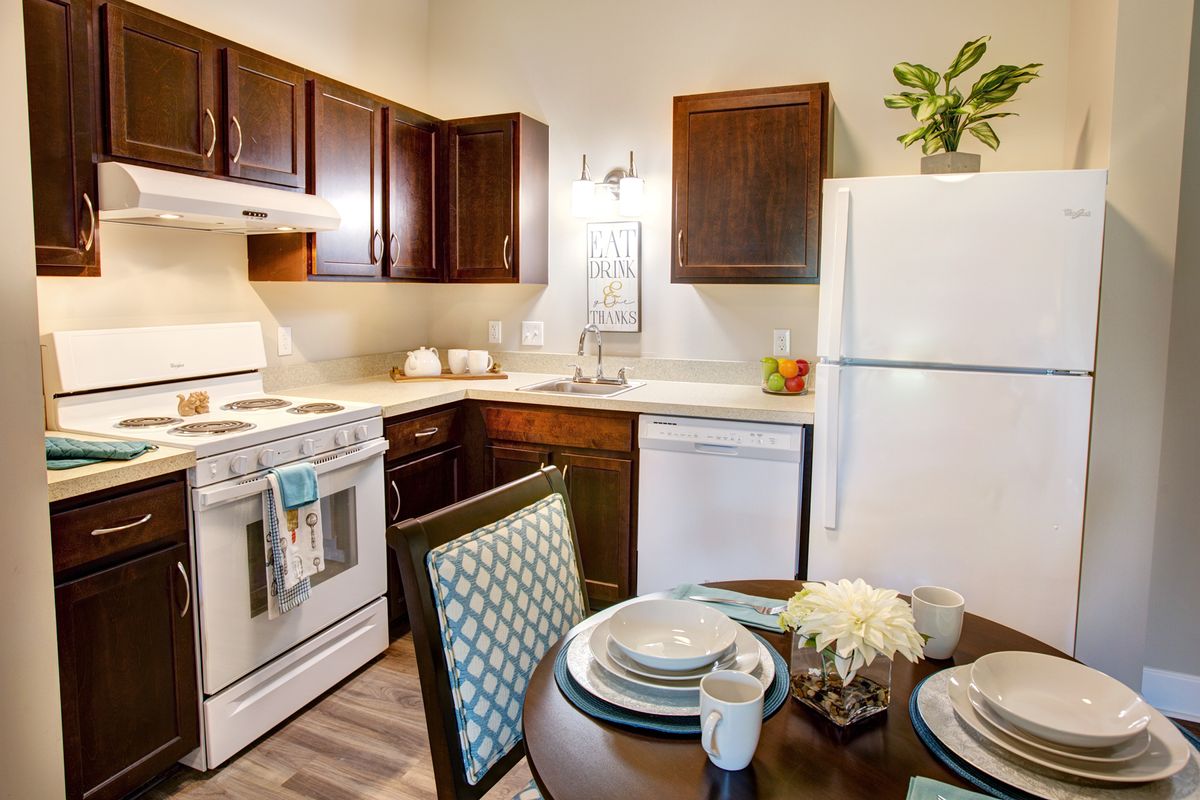
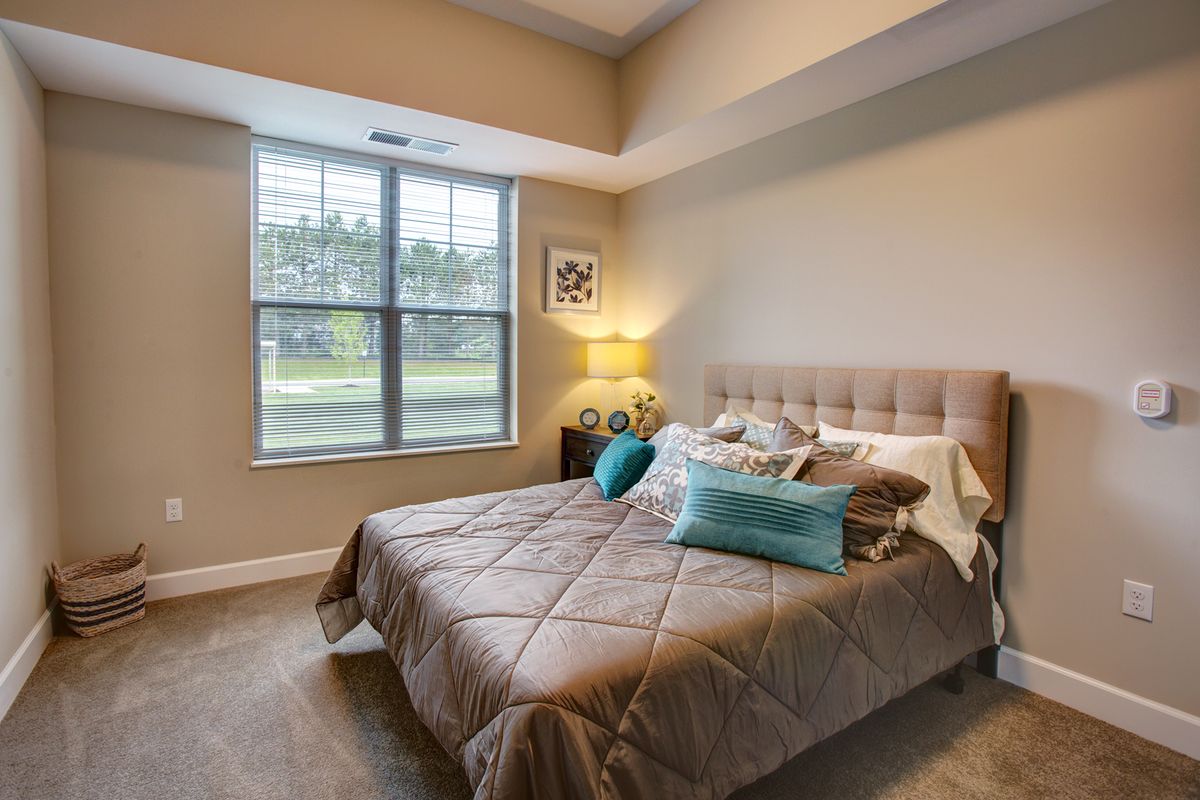
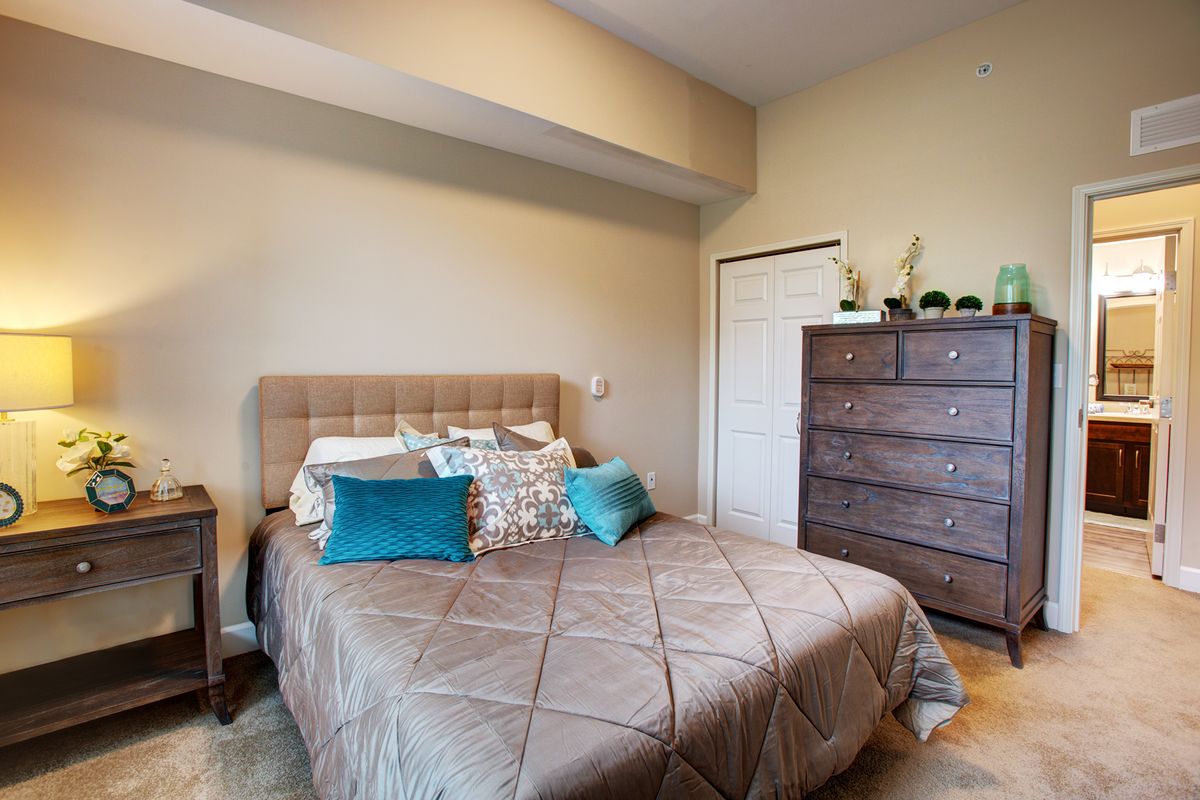
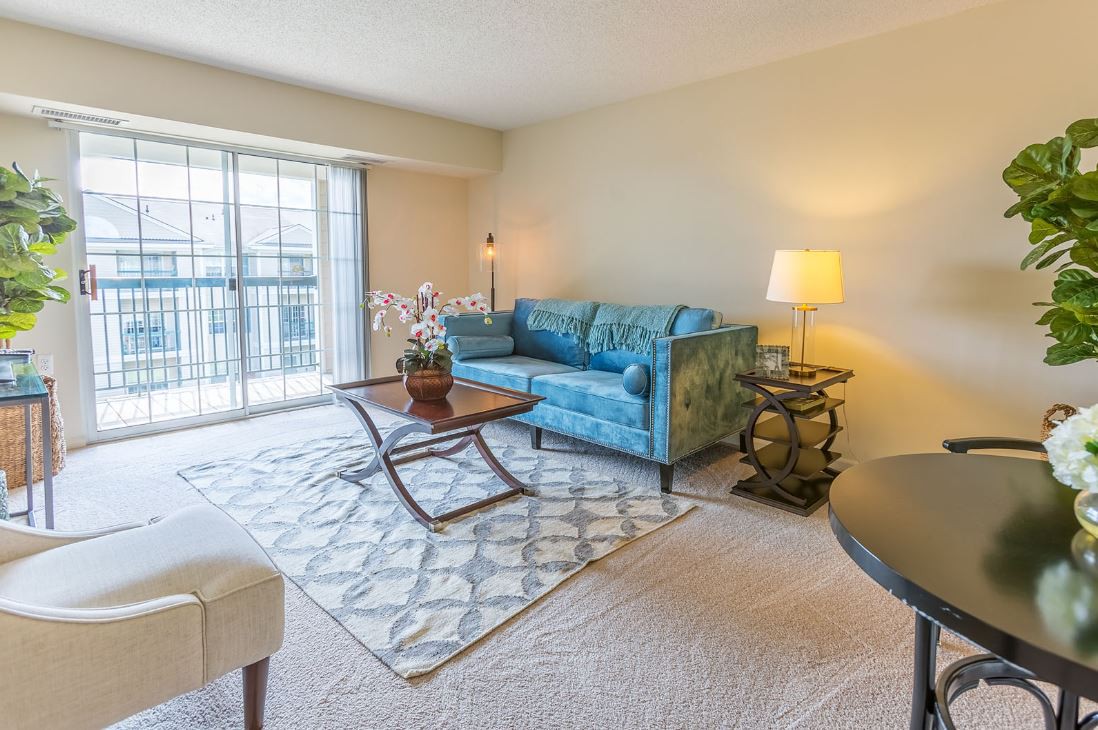
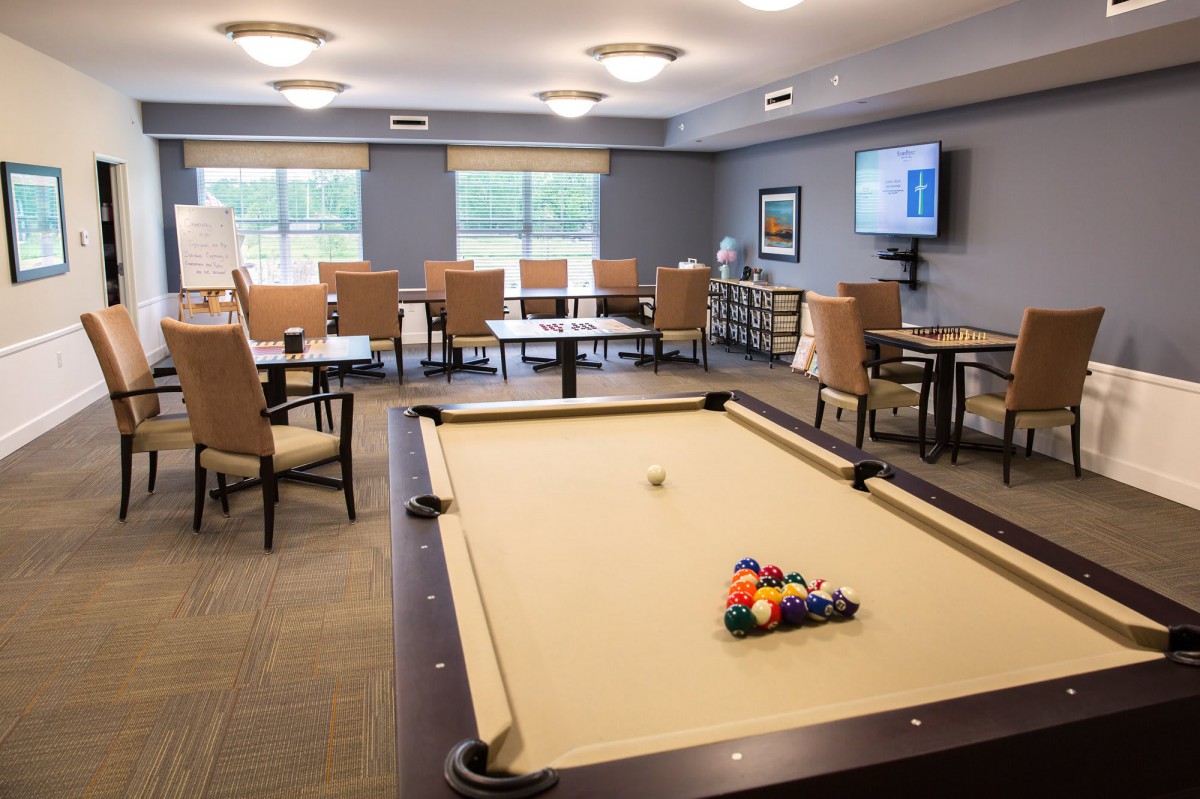
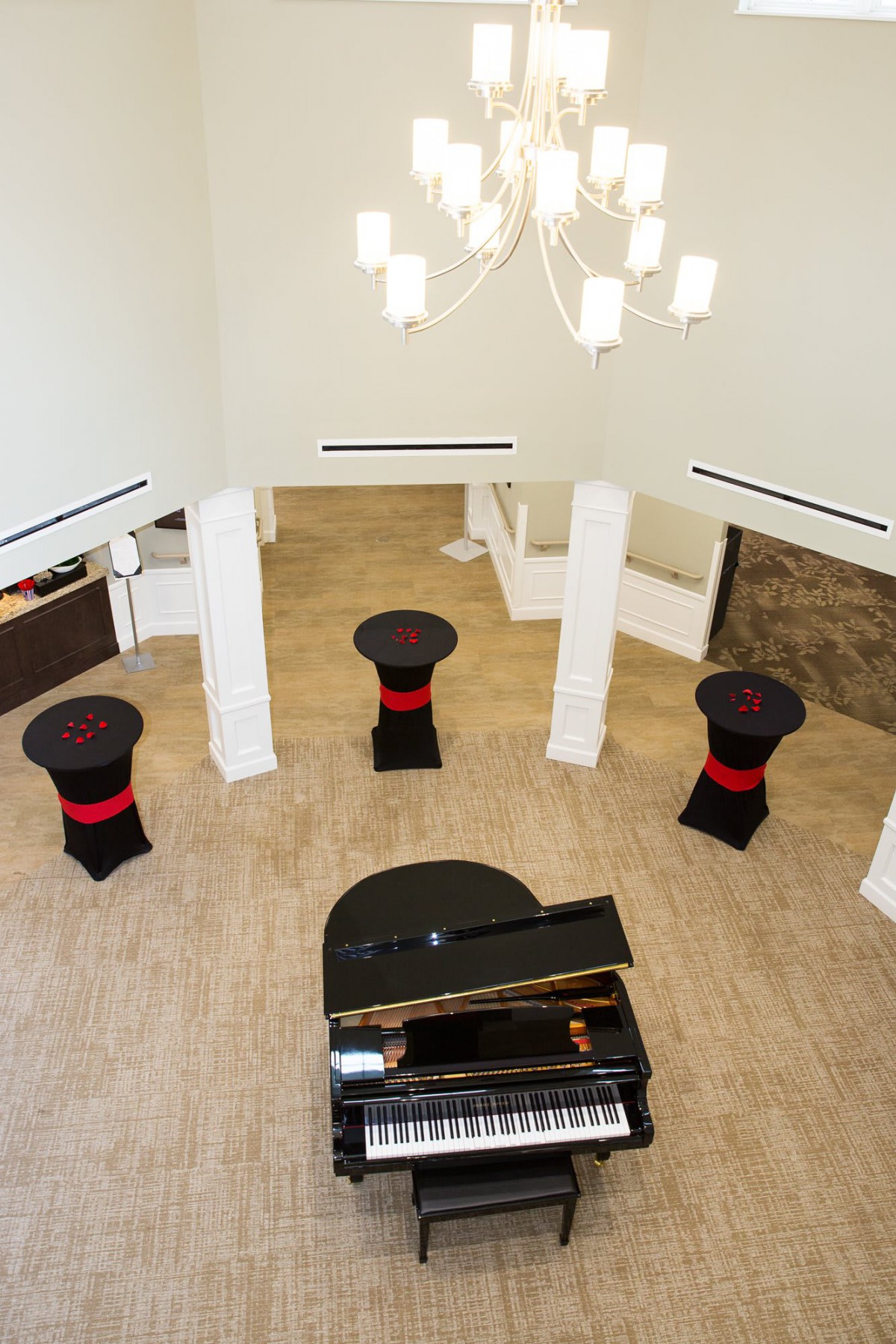
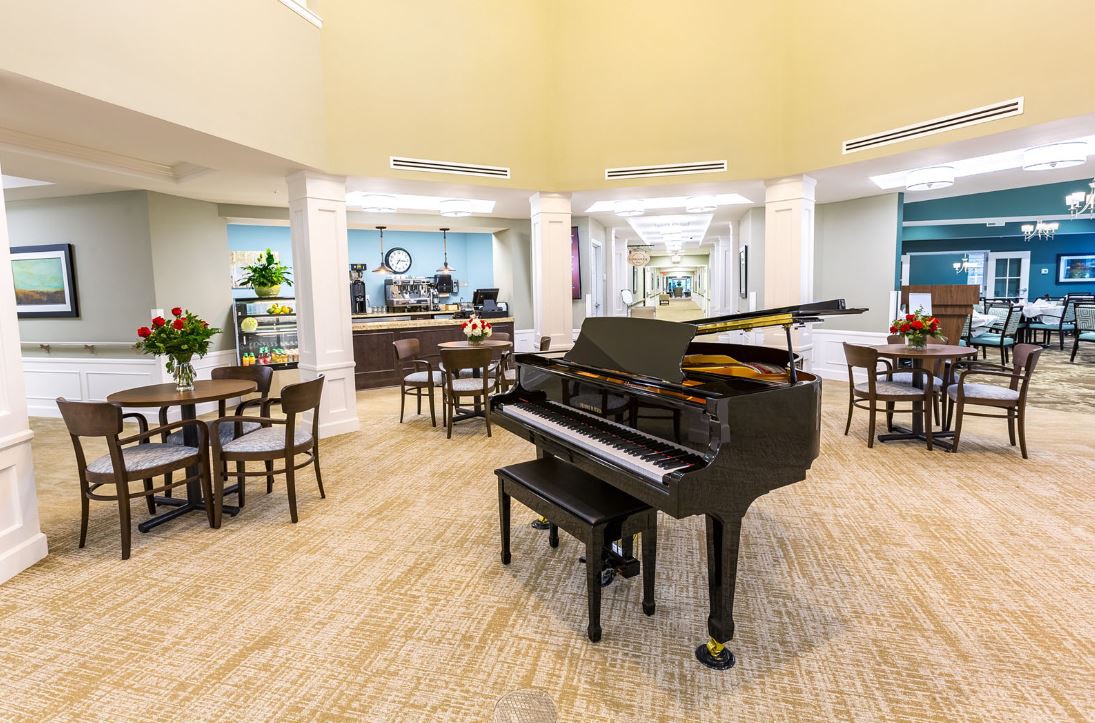
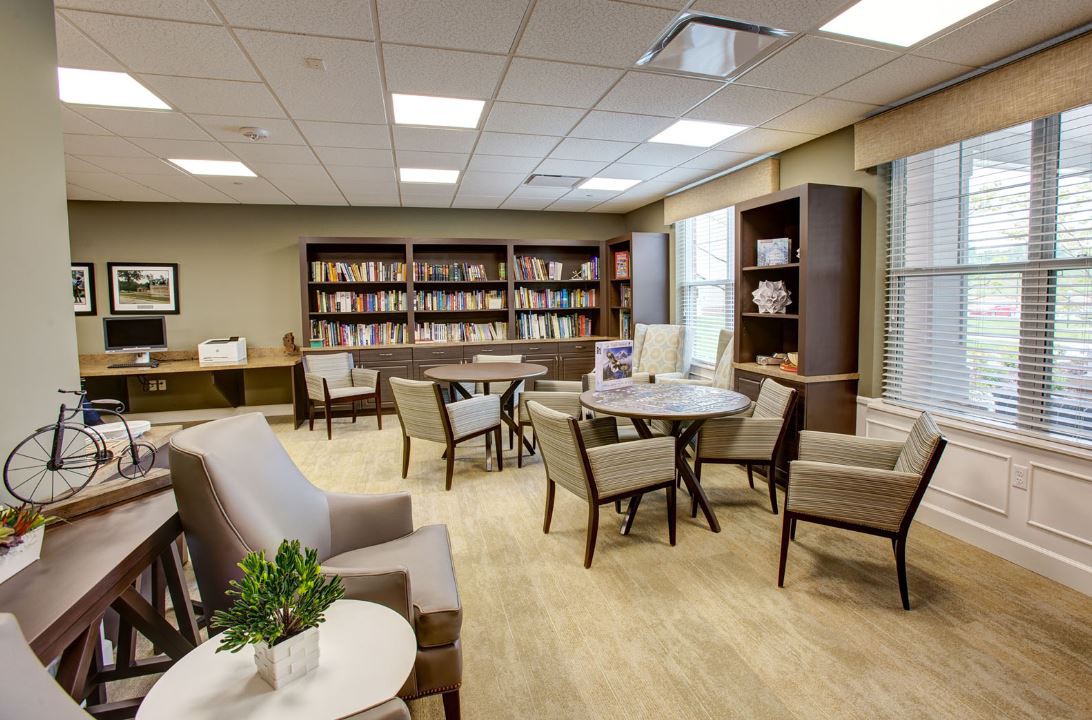
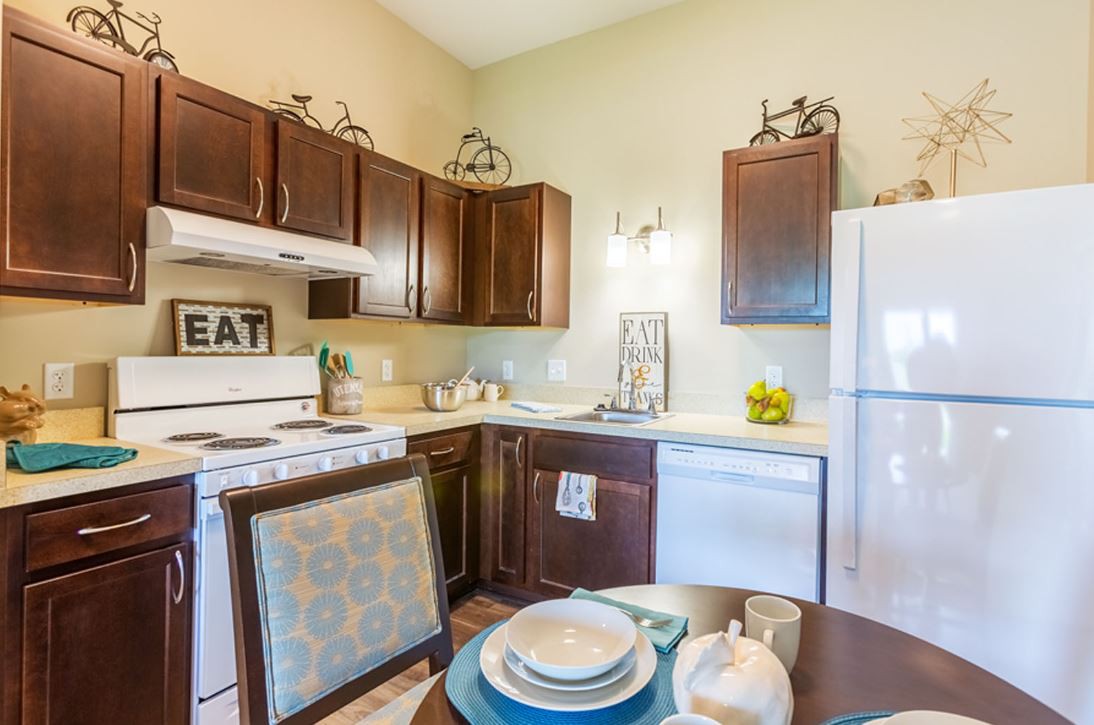
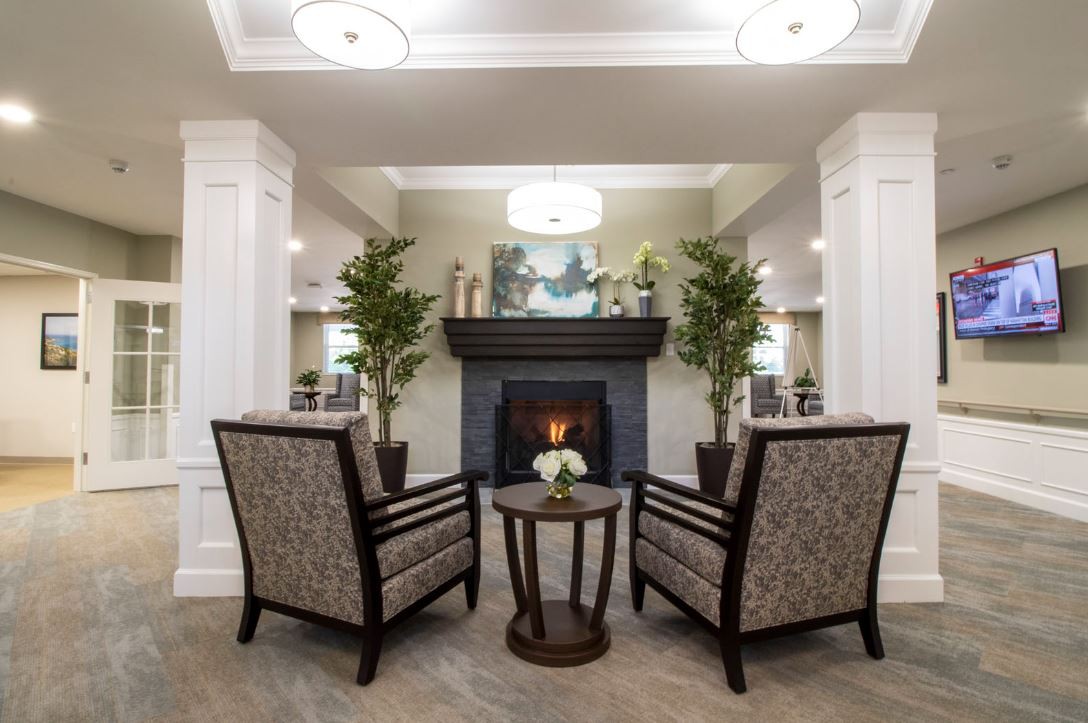
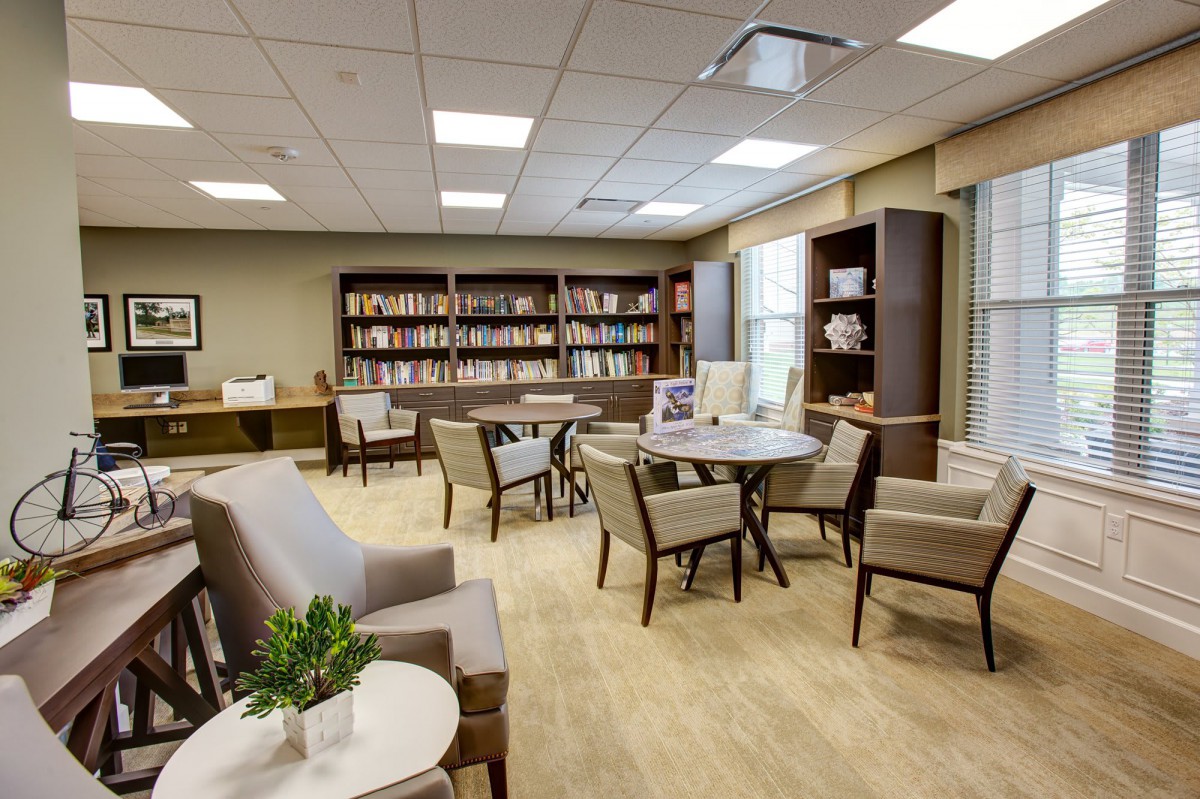
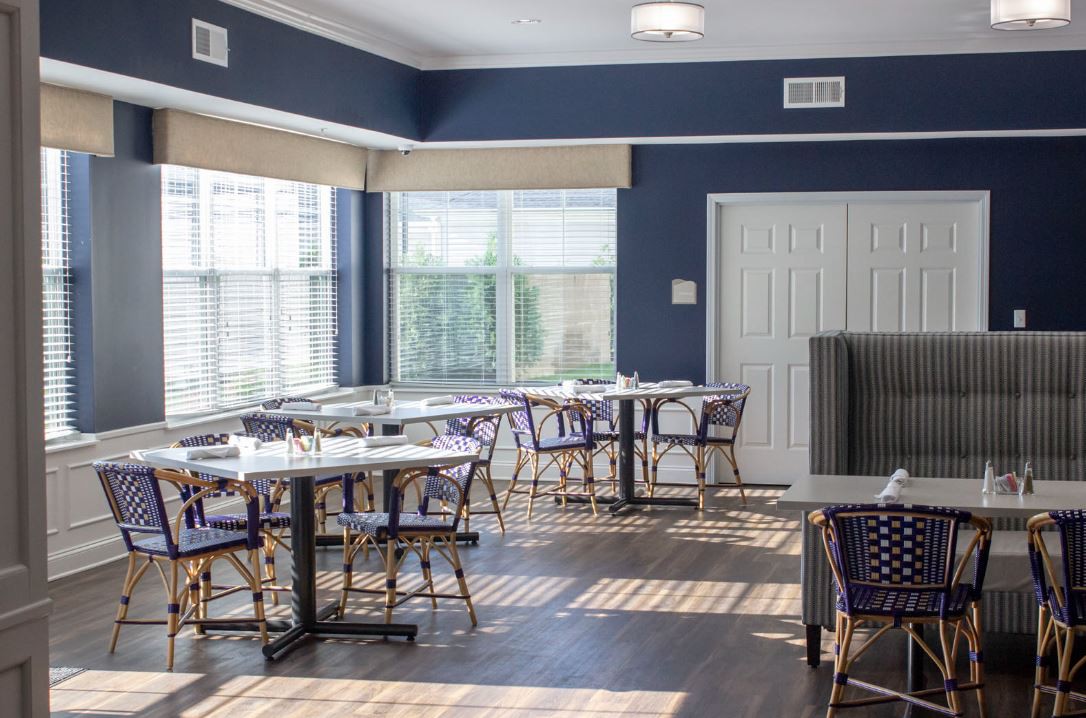
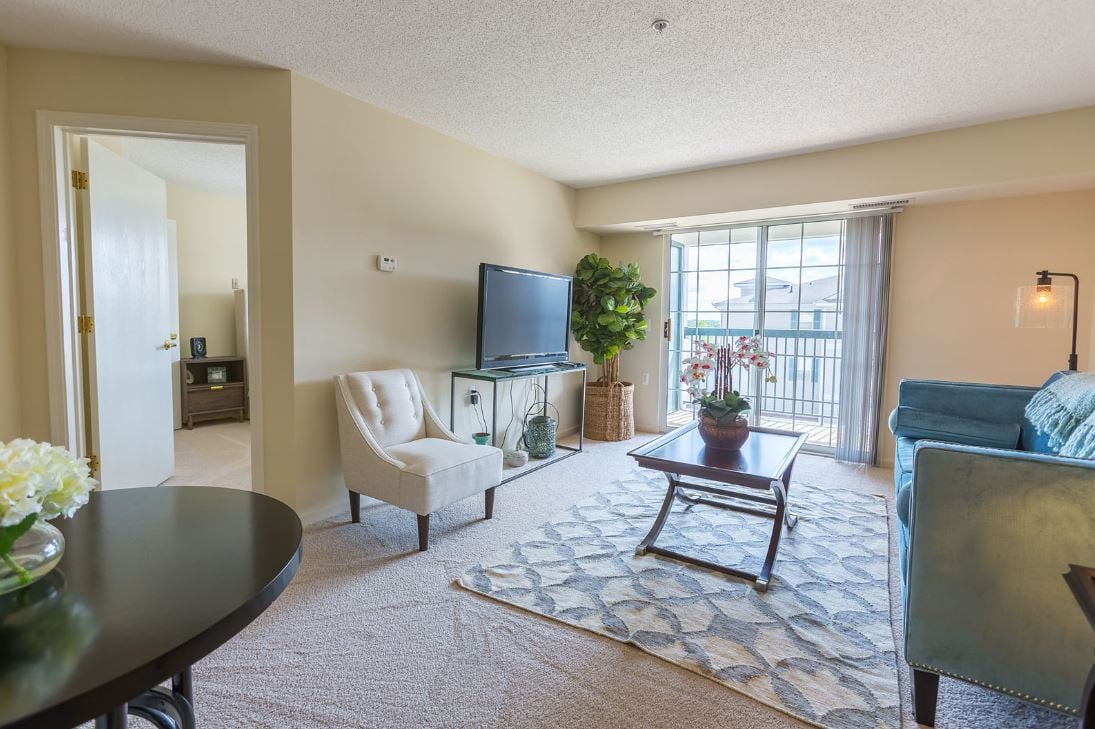
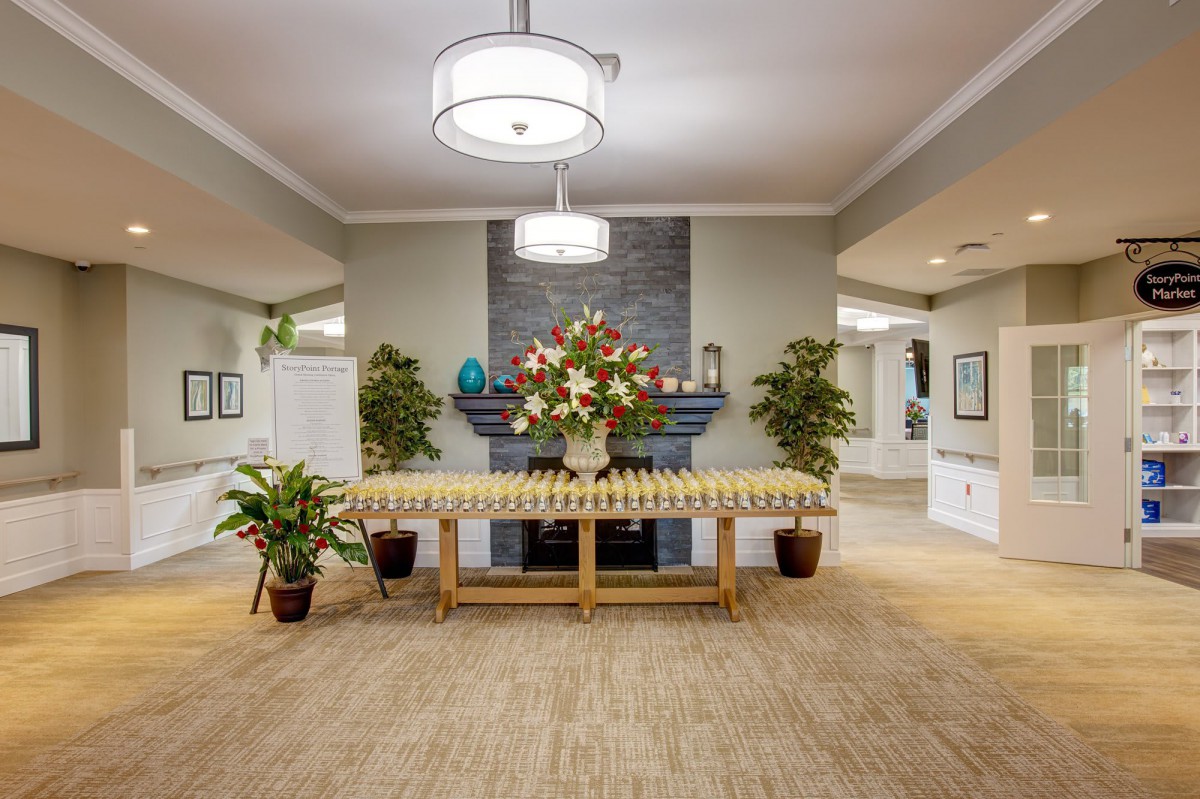
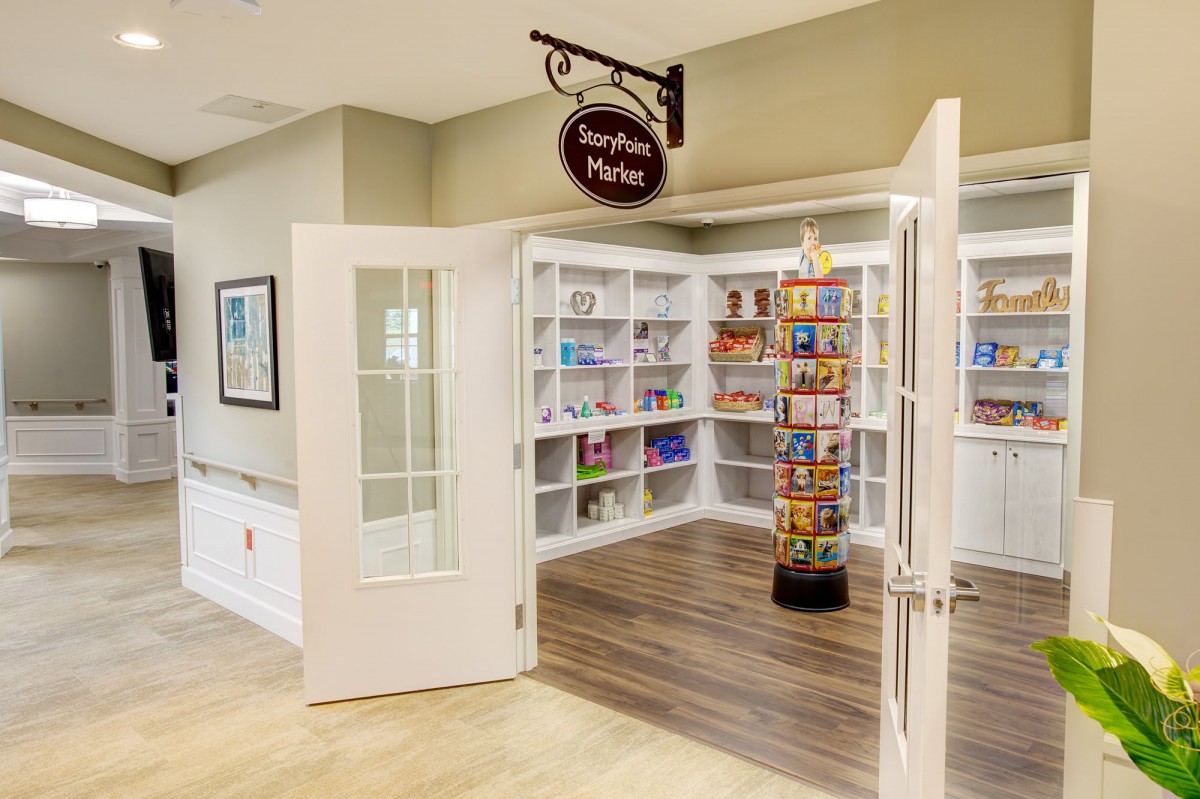
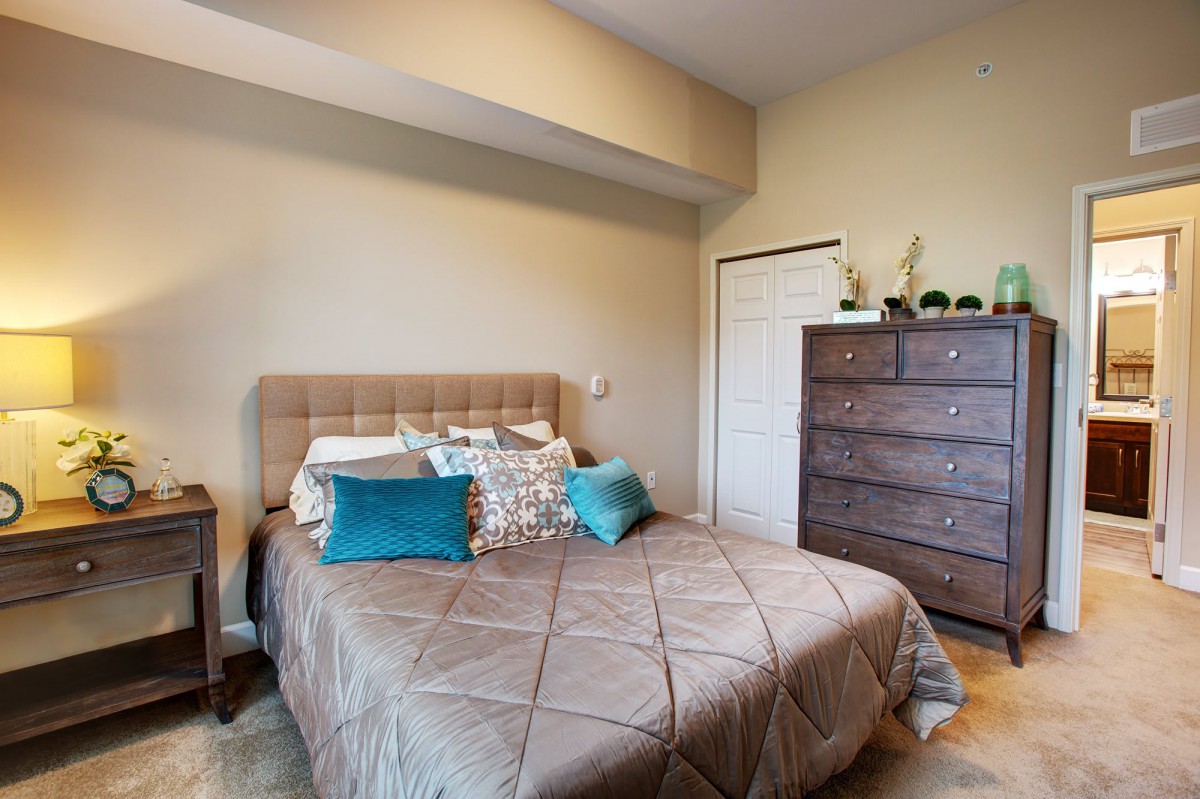
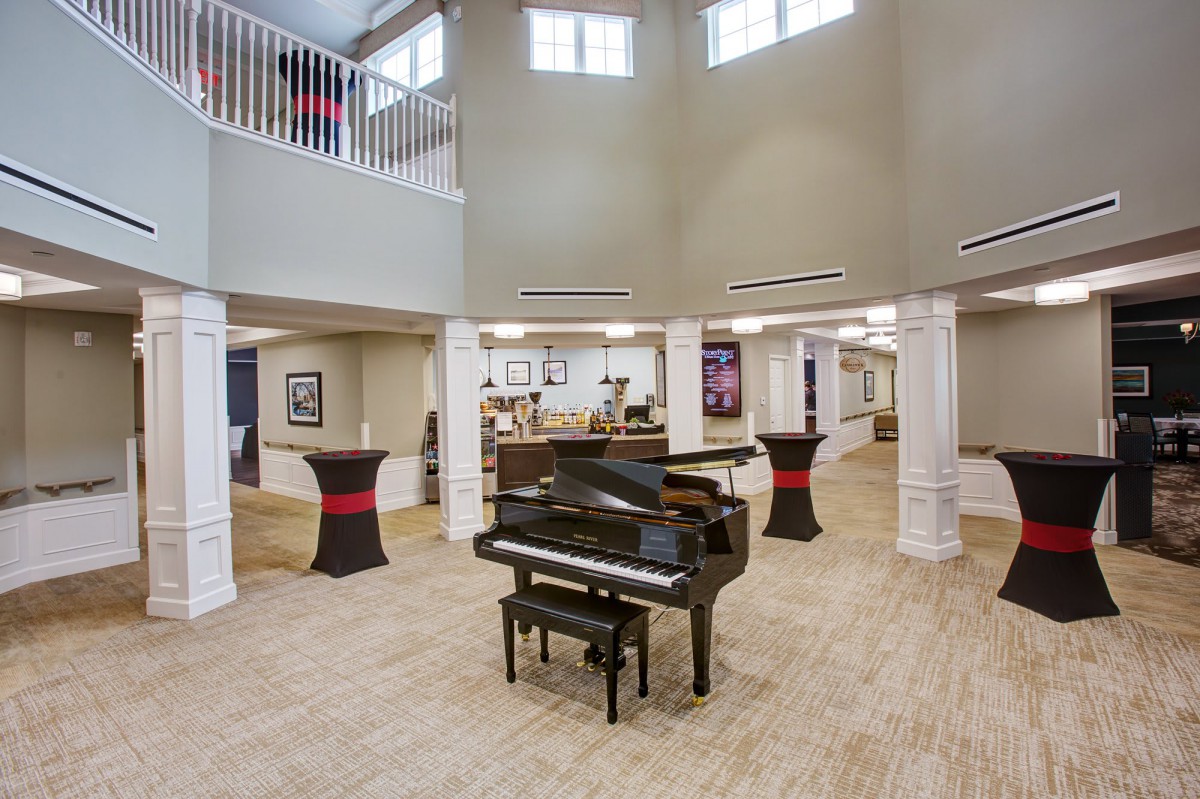
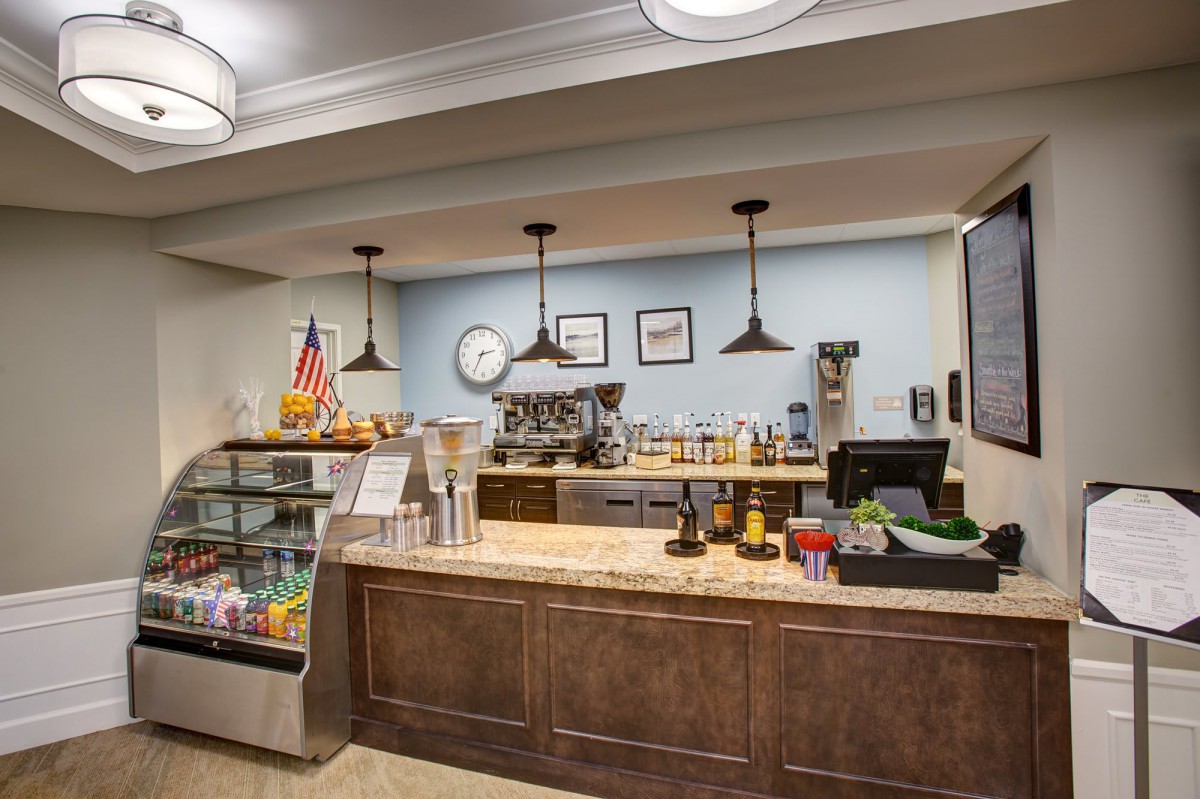
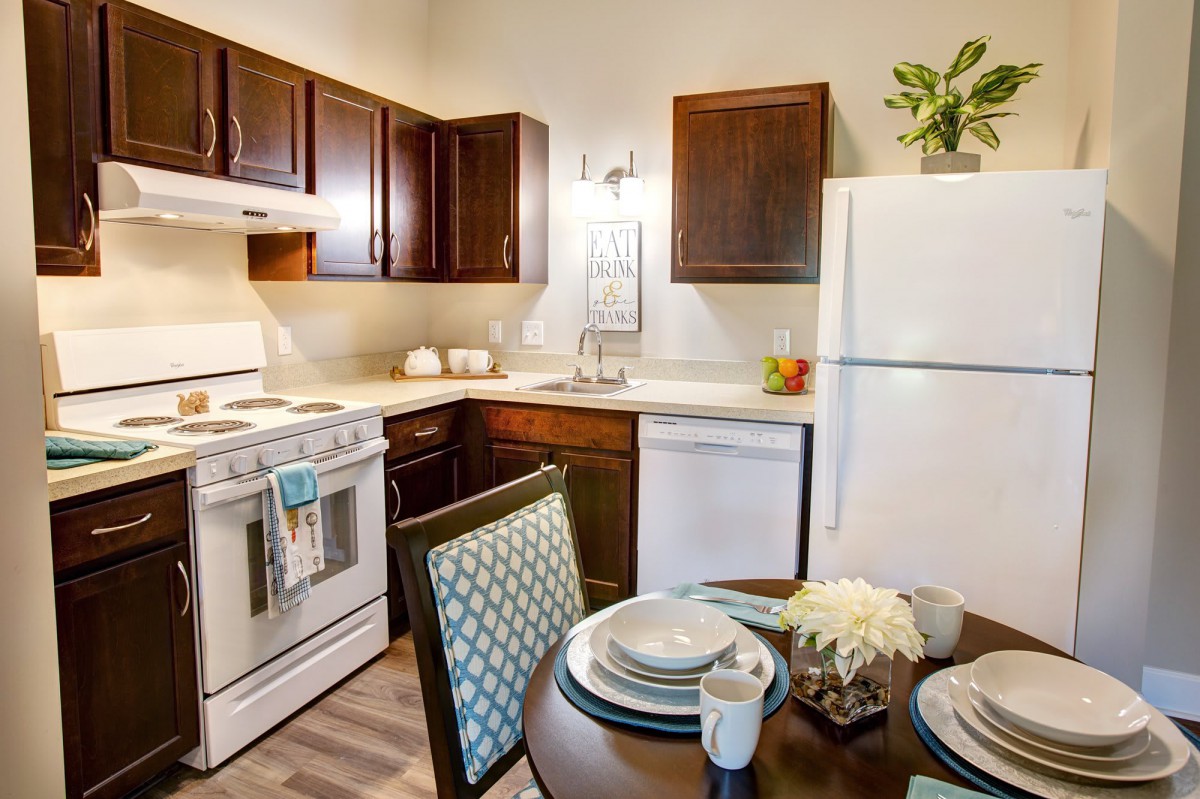
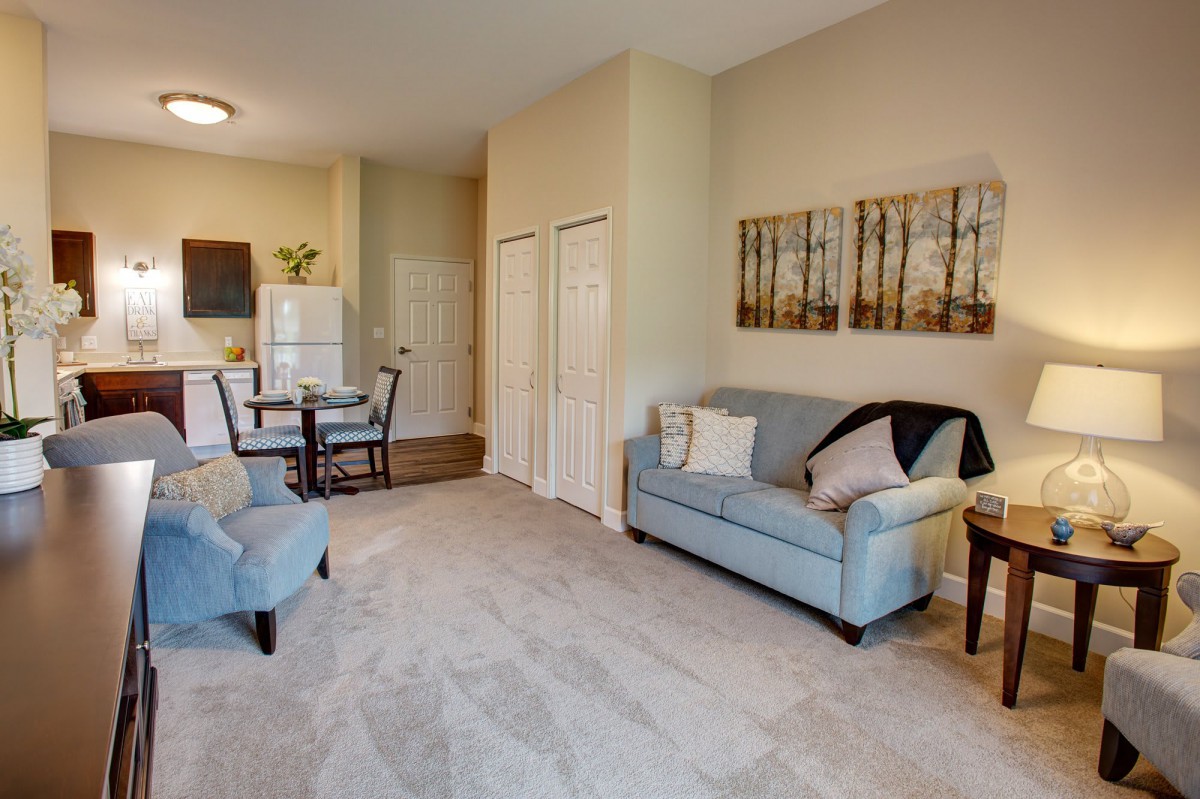
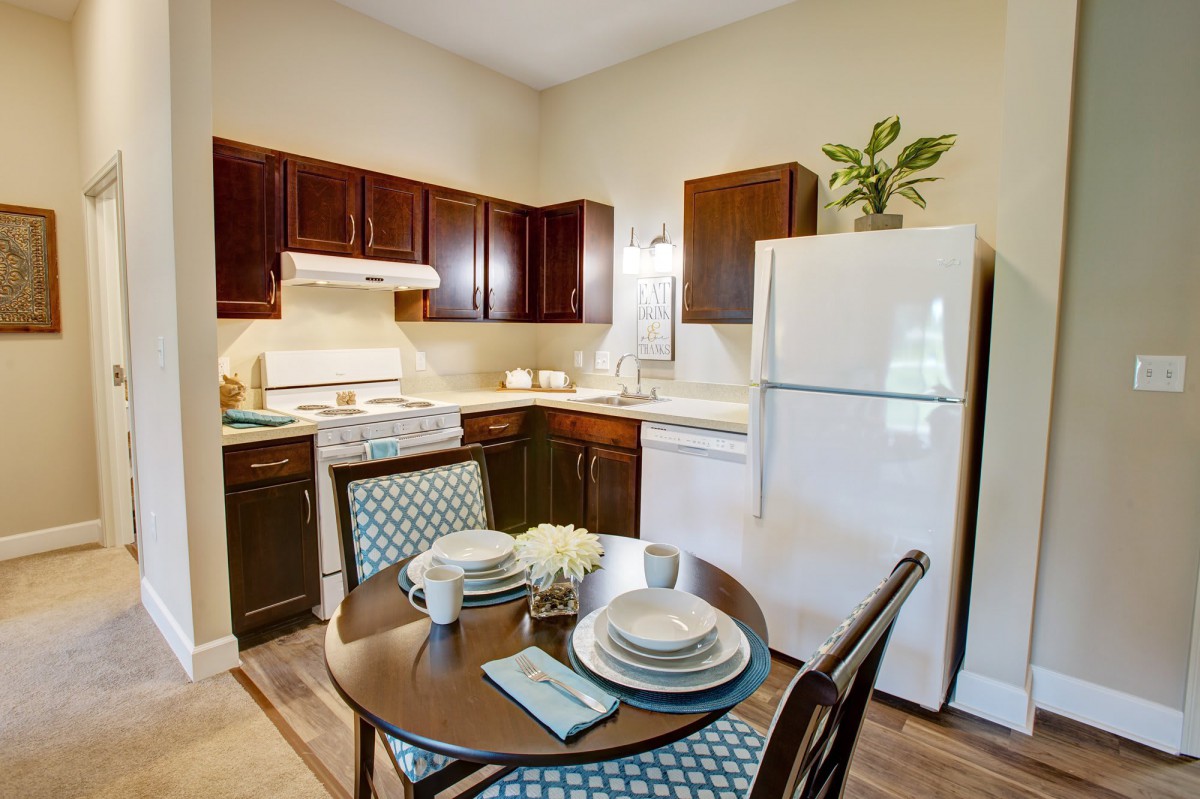
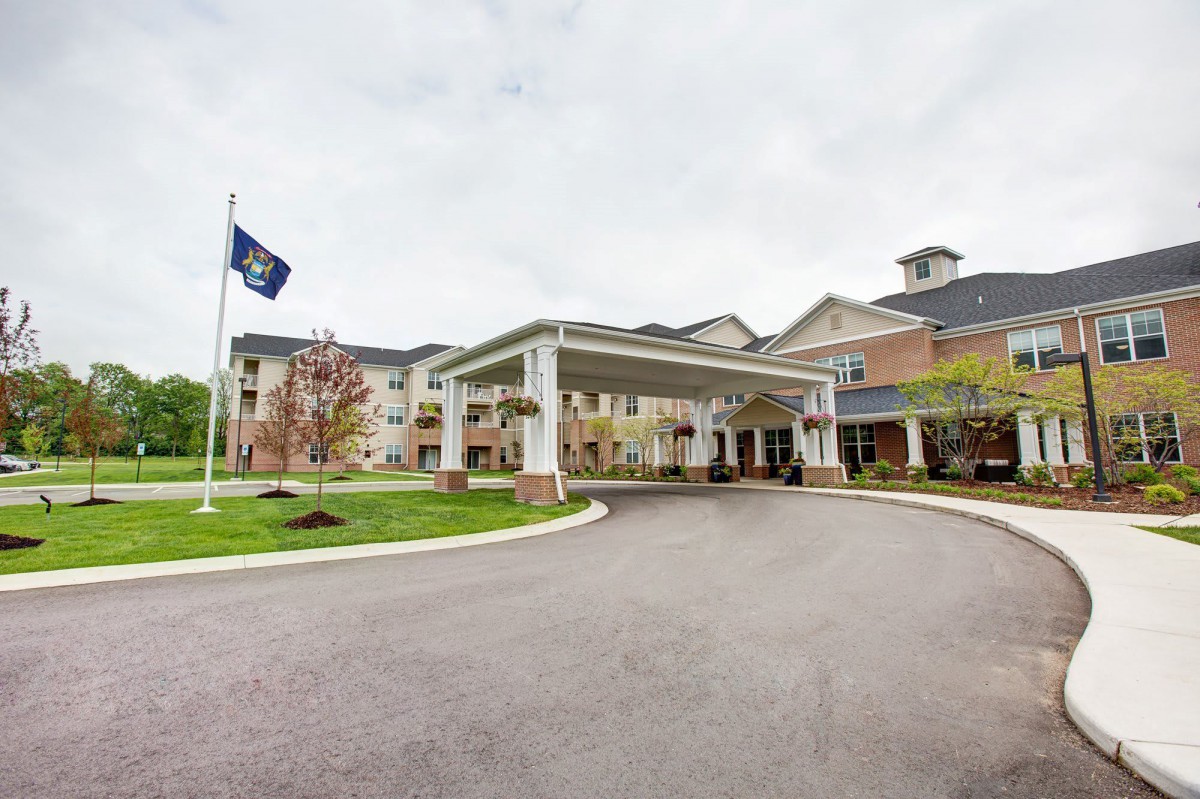
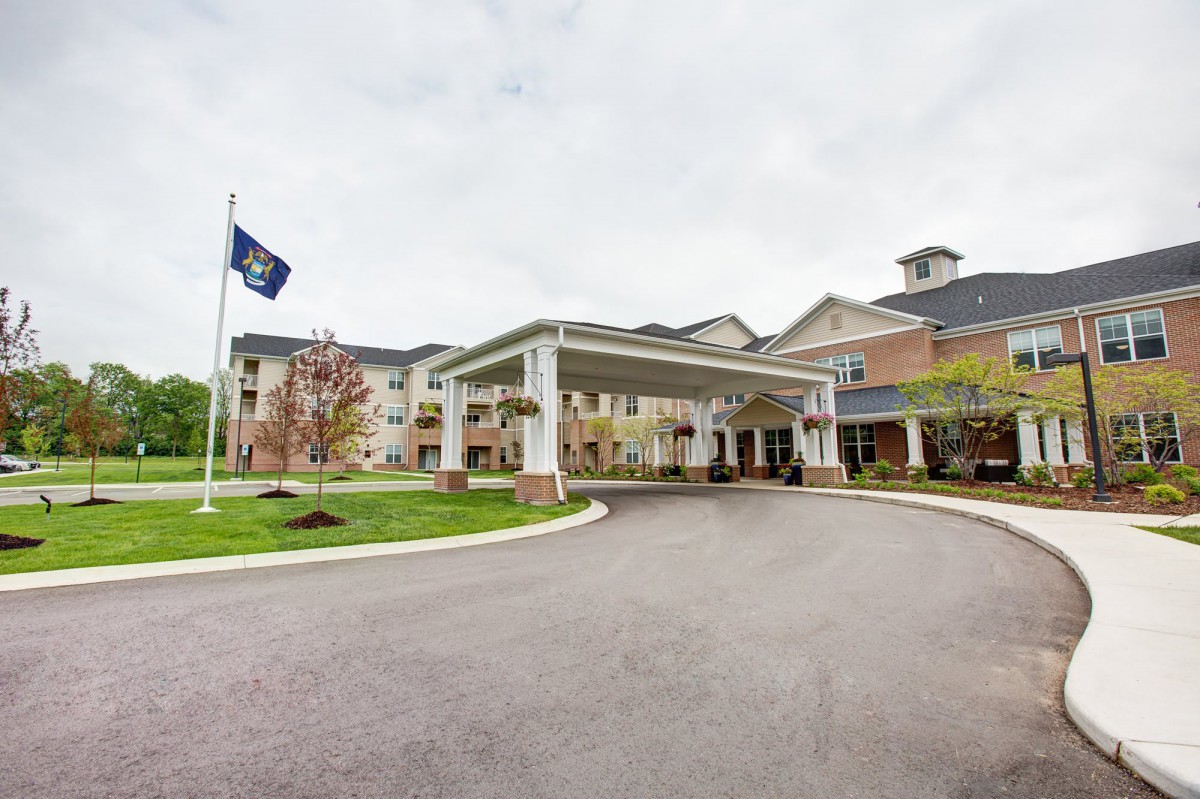
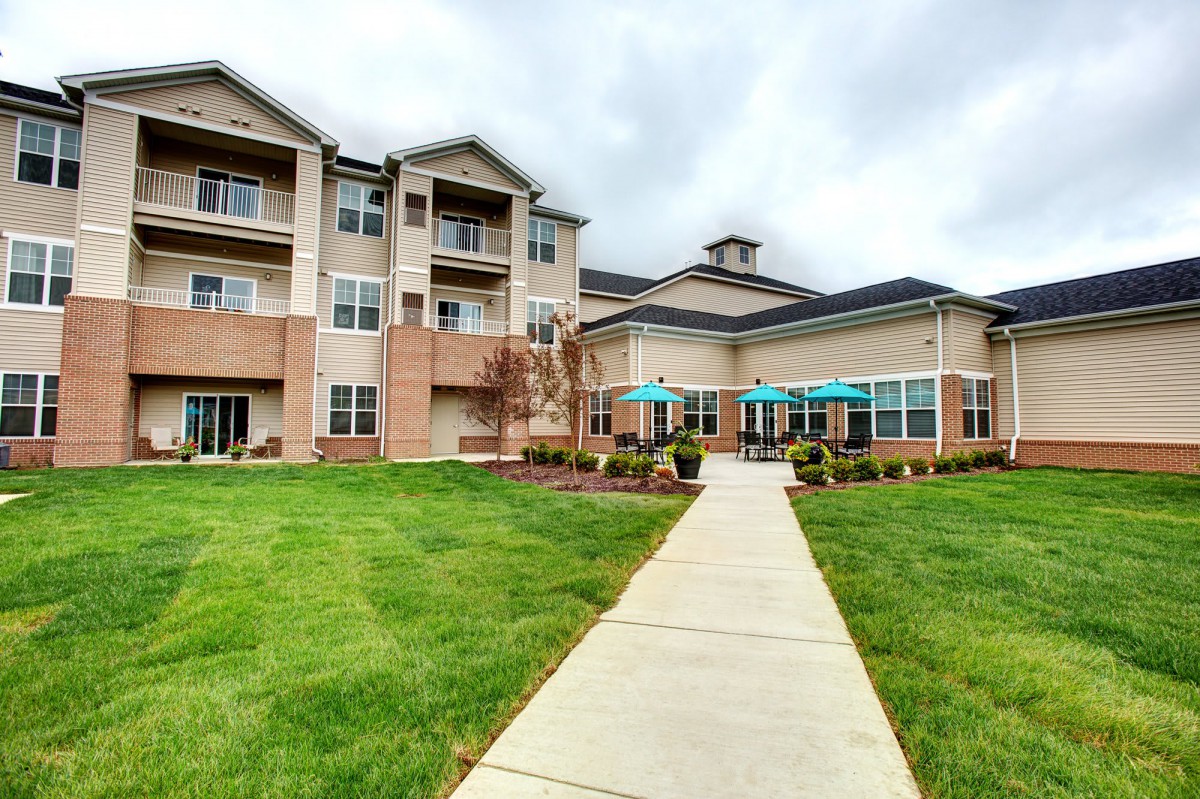
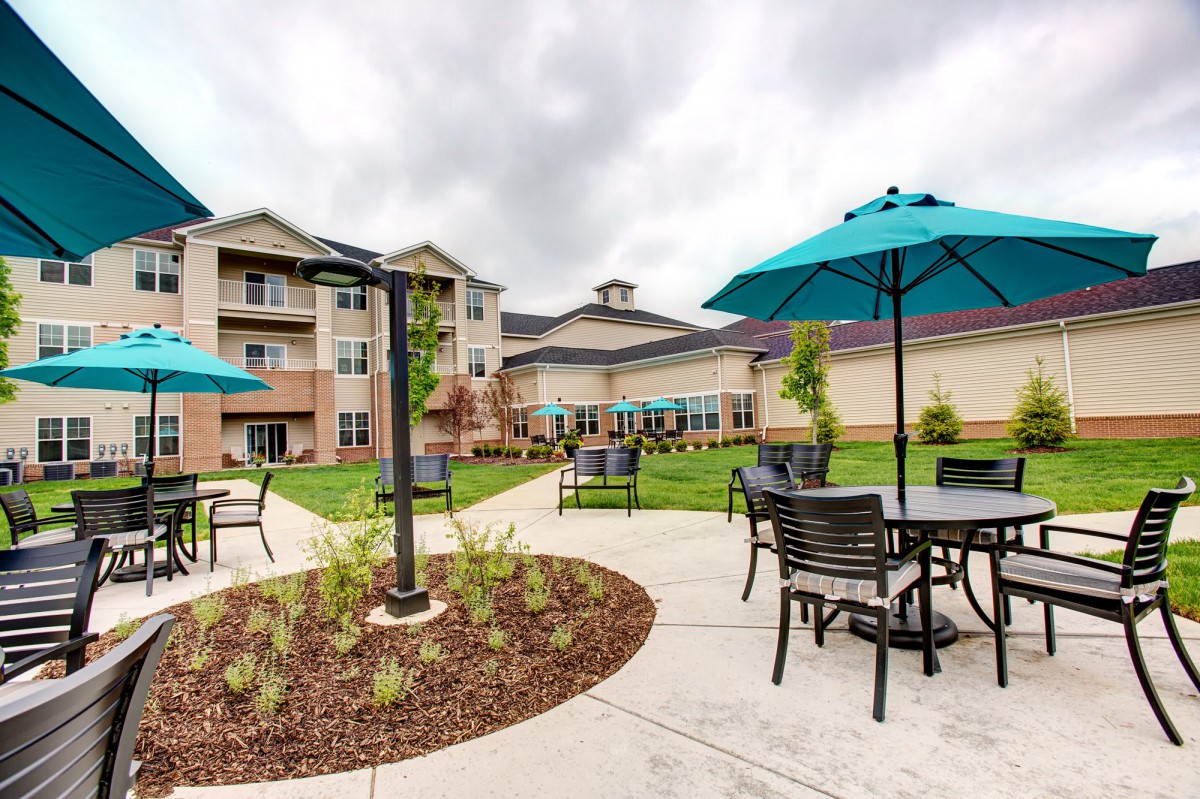
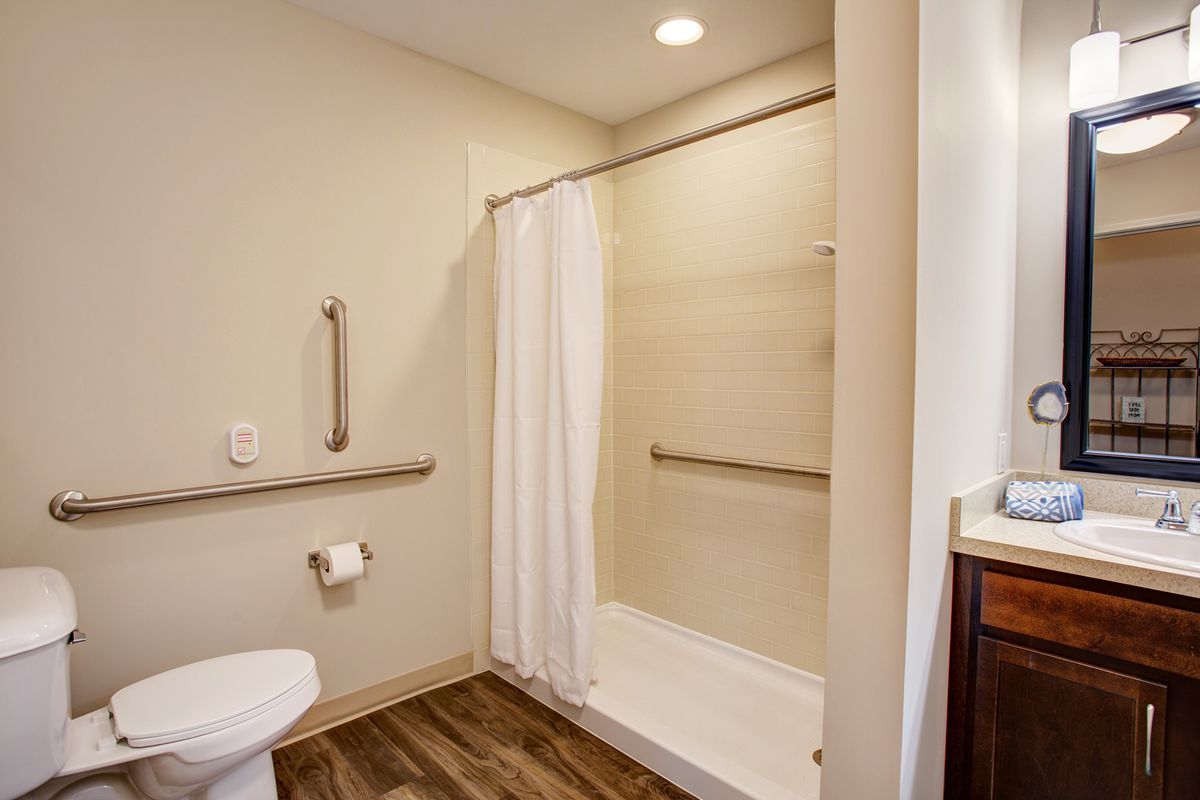
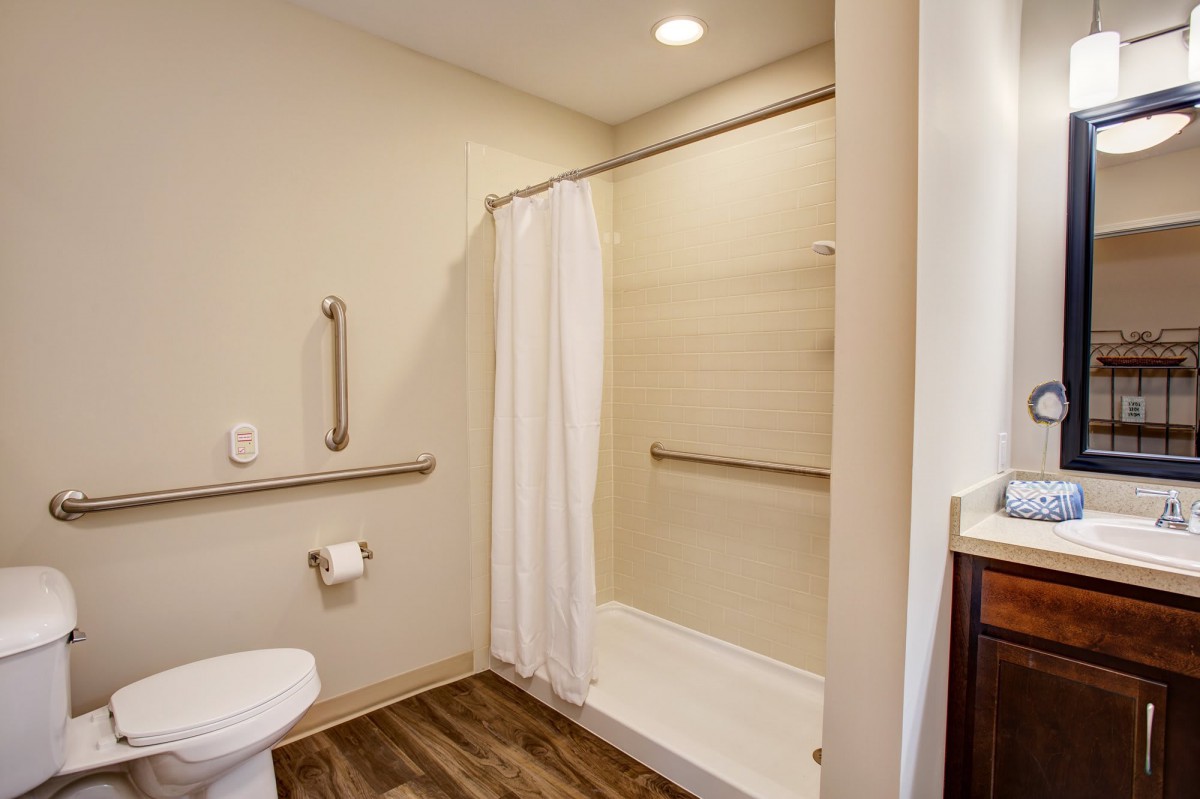
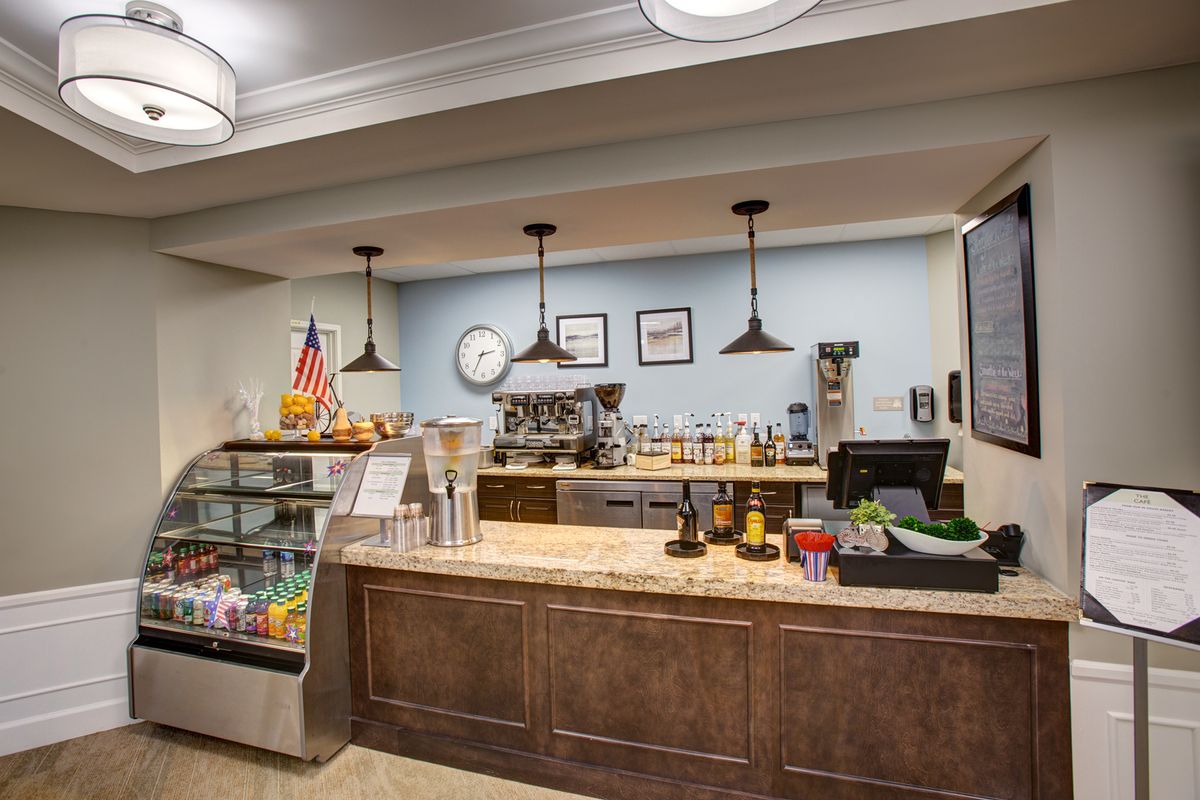
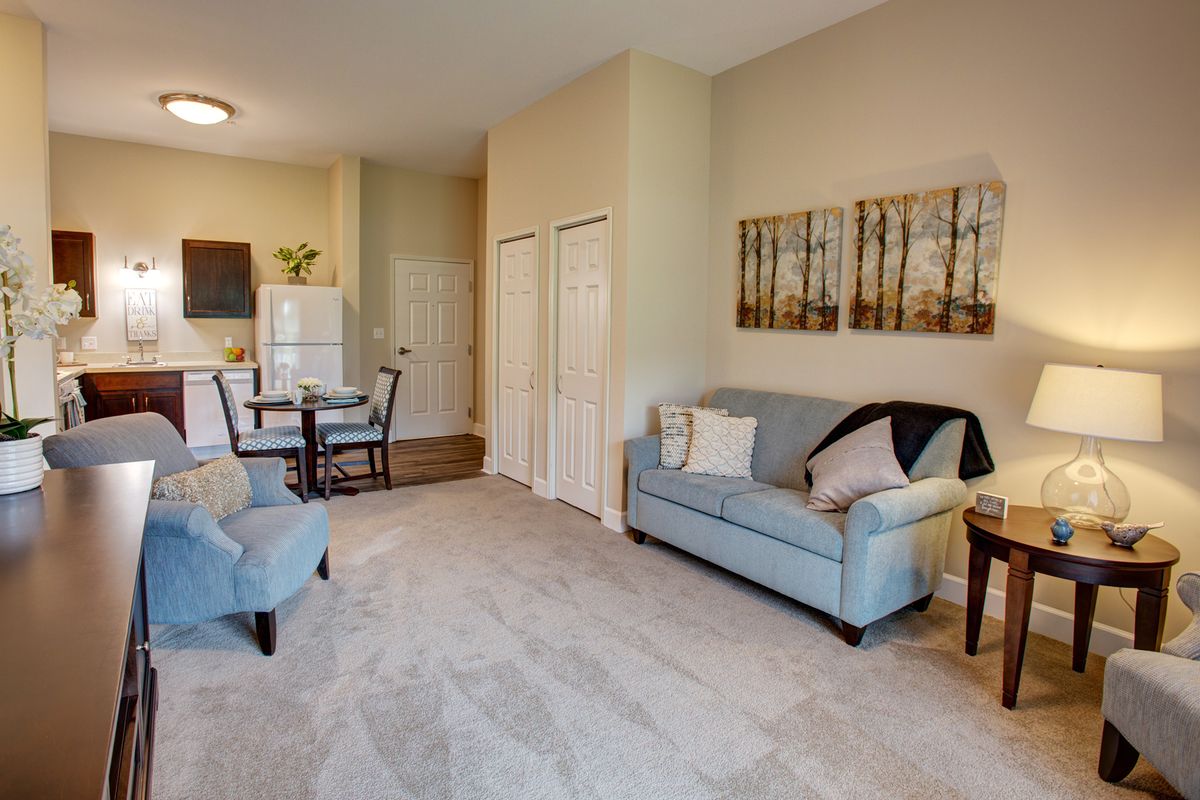
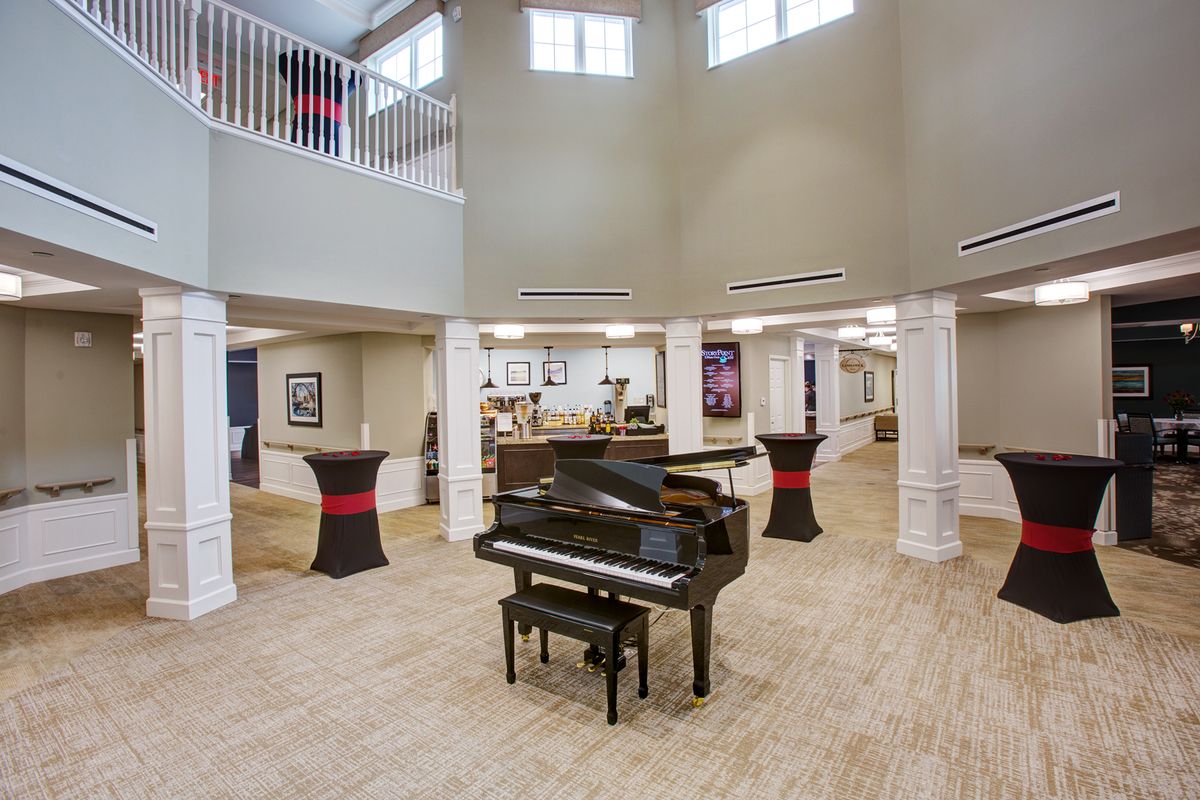
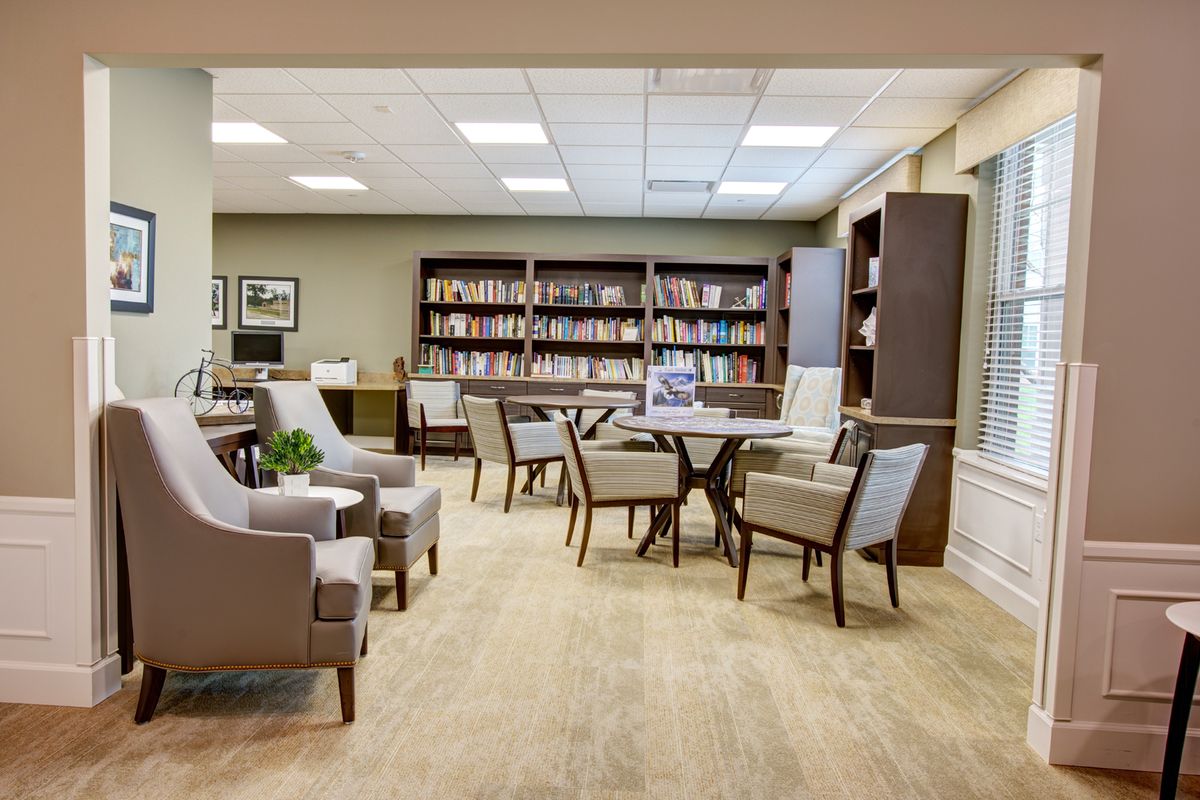
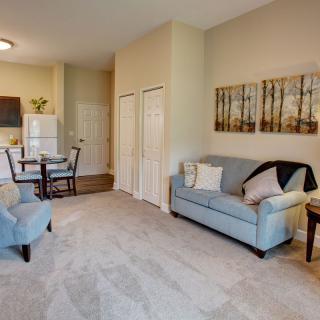
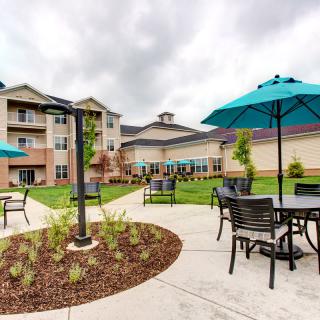
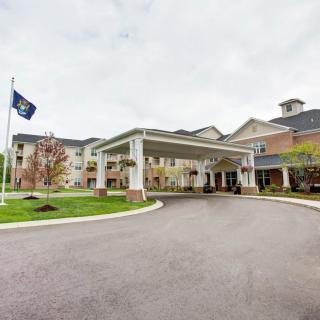
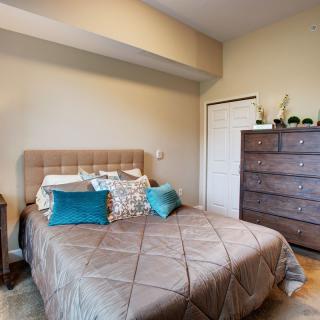
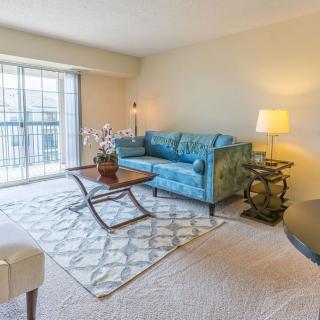
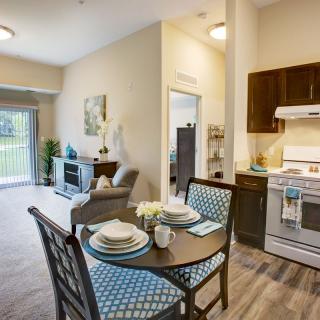
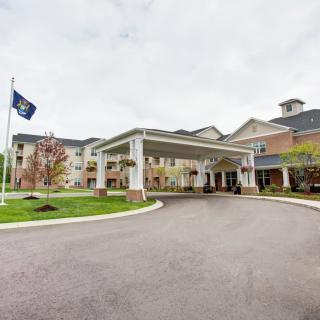
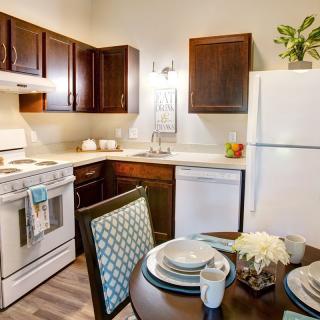
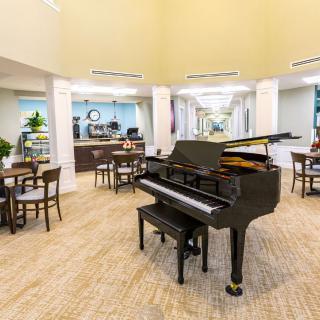
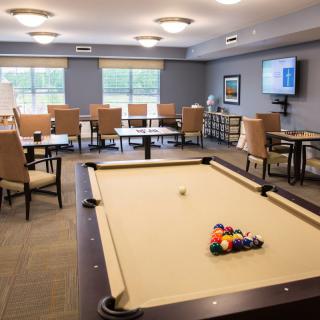
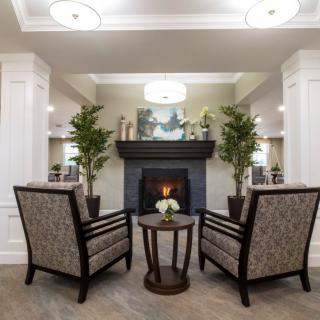
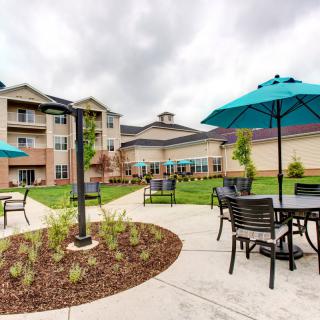
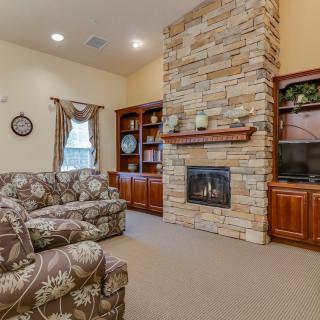
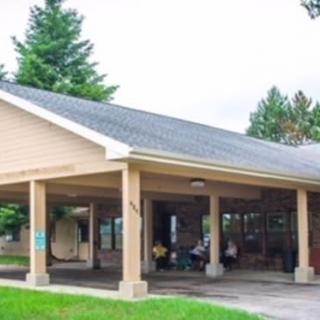
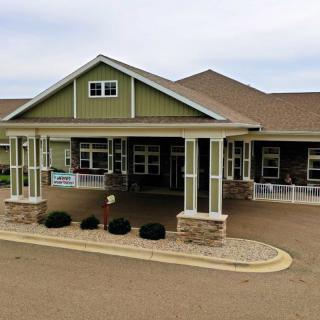
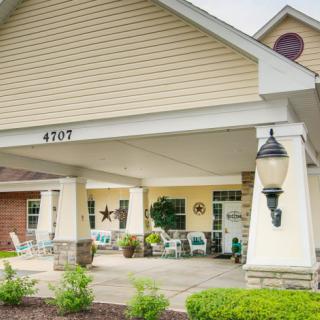
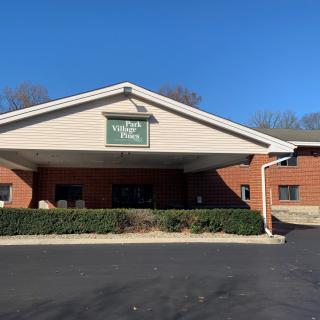
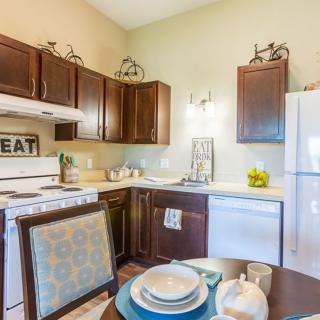
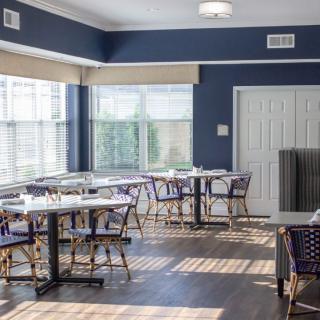
StoryPoint Portage on seniors.fyi includes 36 photos including images showing interior, dining, decor, kitchen, living room, bathroom, bedroom, piano, and more.
Nearby Communities
Bickford of Portage
Portage, MI
4.3 from 49 reviews
$3,346 to $4,410 / month
Home-like atmosphere with attentive staff and engaging activities.
Comfort Living Home #2
Portage, MI
Small, intimate setting with comprehensive care and on-site amenities.
Arnold Adult Foster Care
Portage, MI
5 from 4 reviews
Small, home-like setting with 24/7 supervision and comprehensive ADL support.
Burrell Adult Foster Care
Kalamazoo, MI
5 from 1 review
Small, personalized assisted living with 24-hour supervision, meals, medication management, and transportation to medical appointments.
Willowbend
Kalamazoo, MI
Comprehensive care with ample amenities (furnished living spaces, dining, outdoor areas, housekeeping, and health coordination).
Hill An Brook Adult Foster Care
Portage, MI
4.5 from 12 reviews
Small, intimate setting with comprehensive care.
Brookdale Portage
Portage, MI
4 from 56 reviews
$5,120 / month
Clean, welcoming environment with engaging activities and good dining.
Park Village Pines
Kalamazoo, MI
4.3 from 48 reviews
$3,952 to $5,780 / month
Caring staff in a clean, welcoming environment with on-site activities and a faith-based community.
Hope Woods
Kalamazoo, MI
4.2 from 87 reviews
$810 to $960 / month
Well-maintained facility with friendly staff, abundant daily activities, and bright, comfortable apartments.
Dementia affects memory and cognitive function in older adults, presenting challenges for caregivers due to behavioral changes such as confusion and mood swings. Compassionate, person-centered care that considers individual history and preferences, along with effective communication and environmental modifications, is essential for supporting both patients and their caregivers.
Dementia leads to cognitive impairment and can cause emotional and behavioral changes, including aggression that arises from frustration, confusion, or fear. Effective coping strategies for caregivers include understanding dementia's nature, recognizing triggers, using empathetic communication, and employing non-pharmacological interventions like music and art therapy.
Dementia causes cognitive decline and challenging behaviors that caregivers must manage, necessitating an understanding of the neurological basis of these issues. Effective strategies and self-care for caregivers can enhance support for those with dementia and improve their daily lives.
Get PricingAsk A QuestionSchedule A TourContact Senior Advisor
By clicking submit, you agree to our Partner's Terms of Use. You
also consent to receive calls and texts, which may be autodialed, from our Partner. Your consent is not a condition to
using our Partner's service. Please visit our Partner's Privacy Policy for information about their privacy practices.



 52 resident community capacity
 1-bedroom apartments
 Assisted Living
 Independent Living
 Memory Care
 Respite Care
 Cats allowed
 Dogs allowed
 Activities on-site
 Air-conditioning
 Beautician on-site
 Cable or satellite TV
 Cafe
Cafe Computer center
 Devotional services off-site
 Dining room
 Fireplaces
 Fitness room
 Full kitchen
 Fully furnished
 Gaming room
 Garden
 Ground floor units
 Handicap accessible
 Housekeeping services
 Indoor common areas
 Located close to shopping centers
 Move-in coordination
 On-site market
 Outdoor common areas
 Outdoor patio
 Pet friendly
 Private bathrooms
 Resident parking
 Restaurant-style dining
 Small library
 Telephone
 Wellness center
 Wheelchair accessible showers
 Wi-Fi/high-speed internet available
 Kalamazoo County (4 miles away)
 Community operated transportation
 12-16 hour nursing
 24-hour call system
 Assistance with bathing
 Assistance with dressing
 Assistance with transfers
 Diabetes diet
 Diabetic care
 Hospice waiver
 Incontinence care
 Medication management
 Mental wellness program
 Special dietary restrictions
 Transportation arrangement (medical)
 Art classes
 BBQs or picnics
 Concierge services
 Day trips and outings
 Educational speakers / life long learning
 Happy hour
 Live dance or theater performances
 Live musical performances
 English
 Home-like atmosphere with attentive staff and engaging activities.
 Understanding Dementia Behaviors: Practical Insights and Strategies for Caregivers
 When Dementia Sparks Anger and Aggression: Understanding the Connection and Ways to Cope
 Dementia Behaviors: In-Depth Understanding and Effective Coping Strategies