
5269 Navajo Trail, Pinckney, MI 48169
For more information about senior living options: (866) 208-4318
Overall Review of Devine Senior Living
Pros
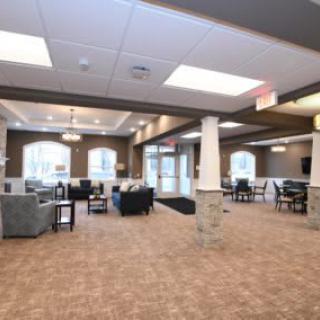
 The residents have a lovely home with a beautiful backyard.
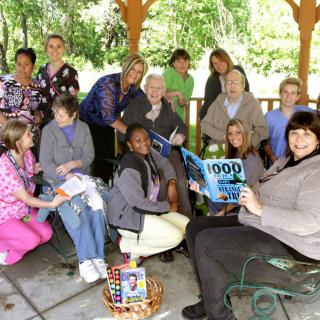
- The activities are a big hit, and the staff are amazing.
- The staff are wonderful and go out of their way to make loved ones feel at home and loved.
- The community is warm and inviting.
- The resident-to-caregiver ratio is better than most, with great food and engaging activities including games and a salon.
- Divine Nest of Williamston is highly recommended and an excellent senior care facility with professional, kind staff.
Review
Devine Senior Living in Pinckney is best suited for seniors who want a warm, home‑like setting where daily life feels as much about community as care. The property reads like a comfortable residence rather than a clinical facility, and that atmosphere is reinforced by a beautiful backyard and thoughtfully planned activities that consistently land with residents. Reviews emphasize staff who are not only capable but genuinely devoted, creating a sense of belonging that families can rely on. For those who value a low‑stress transition where caregivers treat residents like family, this community delivers peace of mind in spades. It is a place where conversations with staff, neighbors, and fellow residents feel natural, not transactional, and that culture is the core strength for decision‑makers weighing “home” versus “home plus help.”
Those weighing alternatives should consider who may not be the ideal fit. If a senior requires high levels of medical oversight, intensive skilled nursing, or specialized memory‑care programming, this intimate setting may feel underpowered compared with larger campuses that showcase a broader clinical footprint. Families located far from Pinckney or who prioritize urban conveniences and expansive campuses with wide‑ranging amenities might find a different environment more convenient. Similarly, those seeking a sharply clinical atmosphere or highly structured rehab services may want to explore options with a stronger hospital posture or more defined specialty services. The wise choice aligns the setting’s warmth and intimacy with the resident’s clinical needs and logistical realities.
The resident‑to‑caregiver dynamic stands out as the defining pro. A higher ratio relative to many peers translates into more individualized attention, quicker responses, and a sense that staff truly knows each person’s preferences, routines, and personality. Compliments about the food reinforce the idea that dining time is a valued, social part of the day, not a secondary obligation. The activity calendar, games, trips, and social gatherings, consistently resonates, supporting cognitive engagement and emotional well‑being. The presence of amenities like a salon adds practical, morale-boosting touches that let residents feel pampered and dignified. Above all, the staff’s professionalism and kindness deliver confidence to families who need to trust care is steady, competent, and compassionate.
On the flip side, the most plausible drawbacks come from the inherent trade‑offs of an intimate campus. Smaller communities frequently balance individualized attention with a more limited menu of on‑site medical resources, which can feel restrictive if a resident’s needs evolve toward more intensive supervision or specialized therapies. Location considerations matter: Pinckney’s setting is picturesque and quiet, but it may be less convenient for some families or future healthcare plans compared with communities clustered near major highways or urban centers. However, even where limits exist, the persistent warmth, safety, and continuity of care help offset those gaps by reducing anxiety around daily oversight and social isolation.
The strengths most directly offset potential drawbacks through practical benefits. A high caregiver presence translates into fewer missed cues about changes in mood or appetite and fewer lapses in routine petitioning for help, crucial for safety and dignity. The homey atmosphere and community‑oriented culture counterbalance the absence of a sprawling campus, because residents are embedded in meaningful relationships rather than anonymous units. A strong dining program and regular enrichment activities convert “assisted living” into a rhythm of life that preserves independence while delivering reliable support. In short, the pros create a lattice of comfort, connection, and dependable care that makes emerging concerns manageable and predictable.
For families evaluating options, this community is a compelling fit for seniors who prize a genuine sense of home, personal attention, and an active social calendar. It is especially well‑suited for residents with moderate care needs who still want daily engagement and autonomy within a protective, family‑style setting. Those seeking extensive medical specialization, highly intensive memory care, or locations with dense urban accessibility should look elsewhere. In the end, Devine Senior Living earns its strong standing by turning care into a lived experience, one where residents feel seen, supported, and at home, and families gain the confidence that their loved ones are thriving in a place they can trust.
 6 resident community capacity
 Assisted Living
 Board and Care Home
 Memory Care
 Cable or satellite TV
 Dining room
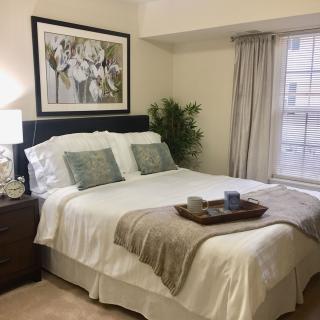
 Fully furnished
 Garden
 Housekeeping services
 Move-in coordination
 Outdoor space
 Telephone
 Wi-Fi/high-speed internet available
 24-hour supervision
 Activities of daily living assistance
 Assistance with bathing
 Assistance with dressing
 Assistance with transfers
 Diabetes diet
 Hospice waiver
 Meal preparation and service
 Medication management
 Mental wellness program
 Special dietary restrictions
 Transportation arrangement (medical)
 Transportation to doctors appointments
 Understanding the Distinctions: Assisted Living and Memory Care Explained
 How to Communicate with a Loved One Living with Dementia: 10 Supportive Strategies
 Comprehensive Guide to VA Nursing Homes: A Crucial Long-Term Care Resource for Veterans