
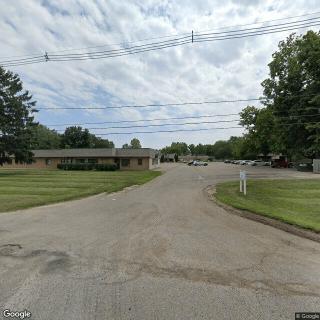
6153 Brown Road, Parma, MI 49269
For more information about senior living options: (866) 208-4318
Overall Review of Pleasant View Manor
Pros
 He loved to help Carol.
- She treated him like a son.
- It was a wonderful place.
- Carol is a very caring and sweet person.
- She has always treated them as family.
- People are praying for her and her family.
Review
Pleasant View Manor in Parma, MI is best suited for seniors who prize a home-like, intimate atmosphere where care comes with a deeply personal touch. The standout is the staff culture, exemplified by a caregiver named Carol who treats residents as family. The review paints a picture of a place where warmth, genuine attentiveness, and emotional security define daily life. If what matters most is feeling welcomed, heard, and valued by caregivers who form bonds that feel almost familial, Pleasant View Manor offers a compelling fit.
This setting may not be for everyone. Those who require highly structured medical oversight, a broad roster of on-site clinical services, or a wide array of formal programs may want to examine alternatives. The available review concentrates on relational warmth and personal connection rather than documenting medical capabilities, activity schedules, or safety protocols. Families should probe for specifics on staffing ratios, on-site nurses, medication management, and emergency response capabilities to ensure alignment with medical and daily living needs.
The strongest pro is the human connection, the caregiver who makes a resident feel like part of a family. The narrative centers on Carol’s caring, sweet demeanor and the way she cultivates trust with both residents and their families. This level of personalized attention translates into consistent emotional support, reduced loneliness, and a sense of stability that can significantly boost quality of life, especially for residents who thrive on meaningful, individualized interactions. In environments where residents may feel unseen in larger communities, this depth of relational care becomes a meaningful, measurable benefit.
Because the review does not enumerate a breadth of services or a formal program structure, the absence of those details could be perceived as a potential trade-off. However, the emotional safety and continuity of care that come from a small, closely connected team can offset the lack of publicly documented activities or clinical breadth for many families. In practical terms, the value lies in knowing a caregiver will notice changes, advocate, and respond with warmth, qualities that often compensate for fewer formal offerings when the priority is sustained companionship and trust.
The review’s tone signals a culture of genuine care that radiates from staff to residents’ families, an attribute that tends to improve satisfaction and reduce caregiver turnover anxiety for families. The fact that the caregiver is described as treating the son as family suggests a consistent, personalized approach rather than a transactional, milieu-based experience. This kind of trust-building matters immensely in long-term placement decisions, offering peace of mind that daily life will feel anchored in kindness, respect, and approachable, familiar support.
In deciding whether Pleasant View Manor is the right move, the governing question is whether a highly personal, emotionally supportive environment outweighs the need for expansive services and visible clinical offerings. For families prioritizing a warm, caregiver-led culture and a “home away from home” feel, this community stands out as a prudent choice. Prospects should request a tour, meet several staff members, and scrutinize care plans, medication management, and safety protocols to confirm that the care level aligns with the loved one’s medical and daily living requirements. If alignment is confirmed, the authorization of care can proceed with confidence, anchored by the certainty that residents will be surrounded by compassionate, семья-like attention rather than a generic, impersonal routine.
 16 resident community capacity
 Assisted Living
 Board and Care Home
 Memory Care
 Cable or satellite TV
 Dining room
 Fully furnished
 Garden
 Housekeeping services
 Move-in coordination
 Outdoor space
 Telephone
 Wi-Fi/high-speed internet available
 24-hour supervision
 Activities of daily living assistance
 Assistance with bathing
 Assistance with dressing
 Assistance with transfers
 Diabetes diet
 Hospice waiver
 Meal preparation and service
 Medication management
 Mental wellness program
 Special dietary restrictions
 Transportation arrangement (medical)
 Transportation to doctors appointments




 Memory Care Pathways: A Holistic Guide to Dementia Support
 Comprehending Evening Confusion in Dementia: Causes, Manifestations, and Support
 Delirium and Dementia: Unraveling the Key Differences