
36233 Willow, New Boston, MI 48164
For more information about senior living options: (866) 208-4318
Overall Review of Parkway House
Pros
 Rose and her family and employees make everyone feel like family.
- The family is grateful to have found this place after their father's three-month stay.
- They provide the most knowledgeable and friendly care money can buy.
Review
This community is best suited for families seeking a warm, home-like setting where residents are treated as part of a close-knit extended family and care is delivered with exceptional personal attention. Parkway House in New Boston, MI stands out for creating an atmosphere in which staff and leadership become familiar faces who anticipate needs, respond quickly, and fold family involvement into daily care. It is especially appealing to families prioritizing comfort, emotional connection, and a sense of continuity during a difficult transition. For seniors who value warmth, trust, and consistently attentive companionship over a clinical, highly structured environment, Parkway House offers a compelling fit.
There are clear reasons why some families might want to consider alternatives. If a resident requires robust, hospital-style medical oversight, complex post-acute rehab, or specialized memory care with formalized programming, larger facilities with broader clinical teams may serve those needs more comprehensively. Likewise, households seeking a broader spectrum of daily activities, independent living options, or expansive on-site amenities might find that a smaller, intimate setting offers less of those conveniences. In short, Parkway House excels in personal attention and relational care, but those evaluating options should map specific medical and activity needs against what a smaller, family-driven setting can reliably deliver.
The most persuasive pros hinge on the human connection. The care team, described as knowledgeable and friendly, translates into a care experience that feels both expert and genuinely compassionate. The repeated emphasis on staff going “the extra mile” and the sense that Rose and her family are actively shaping the community signals a level of dedication that goes beyond routine duties. Families report that the environment fosters belonging and security, with residents showing steady engagement and caregivers who remember preferences, routines, and personal histories. In such a setting, minor incidents are managed with calm assurance, reducing anxiety for family members during transitions.
Another strength is the intimate, family-centered culture that naturally supports continuity of care. The small-community dynamic makes it possible for staff to tailor routines, adjust care plans quickly, and involve family members in decisions without bureaucratic friction. This can translate into more meaningful daily life for residents, regular, sincere check-ins, personalized activities, and a sense of being appreciated as individuals rather than as numbers. The reviews hint that this approach not only smooths day-to-day living but also leaves families with lasting gratitude, particularly when a loved one is nearing end of life and is treated with dignity and compassion in a familiar environment.
Where the pros come into play against potential drawbacks matters. The most relevant trade-off in a smaller, family-driven setting is the risk of limited on-site medical depth, fewer highly specialized programs, and a more compact schedule of activities compared to larger communities. Those concerns are offset by a proven capability to mobilize care quickly, maintain high staff accessibility, and keep loved ones integrated into a supportive, low-stress routine. The deep sense of belonging and strong, personal oversight can mitigate many gaps that would otherwise require transitions to more clinical settings. Families finding reassurance in ongoing warmth and responsiveness will likely view this offset as well worth it.
For families weighing Parkway House, the recommendation is clear: pursue this option if the priority is a dependable, affectionate, and highly engaged care team that treats residents like family. Prospective shoppers should arrange a visit with the leadership, observe interactions between staff and residents, and ask about specific medical capabilities, staffing ratios, and how transitions are managed if needs evolve. Inquire about how care plans are developed and updated, the degree of family involvement, and what happens if medical needs intensify. This approach will confirm whether Parkway House’s intimate, family-first model aligns with the resident’s health trajectory and the family’s expectations for ongoing, compassionate care.
 6 resident community capacity
 Assisted Living
 Cable or satellite TV
 Dining room
 Fully furnished
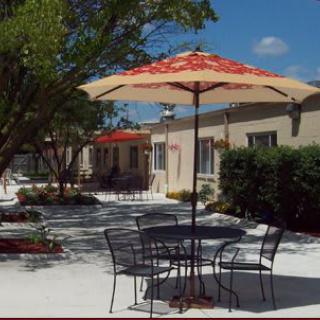
 Garden
 Housekeeping services
 Move-in coordination
 Outdoor space
 Telephone
 Wi-Fi/high-speed internet available
 Detroit Metropolitan-Wayne County (7 miles away)
 24-hour supervision
 Activities of daily living assistance
 Assistance with bathing
 Assistance with dressing
 Assistance with transfers
 Diabetes diet
 Meal preparation and service
 Medication management
 Special dietary restrictions
 Transportation arrangement (medical)
 Transportation to doctors appointments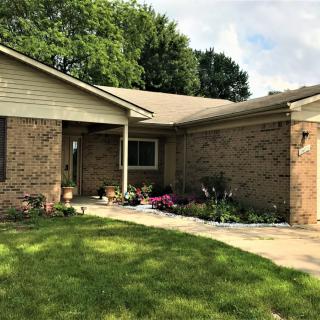



 How and When Medicaid May Cover Assisted Living Costs
 A Detailed Exploration of Assisted Living Medicaid Waivers Across the United States
 Comprehensive Residential Support and Assisted Living Solutions for Individuals with Disabilities