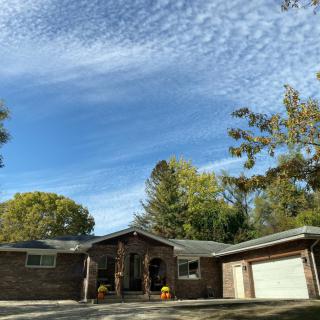
19930 Savage Road, Belleville, MI 48111
For more information about senior living options: (866) 208-4318
Huron Manor Care Costs & Pricing
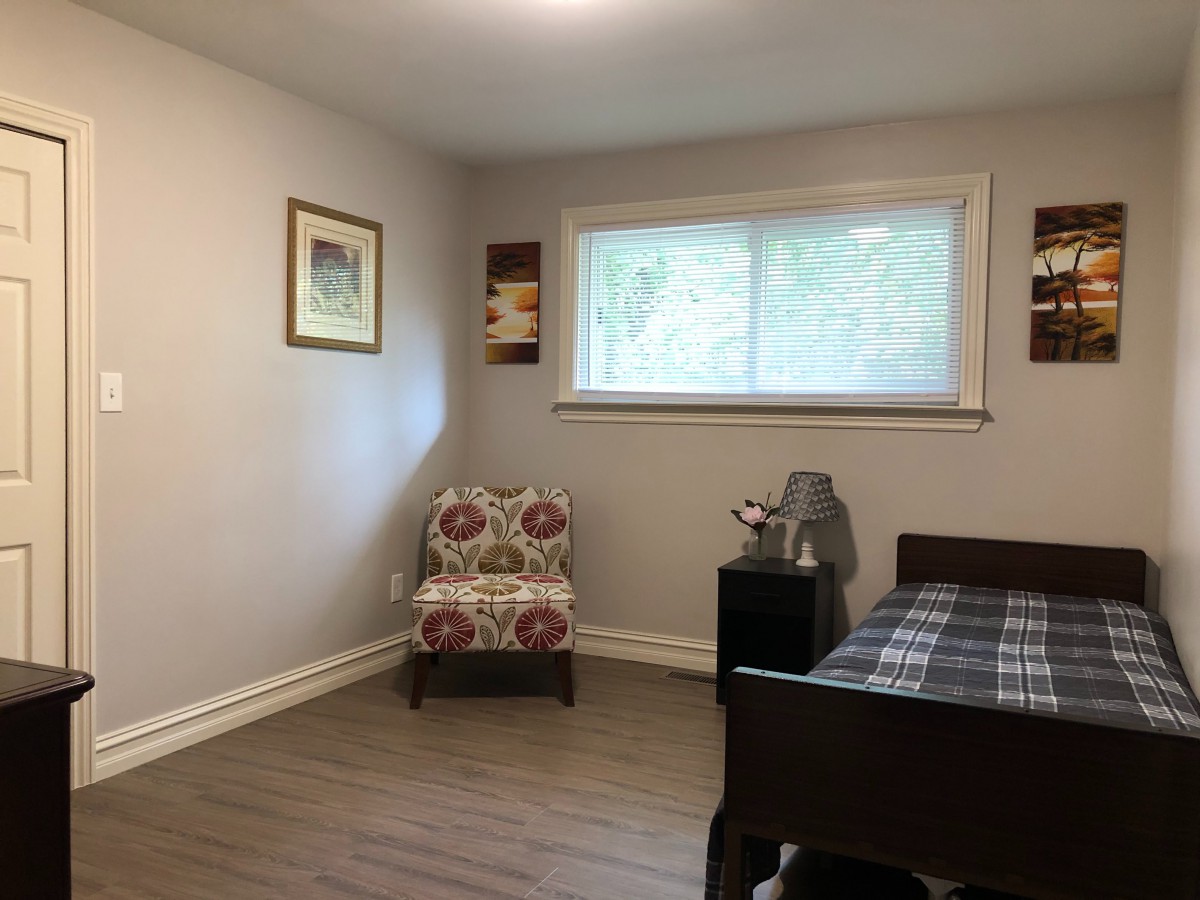
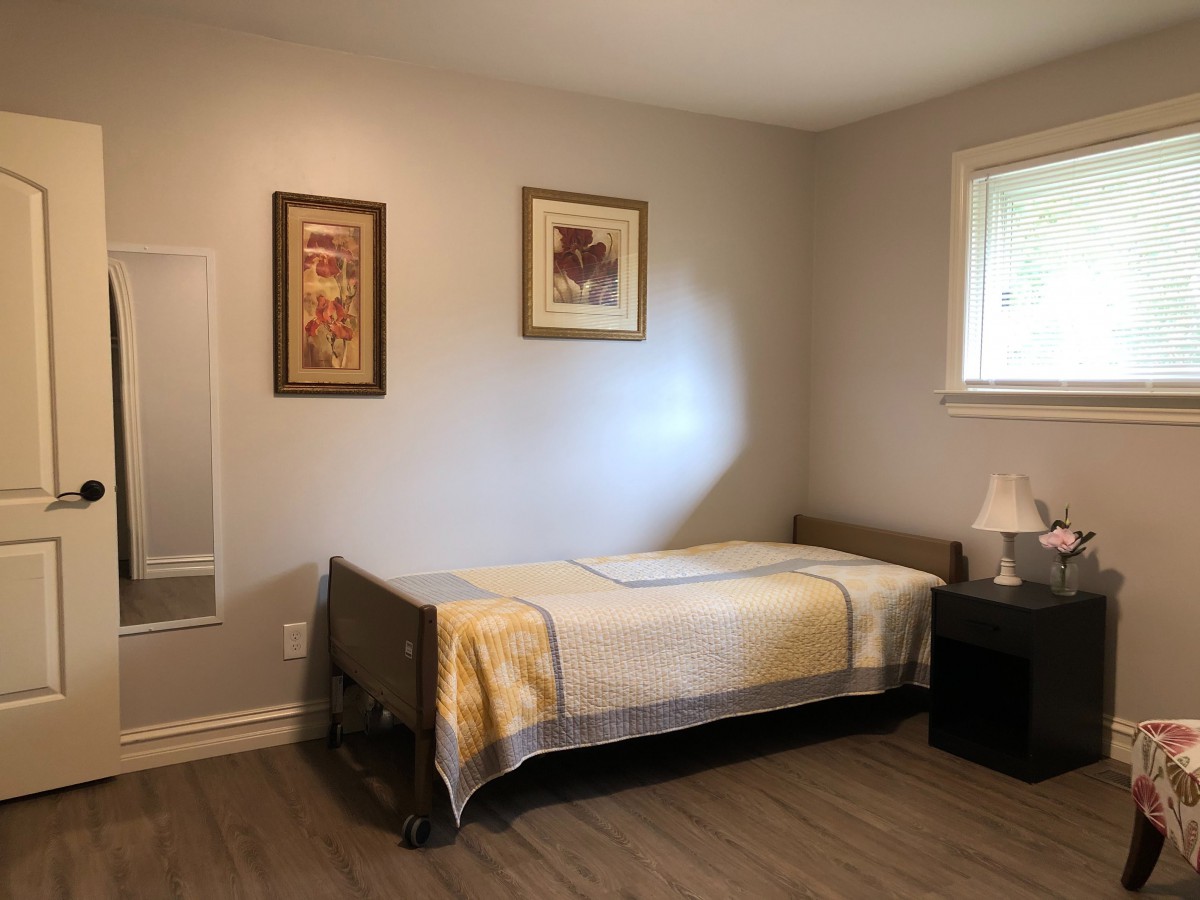
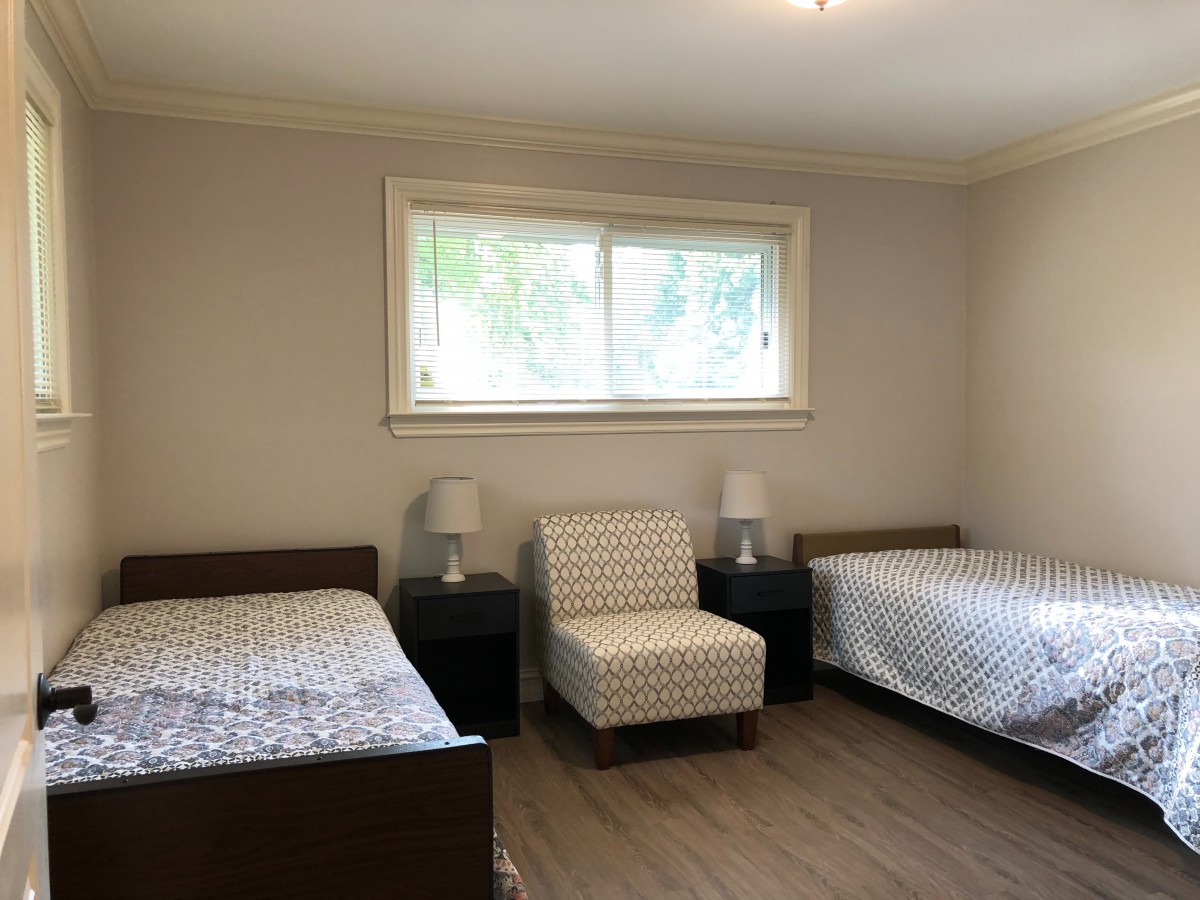
Huron Manor Care's monthly costs reflect a premium offering compared to both Wayne County and the broader Michigan averages. For a semi-private room, residents can expect to pay $4,300, which is significantly higher than the county's average of $2,860 and the state average of $3,191. Similarly, for those seeking more privacy in a private room, Huron Manor Care charges $4,800, again surpassing Wayne County's average of $3,335 and Michigan's statewide figure of $3,675. These rates suggest that Huron Manor Care likely provides enhanced amenities or specialized services that justify their higher pricing structure in comparison to local and state benchmarks.
| Floor plans | Huron Manor Care | Wayne County | Michigan |
|---|---|---|---|
| Semi-Private | $4,300 | $2,860 | $3,189 |
| Private | $4,800 | $3,335 | $3,674 |
Memory care communities with a similar price nearby
-
from +$700 / mo
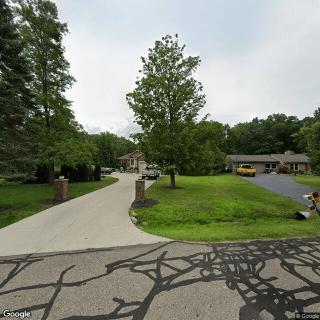
Greencastle Family Care
$5,000 / month23.6 miles away -
from -$800 / mo
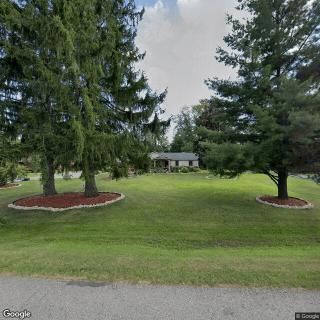
Briar Hill Assisted Living
$3,500 to $4,500 / month22.2 miles away -
from -$300 / mo
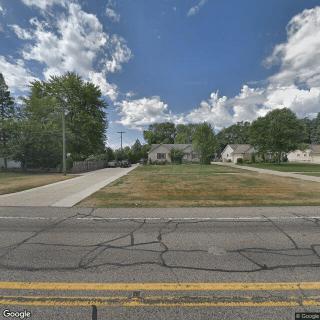
Grace Homecare
$4,000 to $4,500 / month14.0 miles away -
About the same
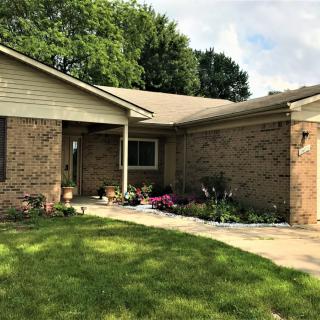
Aiello Adult Foster Care
$4,250 to $4,500 / month3.0 miles away -
from -$300 / mo

Serenity Elderly Care
$4,000 / month23.8 miles away
Overall Review of Huron Manor Care
Pros
 The House of Hope is a heartwarming haven where meals are nutritious, wholesome, and delicious.
- Rodica and the staff treat residents like family with genuine love and attentive care.
- Christina and her team treat moms and other residents as family, with healthy, homemade meals.
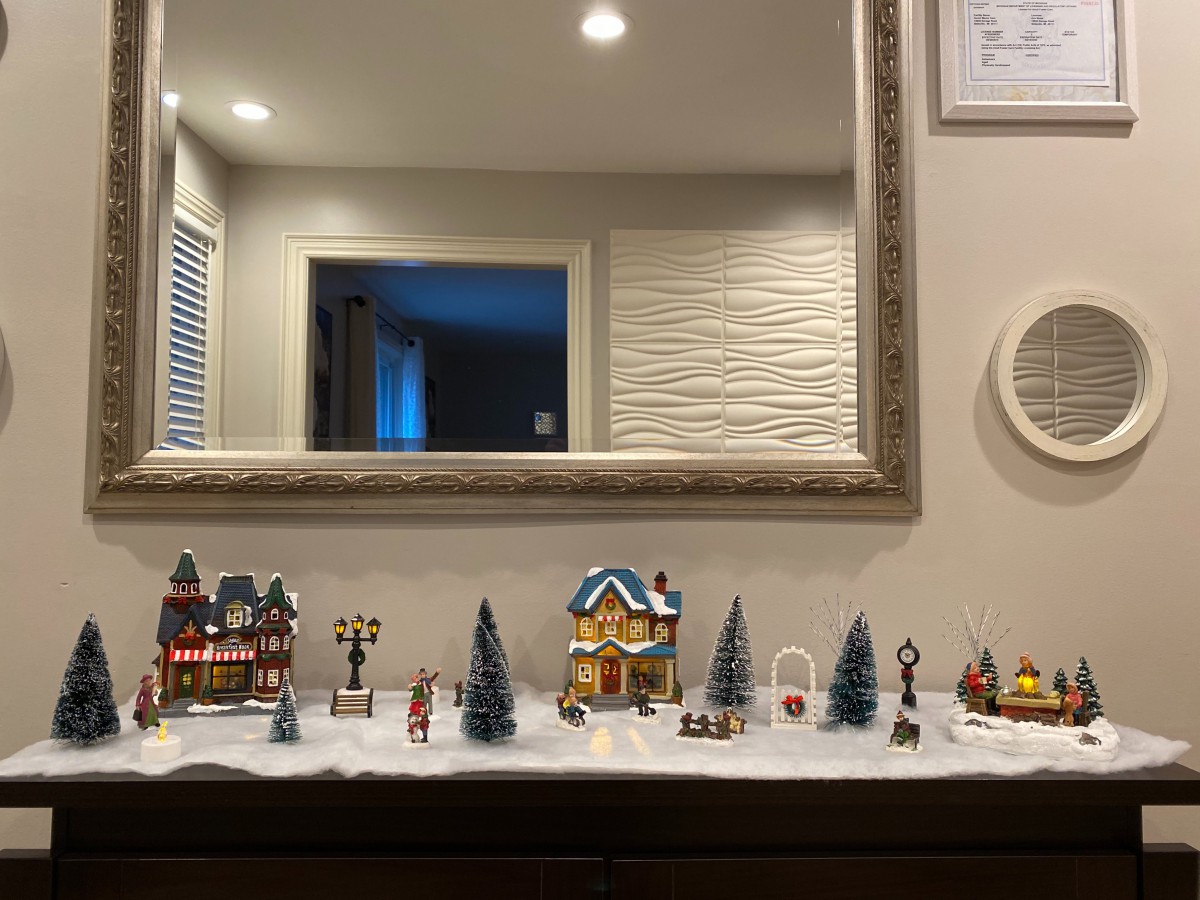
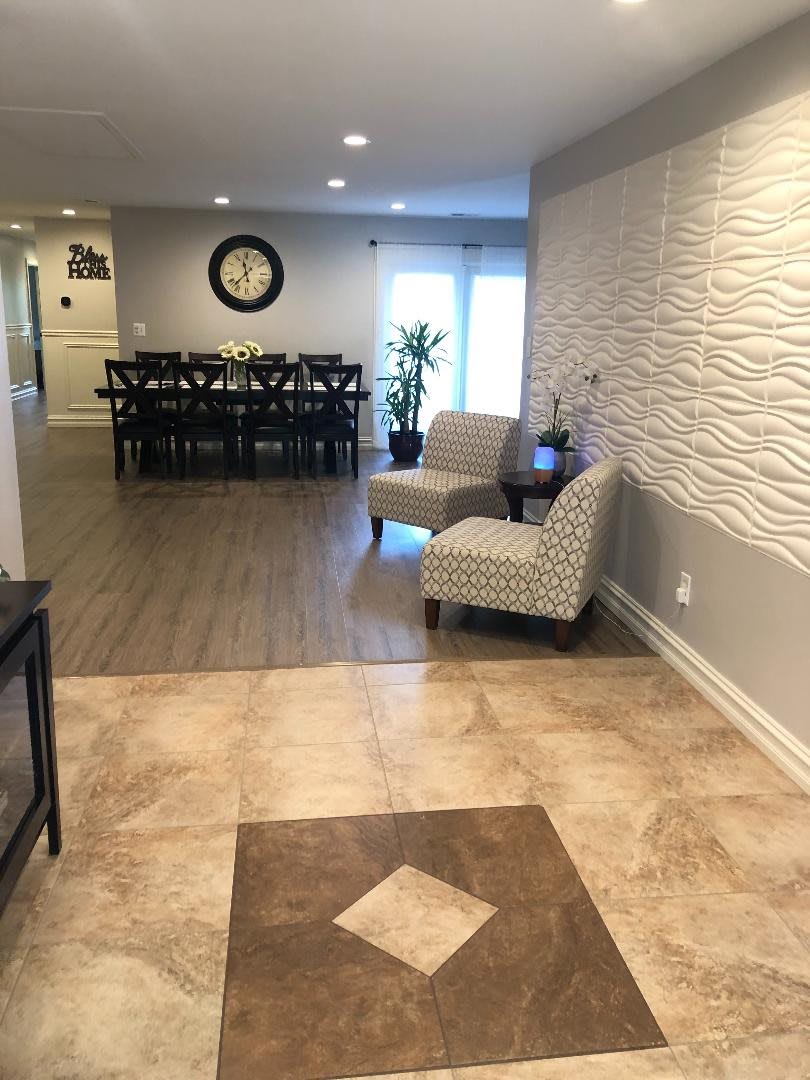
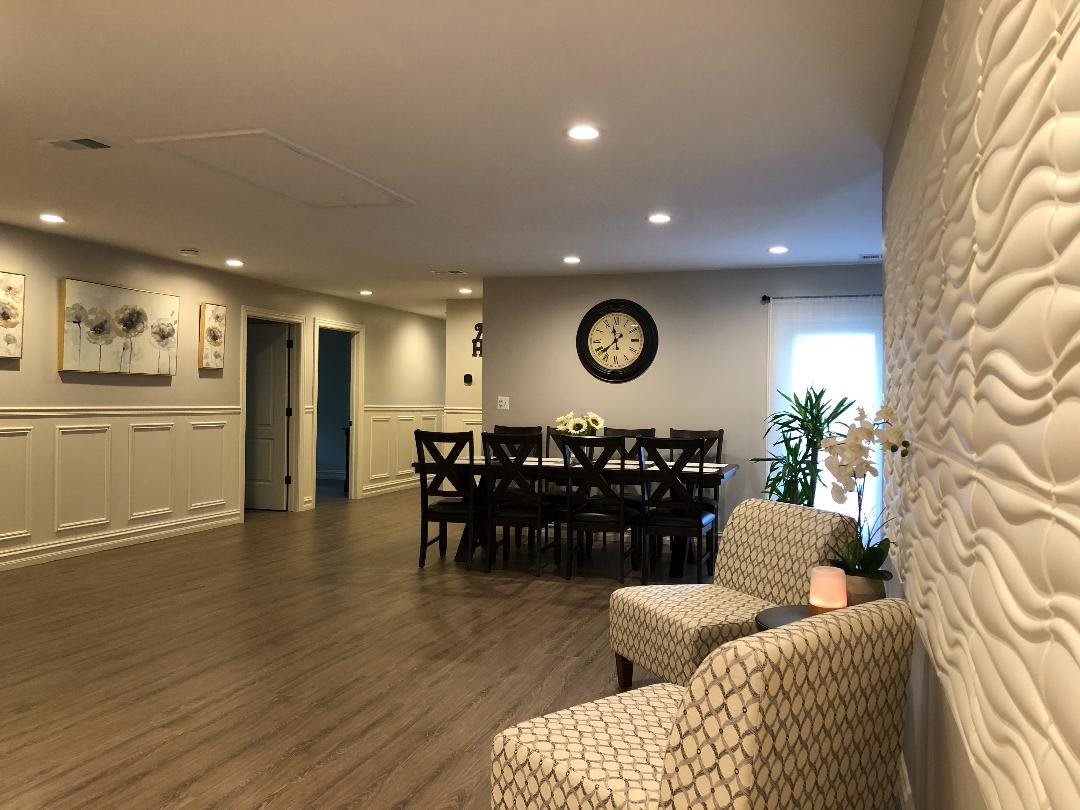
- The environment is cozy and fosters a sense of peace and belonging, making residents feel cherished.
- The staff’s compassionate, professional care and strong sense of community shine through in every interaction.
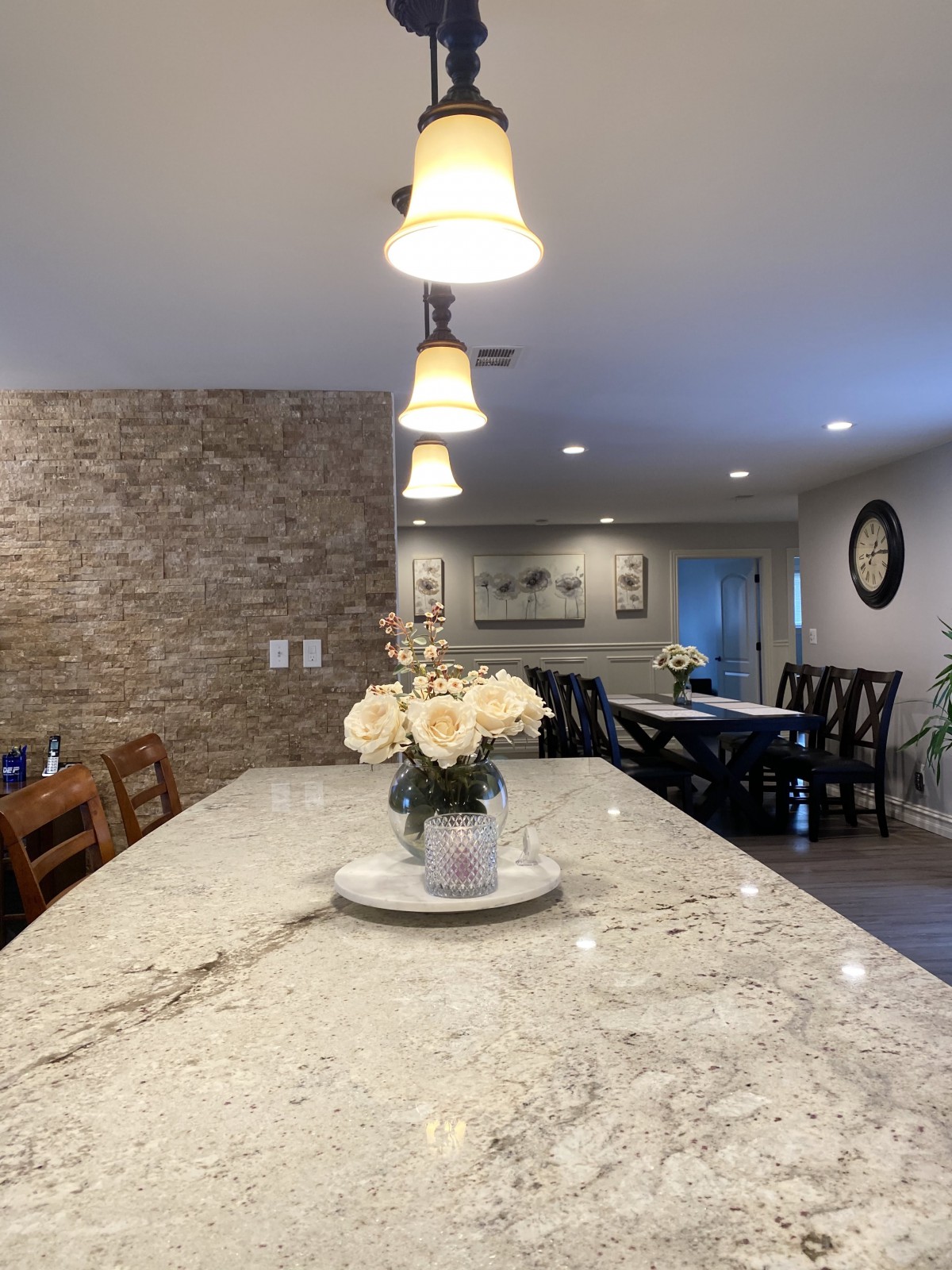
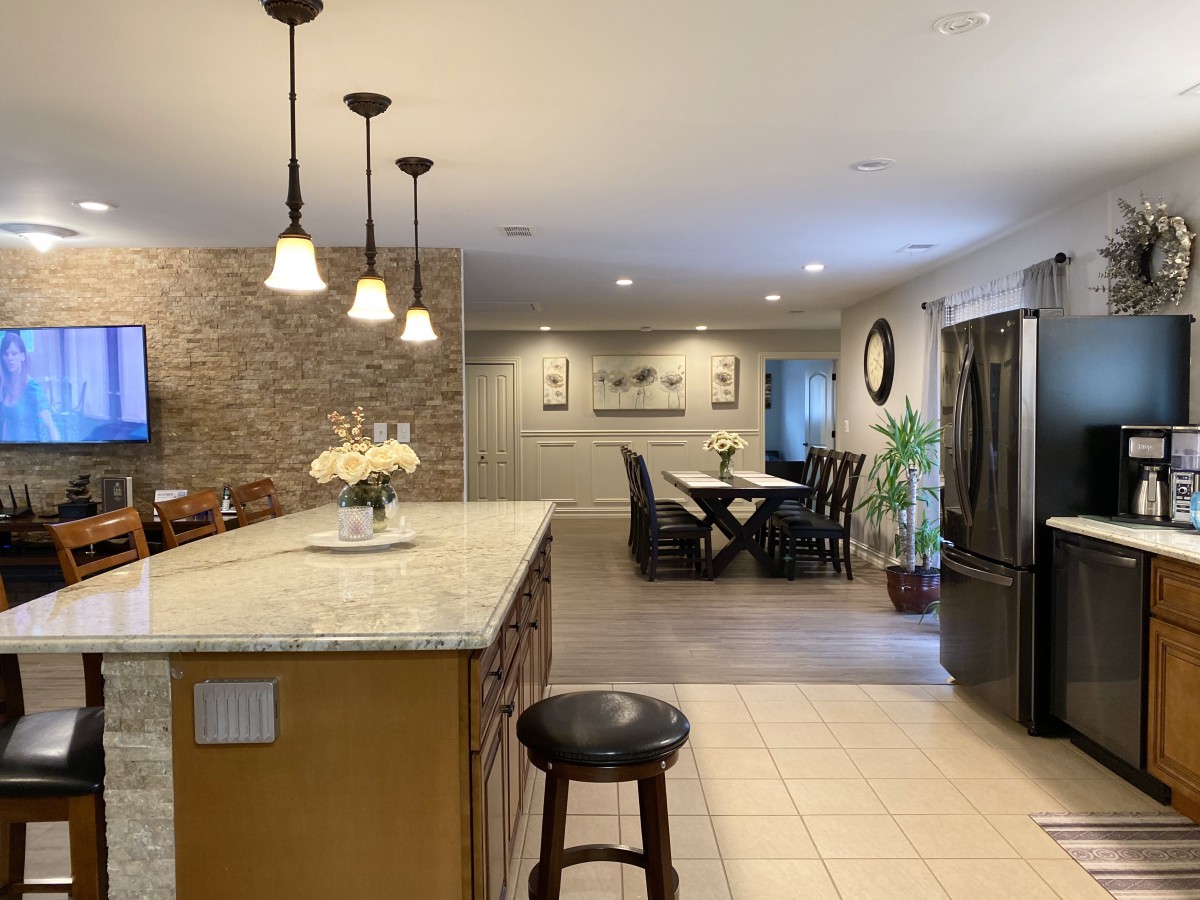
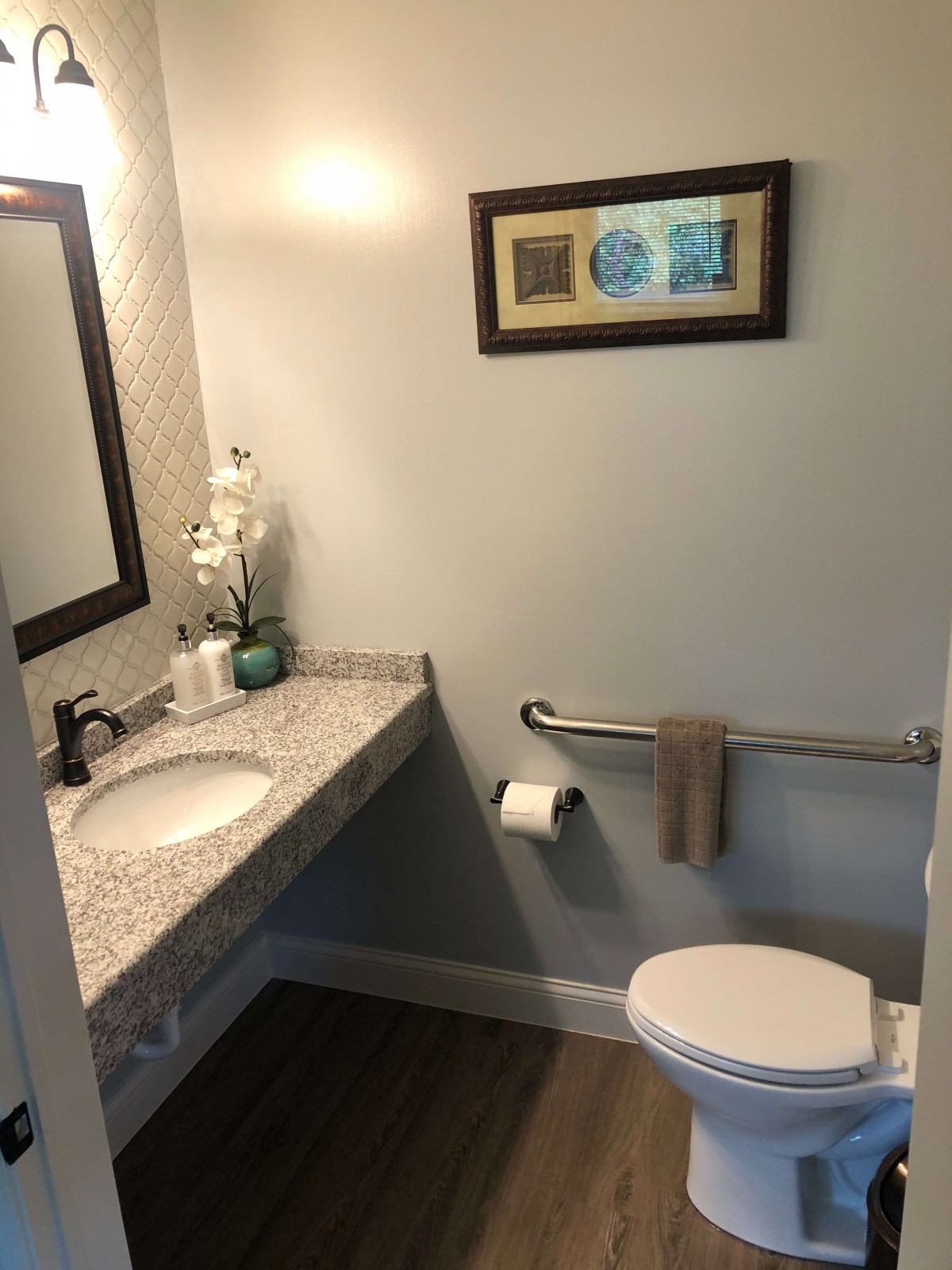
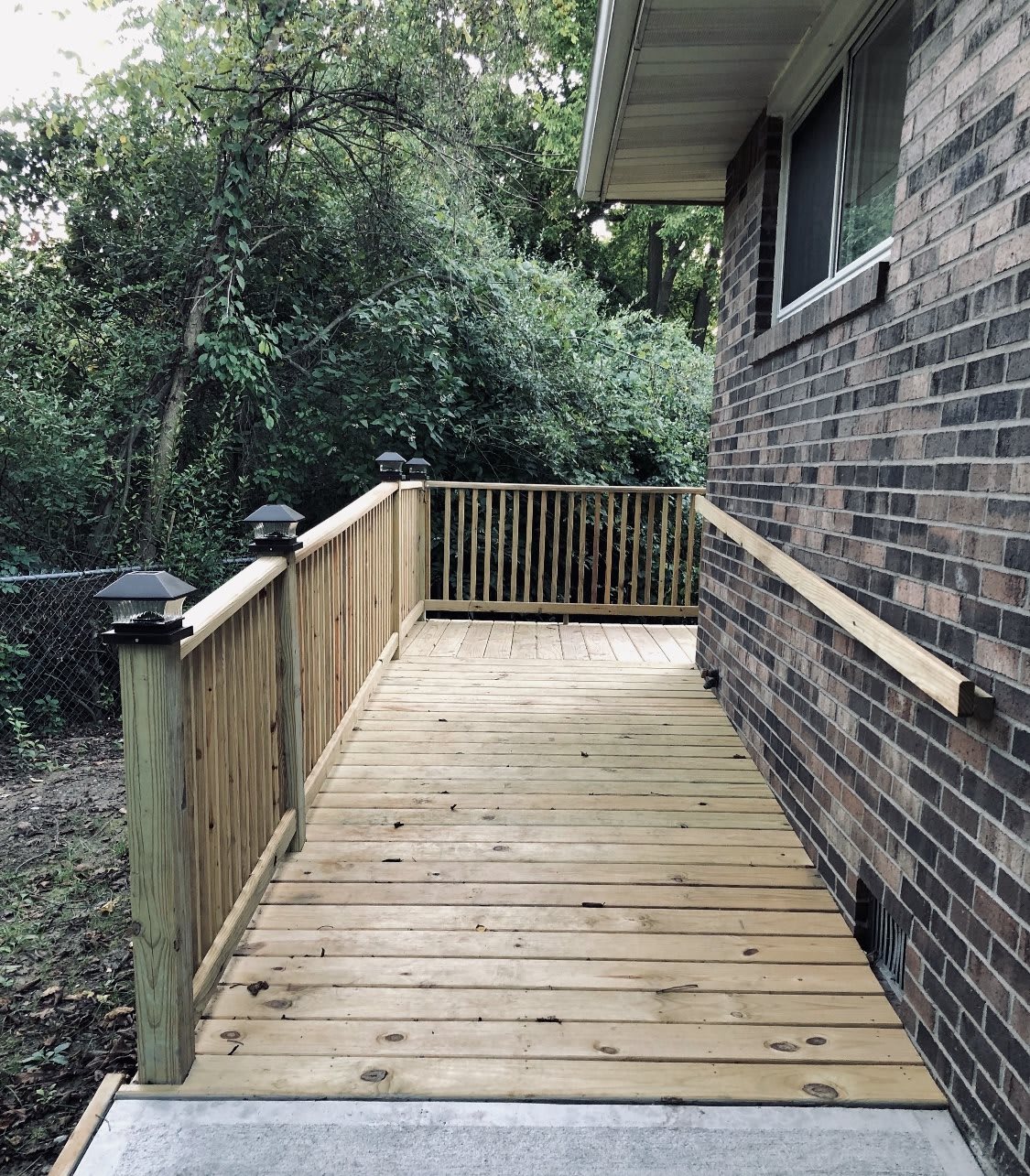
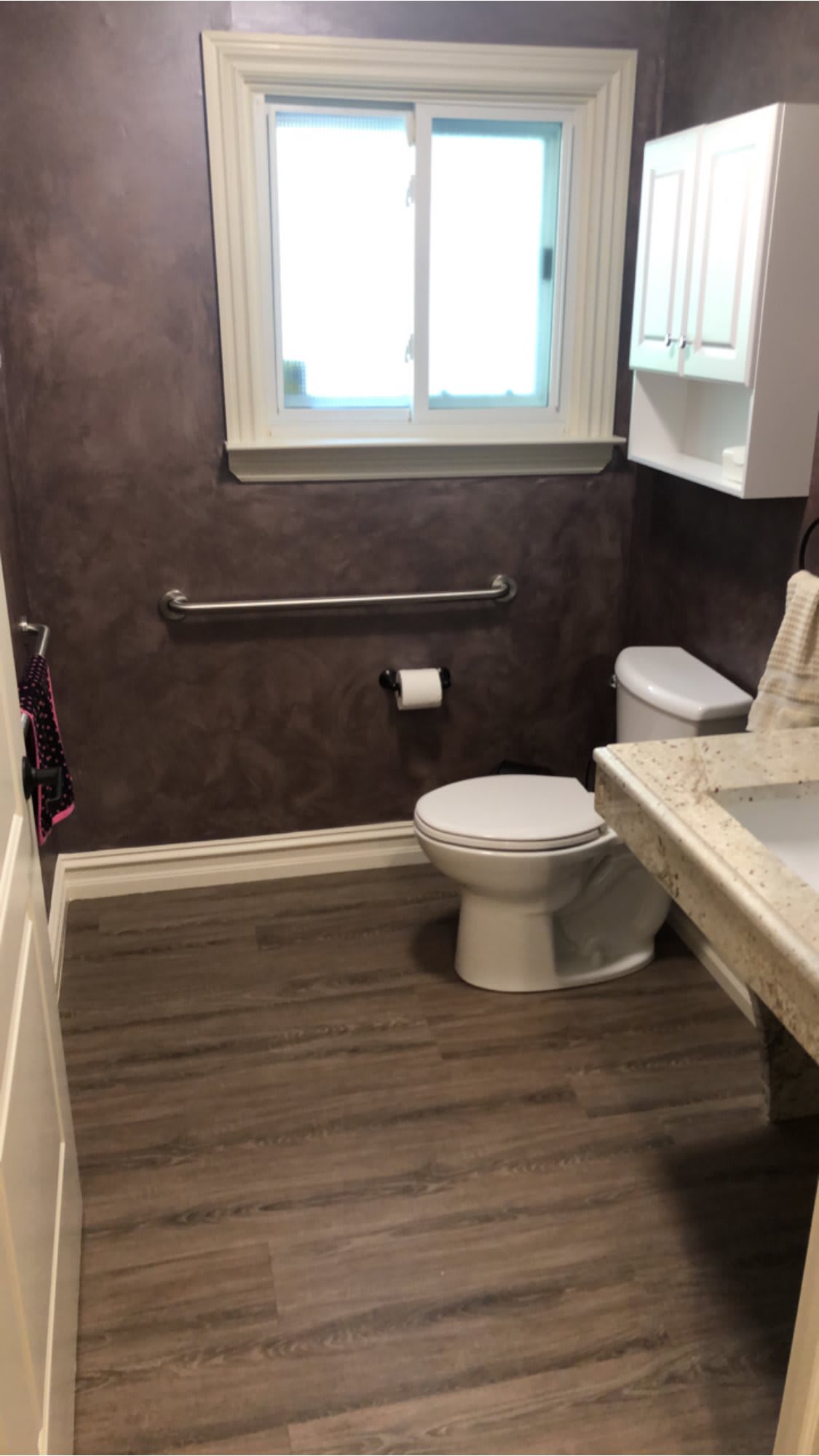
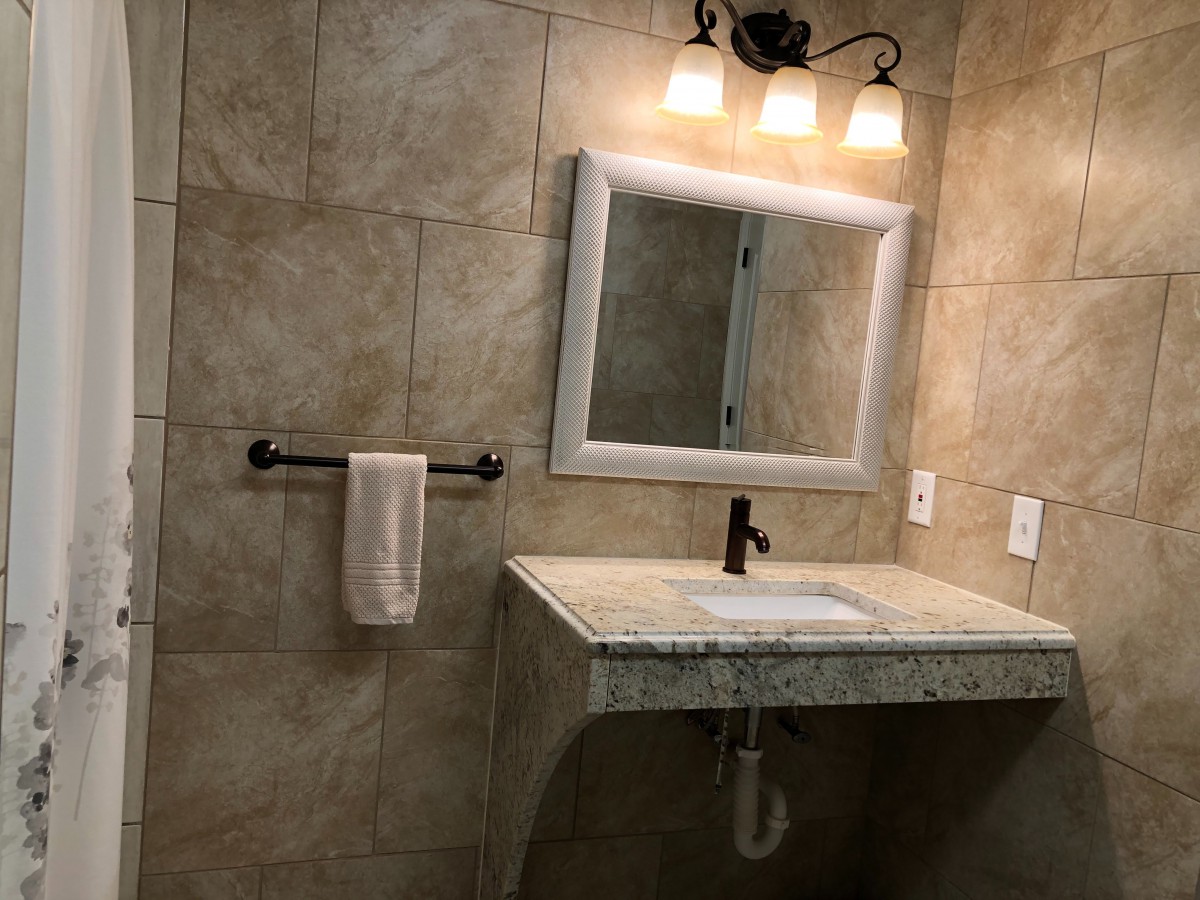
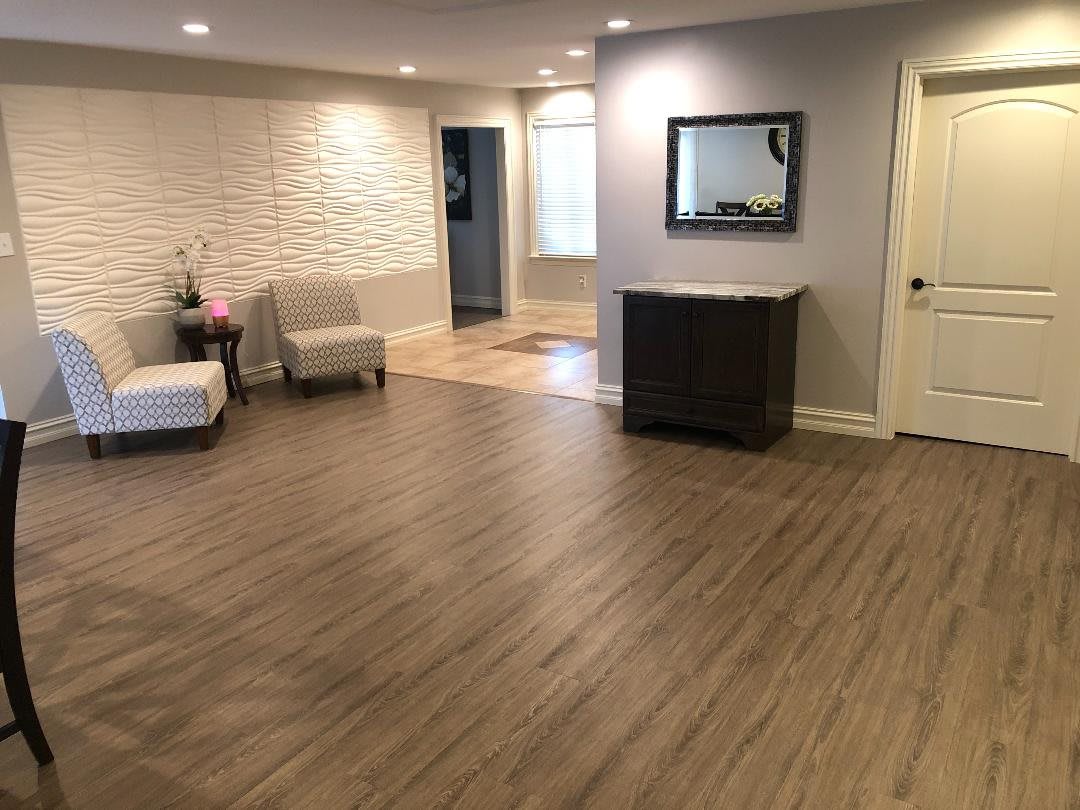
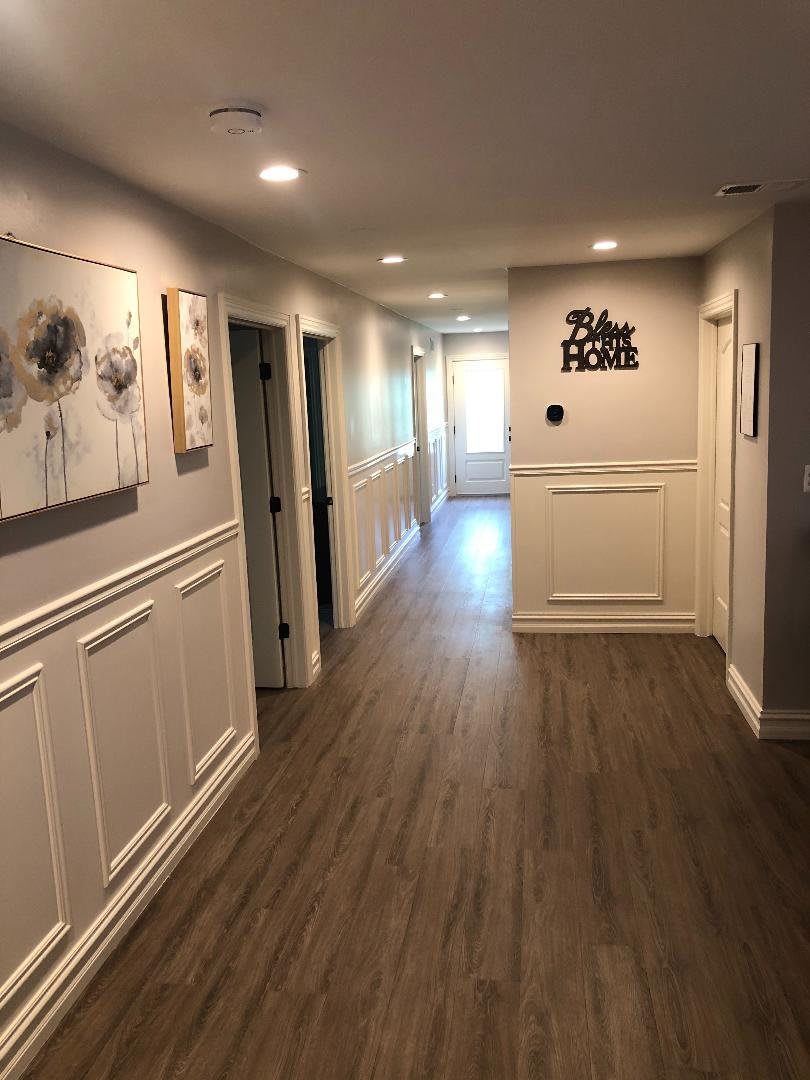
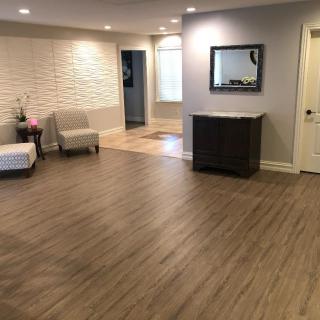
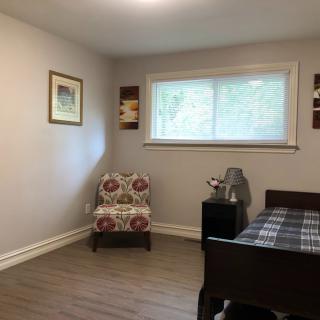
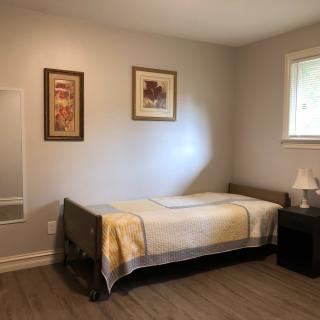
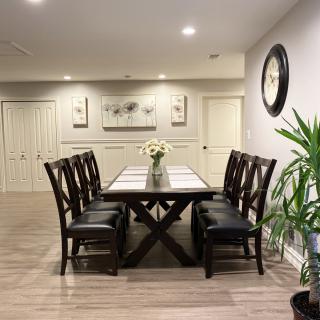
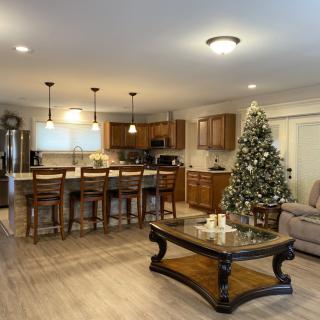
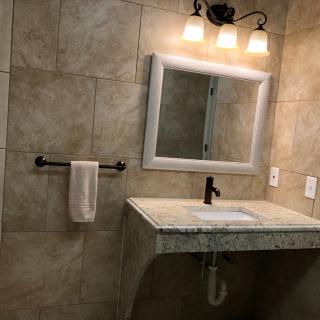
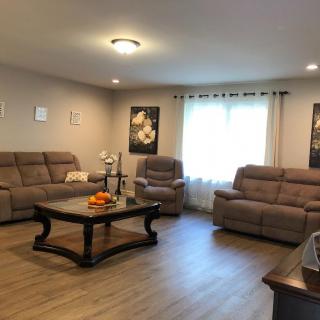
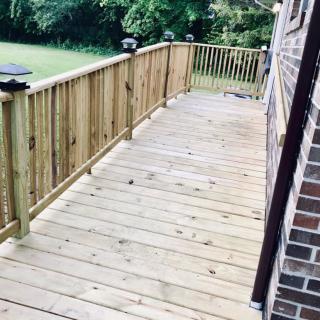
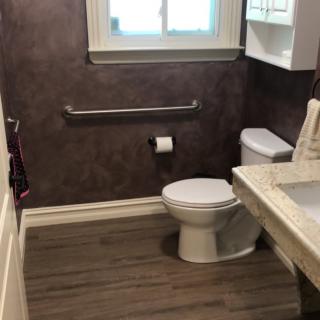
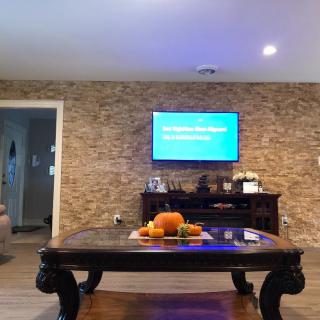
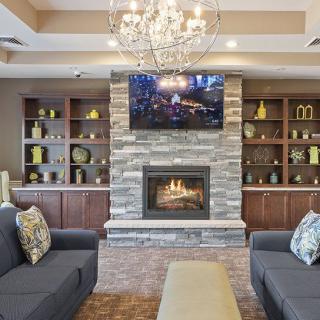
- Huron Manor Care has had an excellent remodel that enhances patient care.
Review
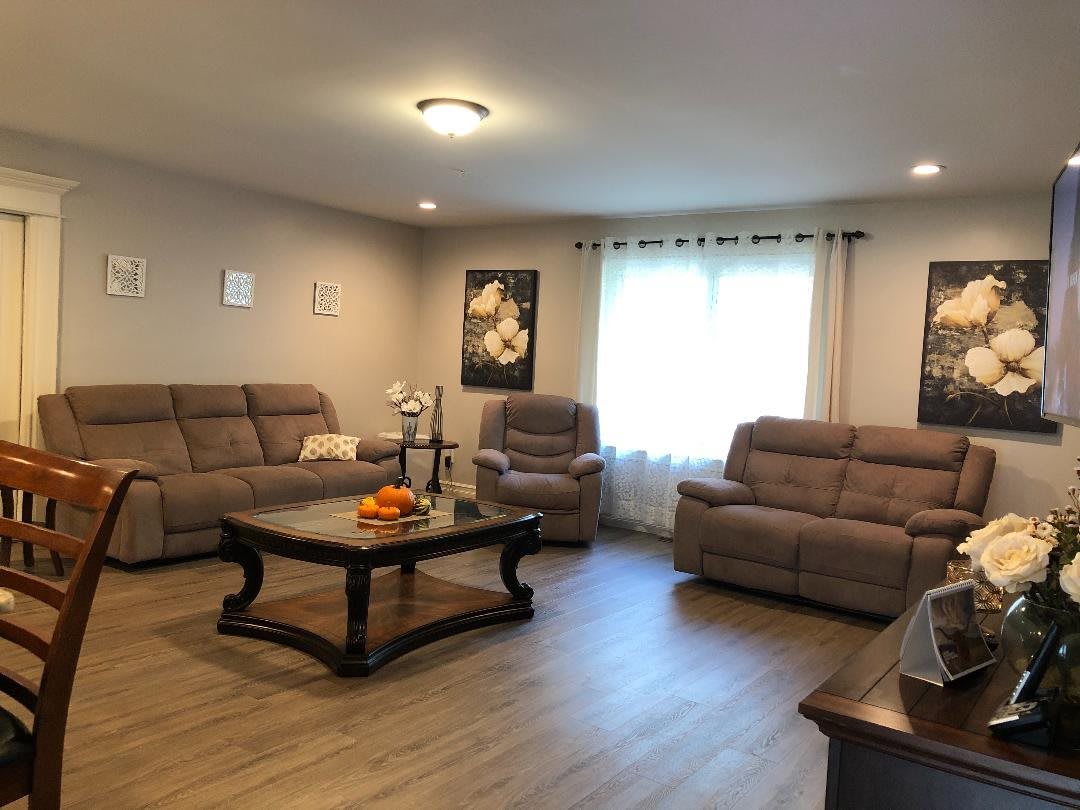
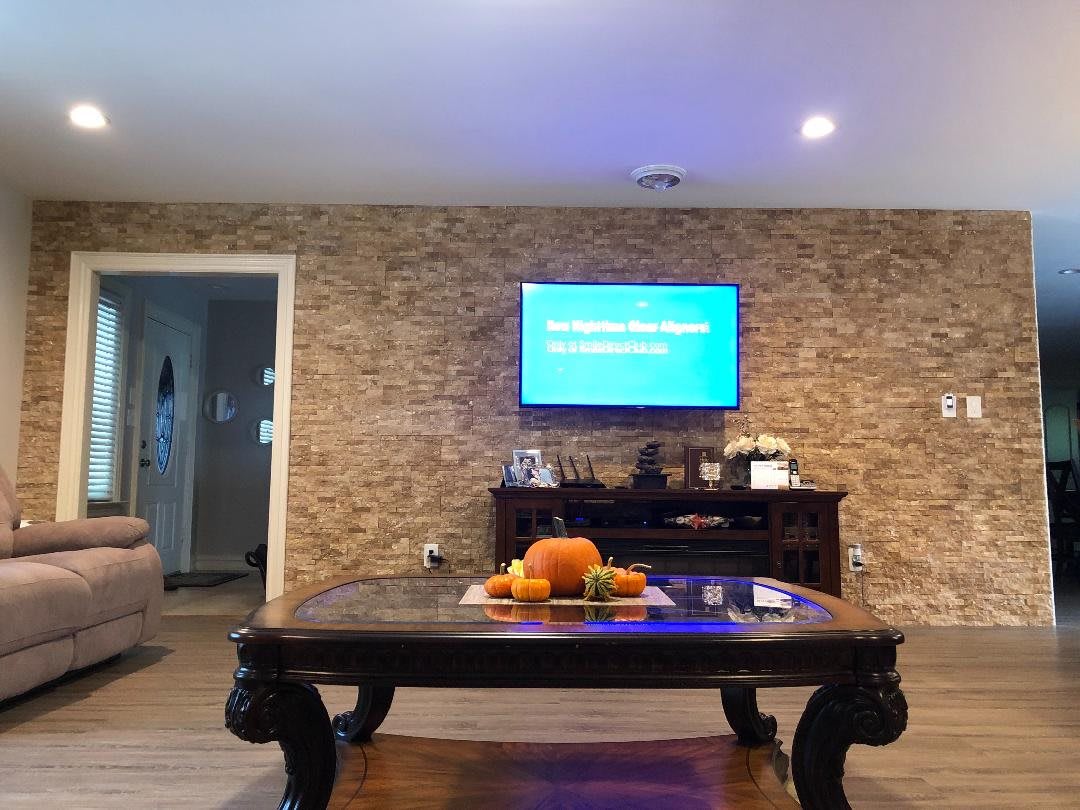
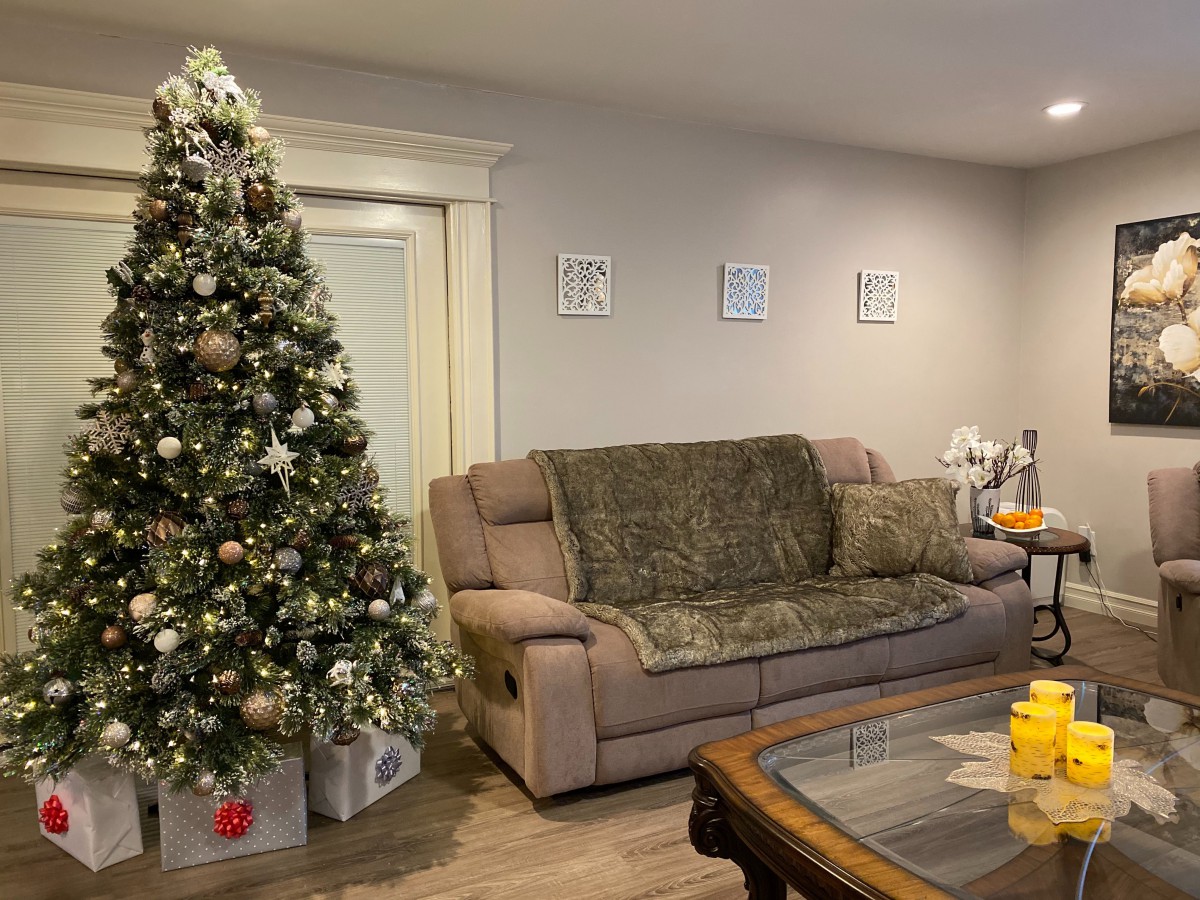
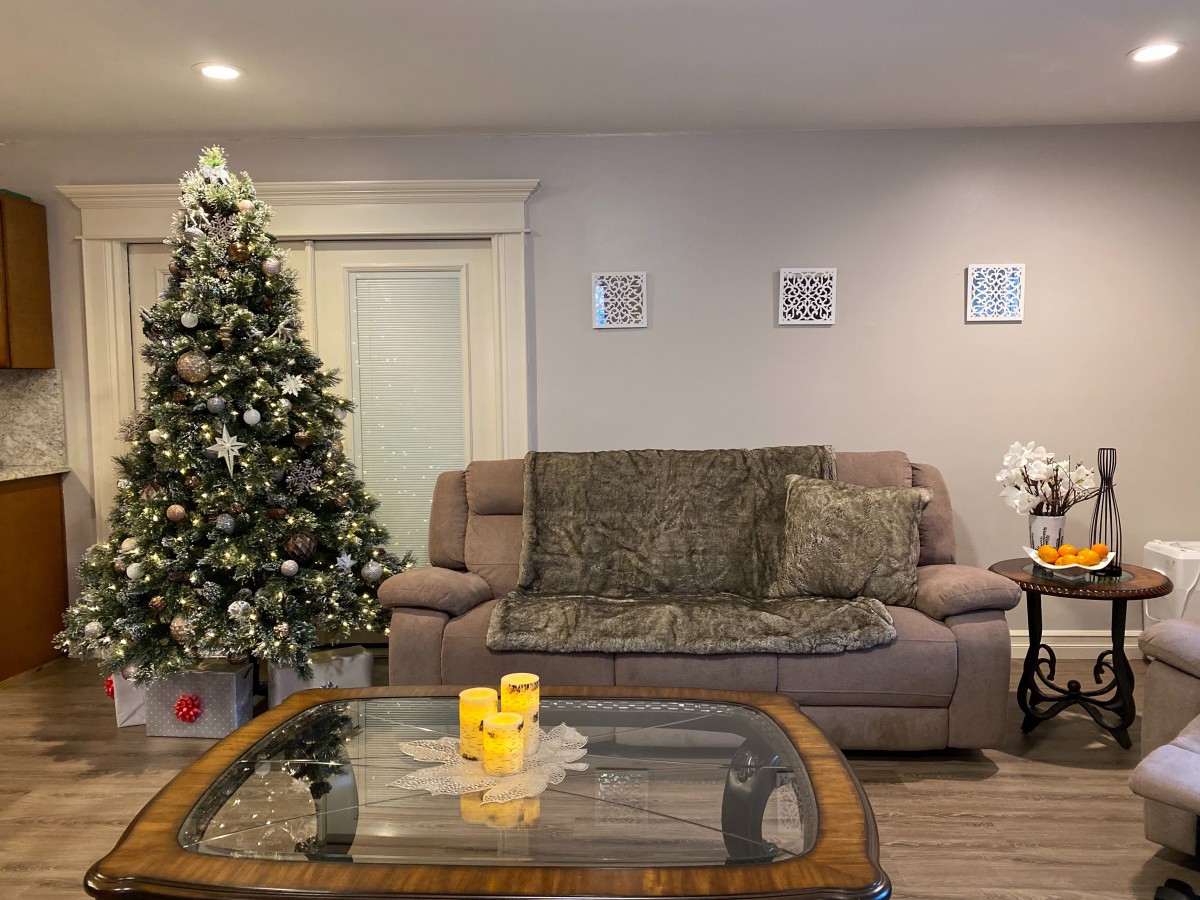
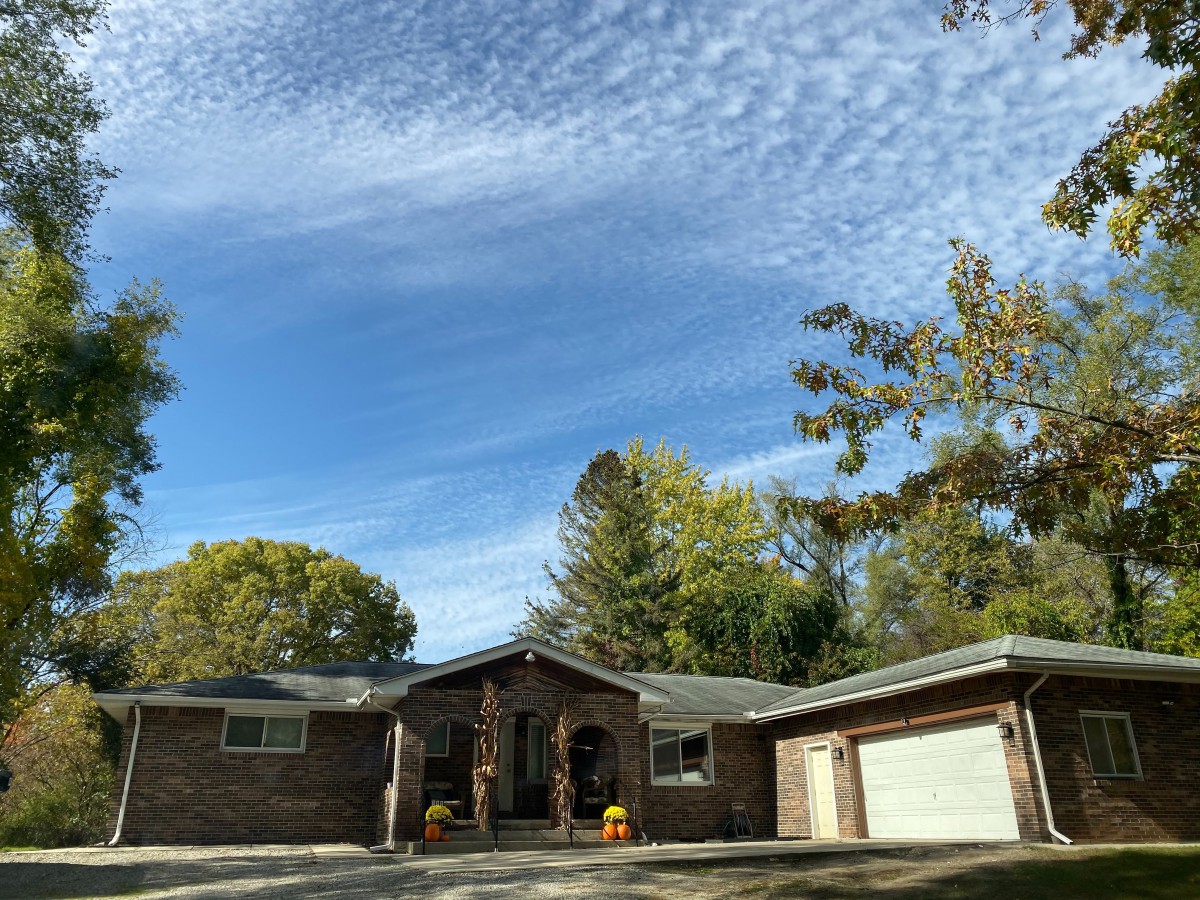
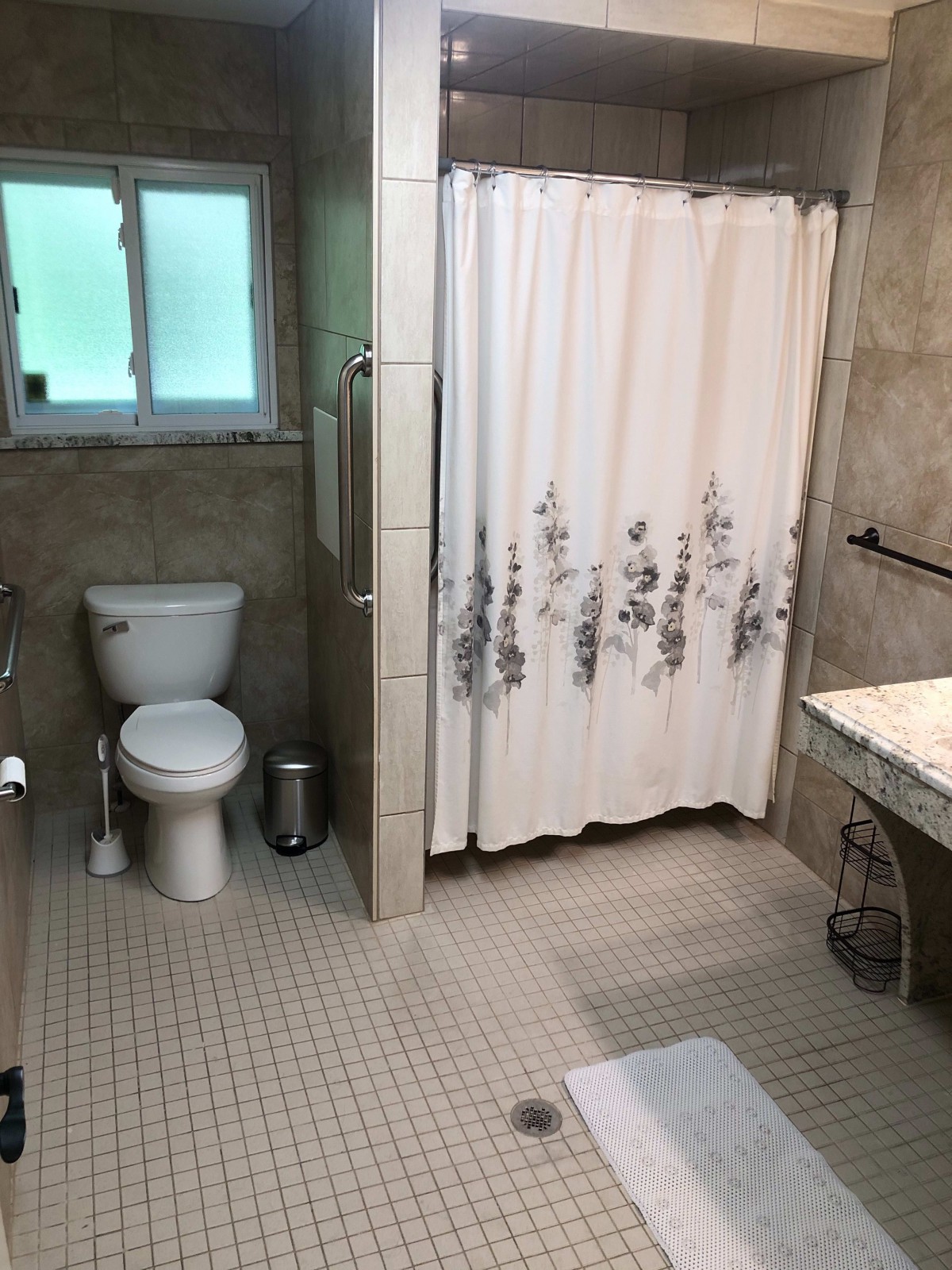
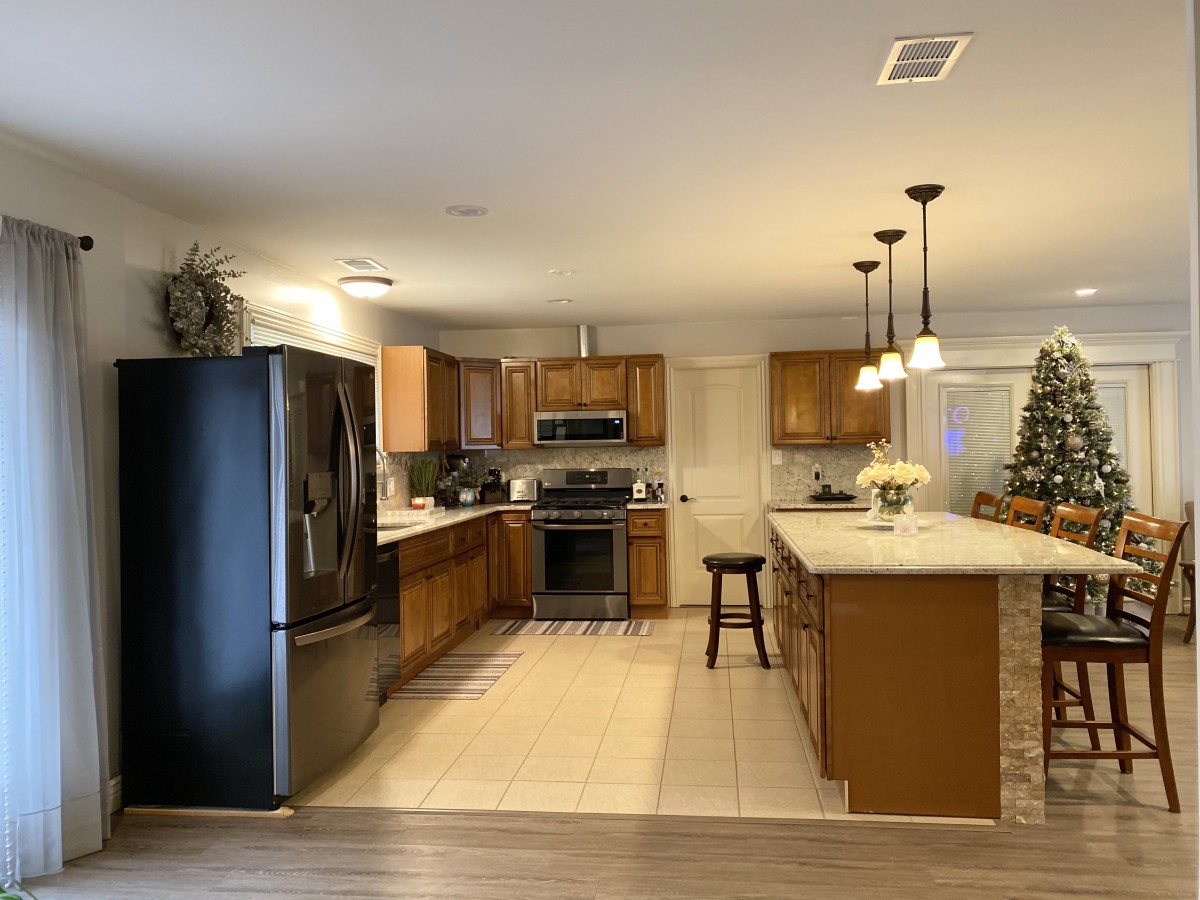
Huron Manor Care in Belleville is best suited for families seeking a small, family-run setting where genuine warmth, personal attention, and a home-like atmosphere take precedence over clinical formality. The community earns top marks for delivering care that feels personal, with staff who are described as compassionate, loving, and deeply involved in residents’ daily lives. It is the kind of place where residents are treated like extended family, where meals are homemade and thoughtfully prepared, and where the environment prioritizes comfort, belonging, and meaningful interactions over a sterile, impersonal routine. For families that want to see caregivers who know their loved one by name and notice small changes in mood or appetite, this is a standout option.
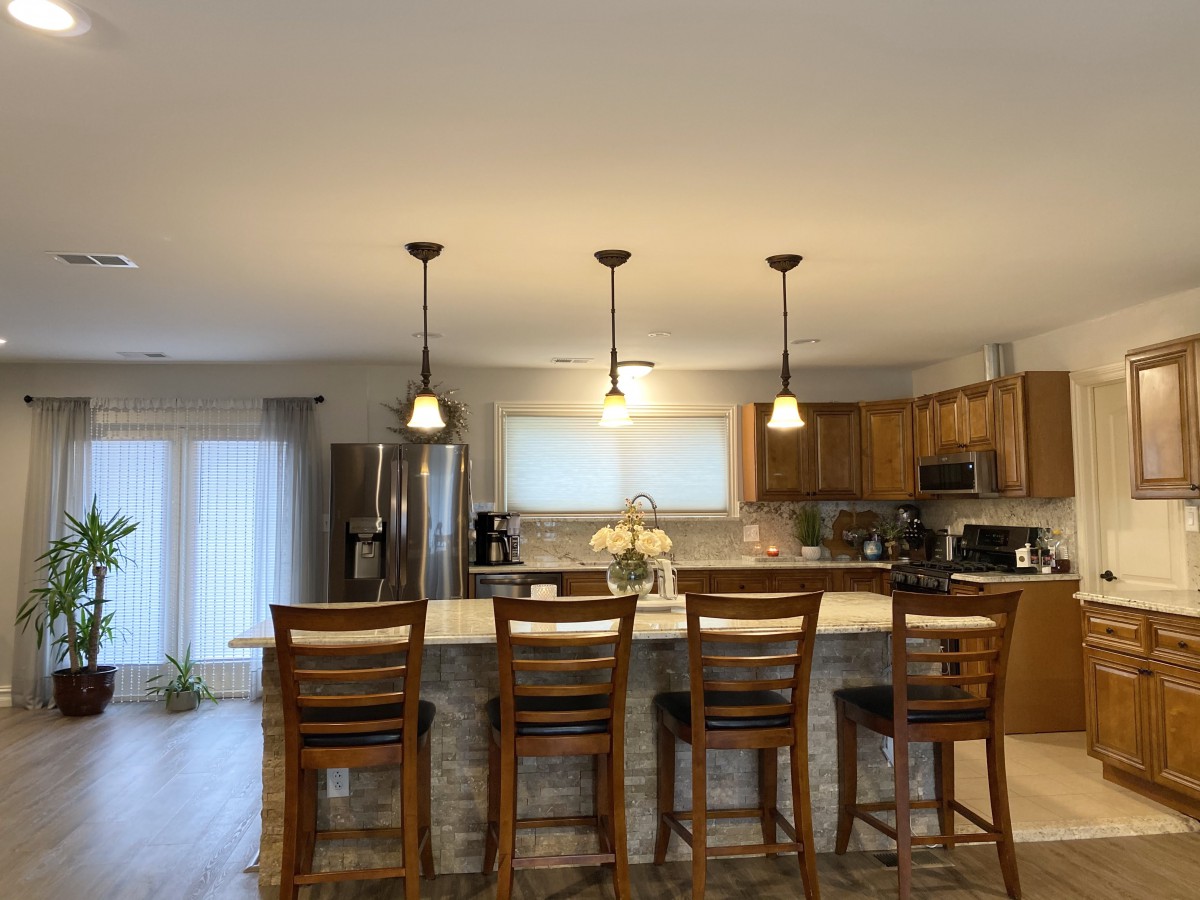
The strongest draws center on real, lived-in warmth. Residents are described as being cared for by a tight-knit team, Christina, Rodica, and others, who treat elders with respect, patience, and professional integrity. The setting is described as cozy, with the staff creating a peaceful, welcoming home atmosphere that many families find deeply reassuring. Homemade, nutritious meals are not afterthoughts but a core part of daily life, customized to dietary needs, with the kitchen functioning as a connector for social bonding around the table. Families repeatedly highlight how attentive staff and the family-oriented culture translate into visible, daily quality of life: residents engaged with care, residents permitted to be residents, and visiting family members leaving with a sense that their loved ones are cherished and protected.
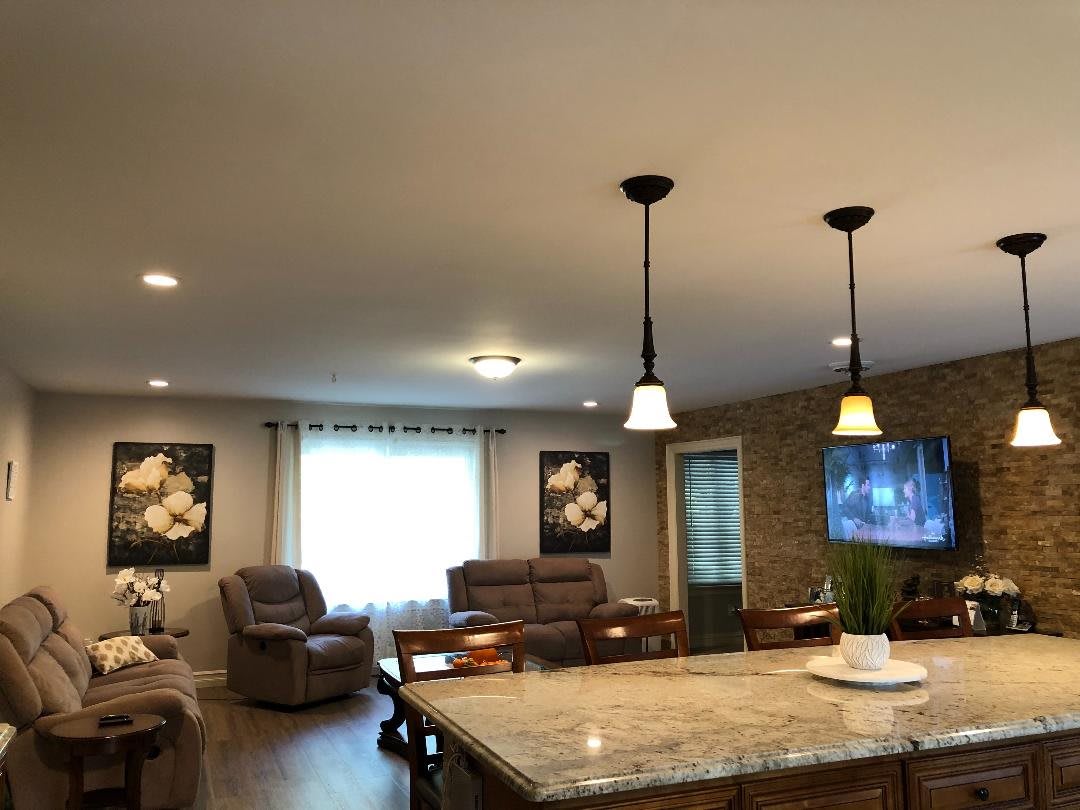
This community is especially appealing to families who value continuity, low-key social engagement, and a sense of belonging for an elder who thrives on personal connections. The presence of children in the home environment, described as a positive, heartwarming element, adds a living, familial feel that many residents respond to with comfort and joy. The remodel and thoughtful layout support attentive care without sacrificing hominess, and the willingness of staff to answer questions during visits reinforces a sense of trust and partnership with families. For seniors who want 24/7 care delivered in a nurturing setting, the combination of vigilant, compassionate staff and a supportive, home-like culture is often decisive.
However, certain realities warrant clear consideration. Prospective residents who require a highly clinical environment, advanced medical equipment, or specialized, facility-wide memory care programs may want to explore alternatives. The strength of a family-run, intimate home can become a constraint if the plan calls for broad-spectrum, hospital-like resources or aggressive, highly structured programming. In short, this is not positioned as a large-scale medical campus with exhaustive on-site specialists, but as a place where personalized attention, flexibility, and daily warmth are the program. Families should align expectations accordingly and verify the depth of medical oversight and available services for any complex care needs.
Yet the offsetting factors remain powerful. The core advantages, consistent, compassionate care; relationships that staff cultivate with residents and their families; and a nourishing, home-centered daily routine, tend to compensate for the absence of a clinical veneer. The emphasis on wholesome meals, a peaceful atmosphere, and staff who know residents’ preferences creates a stability that reduces anxiety for both residents and their families. When a loved one benefits from ongoing, attentive presence, even modest facility-scale advantages, such as easier family access, open lines of communication, and a sense of being actively cared for, can outweight the absence of larger institutional resources. These elements translate into fewer worries about isolation, rushed interactions, or impersonality.
For families weighing options, the conclusion is practical and decisive. Huron Manor Care excels for seniors who value a loving, residential ambiance, reliable day-to-day care, and the reassurance that caretakers truly see and know their loved one. It is a compelling choice for those who want to avoid the impersonal feel of bigger campuses and who prize homemade meals, family-like routines, and staff who treat residents with heartfelt respect. Those whose priorities include more clinical rigor, memory-care specialization, or extensive medical infrastructure should consider larger facilities or specialized communities. A candid next step is to visit, observe how staff interact with residents and families, inquire about staffing ratios and care plans, and confirm that the available services align with current medical and daily living needs.
 5 resident community capacity
 Assisted Living
 Board and Care Home
 Memory Care
 Activities on-site
 Air-conditioning
 Cable or satellite TV
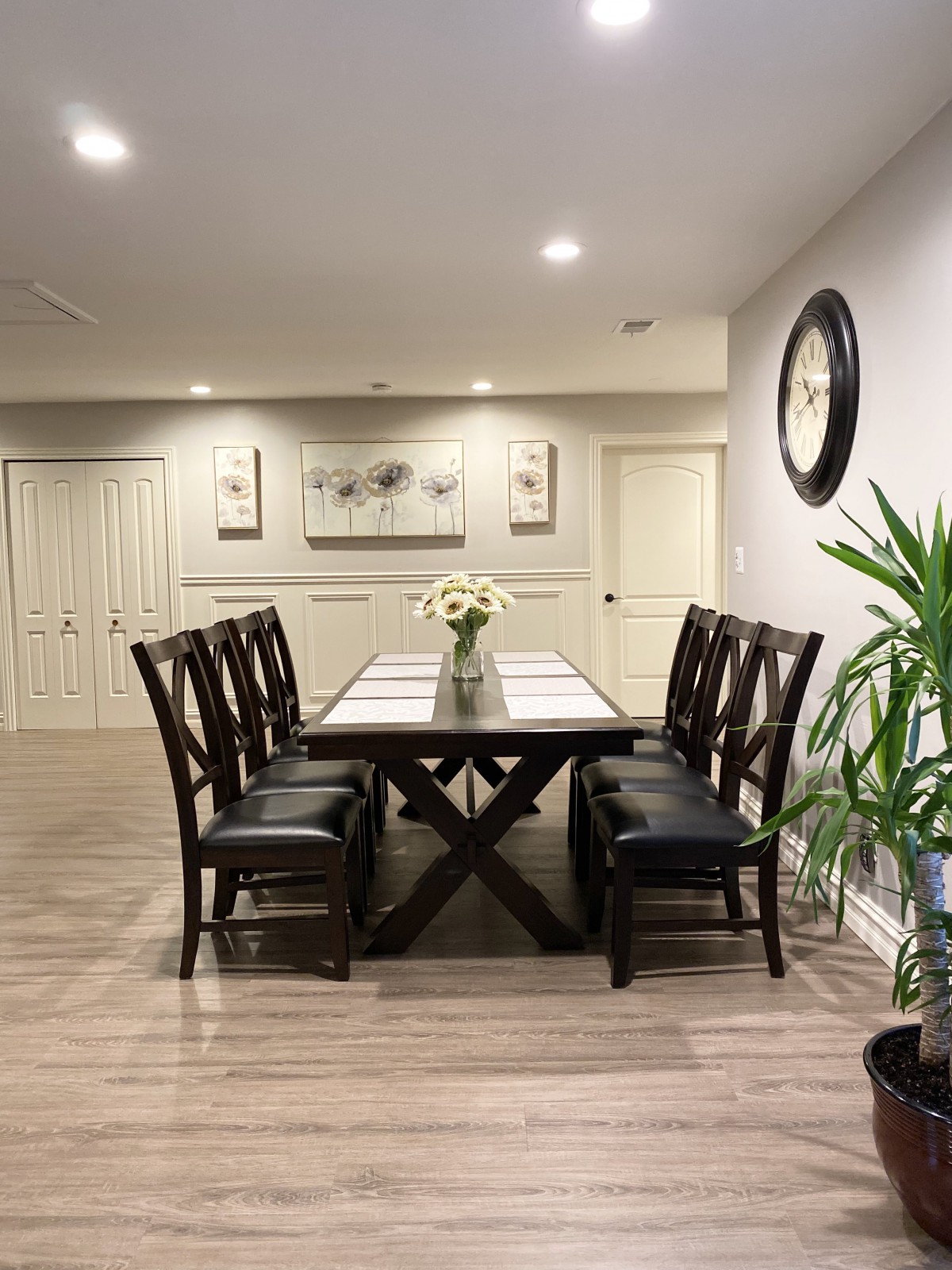
 Dining room
 Fully furnished
 Garden
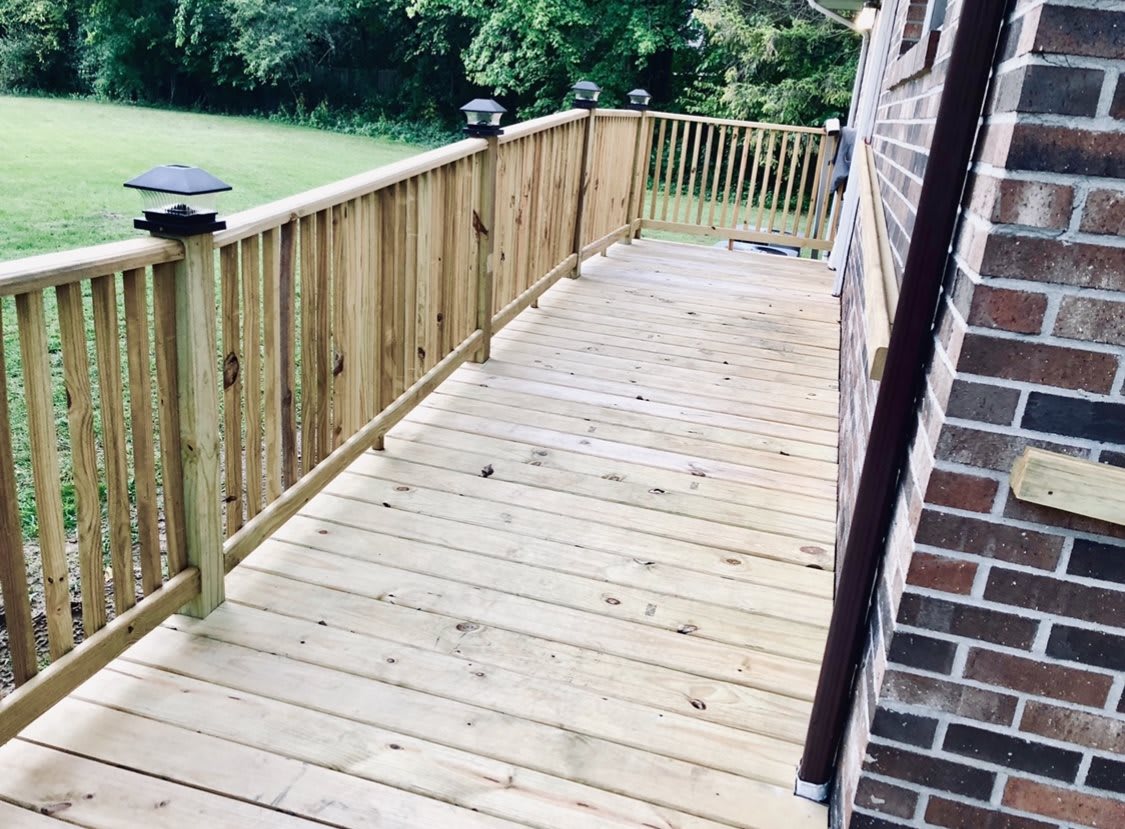
 Ground floor units
 Housekeeping services
 Indoor common areas
 Move-in coordination
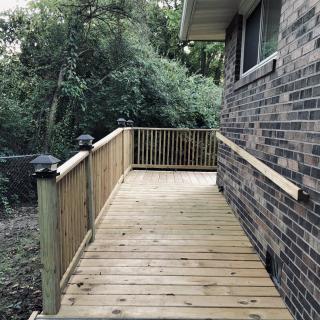
 Outdoor common areas
 Private
 Private bathrooms
 Respite or short term stays offered
 Telephone
 Wi-Fi/high-speed internet available
 Detroit Metropolitan-Wayne County (5 miles away)
 24-hour supervision
 Assistance with bathing
 Assistance with dressing
 Assistance with transfers
 Diabetes diet
 High acuity care
 Incontinence care
 Meal preparation and service
 Medication management
 Special dietary restrictions
 Transportation arrangement (medical)
 Transportation to doctors appointments
 Birthday parties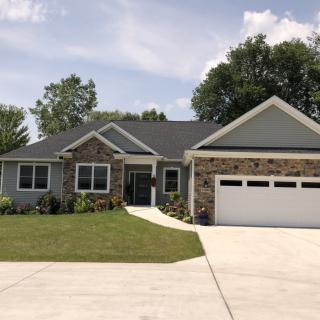

 Comprehending Evening Confusion in Dementia: Causes, Manifestations, and Support
 Delirium and Dementia: Unraveling the Key Differences
 Are Dementia and Alzheimer's Disease Lethal? A Comprehensive Exploration