




2650 Ruddiman Dr, North Muskegon, MI 49445
To contact a resident: (231) 744-2447
For more information about senior living options: (866) 208-4318
Northcrest Assisted Living Community Costs & Pricing
Northcrest Assisted Living Community offers competitive pricing for its services when compared to the broader market in Muskegon County and the state of Michigan. For instance, residents opting for a semi-private room at Northcrest can expect to pay $1,800 per month, which is significantly lower than the county average of $2,363 and well below the state average of $3,191. Those seeking more privacy can choose a studio apartment for $2,506, again undercutting both the county rate of $2,852 and the state median of $3,824. Additionally, Northcrest's one-bedroom units are priced at $2,900 - slightly above the county average but still less than the state's typical charge of $3,384. Overall, Northcrest provides an attractive balance between quality care and affordability in comparison to regional and statewide options.
| Floor plans | Northcrest Assisted Living Community | Muskegon County | Michigan |
|---|---|---|---|
| Semi-Private | $1,800 | $2,363 | $3,189 |
| Studio | $2,506 | $2,852 | $3,824 |
| 1 Bedroom | $2,900 | $2,336 | $3,384 |
Assisted Living communities with a similar price nearby
-
About the same

Christian Haven Home
$1,800 to $2,800 / month14.6 miles away -
from +$300 / mo
Robbinswood
$2,100 to $4,100 / month15.6 miles away -
from -$183 / mo
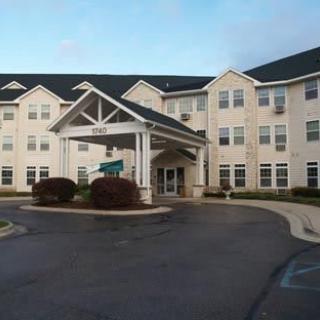
The Oaks
$1,617 to $3,192 / month3.2 miles away -
from +$200 / mo
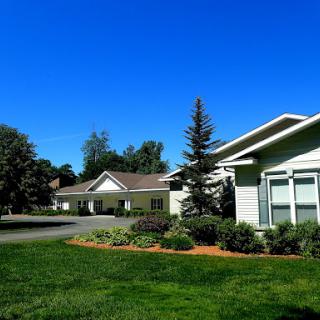
DaySpring Assisted Living
$2,000 to $2,835 / month5.8 miles away -
About the same

Whispering Ridge
$1,800 to $3,795 / month20.4 miles away
Overall Review of Northcrest Assisted Living Community
Pros
 Robbinswood Northcrest is a wonderful assisted living.
- The staff there really care for residents.
- They go above and beyond for their residents, and it shows.
- The administrative and Loft staff listened and, when appropriate, made changes to improve residents’ stays.
- During the end of life, the staff were extremely compassionate and worked with Hospice to ensure a comfortable journey.
- Robbinswood Northcrest gets a recommendation as a great choice for loved ones needing living assistance.
- Robbinswood Northwood campus has staff who treat residents with care and respect.
- New ownership has brought a better philosophy of care; staff are better educated and empowered; service and care for residents have improved; staff treat residents as family; the place looks cleaner; food is better.
Cons
 The staff threw the resident’s walker in the trash without any notification or authorization.
- At the end of life, the care was not good.
- Short staffing is the problem.
- Bed wounds covered the resident’s body, indicating neglect.
- The facility appears to prefer residents to be medicated to reduce work.
- The conversations with the head nurse are dishonorable, and doctors are hardly seen.
- The new director is cold to residents and has lied about expectations.
- The bathrooms are very small and do not meet ADA requirements.
- The activities have been degraded, with the recreation director fired and activities mostly limited to coloring pages.
- The reviewer regrets placing their loved one there.
Review
This community is best suited for families seeking a genuinely caring, person-centered environment where staff visibly advocate for residents and stay engaged with families. Northcrest, now operating as Robbinswood Northcrest under new ownership, tends to reward those who value attentive daily presence from aides and CNAs, regular family updates, and compassionate support during end-of-life moments. It works well for residents who can tolerate an older building with ongoing upgrades and who prioritize warm interactions, personalized care plans, and a sense of being treated like a family member rather than a number. Those who need intensive medical oversight or a highly structured activity calendar may find it less aligned with their expectations.
For alternatives, the clearest red flags arise for families confronting persistent short-staffing, uneven quality among aides and med techs, and inconsistent accountability. If a loved one requires high-frequency, highly specialized medical attention, or if reliable, proactive communication is non-negotiable, other communities with deeper staff complements and more robust programming should be considered. Also worth evaluating elsewhere are facilities with fully ADA-compliant bathrooms and larger social spaces, as these issues have surfaced in feedback here and can materially affect daily life for wheelchair users or socially oriented residents.
The strongest positives, staff who care deeply, reasonable value for the level of assistance, and demonstrable flexibility in care planning, often offset a portion of the downsides. Multiple reviews highlight staff members who go “above and beyond,” and family members repeatedly note that communication about a resident’s status can be regular and informative when the team is aligned. End-of-life care, in particular, is frequently described as compassionate and coordinated with hospice services, which matters greatly for families navigating difficult transitions. Even with ongoing renovations and leadership shifts, several accounts credit improved service standards and a more engaged workforce under new ownership.
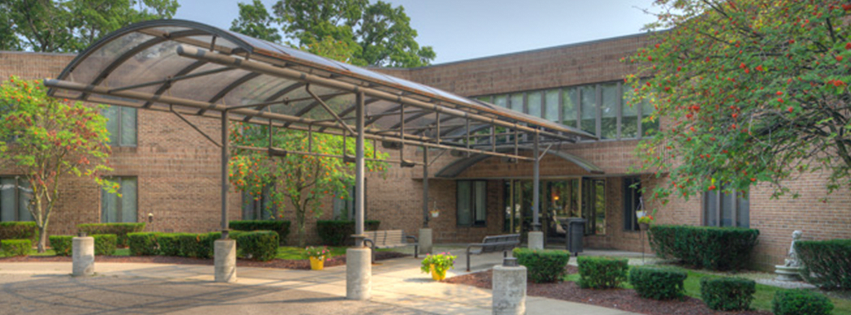
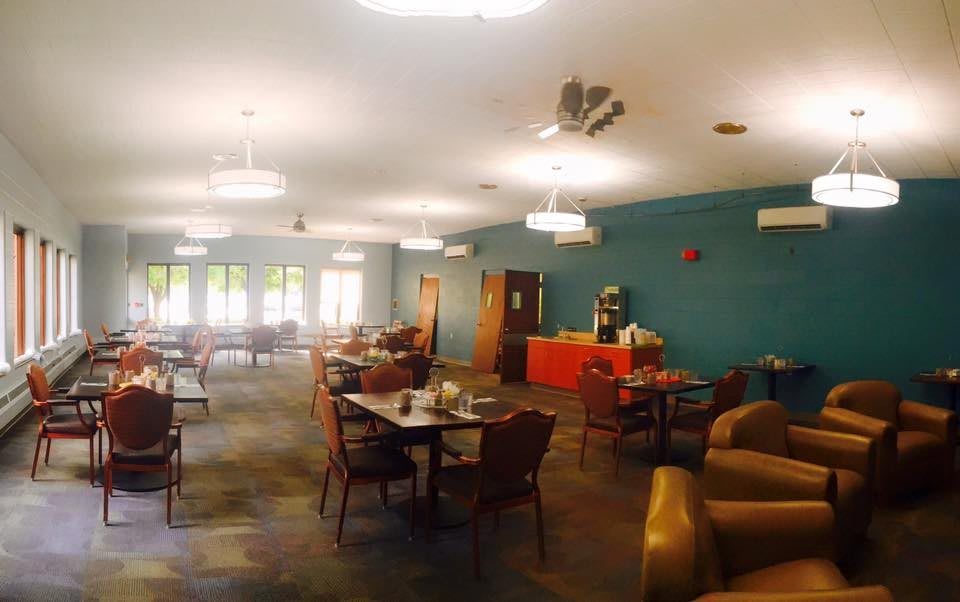
Yet the negatives cannot be dismissed. A pattern emerges of occasional care lapses and perceived indifference from some med techs and aides, especially when staffing is lean. Messages of carelessness, unaddressed bed wounds, and questions about basic needs echo in several reviews, painting a risk of inconsistent quality depending on who is on shift. The facility itself is described as aging and in transition, rooms arranged in semi-private configurations that can impede wheelchair access, narrowly sized bathrooms, and limited social or activity space. A few families report a cold administrative tone and a diminished recreation director, with activities shrinking to simpler tasks rather than a vibrant calendar, an outcome that can significantly affect mood and engagement for active residents.
The ownership transition is a critical variable to watch. Some families report meaningful improvements after new leadership, cleaner premises, better-trained staff, and brighter reputations, the impression is that the model is evolving toward more attentive, resident-centered care. Other families, however, warn against placing unconditional trust in promises and advocate for meticulous due diligence: unannounced visits, direct conversations with front-line caregivers, and a careful review of care plans, room layouts, and accessibility features. In practice, the right fit depends on the resident’s care level, tolerance for aging infrastructure, and appetite for ongoing changes in staffing and programming.
In practical terms, a decisive visit strategy should be to observe a typical day: how routines are carried out, how med passes occur, and whether the care team appears consistent and responsive. Ask pointed questions about staff-to-resident ratios, the cadence of family updates, and how care plans are revised in response to changing needs. Inspect bathrooms for ADA accessibility, check room layouts for wheelchair maneuverability, and review the latest activity calendar to gauge staying power for social engagement. The conclusion is clear: Northcrest/Robbinswood Northcrest can be a strong fit for families who prize warmth, responsive care, and end-of-life support, provided current conditions align with expectations and a clear, verifiable picture of staffing, programming, and facility upgrades is established. For those prioritizing safety, predictability, and a consistently well-staffed environment, alternatives remain worth serious consideration.
 Assisted Living
 Activities off-site
 Devotional services off-site
 Indoor common areas
 Outdoor common areas
 Respite or short term stays offered
 Wheelchair accessible showers
 Muskegon County (7 miles away)
 Diabetic care
 Incontinence care
 Medication management
 Meals provided
 Vibrant Senior Living: A Comprehensive Guide for Active Older Adults
 When to Transition from Assisted Living to Memory Care: Key Indicators, Steps, and Finding the Right Community
 Assisted Living and Memory Care: Understanding Their Core Differences