
4404 Waldo Road, Midland, MI 48642
To contact a resident: (989) 832-8500
For more information about senior living options: (866) 208-4318
Overall Review of Sterling House Of Midland
Pros
 Midland Kings Daughters is described by reviewers as the best place for a loved one.
- Every aspect of daily living—medical care, food service, maintenance, custodial, laundry, and activities—is said to be superior.
- The staff are well trained, friendly, and many are long-time employees, reflecting strong management.
- The nursing staff is exceptional and highly responsive.
- Jordon, the activities director, engages residents frequently and is beloved by them.
- Field trips and a variety of on-site and off-site activities are regularly offered.
- Medical transportation is provided for appointments outside the facility.
- Families report zero complaints and strongly recommend the facility as superb.
- The facility offers a warm, Christian atmosphere with daily devotions and chapel services, plus a diverse social program and three daily meals with varied menus.
Cons
 The admin assistant was rude.
Review
Sterling House of Midland is best suited for families seeking a faith-oriented, resident-centered assisted living that prioritizes stable, compassionate care and a robust social life. The reviews depict a community where well-trained staff, including a nursing team that responds quickly, create a dependable safety net for daily health needs. A long-tenured staff culture fuels continuity, while a lively activities program, with a dedicated director and regular field trips, keeps residents engaged and socially connected. For families valuing a non-profit ethos, clear routines, and mid-range pricing, this community presents a practical, values-driven option that delivers measurable comfort and consistency.
That said, not every family will find this the right fit. A negative note about an admin assistant suggests that front-desk interactions can vary and may affect first impressions. For those who prioritize a secular atmosphere, ultra-modern amenities, or luxury branding, alternatives that emphasize contemporary design or a more secular environment may feel like a better match. Families pursuing highly specialized memory-care programming within the same campus or a truly premium, resort-like setting should consider other options that market explicit memory-care pathways or heightened luxury services.
The main strengths, exceptional nursing care, prompt responsiveness, and staff stability, offset the occasional administrative hiccup by delivering tangible, trust-inspiring care. Quick attention to needs, dependable transportation to medical appointments, and ongoing health monitoring underpin safety and peace of mind. The social spine is equally compelling: a broad slate of activities, both on-site and off-site events, and an accessible, resident-focused approach from staff minimize isolation and foster a sense of belonging. The spiritual component, embraced through daily devotions and chapel services, can be a meaningful anchor for families who value that dimension of daily life.
Affordability and value further anchor this community’s appeal. Operating as a non-profit with mid-range pricing, it seeks to balance quality care with budget-conscious planning, an important consideration for families planning for the long haul. The campus setting, residential and near Central Park, contributes to a home-like, comforting atmosphere that supports daily rhythms and familiar routines. Yet the breadth of services beyond standard assisted living, such as memory-care-specific programming or advanced therapies, may require careful inquiry. Prospective residents should verify what is available on-site versus off-site, and how transitions would unfold if care needs escalate.
When evaluating, focus on practical gates: staffing levels during busy periods, turnover trends, dietary flexibility, and the reliability of transportation. During tours, observe staff-resident interactions across shifts and talk with multiple families about how concerns are resolved. Ask to review sample menus, activity calendars, and a transparent care-level pricing structure. If faith-based programming matters, confirm how optional participation is and whether spiritual activities align with personal preferences. Clarify the availability of on-site nursing support should needs intensify, and whether any transition pathways to more intensive care are clearly defined and affordable.
Overall, Sterling House of Midland stands as a pragmatic, credible choice for families prioritizing compassionate, stable care, a lively social life, and a mission-driven culture at a reasonable price. It is particularly strong for those who value continuity of care, active resident engagement, and a supportive community atmosphere. Families seeking a more secular environment, higher-end amenities, or explicit memory-care specialization may wish to explore other options, but for decision-making, this community earns a solid standing as a trustworthy shortlist contender. In the decision process, its strengths in care quality and social vitality should weigh heavily in favor of consideration, tempered by a clear plan to verify service breadth and administrative smoothness before committing.
 Assisted Living
 Memory Care
 Activities on-site
 Devotional services off-site
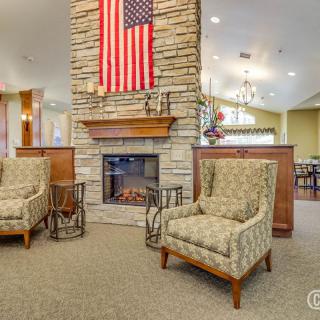
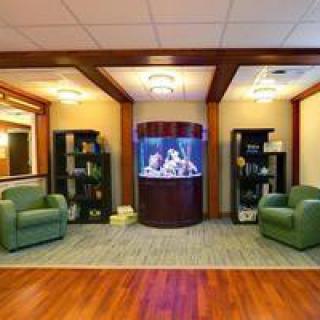
 Indoor common areas
 Mbs International (15 miles away)
 Ambulatory care
 Diabetic care
 Meals provided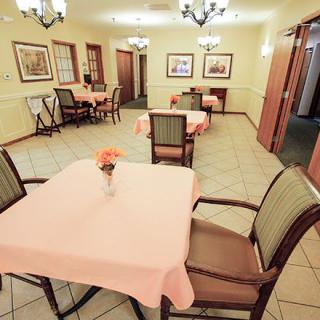





 Comprehending Evening Confusion in Dementia: Causes, Manifestations, and Support
 Delirium and Dementia: Unraveling the Key Differences
 Are Dementia and Alzheimer's Disease Lethal? A Comprehensive Exploration