
Building Ii 4617 Eastman Road, Midland, MI 48640
For more information about senior living options: (866) 208-4318
Overall Review of Cascades Senior Living III
Pros
 They describe Cascades Senior Living as a wonderful place with very nice people who take good care of loved ones.
- They report a very friendly environment for residents and family members, with staff who are kind and residents well cared for.
- They note that a resident receives good care, has her own room and bathroom, can socialize, and that caregivers are available when needed.
- They say Cascades is well-maintained and provides access to a primary care doctor for residents.
- They say their experience has been great and they would highly recommend Cascades for loved ones needing care.
- They consider it one of the top senior living facilities they have visited.
Cons
 They never answer the phone, and when they do, they say they have to get back with you and never do; they would never recommend this place.
- Cascades is the worst place, with a lack of staff and a lack of respect for residents, and they hire anyone with no experience.
- There is a concern that the primary care doctor visits residents only occasionally and doesn’t see them often enough.
Review
Cascades Senior Living III in Midland, MI tends to be most suitable for families prioritizing a social, well-kept environment where residents can have private rooms, accessible caregivers, and a friendly, relational staff. It appeals to those who want hands-on help without sacrificing independence, and who value a residence that feels lively and resident-centered. When the goal is daily companionship, visible activity, and a sense that staff are nearby when needed, this community delivers a workable fit. The emphasis on a pleasant living space and approachable caregivers makes it a reasonable option for families willing to trade some consistency in communication for a warmer, more home-like atmosphere.
Those who should consider alternatives are families for whom reliable, prompt communication and steady, experienced staffing are non-negotiables. If phone responsiveness matters, and if questions routinely go unanswered or delayed, this facility can become a source of ongoing frustration. If a resident requires consistent, high-frequency medical oversight or needs a staff team with a track record of seasoned geriatric care, other nearby communities may be better bets. Potential residents with complex or rapidly changing medical needs may find the inconsistency in staffing and medical follow-through troublesome enough to look elsewhere.
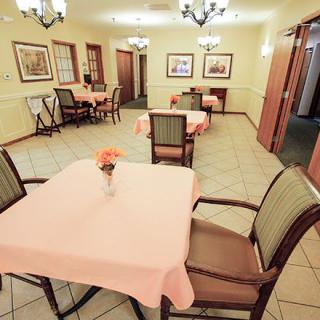
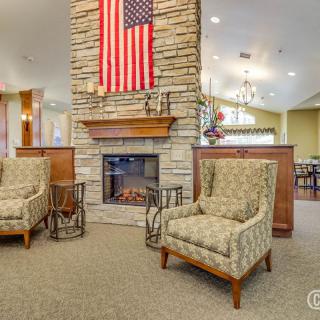
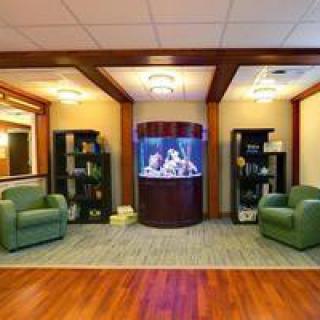
The strongest positives at Cascades relate to social viability and everyday livability. Residents generally have their own rooms and bathrooms, which supports privacy and personal autonomy. The building is described as well-maintained, with a steady stream of residents and opportunities for social interaction, which matters for mental and emotional well-being. Caregivers are reported to be available when needed, and several families emphasize the kindness and warmth of staff. In many accounts, the environment feels welcoming, and families feel supported during transitions, with staff who show genuine care for both residents and their relatives. These factors can offset smaller medical gaps for residents who prioritize companionship and a comfortable, home-like setting.
On the other hand, the cons are not trivial and they recur enough to influence decision-making. The most glaring issue is communication: multiple reviews allege phone lines that are hard to reach, unanswered questions, and delays in returning calls. Staffing levels and experience are also questioned, with some accounts describing a lack of experienced caregivers and, at times, a sense that the team is overstretched. A few families express concerns about respect and bedside manners, suggesting that not all shifts or staff members convey the same level of courtesy. Finally, there is a caveat about medical oversight: while a primary care physician visits occasionally, critics worry that this frequency does not meet the needs of some residents, creating a potential gap in ongoing medical management.
Taken together, the pros and cons create a facility that works well for certain families but raises red flags for others. The key positives, private rooms, a well-kept facility, a lively atmosphere, and caregivers who are available, provide a solid foundation for daily comfort and social engagement. These benefits can significantly offset the burden of less-than-ideal communication or uneven staffing, particularly for residents who thrive on interaction and routine rather than intensive medical management. Yet the weight of the negatives cannot be dismissed: unreliable responsiveness and questions about staffing quality can undermine trust, especially for families navigating new care needs or those requiring timely updates and escalation when issues arise.
For families evaluating Cascades, the practical path is to verify both fronts upfront. A targeted visit should focus on real-time interactions with front-desk staff and a cross-section of caregivers, plus a meeting with the administrator to map out escalation procedures and typical response times. Ask to review the current staffing matrix by shift, inquire about staff training, and request examples of how care teams handle urgent requests. Request opportunities to observe care during different times of day, and, if possible, arrange a short respite stay to gauge day-to-day dynamics before committing. It is also prudent to verify the cadence of medical oversight: confirm the visiting schedule for the primary care physician and discuss what happens if medical needs arise between visits.
In the end, Cascades Senior Living III serves as a practical choice for families who prize a warm, social setting and the comfort of a well-maintained home-like environment, and who can tolerate variances in responsiveness and staffing quality. For those who demand unwavering communication, tightly managed medical oversight, and consistently high staffing levels, broader options in Midland should be explored. The balance hinges on matching a resident’s temperament and medical needs to how the community handles communication, staffing reliability, and physician involvement. A careful, hands-on evaluation, emphasizing real-world interactions, response expectations, and a clear plan for medical follow-up, will reveal whether Cascades can become the steadier, trusted home sought by the family, or whether another option better aligns with the non-negotiables of care.
 14 resident community capacity
 Assisted Living
 Cable or satellite TV
 Dining room
 Fully furnished
 Garden
 Housekeeping services
 Move-in coordination
 Outdoor space
 Telephone
 Wi-Fi/high-speed internet available
 Mbs International (17 miles away)
 24-hour supervision
 Activities of daily living assistance
 Assistance with bathing
 Assistance with dressing
 Assistance with transfers
 Diabetes diet
 Meal preparation and service
 Medication management
 Special dietary restrictions
 Transportation arrangement (medical)
 Transportation to doctors appointments



 Understanding the True Cost of Assisted Living in 2025: A Comprehensive Guide
 Understanding Medicaid Coverage for Assisted Living: A Comprehensive Guide
 How and When Medicaid May Cover Assisted Living Costs