

Green Acres Retirement Living in Mason, MI

Save

  • Interior

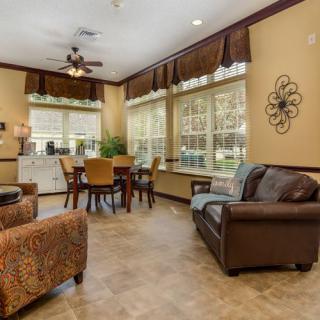
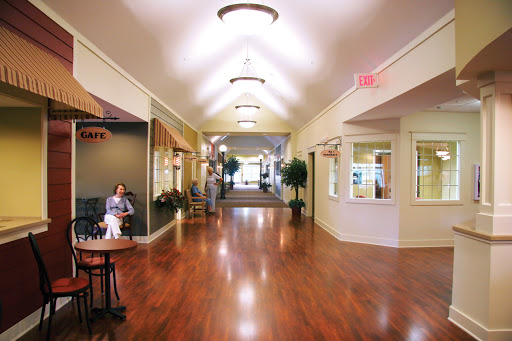
    A spacious and well-lit hallway with wooden flooring, featuring seating areas and decorative plants.
  • Building

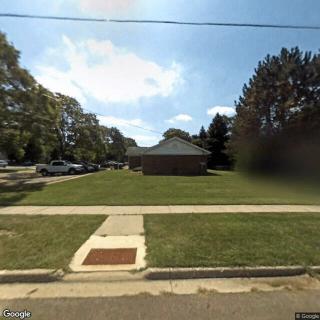
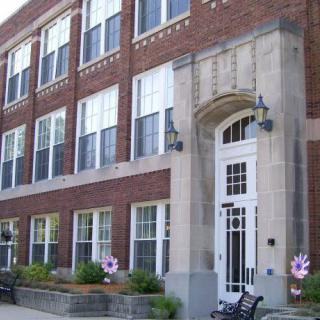
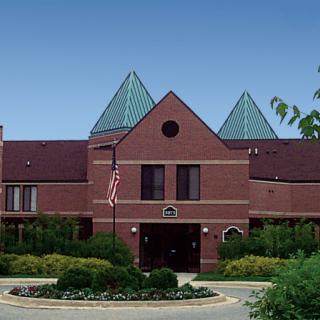
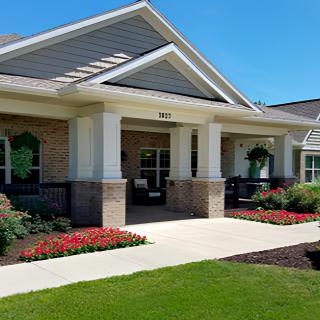
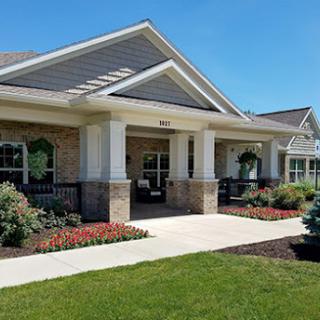
    A well-maintained building entrance with landscaped gardens and a green lawn.
  • Architecture

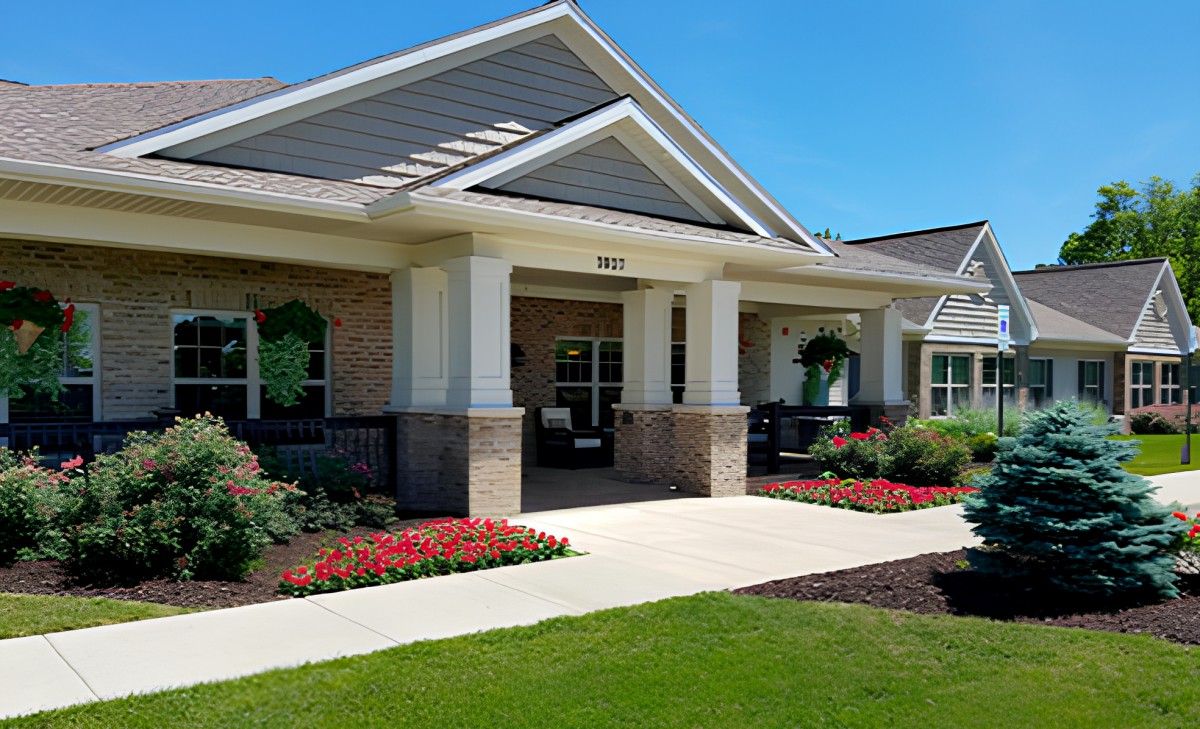
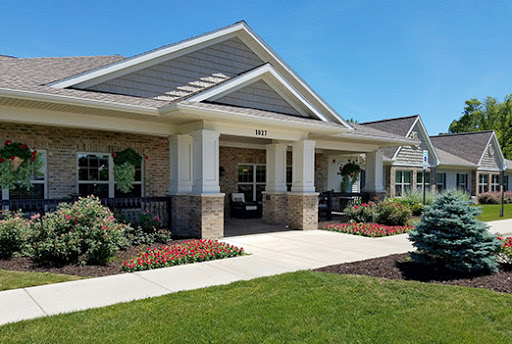
    A charming residential building featuring a welcoming front porch and well-maintained landscaping.
  • Windows

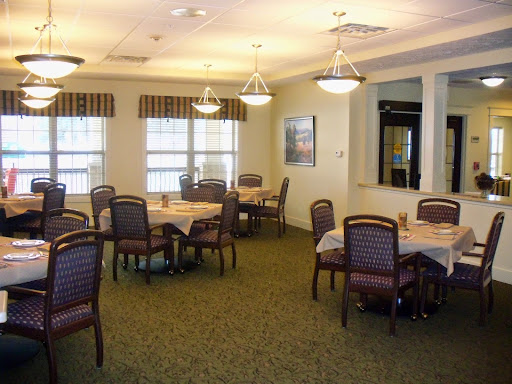
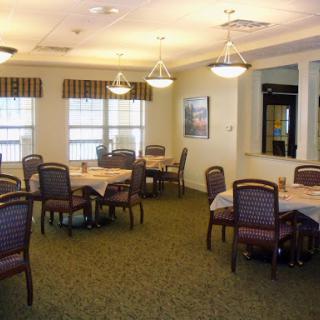
    A cozy dining area set for a meal, featuring tables and chairs arranged in an inviting layout.
  • Outdoor

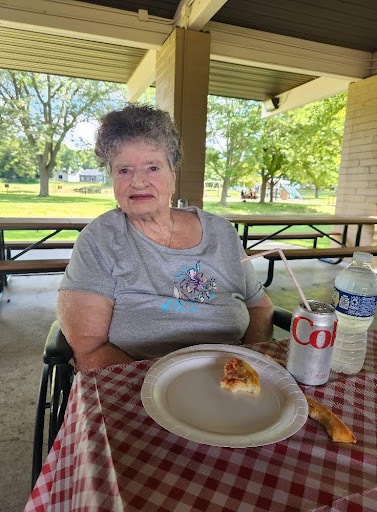
    A woman enjoying a meal outdoors at a picnic table.
  • Wheelchair

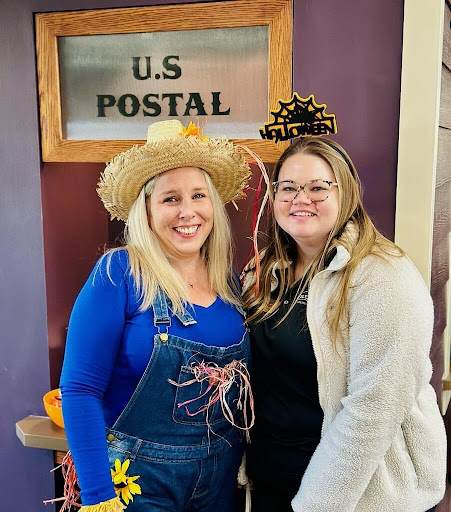
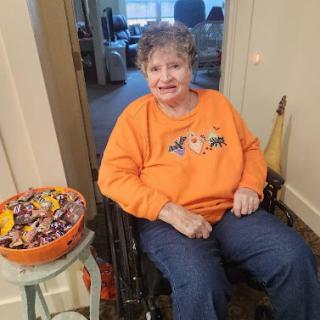
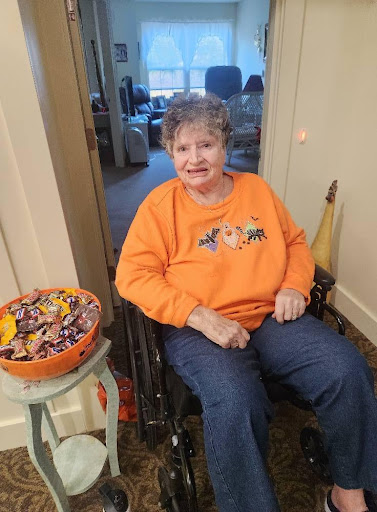
    A smiling woman in a wheelchair, dressed in an orange sweater for Halloween, sitting beside a bowl of candy.

Green Acres Retirement Living in Mason, MI

Information last verified:

1025 East Ash Street, Mason, MI 48854

For more information about senior living options: (844) 490-3973

4.1 from 19 reviews
5 stars
14
4 stars
0
3 stars
1
2 stars
0
1 stars
4

Seniors.FYI Elite Community Awards

Top 5% Senior Living Community in 2023

Add this award to your website

Overall Review of Green Acres Retirement Living

Pros

  • pro The facility is clean and nicely designed.
  • pro All the staff are very nice.
  • pro The place is wonderful, with great staff, great accommodations, and much love for each resident.
  • pro Residents are very well taken care of by compassionate staff.
  • pro The facility is very beautiful and clean, and the staff are compassionate.
  • pro Green Acres is a lovely place with lovely people.

Cons

  • pro The food needs to be improved.
  • pro The employees were very rude.
  • pro The staff were inexperienced, the food was bad, and the administrator had poor communication skills.

Review

Green Acres Retirement Living in Mason, MI is best suited for families seeking a warm, home-like atmosphere where care is delivered with genuine affection and residents feel treated like members of a close-knit family. The stronger testimonials emphasize a clean, well-designed environment and staff who cultivate meaningful connections with residents. This community appeals to families that value provenance of care, the sense that staff know residents by name, anticipate needs, and create a comforting daily routine. For seniors who prize a cozy, almost familial vibe over a uniformly polished dining program or problem-free admin interactions, Green Acres presents a compelling, if imperfect, option.

At the same time, it is prudent to consider alternatives for anyone who cannot compromise on consistent staff quality, spotless dining execution, and streamlined administrative communication. The reviews can be uneven on these fronts: some residents describe rude staff or inexperienced aides, and one account highlights poor communication by the administrator. If secure, effortless encounters with front-desk personnel and a consistently high standard of meals are non-negotiable, other communities with more uniform staffing patterns or more predictable culinary programs may be a better fit. For families navigating complex medical or memory-care needs, evaluating the level of clinical support and staff stability becomes essential before deciding.

The strongest positives center on atmosphere and heart. Cleanliness and thoughtful design recur in multiple notes, alongside praise for staff who are described as compassionate, caring, and nearly family-like. When residents feel truly understood and comfortable, the value of a home-centered environment grows: the sense that daily living is about companionship as much as assistance. These pros can meaningfully offset certain drawbacks, particularly for residents who prioritize emotional well-being and social connectedness. A family-like dynamic can make transitions smoother, reduce agitation, and encourage engagement in activities that preserve dignity and independence.

Yet the downsides cannot be ignored. The Food Quality appears inconsistent, with several comments urging improvement and at least one report labeling meals as bad. Add to that reports of rude employees and instances of inexperienced staff, and the risk of fluctuating experiences becomes real. Administrative communication also surfaces as a pain point in at least one testimonial, suggesting that some families may encounter gaps in information or responsiveness. Taken together, these concerns can erode confidence for families whose expectations include reliable dining, seamless communications, and steady, well-trained caregiving across shifts.

For families moving forward, a practical decision framework to apply includes: requesting a candid tour at different times of day to observe how staff interact with residents; asking for a current, sample menu and dining schedules to gauge consistency and variety; inquiring about staff training, retention, and coverage during evenings and weekends; discussing how care plans are communicated to families, with specific points of contact and follow-up timelines; and evaluating whether respite or trial stays are possible to test living rhythms before a long-term commitment. Pricing transparency, what is included in monthly rates, and any additional fees also deserve close scrutiny so expectations align with reality.

Overall, Green Acres Retirement Living stands out for families who value a sincere, home-like approach to senior living and are willing to accept some variability in dining and administrative responsiveness as trade-offs for a compassionate, person-centered culture. The reviews show a dichotomy: warmth, attentiveness, and a sense of belonging on one side, and concerns about meals, staff consistency, and admin communication on the other. The community can deliver remarkable peace of mind when the emphasis is on interpersonal connections and a nurturing environment; it may disappoint when the daily routine hinges on flawless menus, uniform staffing, and streamlined information flow. For the right resident and family, the fit is strong; for those who demand higher consistency across meals and administration, exploring a few alternatives will save time and aggravation.

Features

Housing

  • 20 resident community capacity 20 resident community capacity

Types of Care

  • Assisted Living Assisted LivingAssisted living facilities provide crucial support and care for seniors who may need help with daily tasks such as medication management, bathing, and meal preparation. These communities offer a safe and comfortable environment where seniors can maintain their independence while receiving the assistance they need to thrive in their golden years.
  • Board and Care Home Board and Care HomeBoard and care homes provide a smaller, more intimate setting for seniors who require assistance with daily tasks but do not need the level of care offered by a nursing home. They offer personalized care, meals, and social activities in a homelike environment, ensuring that seniors receive individualized attention and support in their golden years.
  • Memory Care Memory CareMemory care is crucial for seniors as it provides specialized support and services for individuals with dementia or Alzheimer's disease. These programs offer a safe and secure environment where residents receive personalized care, cognitive stimulation, and help with daily activities. Memory care helps seniors maintain their independence, quality of life, and dignity while also providing peace of mind for their families.
  • Respite Care Respite CareRespite care provides temporary relief for caregivers, allowing them to recharge and attend to their own needs. It also gives seniors the opportunity to socialize, receive professional care, and experience a change of scenery, promoting overall well-being and reducing feelings of isolation.

Amenities

  • Beauty salon Beauty salonBeauty salons are important for seniors because they provide a space for them to feel pampered, socialize, and maintain their personal grooming and hygiene. Regular visits to a beauty salon can help boost seniors' self-esteem and overall well-being.
  • Cable or satellite TV Cable or satellite TVCable or satellite TV is important for seniors because it provides entertainment, news, and companionship, helping to combat loneliness and boredom. It also offers a wide range of programming options tailored to different interests and preferences.
  • Dining room Dining roomDining rooms are important for seniors as they provide a space for socialization, connection, and nutritious meals. They offer opportunities for residents to bond over shared meals, foster a sense of community, and promote healthy eating habits. Dining rooms also ensure that seniors have access to well-balanced meals tailored to their dietary needs and preferences.
  • Fully furnished Fully furnishedFully furnished senior living communities are important for seniors because they provide convenience, comfort, and a hassle-free moving experience. Seniors can easily settle into their new living space without the stress of having to buy and move furniture. This allows them to focus on enjoying their new home and community.
  • Garden GardenGardens are important for seniors as they provide a peaceful and therapeutic environment for relaxation, physical activity, and socialization. Being in nature has been shown to reduce stress, improve mood, and promote overall well-being. Gardens also offer opportunities for seniors to engage in gardening activities, which can improve mobility, flexibility, and cognitive function. Additionally, gardens create a sense of community and connection with others who share a passion for plants and outdoor spaces.
  • Housekeeping services Housekeeping servicesHousekeeping services are important for seniors because they help maintain a clean and safe living environment, promote independence, and reduce the risk of accidents or illnesses. Additionally, having assistance with household chores can alleviate physical strain and allow seniors to focus on other aspects of their well-being.
  • Kitchenette KitchenetteKitchenettes are important for seniors living in senior living communities because they provide the convenience and independence of being able to prepare simple meals and snacks in the comfort of their own living space. This can help promote a sense of autonomy and well-being for seniors, allowing them to maintain some level of control over their dietary choices and daily routines.
  • Move-in coordination Move-in coordinationMove-in coordination is important for seniors because it helps ease the transition into their new living environment. It ensures that all logistics, such as packing, organizing movers, and setting up utilities are taken care of, allowing seniors to focus on settling in and adjusting to their new home. Having a smooth move-in process can alleviate stress and anxiety, making the transition smoother and more enjoyable for seniors.
  • Outdoor space Outdoor spaceOutdoor spaces are important for seniors as they provide opportunities for physical activity, social interaction, exposure to natural light and fresh air, and a sense of connection to nature. Having access to outdoor spaces can improve overall well-being and quality of life for older adults living in senior communities.
  • Telephone TelephoneTelephones are important for seniors as they provide a lifeline for communication with loved ones, emergency services, and healthcare providers. They offer a sense of security and independence, enabling seniors to stay connected and access assistance when needed.
  • Wi-Fi/high-speed internet available Wi-Fi/high-speed internet availableWi-Fi/high-speed internet is important for seniors to stay connected with loved ones, access online resources, and participate in virtual activities to combat feelings of loneliness and isolation. It also allows them to easily manage healthcare needs, access entertainment, and engage in lifelong learning opportunities.

Transportation

  • Capital City (16 miles away) Capital City (16 miles away)

Care Services

  • 24-hour call system 24-hour call system24-hour call systems are important for seniors because they provide peace of mind and immediate assistance in case of emergencies. This technology ensures that help is always available, promoting safety and security for elderly individuals living alone or in assisted living facilities.
  • 24-hour supervision 24-hour supervision24-hour supervision is important for seniors to ensure their safety, well-being, and access to immediate assistance in case of emergencies or health issues. This constant support provides peace of mind for both seniors and their loved ones, allowing them to age in place with dignity and security.
  • Activities of daily living assistance Activities of daily living assistanceActivities of daily living assistance are important for seniors because they provide essential support with tasks such as eating, bathing, dressing, and mobility. This assistance helps seniors maintain their independence, dignity, and overall quality of life as they age.
  • Assistance with bathing Assistance with bathingAssistance with bathing is crucial for seniors as it helps maintain personal hygiene, prevents infections, and ensures their overall well-being and comfort. It also provides a sense of dignity and independence for seniors who may struggle with this task on their own.
  • Assistance with dressing Assistance with dressingAssistance with dressing is important for seniors because it helps maintain their independence, promotes personal hygiene, prevents accidents and injuries, and improves overall quality of life. This service ensures that seniors can continue to dress comfortably and confidently, despite any physical limitations they may have.
  • Assistance with transfers Assistance with transfersAssistance with transfers is crucial for seniors as it helps prevent falls and injuries, maintains their independence, and ensures they can safely navigate their living environment. It also provides peace of mind for both seniors and their loved ones.
  • Coordination with health care providers Coordination with health care providersCoordination with health care providers is crucial for seniors to ensure proper medical care, medication management, and overall well-being. This collaboration helps prevent overlapping treatments, track progress more effectively, and provide comprehensive support tailored to individual needs.
  • Dementia waiver Dementia waiverDementia waivers are essential for seniors as they provide critical protections and accommodations for those experiencing cognitive decline. These waivers ensure individuals with dementia receive appropriate care, support, and resources to maintain their quality of life and dignity as they navigate the challenges of this progressive condition.
  • Diabetes diet Diabetes dietA diabetes diet is crucial for seniors as it helps manage blood sugar levels, reduce risks of complications, and improve overall health and well-being. By following a balanced and nutritious diet tailored to their specific needs, seniors can better control their diabetes and enhance their quality of life.
  • Hospice waiver Hospice waiverHospice waivers are important for seniors because they allow individuals to receive specialized end-of-life care and support at home or in a hospice facility. This waiver ensures that seniors can access the necessary resources and services to maintain comfort and dignity during their final days.
  • Meal preparation and service Meal preparation and serviceMeal preparation and service are crucial for seniors as they may have limited mobility or energy to cook nutritious meals. Having access to healthy and convenient food options can ensure they are getting the proper nutrition needed to maintain their overall health and well-being.
  • Medication management Medication managementMedication management is crucial for seniors to ensure they are taking the right medications at the correct dosages and times. This helps prevent adverse drug interactions, reduces the risk of medication errors, and promotes overall health and well-being. Proactive management also allows for adjustments as needed based on changing health conditions or new prescriptions.
  • Mental wellness program Mental wellness programMental wellness programs are essential for seniors as they promote cognitive stimulation, emotional support, and social engagement. These programs help prevent isolation, depression, and cognitive decline, ultimately enhancing the overall quality of life for older adults.
  • Mild cognitive impairment Mild cognitive impairment"Mild cognitive impairment" is important for seniors because it is an early stage of cognitive decline that can potentially progress to more severe conditions such as dementia. Recognizing and addressing mild cognitive impairment can help seniors receive appropriate care and support to maintain their quality of life and independence for as long as possible.
  • Special dietary restrictions Special dietary restrictionsSpecial dietary restrictions are important for seniors because age-related changes in metabolism and health conditions can make it difficult for their bodies to process certain foods. By following a diet tailored to their specific needs, seniors can maintain their overall health and well-being, manage chronic conditions, and reduce the risk of complications such as malnutrition or food interactions with medications.
  • Specialized memory care programming Specialized memory care programmingSpecialized memory care programming is crucial for seniors with cognitive impairments such as dementia or Alzheimer's disease. These programs provide a safe and supportive environment tailored to the unique needs of individuals with memory loss, helping them maintain their independence, dignity, and quality of life.
  • Transportation arrangement (medical) Transportation arrangement (medical)Transportation arrangements for medical purposes are essential for seniors as they may have difficulty driving themselves to appointments or accessing public transportation. Having reliable and safe transportation options ensures that seniors can receive timely medical care and maintain their health and well-being.
  • Transportation to doctors appointments Transportation to doctors appointmentsTransportation to doctors' appointments is crucial for seniors as it ensures they have access to necessary medical care and support for their health needs. Without reliable transportation, seniors may struggle to attend important appointments, leading to potential delays in treatment and health complications. Providing transportation services helps seniors maintain their overall well-being and quality of life.
Dining

  • Diabetes diet Diabetes dietA diabetes diet is crucial for seniors as it helps manage blood sugar levels, reduce risks of complications, and improve overall health and well-being. By following a balanced and nutritious diet tailored to their specific needs, seniors can better control their diabetes and enhance their quality of life.
  • Special dietary restrictions Special dietary restrictionsSpecial dietary restrictions are important for seniors because age-related changes in metabolism and health conditions can make it difficult for their bodies to process certain foods. By following a diet tailored to their specific needs, seniors can maintain their overall health and well-being, manage chronic conditions, and reduce the risk of complications such as malnutrition or food interactions with medications.

Activities

  • Community-sponsored activities Community-sponsored activitiesCommunity-sponsored activities are important for seniors as they provide opportunities for social interaction, mental stimulation, and physical activity. These activities can help improve overall well-being, combat loneliness and isolation, and promote a sense of belonging and purpose among older adults.
  • Scheduled daily activities Scheduled daily activitiesScheduled daily activities are important for seniors because they provide structure, socialization, mental stimulation, and physical activity. Engaging in regular activities can improve overall well-being and quality of life for seniors living in a community setting.

Description

Green Acres Retirement Living in Mason, MI is a warm and inviting assisted living community that offers a range of care services to meet the individual needs of our residents. Our dedicated staff provides 24-hour supervision and assistance with activities of daily living, including bathing, dressing, and transfers. We also offer coordination with healthcare providers to ensure that our residents receive the medical attention they need.

For those requiring memory care, we have specialized programming that caters to their unique needs. Our dementia waiver and hospice waiver allow us to provide comprehensive care for individuals with memory loss or terminal illness. We also offer a mental wellness program and support for mild cognitive impairment.

Our community is designed to provide a comfortable and homelike environment for our residents. Each resident enjoys a fully furnished space with cable or satellite TV, Wi-Fi/high-speed internet access, and a kitchenette for added convenience. Housekeeping services are provided regularly to maintain cleanliness and tidiness.

Residents can relax and socialize in our outdoor spaces or garden area, providing a peaceful atmosphere and opportunities for fresh air. Our dining room offers delicious meals prepared by our skilled culinary team, accommodating special dietary restrictions as needed. Scheduled daily activities keep our residents engaged and entertained.

To ensure that residents have easy access to essential amenities, we are conveniently located near parks, pharmacies, physicians' offices, and restaurants. For medical appointments or transportation needs, we arrange transportation services.

At Green Acres Retirement Living in Mason, MI, we strive to create a supportive community where seniors can live comfortably while receiving the personalized care they require.

Nearby Places of Interest

Physicians

  • Sparrow Family Medical Services Mason (0.2 miles)
  • Mason Pediatrics (0.3 miles)
  • Hearing Health Center (0.3 miles)
  • Sparrow Rehab (0.3 miles)
  • Sparrow Urgent Care Center - Song Y Yu DO (0.3 miles)
  • Professional Eyecare Centers (1.2 miles)
  • Cedar Street Family Medicine (3.4 miles)

Restaurants

  • Dairy Hill (0.4 miles)
  • Los Tres Amigos (0.9 miles)
  • Bad Brewing Company (0.9 miles)
  • Courthouse Pub (1 miles)
  • McDonald's (1.2 miles)
  • Big Boy (1.8 miles)
  • McDonald's (1.9 miles)

Parks

  • Laylin Park (0.5 miles)
  • Deadman's Hill Park (5.7 miles)
  • Hawk Island County Park (9.7 miles)

Pharmacies

  • Meijer Pharmacy (1.3 miles)
  • Rite Aid (1.7 miles)
  • CVS Pharmacy (7 miles)
  • Rite Aid (7 miles)
  • Epic Pharmacies (7.1 miles)
  • Target Pharmacy (8.4 miles)
  • Welcome Pharmacies (8.8 miles)

Cafes

  • Biggby Coffee (6.3 miles)
  • Biggby Coffee (7.3 miles)
  • Starbucks (7.4 miles)
  • Starbucks (8 miles)
  • Panera Bread (8.5 miles)
  • Panera Bread (9.7 miles)

Places of Worship

  • First Presbyterian Church (6.7 miles)
  • Holt Baptist Church (6.9 miles)
  • Faith Lutheran Church (9.4 miles)

Theaters

  • Celebration Cinema (8.5 miles)

Hospitals

  • McLaren Greater Lansing Comprehensive Stroke Center (9.5 miles)

Frequently Asked Questions

Where is Green Acres Retirement Living?
Does Green Acres Retirement Living provide care for residents with dementia or Alzheimer's disease?
What photos are available for Green Acres Retirement Living in Mason, Michigan?

Nearby Communities

  • Green Acres Mason

    Green Acres Mason

    Mason, MI

    4.2 from 25 reviews
    $3,600 / month

    pro Proactive communication with families and a clean, engaging, village-like environment.

  • Mason Country Care

    Mason Country Care

    Mason, MI

    4.8 from 4 reviews
     

    pro Warm, family-like environment with personalized, resident-centered care.

  • East Oak Residents Home

    East Oak Residents Home

    Mason, MI

    4.1 from 19 reviews
     

    pro Comprehensive amenities and 24/7 care services

  • Jefferson Street Square

    Jefferson Street Square

    Mason, MI

     
    $504 / month

    pro Very affordable 2-bedroom option with accessible features and on-site activities.

  • Noah's Afc Home 3

    Noah's Afc Home 3

    Mason, MI


    pro Small, home-like setting with comprehensive daily care and activities.

  • Isabel Afc Home

    Isabel Afc Home

    Mason, MI

    4 from 20 reviews
     

    pro Small, homelike setting with personalized care.

  • Prestige Way

    Prestige Way

    Holt, MI

    4.6 from 132 reviews
    $3,150 to $4,200 / month

    pro Clean, homelike environment with friendly staff, delicious home-cooked meals, and engaging activities.

  • Bickford of Okemos

    Bickford of Okemos

    Okemos, MI

    4.2 from 111 reviews
    $3,802 to $4,258 / month

    pro Friendly, long-tenured staff in a well-maintained, homey setting with engaging activities and outdoor spaces.

  • Holt Heritage Village

    Holt Heritage Village

    Holt, MI

    4.2 from 32 reviews
    $819 to $1,470 / month

    pro Friendly staff and a welcoming, active community.

Related Resources

  • does medicaid pay for assisted livingUnderstanding Medicaid Coverage for Assisted Living: A Comprehensive Guide

    The guide outlines the complexities of Medicaid coverage for assisted living, highlighting significant state-to-state variations, limited coverage often restricted to personal care services, and the existence of specialized waivers for certain needs like memory care. It advises families to consult local Medicaid offices for options while emphasizing the importance of understanding state-specific regulations and facility policies.

  • does medicaid pay for assisted livingHow and When Medicaid May Cover Assisted Living Costs

    Medicaid coverage for assisted living varies by state and is primarily available to low-income individuals, with eligibility dependent on strict income and asset limits. Some states offer HCBS waivers for specific services in assisted living, but families must generally cover room and board costs, and should verify facility acceptance of Medicaid while considering potential waiting lists.

  • assisted living waiver programA Detailed Exploration of Assisted Living Medicaid Waivers Across the United States
    Medicaid waivers for assisted living services provide vital support for seniors and individuals with disabilities in need of long-term care, with varying state-specific eligibility criteria and benefits. These waivers cover personal care and case management but often do not fully cover room and board, leading to waiting lists for many applicants.