
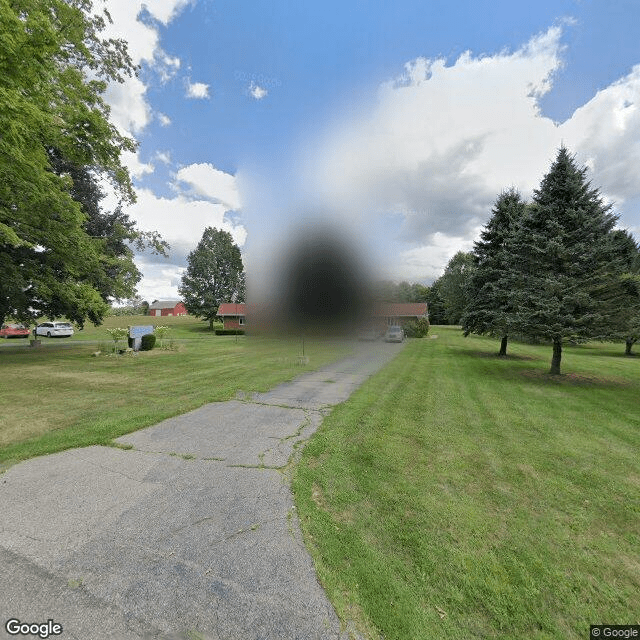
16080 17 1/2 Mile Road, Marshall, MI 49068
For more information about senior living options: (866) 208-4318
Overall Review of Best Care Plus Living Center
Pros
 The facility is described as a loving, caring home and is highly recommended.
- The home is a small, intimate group home with the owner living on-site.
- The owner and staff made the transition easy for the resident and her family.
- They helped coordinate prompt medical care and provided the necessary home care to resolve the infection.
- The staff communicates well with families and keeps them informed about issues and needs.
- The resident feels at home and well cared for, often saying she is treated like a queen.
- The home hosts visiting musicians and holiday celebrations with small gifts and decorations for residents.
Cons
 The facility limits occupancy to six residents at a time.
- The activities aren’t very active given the residents’ limitations.
- She would likely rate the food lower because she wants more salt.
Review
Best Care Plus Living Center in Marshall, MI is best suited for families seeking a small, home-like setting where an elderly woman can receive attentive, personalized care within a tightly knit, owner-operated environment. This community functions as a true group home with a kept-to-six-residents cap, offering a warm, family-driven atmosphere rather than a large-scale facility feel. The owner lives on-site and personally shapes daily life, which translates into consistent routines, rapid responsiveness, and a level of continuity that many families find reassuring after a long history of independent living. The transition for a loved one moving from private home to care is eased by hands-on involvement, clear communication, and a tangible sense that someone is watching over the day-to-day wellness and safety of residents.
Those considering alternatives should note two clear boundaries of this setting. First, the home is women-only and designed for a very small cohort, which means it is not suitable for male residents or couples who wish to stay together in the same community. Second, the scale and structure of the operation naturally limit the breadth of programming, staffing, and medical oversight compared with larger assisted living campuses or memory-care centers. Families seeking extensive on-site medical services, highly active social calendars, or diversified memory-care programs may want to evaluate other options that can offer more robust, around-the-clock clinical support or broader activity rosters. For residents who require significant nursing supervision or complex rehabilitative services, a larger facility with more specialized resources may be a better fit.
The strongest pros here revolve around intimacy, trust, and responsiveness. The small size fosters a level of attentiveness that is difficult to match in bigger communities. Families repeatedly highlight how the staff communicates promptly about any concerns and how the owner’s presence translates into dependable care decisions and timely coordination of medical needs. Residents report feeling truly valued and treated with dignity, often describing their experience as feeling like being cared for “like a queen.” This emphasis on personalized attention extends to practical care, assistance with daily activities, help navigating medical appointments, and proactive monitoring of health concerns. The resulting peace of mind is a meaningful counterweight to the limited pool of activities and the very gentle pace dictated by residents’ ages and abilities.
On the activity front, the limits are real but manageable for the right resident. Programs are gentler and tailored to a late-80s to early-90s demographic, with participation shaped by cognitive and physical needs. There are still meaningful social touches, a visiting guitarist, holiday crafts, and small celebrations, enough to preserve social connection without overwhelming residents. The limited scope of activities is not a defect so much as a natural fit for a very small, intimate setting where residents’ preferences and energy levels dictate the cadence of daily life. For families, this means fewer orchestrated outings or large-scale events, but more predictable routines, consistent supervision, and fewer transitions that can unsettle someone who values familiarity and a steady day-to-day structure.
The main trade-offs, the small size, the women-only policy, and the subdued activity calendar, are offset by the core strengths: intimate oversight, rapid family communication, and a caregiving ethos anchored by the owner’s daily involvement. For families prioritizing a home-like atmosphere, this model reduces the stress of navigating a sprawling campus, answers questions quickly, and creates a trusted, familiar environment where staff and residents know each other well. The ability to coordinate medical care quickly, address concerns the moment they arise, and maintain open lines of communication with children and siblings is a distinctive, highly practical advantage. In short, the pros are deeply aligned with those who value security, simplicity, and personal connection over breadth of services.
In deciding whether this community is the right choice, assess the match against the resident’s needs and family expectations. Best Care Plus is ideal for an elderly woman who thrives in a small, consistently staffed setting where she can be known by name, where daily routines feel predictable, and where health concerns are addressed with hands-on involvement and clear family updates. If the decision-maker prioritizes a larger network of services, a more vigorous daily activity calendar, or a male-only environment, then alternatives within the region warrant consideration. Prospective families should visit with a specific eye toward staffing patterns, the menu and dietary customization (noting the salt preference mentioned by one resident), and the kinds of incidental activities that truly engage the resident’s interests.
The practical next steps are straightforward. Schedule a tour and observe how the owner and staff interact with residents and guests, paying close attention to response times, the warmth of conversations, and the degree of individualized attention during everyday tasks. Inquire about dietary options and how dietary restrictions or preferences are incorporated into daily meals. Ask for a sample weekly activity plan to gauge whether neighbors’ energy levels align with expectations, and discuss any memory-care considerations if cognitive needs evolve. Finally, confirm admission criteria, waitlists if any, and the processes for coordinating urgent medical needs or hospitalizations. This approach ensures a well-informed choice that aligns with a loved one’s temperament, health needs, and family priorities.
 6 resident community capacity
 Assisted Living
 Board and Care Home
 Cable or satellite TV
 Dining room
 Fully furnished
 Garden
 Housekeeping services
 Move-in coordination
 Outdoor space
 Telephone
 Wi-Fi/high-speed internet available
 24-hour supervision
 Activities of daily living assistance
 Assistance with bathing
 Assistance with dressing
 Assistance with transfers
 Diabetes diet
 Meal preparation and service
 Medication management
 Special dietary restrictions
 Transportation arrangement (medical)
 Transportation to doctors appointments

 Comprehensive Insights into Activities of Daily Living (ADLs) and Their Assessment
 Medicare Coverage for Assisted Living: An In-Depth Exploration
 Your Comprehensive Guide to Luxury Assisted Living: Elevated Facilities, Amenities, and Costs