White Oaks Assisted Living and Dementia Care Costs & Pricing
At White Oaks Assisted Living and Dementia Care, the monthly cost for a studio room is $3,350, which positions it competitively within both Van Buren County and the broader Michigan market. Specifically, the average cost in Van Buren County stands at $3,998, while statewide averages hover around $3,824. This pricing reflects White Oaks' commitment to providing quality care while remaining more accessible than many local alternatives. By offering a welcoming environment focused on the well-being of its residents, White Oaks not only ensures that families can find suitable care within their budget but also enhances the overall value of assisted living services in the area.
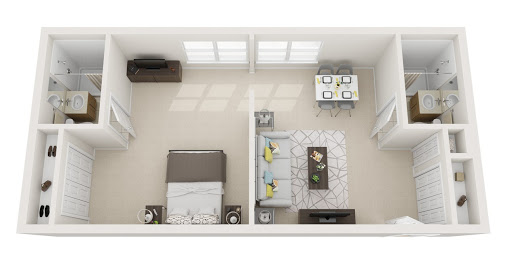
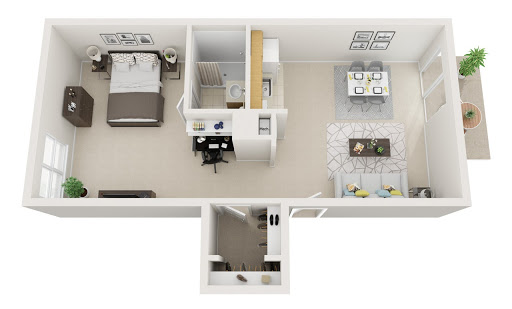
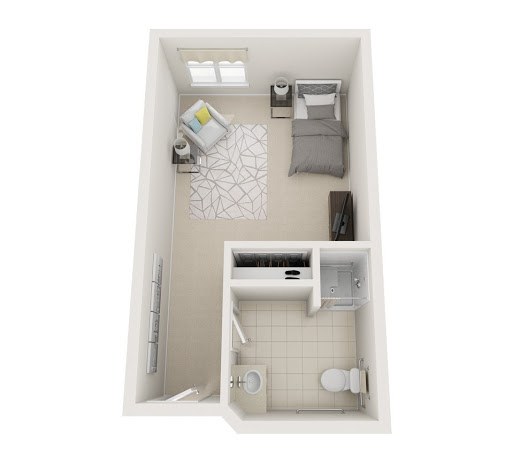
Floor plans
White Oaks Assisted Living and Dementia Care
Van Buren County
Michigan
Studio
$3,350
$3,998
$3,824
Memory care communities with a similar price nearby
Overall Review of White Oaks Assisted Living and Dementia Care
differentiator11 reviews mention this
Memory care is a focus
Residents and families describe staff who understand dementia-related needs.
Multiple reviewers mention dementia or Alzheimer’s care, saying their loved ones were calmer, happier, or better supported after moving in. Several families also describe the staff as patient and equipped to handle problems that come up as conditions change. One memory-care complaint stands out for how an agitation episode was handled, but the majority of mentions describe a workable approach for dementia-related needs.
common24 reviews mention this
Staff caregiving feels personal
The most consistent praise is for caring, compassionate staff.
Across reviews, residents and families describe staff as genuinely caring and attentive to day-to-day needs. Many mention one-on-one time, check-ins when someone isn’t feeling well, and staff treating residents with respect rather than treating them like a job. A small number of critical reviews describe serious lapses, so it’s worth balancing the warm caregiver feedback with those concerns.
common6 reviews mention this
Dining gets repeated kudos
Meals are repeatedly described as delicious and appealing.
Several reviewers directly comment on the food, including that it looks good, tastes good, and is nutritious. Families also note that loved ones enjoy meals and dining routines. This aligns with the community providing meals as part of daily life.
common7 reviews mention this
Activities help residents stay engaged
Residents are offered ways to socialize and stay busy.
Reviews commonly point to opportunities for residents to participate in activities, including socializing and structured monthly programming. Some describe special interests like music programs, while others mention time for Bible study and church-related options. Overall, families describe a calendar that helps pass the day rather than a quiet, isolated routine.
common5 reviews mention this
Clean, comfortable environment
Many reviewers highlight cleanliness and comfort in living spaces.
Several reviews describe the facility as clean and the rooms as neat, with residents appearing well cared for. A few also use safety-and-environment language, saying it feels safe and comfortable for their loved ones. This theme is echoed by family members visiting often and observing day-to-day upkeep.
caveat4 reviews mention this
Medication and incident concerns
A few reviews raise concerns about medications and handling of care issues.
Some reviewers report that residents went without multiple medications for days or weeks, describing administration as aware but not addressing it. Another critical review describes an overnight episode involving agitation and a lack of appropriate handling for a dementia patient, ending in an emergency transfer and being told the person was kicked out. One additional low-star review alleges serious care failures connected to resident outcomes. If you’re touring, these are themes to ask about directly and confirm in writing.
How we summarize
Counts show how many written reviews mention each theme; a review can touch several themes, and only frequently mentioned themes are displayed.
Features
Types of Care
Assisted Living
Memory Care
Pets
Cats allowed
Dogs allowed
Amenities
Activities on-site
Devotional services off-site
Indoor common areas
Care Services
Ambulatory care
Diabetic care
Dining
Meals provided
Activities
Activities on-site
Devotional activities offsite
Nearby Places of Interest
Lawton, Michigan offers a quaint and convenient location for senior living, with a variety of amenities nearby. The area boasts several dining options such as Moe-Z-Inn and Catch 120 Grill, as well as cafes like The Edge Cafe for social gatherings. Places of worship like Christ The King Church and Bethel Lutheran Church provide opportunities for spiritual fulfillment. For medical needs, there are multiple pharmacies and physicians within a short distance, including Spectrum Health Kelsey Hospital for more specialized care. Transportation options are also readily available with U-Haul Neighborhood Dealer and Greyhound Bus Lines nearby. Overall, Lawton provides a comfortable and accessible community for seniors to enjoy their golden years.
Restaurants
Moe-Z-Inn (1.1 miles)
Subway (4.2 miles)
Catch 120 Grill (4.3 miles)
The Forager (6.1 miles)
Dairy Bear (6.5 miles)
Fatbelly Deli and Creamery (7 miles)
St Ive's Grille (8.9 miles)
Places of Worship
Christ The King Church (3.6 miles)
Ephesians 4 Network (3.6 miles)
Bethel Lutheran Church (3.8 miles)
Luther Bible Chapel (3.9 miles)
Deerfield Church (4.1 miles)
Amble United Methodist Church (5.4 miles)
The Woods Church (5.9 miles)
Transportation
Northern Pines Taxidermy (3.9 miles)
U-Haul Neighborhood Dealer (4.4 miles)
All American Taxidermy (5 miles)
Greyhound Bus Lines (6.4 miles)
Big Horn Taxidermy (6.6 miles)
Budget Truck Rental (9.8 miles)
Lakeview Airport-Griffith Field (13C) (10.5 miles)
Parks
Stilson Ranch (5.1 miles)
Big Prairie Township Park (6.3 miles)
Krampe Park (8.3 miles)
School Section Lake Veterans Park (12.6 miles)
High Banks Park (13.1 miles)
Sand Lake Pavillion (13.7 miles)
Cafes
The Edge Cafe (6.2 miles)
Corner Cafe (6.5 miles)
Hit The Road Joe (10 miles)
Ferris State Univ-Dining Service (13.5 miles)
Starbucks (14 miles)
Biggby Coffee (14 miles)
Pharmacies
Leppinks (6.2 miles)
Countryside Pharmacy (10.5 miles)
Walgreens (13.9 miles)
Rite Aid (14 miles)
Lambda Kappa Sigma ΛKΣ - Ferris State University (14 miles)
Physicians
Spectrum Health Kelsey Hospital (9.8 miles)
Lakeview Family Medicine (9.8 miles)
Eastside Family Medical (11.5 miles)
Mecosta Health Services (11.5 miles)
Michigan Primary Care Partners (12.8 miles)
West Michigan Pain (12.8 miles)
Chowdhry Shoaib MD-Fresenius Medical Care /Renal (13 miles)
Hospitals
Kelsey Care Center (9.8 miles)
Spectrum Health United Memorial - Kelsey Campus (9.8 miles)
At White Oaks Assisted Living and Dementia Care, the monthly cost for a studio room is $3,350, which positions it competitively within both Van Buren County and the broader Michigan market. Specifically, the average cost in Van Buren County stands at $3,998, while statewide averages hover around $3,824. This pricing reflects White Oaks' commitment to providing quality care while remaining more accessible than many local alternatives. By offering a welcoming environment focused on the well-being of its residents, White Oaks not only ensures that families can find suitable care within their budget but also enhances the overall value of assisted living services in the area.
Yes, White Oaks Assisted Living and Dementia Care provides memory care services for residents with mild or advanced stages of dementia or Alzheimer's disease.
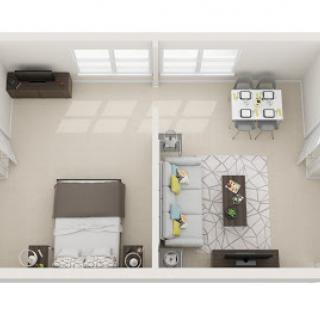
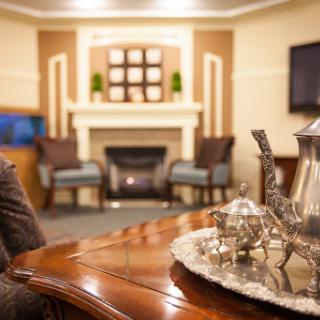
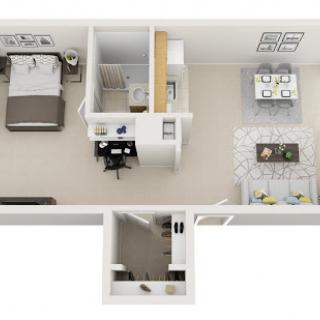
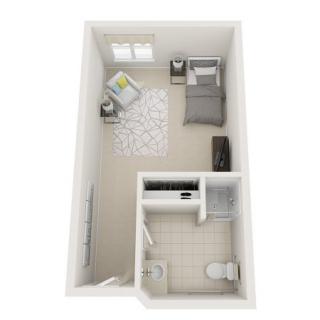
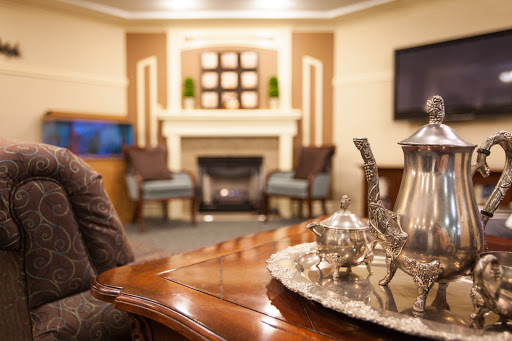
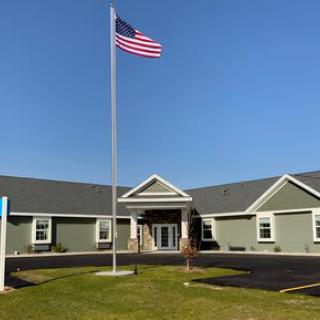
White Oaks Assisted Living and Dementia Care on seniors.fyi includes 6 photos including images showing interior, decor, floor plan, bedroom, living room, design, fireplace, workspace, and more.
Nearby Communities
White Oaks Afc
Morley, MI
Cozy, inviting board-and-care with 24/7 supervision and personalized daily living support.
River View
Morley, MI
Fully furnished assisted living with comprehensive care, activities, and move-in coordination.
Elevate Afc Jaided's House
Howard City, MI
24/7 supervision with ADL support, diabetes-friendly meals, and scheduled activities.
Enriched Living - Legion
Howard City, MI
5 from 5 reviews
Comprehensive services with meals, housekeeping, 24-hour supervision, and transportation
Heights Manor
Big Rapids, MI
3.3 from 6 reviews
Small, intimate setting with comprehensive care and furnished accommodations.
Spectrum Health Rehab & Nursing Centers - Kelsey Hospital
Lakeview, MI
3.4 from 26 reviews
Comfortable, fully furnished rooms with 24/7 supervision, ADL support, meal service, and engaging activities.
Evergreen Terrace Assisted Living
Big Rapids, MI
4.4 from 8 reviews
$3,300 to $3,600 / month
Small, intimate 20-resident community with personalized, home-like care and a luxurious feel.
Newaygo Co Medical Care Facili
Fremont, MI
3.2 from 9 reviews
Extensive amenities and 24/7 supervision, plus transportation and restaurant-style dining.
Meadowlark Retirement Village
Sparta, MI
3.9 from 14 reviews
$1,270 to $2,300 / month
Caring, attentive staff in a clean, friendly, community-focused environment with strong value.
At-home dementia care expenses vary widely based on care levels, location, and caregiver expertise, with monthly costs for home health aides exceeding $4,500 and specialized care potentially surpassing $100,000 annually. While families favor in-home care for its comfort and personalized attention, they must consider financial planning and the challenges of caregiver fatigue.
The article discusses the late stages of dementia, detailing the progression from mild to severe impairment and highlighting key characteristics such as profound cognitive decline and dependency in daily activities. It emphasizes care strategies focused on comfort and dignity, the importance of advance directives, and the emotional support needed for family caregivers facing this challenging journey.
The article examines the link between certain medications and increased dementia risk, particularly in older adults, emphasizing that long-term or high-dose use of anticholinergics, benzodiazepines, and other drug classes can exacerbate cognitive impairment. It calls for careful medication evaluation and shared decision-making to mitigate these risks while managing treatment efficacy.
White Oaks Assisted Living and Dementia Care photos
×
Interior
Outdoors
Decor
Bedroom
Floor Plan
Interior
Decor and Living Room
Bedroom and Floor Plan
Bathroom
Fireplace
Outdoors
Minimalist and Workspace
Design
Room Layout
Get PricingAsk A QuestionSchedule A TourContact Senior Advisor
By clicking submit, you agree to our Partner's Terms of Use. You
also consent to receive calls and texts, which may be autodialed, from our Partner. Your consent is not a condition to
using our Partner's service. Please visit our Partner's Privacy Policy for information about their privacy practices.





 Assisted Living
 Memory Care
 Cats allowed
 Dogs allowed
 Activities on-site
 Devotional services off-site
 Indoor common areas
 Ambulatory care
 Diabetic care
 Meals provided
 Cozy, inviting board-and-care with 24/7 supervision and personalized daily living support.

 Estimating the Expenses of At-Home Dementia Care: A Detailed Exploration
 Comprehensive Insights on the Late Stages of Dementia: What to Expect and How to Provide Care
 Medications Associated with Dementia Risk: A Comprehensive Overview