Victory Adult Foster Care in Lansing, MI

Information last verified:

28 6101 Norburn Way, Lansing, MI 48911

For more information about senior living options: (844) 490-3973

4.5 from 2 reviews

Victory Adult Foster Care Costs & Pricing

Victory Adult Foster Care offers a range of pricing options that significantly exceed the average costs in Ingham County and throughout Michigan. For instance, a semi-private room at Victory is priced at $5,029 per month, which is notably higher than the county's average of $3,168 and the state average of $3,191. Similarly, private rooms at Victory are available for $6,034, while Ingham County and Michigan averages stand at only $3,536 and $3,675, respectively. The costs for studio apartments at Victory reach $6,537, contrasting sharply with the county's average of $3,783 and the state's average of $3,824. These figures suggest that while Victory Adult Foster Care provides premium services or amenities that may justify its higher prices, potential clients must weigh these costs against their budgetary considerations within the broader market landscape.

Floor plansVictory Adult Foster CareIngham CountyMichigan
Semi-Private$5,029$3,111$3,189
Private$6,034$3,475$3,674
Studio$6,537$3,783$3,824

Overall Review of Victory Adult Foster Care

Pros

  • pro The owner of the home is a registered nurse who goes above and beyond when answering medical questions at home.
  • pro The owner provides attentive and helpful care.
  • pro The reviewer is very pleased with the experience.

Review

Victory Adult Foster Care in Lansing, MI is best suited for families seeking an intimate, nurse-led, home-like care setting where medical oversight is constant and highly personal. This is not a campus-style operation; it’s a single home that leans on a registered nurse owner to provide hands-on medical guidance and a continuity of care that feels more like in-home family care than a traditional facility. The model works best for residents who need steady medical input, clear accountability, and the comfort of a smaller, more private environment where routines can be tailored around medical needs and daily preferences. In short, it suits families prioritizing direct nursing presence, dependable medical interpretation, and a livable, noninstitutional atmosphere.

Those who should consider alternatives are families looking for robust social programming, wide-ranging activities, or a broader suite of on-site amenities typically found in larger assisted living communities. If a resident would benefit from structured memory-care programming, more formalized daily schedules, or predictable staffing across multiple shifts, a bigger campus with dedicated departments may deliver more of what the family expects. For residents who require services beyond what a single home can safely provide on a long-term basis, such as highly specialized medical equipment or 24/7 professional nursing on every shift, an alternative arrangement with more extensive staffing and facility resources should be weighed.

The strongest advantages here are tangible and intentionally medical. The owner’s nursing background means medical questions and adjustments can be addressed in real time, often without deferring to external providers or waiting for appointments. This level of accessibility translates into fewer delays when symptoms shift, medications need tweaking, or care plans require quick interpretation for the family. The care feels deeply personal because the setting is intimate, and the caregiver-to-resident relationship can be highly consistent. When families value transparent medical communication, the advantage here is clear: medical oversight is integrated into daily life, not siloed behind a care coordinator’s office.

However, the trade-off is the natural limits of a small home operation. Staffing is inherently finite, which can affect after-hours coverage and the breadth of daily activities or special programs available on any given day. There is less of the “one-size-fits-all” programming found in larger communities, and residents may encounter variability in routine quality depending on who is present and what the day’s needs require. Privacy and autonomy can be excellent, but the upside is balanced by the reality that some families may crave more formalized scheduling, broader social opportunities, or specialized memory-care environments that a larger campus is better equipped to provide.

The key to whether the pros offset the cons lies in alignment with needs and expectations. The nurse-owned model mitigates many concerns about medical coordination by delivering immediate, competent guidance and a trusted point of contact for both residents and families. The home atmosphere supports dignity, familiar routines, and a sense of belonging that large facilities sometimes struggle to reproduce. For someone whose priority is medical responsiveness and a less clinical ambiance, these strengths strongly outweigh the downsides of a smaller operation. For those who require heavy medical interventions, constant shift staffing, or expansive programming, the model’s limitations become more consequential.

Families weighing this option should approach with a practical checklist: confirm the exact licensing framework for the home and what medical services are included on-site, clarify who handles medications and how changes are implemented, and verify after-hours coverage and the process for urgent needs. Schedule a face-to-face meeting with the owner to assess communication style, responsiveness, and the comfort level with the resident’s specific medical history. Request to see current care plans, routines, and any adjunct referrals or partnerships with local clinicians. Finally, seek references or conversations with other families served by the home to gauge consistency of care, reliability, and the overall day-to-day experience. When these factors align, Victory Adult Foster Care offers a compelling, practical choice for households prioritizing medical accessibility within an intimate, home-based setting.

Features

Housing

  • 6 resident community capacity 6 resident community capacity

Types of Care

  • Assisted Living Assisted LivingAssisted living facilities provide crucial support and care for seniors who may need help with daily tasks such as medication management, bathing, and meal preparation. These communities offer a safe and comfortable environment where seniors can maintain their independence while receiving the assistance they need to thrive in their golden years.

Amenities

  • Cable or satellite TV Cable or satellite TVCable or satellite TV is important for seniors because it provides entertainment, news, and companionship, helping to combat loneliness and boredom. It also offers a wide range of programming options tailored to different interests and preferences.
  • Dining room Dining roomDining rooms are important for seniors as they provide a space for socialization, connection, and nutritious meals. They offer opportunities for residents to bond over shared meals, foster a sense of community, and promote healthy eating habits. Dining rooms also ensure that seniors have access to well-balanced meals tailored to their dietary needs and preferences.
  • Fully furnished Fully furnishedFully furnished senior living communities are important for seniors because they provide convenience, comfort, and a hassle-free moving experience. Seniors can easily settle into their new living space without the stress of having to buy and move furniture. This allows them to focus on enjoying their new home and community.
  • Garden GardenGardens are important for seniors as they provide a peaceful and therapeutic environment for relaxation, physical activity, and socialization. Being in nature has been shown to reduce stress, improve mood, and promote overall well-being. Gardens also offer opportunities for seniors to engage in gardening activities, which can improve mobility, flexibility, and cognitive function. Additionally, gardens create a sense of community and connection with others who share a passion for plants and outdoor spaces.
  • Housekeeping services Housekeeping servicesHousekeeping services are important for seniors because they help maintain a clean and safe living environment, promote independence, and reduce the risk of accidents or illnesses. Additionally, having assistance with household chores can alleviate physical strain and allow seniors to focus on other aspects of their well-being.
  • Move-in coordination Move-in coordinationMove-in coordination is important for seniors because it helps ease the transition into their new living environment. It ensures that all logistics, such as packing, organizing movers, and setting up utilities are taken care of, allowing seniors to focus on settling in and adjusting to their new home. Having a smooth move-in process can alleviate stress and anxiety, making the transition smoother and more enjoyable for seniors.
  • Outdoor space Outdoor spaceOutdoor spaces are important for seniors as they provide opportunities for physical activity, social interaction, exposure to natural light and fresh air, and a sense of connection to nature. Having access to outdoor spaces can improve overall well-being and quality of life for older adults living in senior communities.
  • Telephone TelephoneTelephones are important for seniors as they provide a lifeline for communication with loved ones, emergency services, and healthcare providers. They offer a sense of security and independence, enabling seniors to stay connected and access assistance when needed.
  • Wi-Fi/high-speed internet available Wi-Fi/high-speed internet availableWi-Fi/high-speed internet is important for seniors to stay connected with loved ones, access online resources, and participate in virtual activities to combat feelings of loneliness and isolation. It also allows them to easily manage healthcare needs, access entertainment, and engage in lifelong learning opportunities.

Transportation

  • Capital City (8 miles away) Capital City (8 miles away)

Care Services

  • 24-hour supervision 24-hour supervision24-hour supervision is important for seniors to ensure their safety, well-being, and access to immediate assistance in case of emergencies or health issues. This constant support provides peace of mind for both seniors and their loved ones, allowing them to age in place with dignity and security.
  • Activities of daily living assistance Activities of daily living assistanceActivities of daily living assistance are important for seniors because they provide essential support with tasks such as eating, bathing, dressing, and mobility. This assistance helps seniors maintain their independence, dignity, and overall quality of life as they age.
  • Assistance with bathing Assistance with bathingAssistance with bathing is crucial for seniors as it helps maintain personal hygiene, prevents infections, and ensures their overall well-being and comfort. It also provides a sense of dignity and independence for seniors who may struggle with this task on their own.
  • Assistance with dressing Assistance with dressingAssistance with dressing is important for seniors because it helps maintain their independence, promotes personal hygiene, prevents accidents and injuries, and improves overall quality of life. This service ensures that seniors can continue to dress comfortably and confidently, despite any physical limitations they may have.
  • Assistance with transfers Assistance with transfersAssistance with transfers is crucial for seniors as it helps prevent falls and injuries, maintains their independence, and ensures they can safely navigate their living environment. It also provides peace of mind for both seniors and their loved ones.
  • Coordination with health care providers Coordination with health care providersCoordination with health care providers is crucial for seniors to ensure proper medical care, medication management, and overall well-being. This collaboration helps prevent overlapping treatments, track progress more effectively, and provide comprehensive support tailored to individual needs.
  • Diabetes diet Diabetes dietA diabetes diet is crucial for seniors as it helps manage blood sugar levels, reduce risks of complications, and improve overall health and well-being. By following a balanced and nutritious diet tailored to their specific needs, seniors can better control their diabetes and enhance their quality of life.
  • Meal preparation and service Meal preparation and serviceMeal preparation and service are crucial for seniors as they may have limited mobility or energy to cook nutritious meals. Having access to healthy and convenient food options can ensure they are getting the proper nutrition needed to maintain their overall health and well-being.
  • Medication management Medication managementMedication management is crucial for seniors to ensure they are taking the right medications at the correct dosages and times. This helps prevent adverse drug interactions, reduces the risk of medication errors, and promotes overall health and well-being. Proactive management also allows for adjustments as needed based on changing health conditions or new prescriptions.
  • Special dietary restrictions Special dietary restrictionsSpecial dietary restrictions are important for seniors because age-related changes in metabolism and health conditions can make it difficult for their bodies to process certain foods. By following a diet tailored to their specific needs, seniors can maintain their overall health and well-being, manage chronic conditions, and reduce the risk of complications such as malnutrition or food interactions with medications.
  • Transportation arrangement (medical) Transportation arrangement (medical)Transportation arrangements for medical purposes are essential for seniors as they may have difficulty driving themselves to appointments or accessing public transportation. Having reliable and safe transportation options ensures that seniors can receive timely medical care and maintain their health and well-being.
  • Transportation to doctors appointments Transportation to doctors appointmentsTransportation to doctors' appointments is crucial for seniors as it ensures they have access to necessary medical care and support for their health needs. Without reliable transportation, seniors may struggle to attend important appointments, leading to potential delays in treatment and health complications. Providing transportation services helps seniors maintain their overall well-being and quality of life.
Dining

  • Diabetes diet Diabetes dietA diabetes diet is crucial for seniors as it helps manage blood sugar levels, reduce risks of complications, and improve overall health and well-being. By following a balanced and nutritious diet tailored to their specific needs, seniors can better control their diabetes and enhance their quality of life.
  • Special dietary restrictions Special dietary restrictionsSpecial dietary restrictions are important for seniors because age-related changes in metabolism and health conditions can make it difficult for their bodies to process certain foods. By following a diet tailored to their specific needs, seniors can maintain their overall health and well-being, manage chronic conditions, and reduce the risk of complications such as malnutrition or food interactions with medications.

Activities

  • Community-sponsored activities Community-sponsored activitiesCommunity-sponsored activities are important for seniors as they provide opportunities for social interaction, mental stimulation, and physical activity. These activities can help improve overall well-being, combat loneliness and isolation, and promote a sense of belonging and purpose among older adults.
  • Scheduled daily activities Scheduled daily activitiesScheduled daily activities are important for seniors because they provide structure, socialization, mental stimulation, and physical activity. Engaging in regular activities can improve overall well-being and quality of life for seniors living in a community setting.

Description

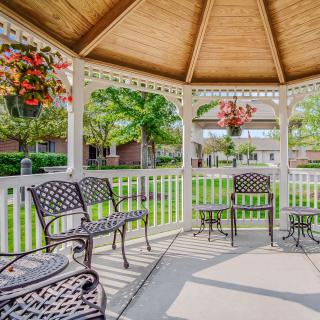
Victory Adult Foster Care in Lansing, MI offers a comfortable and convenient living environment for seniors in need of assistance with daily activities. The community provides a range of amenities to enhance the residents' quality of life, including a spacious dining room where delicious meals are served, fully furnished living spaces for comfort and convenience, and a beautiful garden for residents to enjoy outdoor relaxation.

Housekeeping services are provided to ensure that the living spaces remain clean and tidy. Additionally, move-in coordination is available to assist new residents in settling into their new home seamlessly. For connectivity, there is access to telephone services as well as Wi-Fi/high-speed internet.

The care services at Victory Adult Foster Care are designed to cater to the specific needs of each resident. Trained staff members provide assistance with activities of daily living such as bathing, dressing, and transfers. The community also coordinates with healthcare providers to ensure that residents receive proper medical attention when needed.

Specialized care includes diabetes diet management and medication management. Special dietary restrictions are accommodated to meet individual needs. Transportation arrangements for medical appointments are made for the convenience of residents.

Engaging activities are scheduled daily to keep residents active and entertained. In the vicinity of Victory Adult Foster Care, there are numerous cafes, parks, pharmacies, physicians' offices, restaurants, places of worship, theaters, and hospitals nearby for easy accessibility.

With its array of amenities and comprehensive care services, Victory Adult Foster Care provides a supportive and nurturing environment where seniors can thrive while enjoying the convenience of nearby amenities and services in Lansing, MI.

Nearby Places of Interest

This part of Lansing, Michigan offers a convenient and accessible location with a variety of amenities for senior living. There are several physicians' offices nearby, as well as pharmacies and hospitals for easy access to medical care. In terms of dining options, there are a range of restaurants and cafes within close proximity, offering a diverse selection of choices. The area also boasts parks such as Hawk Island County Park for outdoor recreational activities. Additionally, there are places of worship nearby for spiritual fulfillment. Overall, this neighborhood provides a balanced mix of healthcare facilities, dining options, and recreational opportunities that may appeal to seniors looking for a comfortable and convenient living environment.

Physicians

  • Delta Medical Center (0.3 miles)
  • Cardiology Consultants PC (0.3 miles)
  • Lansing Oral Surgery (0.8 miles)
  • Lansing Oral Surgery (1.1 miles)
  • McLaren Greater Lansing - Holt Family Medicine (1.1 miles)
  • Mclaren Holt Family Medicine (1.1 miles)
  • Allergy And Asthma Consultants Of Mid-Michigan (1.3 miles)

Restaurants

  • Culver's (0.4 miles)
  • Zeus' Coney Island (0.5 miles)
  • Dan's Coney Island (0.6 miles)
  • Applebee's (0.6 miles)
  • Fazoli's (0.9 miles)
  • Dairy Dan (0.9 miles)
  • Taco Bell (1 miles)

Cafes

  • Panera Bread (0.6 miles)
  • Starbucks (0.7 miles)
  • Biggby Coffee (2.1 miles)
  • Tim Hortons (3.1 miles)

Pharmacies

  • Target Pharmacy (0.7 miles)
  • Walgreens (1.3 miles)
  • Epic Pharmacies (1.4 miles)
  • Rite Aid (1.5 miles)
  • CVS Pharmacy (1.5 miles)
  • CVS Pharmacy (2.2 miles)
  • Mclaren Drug Shop Irmcp (2.4 miles)

Theaters

  • Celebration Cinema (1.2 miles)

Parks

  • Hawk Island County Park (1.8 miles)
  • Deadman's Hill Park (2.7 miles)
  • Quentin Park (3.9 miles)
  • Frances Park (4.5 miles)
  • Rotary Park (4.7 miles)

Places of Worship

  • Holt Baptist Church (2 miles)
  • First Presbyterian Church (2 miles)
  • Sycamore Creek Church (2.9 miles)

Hospitals

  • Ingham Regional Orthopedic (2.4 miles)
  • McLaren Greater Lansing (2.7 miles)
  • Ingham Regional Medical Center (2.7 miles)
  • McLaren Greater Lansing Comprehensive Stroke Center (2.9 miles)
  • Sparrow Cath Lab (4.5 miles)
  • Sparrow Hospital- 4 Foster (4.5 miles)
  • Sparrow Regional Neonatal Icu (4.5 miles)

Transportation

  • Amtrak (3.9 miles)

Frequently Asked Questions

How much does it cost to live at Victory Adult Foster Care in Lansing, MI?
Where is Victory Adult Foster Care?

Nearby Communities

  • Emmanuel Afc

    Emmanuel Afc

    Lansing, MI

    4.5 from 12 reviews
     

    pro Intimate 6-bed board-and-care with 24/7 supervision, ADL support, medical coordination, and diabetes-friendly meals.

  • Orchard Court

    Orchard Court

    Lansing, MI


    pro Intimate 12-unit community with comprehensive assisted living services and on-site amenities.

  • Joshua Street Residential Care

    Joshua Street Residential Care

    Lansing, MI

    3.3 from 71 reviews
     

    pro Comprehensive care options with dementia support, 24/7 supervision, and coordinated medical care.

  • Kekeli's Foster Care Home

    Kekeli's Foster Care Home

    Lansing, MI

    4 from 67 reviews
     

    pro Small, homelike community with 24/7 supervision and personalized care.

  • Loretta House

    Loretta House

    Lansing, MI


    pro Small, personalized community with comprehensive assisted living services and care coordination.

  • Southbrook Villa

    Southbrook Villa

    Lansing, MI

    3.5 from 8 reviews
     

    pro Excellent nearby amenities (dining, parks, healthcare, theater) for convenient living.

  • Holt Heritage Village

    Holt Heritage Village

    Holt, MI

    4.2 from 32 reviews
    $819 to $1,470 / month

    pro Friendly staff and a welcoming, active community.

  • Prestige Way

    Prestige Way

    Holt, MI

    4.6 from 132 reviews
    $3,150 to $4,200 / month

    pro Clean, homelike environment with friendly staff, delicious home-cooked meals, and engaging activities.

  • Grandhaven Manor

    Grandhaven Manor

    Lansing, MI

    4.2 from 87 reviews
    $1,099 to $1,399 / month

    pro Friendly staff and a range of amenities create a welcoming community.

Related Resources

  • when to move from assisted living to memory careWhen to Transition from Assisted Living to Memory Care: Key Indicators, Steps, and Finding the Right Community

    Transitioning from assisted living to memory care is driven by an individual's cognitive decline and specific needs, requiring careful evaluation of indicators like increased confusion and wandering. The process involves consulting medical professionals, researching suitable communities, considering financial and legal aspects, and ensuring effective communication for personalized care plans.

  • assisted living vs memory careAssisted Living and Memory Care: Understanding Their Core Differences

    Assisted living provides moderate support for seniors seeking independence, while memory care offers specialized support for individuals with dementia or cognitive impairments through structured routines and trained staff. Key differences include care approaches, environment security measures, staff training levels, activity types, and cost considerations.

  • assisted living activitiesBeyond the Bingo Hall: 50+ Enriching Activities for Seniors in Assisted Living

    Assisted living communities offer diverse activities beyond traditional games to enhance seniors' physical health, cognitive well-being, emotional enrichment, and social connections, including fitness classes, creative expression, and intergenerational interactions. These enriching programs foster community bonds and support residents' independence and happiness.