
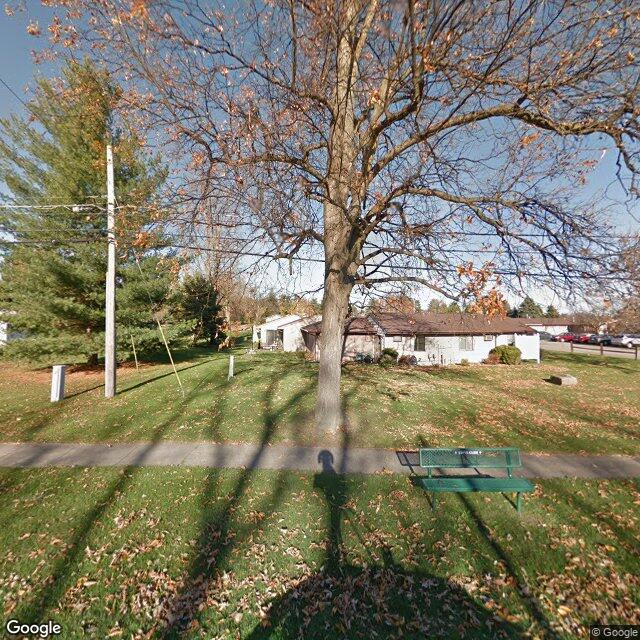
631 E Grand River Rd, Laingsburg, MI 48848
To contact a resident: (517) 651-2611
For more information about senior living options: (866) 208-4318
Overall Review of Looking Glass Terrace
Pros
 Neighbors are great, and care about one another.
- Decent 1& 2 bedroom apartments for lower income seniors.
- Have coin operated laundry available in the clubhouse.
- And the clubhouse can be reserved for family or activity use.
- Was small loving town.
- Nice helpful community residents.
Cons
 They find the property dismal and depressing on sight from the road and in reviews.
- They consider the reviews about the property not good.
- They question why people purchase these properties without taking better care of them or making them more appealing.
- They do not trust the management or operators.
- They allege intimidation and discrimination by the new management since March 2021, including disability discrimination.
- They describe maintenance as very slow or difficult to get done and call the property very dirty.
- They report never being able to reach the people who run it by phone.
- They accuse management of discriminatory practices and spreading untrue gossip.
Review
Looking Glass Terrace in Laingsburg, MI is best suited for budget-minded seniors who want independence in a modest, neighborhood-focused setting. The community offers 1- and 2-bedroom apartments with private entrances and patios, a layout that supports personal autonomy and simple, at-a-glance living. In practice, this combination can deliver a sense of ownership and quiet privacy that some residents prize, even as others note a dated appearance and uneven upkeep. For families weighing options nearby, the verdict hinges on whether affordable, low-frills independence trumps the appeal of a more polished, service-rich environment.
Those who may want to consider alternatives are clear: if reliable, proactive maintenance and a consistently clean, visually appealing space are non-negotiable, this property is likely to disappoint. Several reviews raise red flags about slow repairs and difficulty reaching management, which can be draining for residents who depend on timely fixes or predictable communication. Add in broader concerns about changes in ownership and what some term discriminatory or gossipy dynamics, and the climate can feel unstable. For families prioritizing transparent oversight, robust programming, and a smoother service experience, exploring other options becomes a prudent move.
The strongest positives center on privacy, affordability, and a sense of neighborly stability. Private entrances and individual patios reduce the sense of intrusion common in more communal campuses, while 1- and 2-bedroom layouts offer useful space for independent living. The presence of a clubhouse with coin-operated laundry adds practical convenience without inflating living costs, and word from some residents highlights a caring, supportive neighbor network. In short, the environment can be welcoming for those who value personal space and a low-key social scene over professional-driven programming.
Yet the drawbacks are meaningful and hard to ignore. Maintenance is repeatedly described as slow or hard to reach, and the overall cleanliness or aesthetic condition of the property is a frequent concern. Allegations, rooted in reviews, about discriminatory practices and intimidation tied to management changes create a cautious backdrop for new residents, potentially undermining trust. Such factors matter because a stable, respectful atmosphere is essential for aging-in-place, especially when independence is the priority and on-site services are limited by design.
Weighing the tradeoffs, the pros offset the cons only for a specific profile. For families prioritizing affordability, private living space, and a recognizable sense of community among neighbors, Looking Glass Terrace can be a workable fit, provided there is realistic tolerance for maintenance delays and a willingness to navigate a less-than-polished upkeep track. For others, particularly those who expect prompt repairs, pristine surroundings, and a consistently professional management presence, the cons likely overwhelm any savings. The decision should hinge on resident needs for independence versus support, and on how comfortable the household is with the perceived stability of the property’s leadership.
Before moving, a disciplined due-diligence approach is essential. Visit at different times to gauge responsiveness and noise, and talk with multiple residents about their day-to-day experiences. Inspect a sample unit for cleanliness, safety features, and ease of access, and ask for a clear explanation of who handles maintenance requests, typical turnaround times, and how issues are tracked. Confirm what the rent covers, what utility costs look like, and whether any income-based adjustments apply year to year. If there remains interest, request a written service expectation with maintenance targets and a formal process for escalating concerns. If red flags persist, it is wise to compare against nearby communities with stronger reputations for upkeep, transparency, and proactive resident engagement.
 Active Adult Communities (55+)
 Capital City (14 miles away)



 Powerful Realities of Elder Abuse and the Most Effective Ways to Report It
 Ten Vital Duties of a Senior Caregiver: A Comprehensive Guide
 9 Stimulating Memory Activities for Seniors: Puzzles, Cards, and Much More