
720 West Walnut Street, Kalamazoo, MI 49007
For more information about senior living options: (866) 208-4318
Overall Review of Precious Care Assisted Living
Pros
 Butterfly Oasis provides high-quality care delivered with love and becomes a second family to residents.
- The staff at Butterfly Oasis keep families informed about residents' condition and happy moments.
- Residents feel at home at Butterfly Oasis.
- The staff are warm, caring, and form genuine bonds with residents.
- The facility offers engaging activities and outdoor spaces that residents enjoy.
- Families receive open, proactive communication from the team.
- The caregiving staff go above and beyond, fostering a supportive, family-like atmosphere.
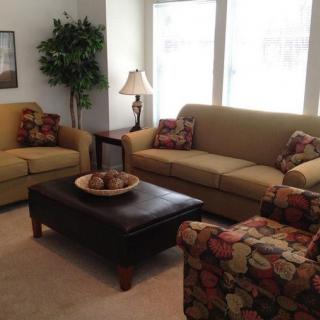
- The home is clean, well-maintained, and the food is wonderful.
- Residents are valued, loved, and receive attentive care from a dedicated team.
Cons
 The search for a place for their mom was heart-wrenching and stressful, and their list of options was long.
- They researched many surrounding senior homes, but none of them fit their requirements.
Review
This community is best suited for families seeking a warm, home-like atmosphere where residents are treated as members of a close, attentive extended family. The reviews repeatedly highlight a small, intimate setting in which staff become trusted caregivers and friends, not just providers. It’s particularly well-matched for seniors who live with chronic conditions, dementia, and fall-risk, yet who still want meaningful daily interaction, routine, and personal connection. For families prioritizing a sense of security, open communication, and involvement in daily care, this environment delivers in spades.
Those who should consider alternatives are families whose loved ones require more formal medical oversight, advanced memory-care programming, or a larger campus with broader on-site clinical services. If the plan calls for frequent nurse-led rounds, readily available specialists, or a robust continuum of rehab and hospital-level care, a bigger operator with established memory-care wings and centralized systems may be a better fit. Similarly, households seeking a wide array of structured activities on a sprawling campus might find the intimate footprint limiting.
The strongest pros here, attentive, compassionate staff; clear, ongoing communication with families; and a genuinely homey vibe, offset the main drawbacks by delivering trust and reassurance when care needs intensify. Families consistently note that updates arrive quickly, photos and messages are shared, and staff step up during health changes or end-of-life moments. The ability to shelter in place during crises (such as the tornado incident) and the explicit dedication of caregivers to residents’ comfort provide a level of peace of mind that often trumps a lack of scale or formal medical infrastructure.
Beyond core care, the everyday quality of life stands out as a decisive advantage. Clean, well-kept facilities, tasty home-style meals, and accessible outdoor spaces create a livable rhythm that keeps residents engaged and content. Activities, crafts, games, and social routines, offer meaningful engagement, while the freedom for family members to visit, participate, or simply sit together reinforces the sense that the residence is a welcoming, predictable place to call home. The combination of personal grooming, socialization, and regular contact with loved ones translates into tangible emotional well-being for residents.
Yet it’s prudent to weigh the limits of a smaller, family-run model. For families prioritizing breadth of programming, expansive social calendars, or highly specialized clinical care, the pace and scope may feel constraining. The upside is the depth of personal attention, but the potential downside is a tighter care apparatus. In practice, the care team’s transparency, reliability, and willingness to coordinate with hospice or external services often narrows that gap, but honest expectations remain essential.
For families weighing this option, a practical plan should include asking about staff-to-resident ratios, training on diabetes and dementia, and the availability of on-site medical oversight. Visit with current residents and families to gauge daily rhythms, ask to observe care conversations, and request a trial period if possible. In decision time, this community shines for those who prize a true, human-centered approach, where love, consistency, and genuine connection often trump the need for a large institutional footprint.
 6 resident community capacity
 Assisted Living
 Cable or satellite TV
 Dining room
 Fully furnished
 Garden
 Housekeeping services
 Move-in coordination
 Outdoor space
 Telephone
 Wi-Fi/high-speed internet available
 Kalamazoo County (4 miles away)
 24-hour supervision
 Activities of daily living assistance
 Assistance with bathing
 Assistance with dressing
 Assistance with transfers
 Diabetes diet
 Meal preparation and service
 Medication management
 Special dietary restrictions
 Transportation arrangement (medical)
 Transportation to doctors appointments

 Securing Financial Support for Assisted Living: A Comprehensive Overview
 Social Security Benefits and Assisted Living: Navigating Options Across the U.S.
 An Extensive Exploration of the VA Aid and Attendance Benefit